The White House confused two of the Founding Fathers when it offered the names of new statutes in Donald Trump’s Rose Garden.
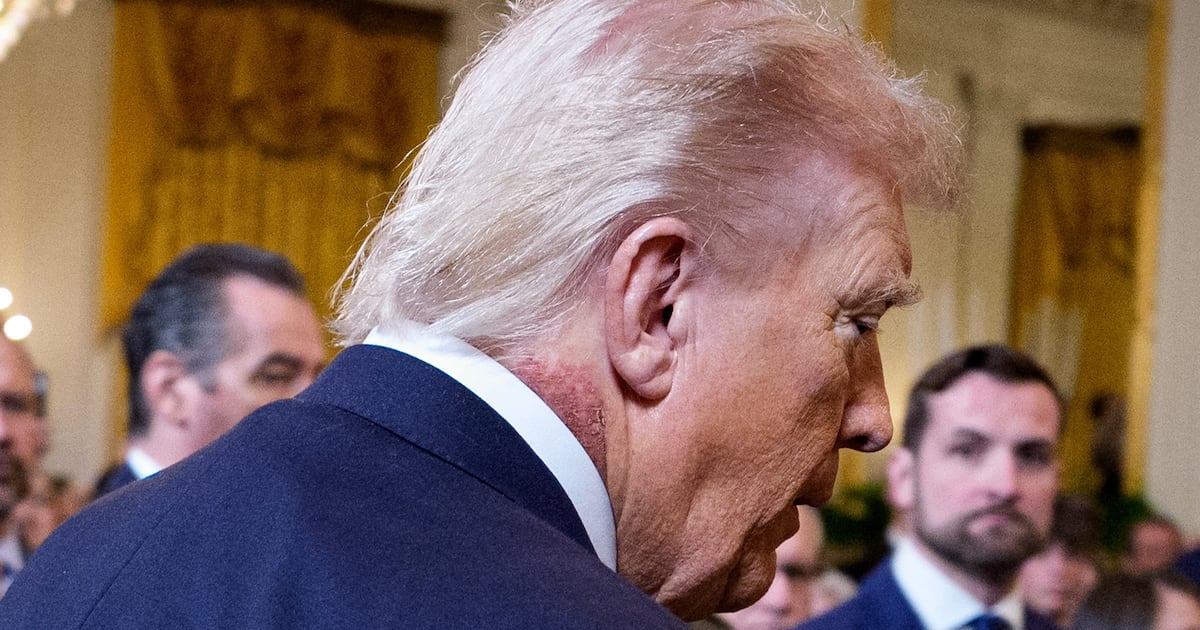
The statues were first seen on Sunday night when Trump got off Marine One and walked over to see the new fixtures in the Rose Garden. “Unbelievable statues. You’ll see. Come and look at them,” he said to reporters and photographers.
He refused to answer questions on Iran as he stared at one of the statues—which reporters and photographers all said was of Thomas Jefferson, presumably because they had been briefed by White House officials.

On Monday morning, a White House official told the Daily Beast the same claim: that the two statues were of Jefferson and the unmistakable Benjamin Franklin.
But 90 minutes later, the same official was in touch with a “clarification.” Thomas Jefferson was, in fact, Alexander Hamilton—meaning they had confused two of the Founding Fathers whose profound ideological opposition to each other is well known to anyone who has studied AP U.S. History.
The email making a “clarification” was sent by a White House official who has previously called a Daily Beast reporter a “glue-sniffer” and accused another of “swollen stupidity.”
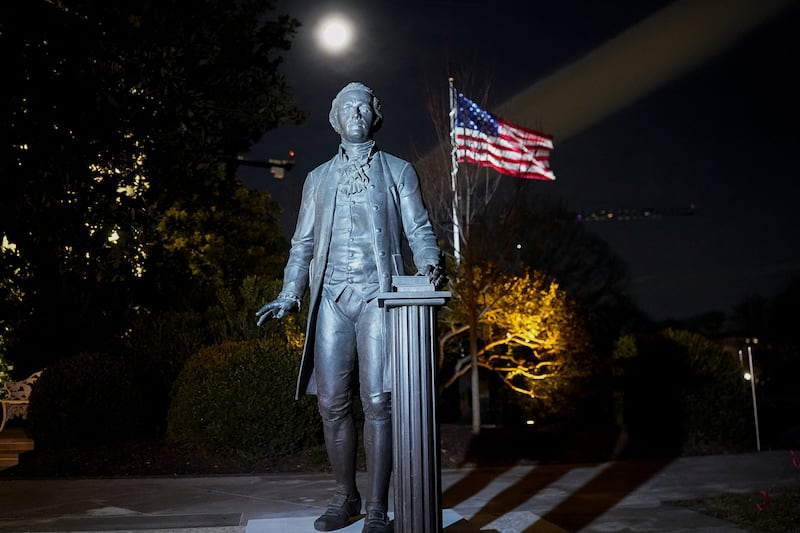
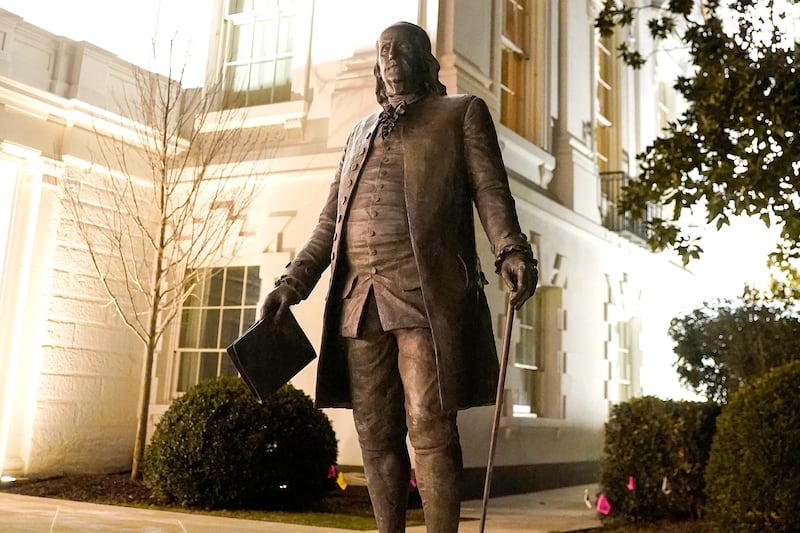
The official added that the statues were “on loan to the White House for display from generous private American patriots.” The Daily Beast has asked the White House to name the donors.
The Beast was not the only news organization that received a “clarification.”
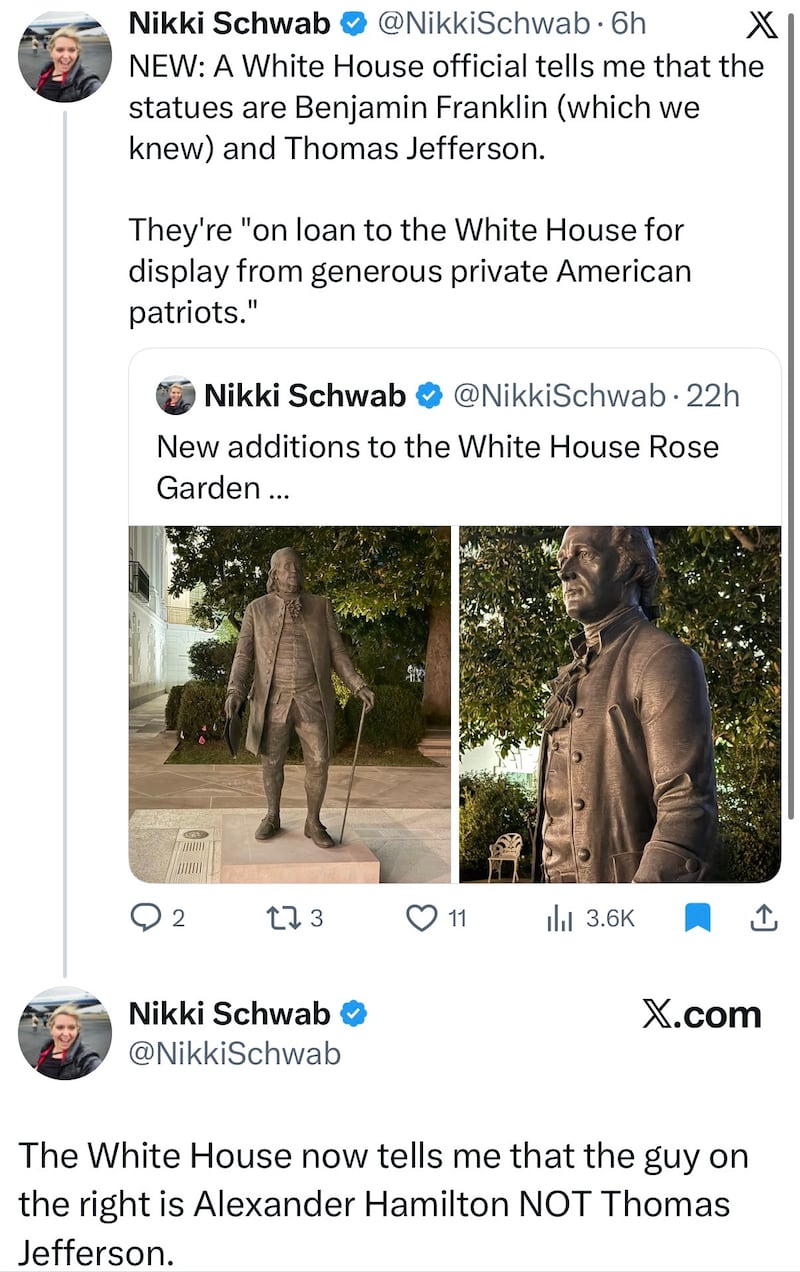
Daily Mail correspondent Nikki Schwab reported receiving a similar update from the White House.
“The White House now tells me that the guy on the right is Alexander Hamilton NOT Thomas Jefferson,” Schwab wrote in a post on X.

How Jefferson and Hamilton were confused was unclear. The two were not just ideological rivals; contemporary images of them are hardly identical.
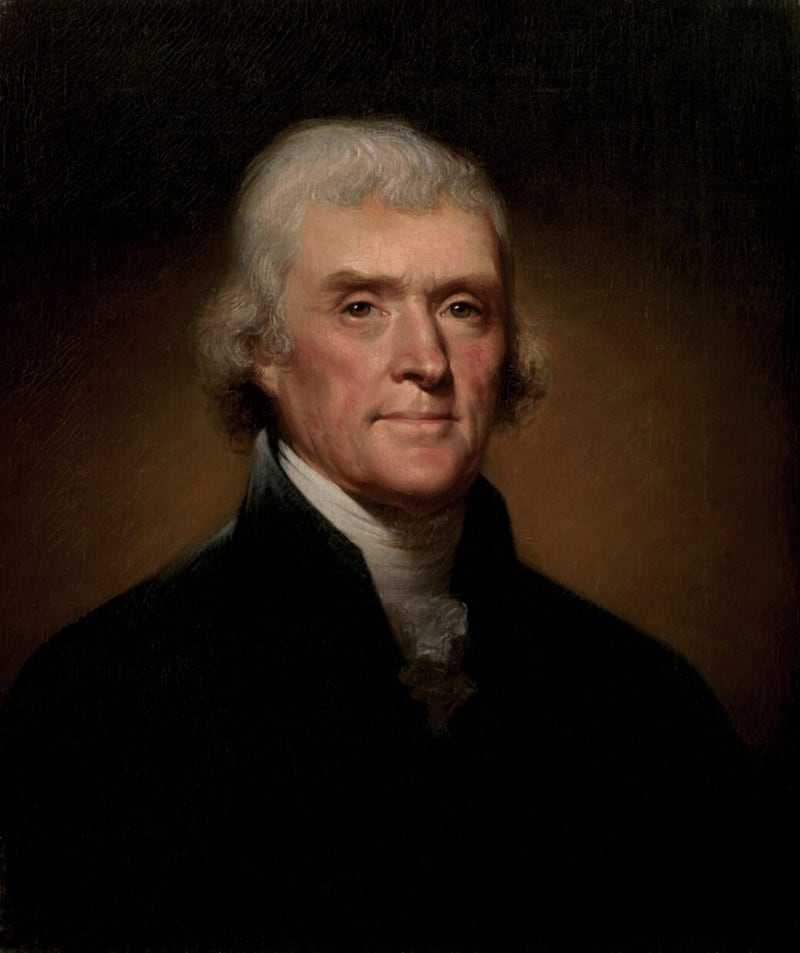
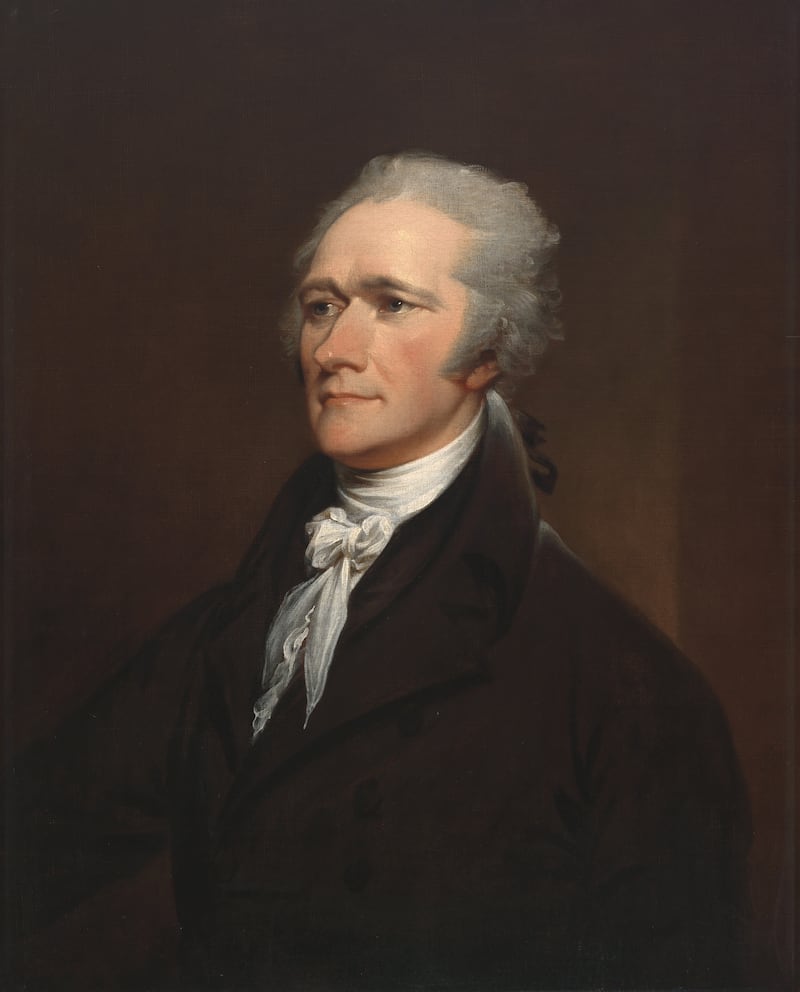
Jefferson, the third president, played a considerable role in the White House’s design, working in tandem with architect Benjamin Henry Latrobe to plan out the building’s north and south porticoes.
Hamilton, who resigned from his post as the Secretary of the Treasury under President George Washington in 1795, never set foot inside the White House. It was completed and occupied during John Adams’s presidency in 1800.
Jefferson was a staunch advocate of a decentralized government characterized by states’ rights and reliance on an agrarian slave economy, whereas Hamilton supported a strong federal government with a national bank, built on a manufacturing-based economy.
The statues are the latest addition to the White House by Trump, who has flattened the East Wing, and added gold and gilt throughout the remainder of the People’s House, which was, ironically, shaped by Jefferson when he was the third president.
Among Trump’s most high-profile moves have been covering the Rose Garden’s lawns in paving to make it the “Rose Garden Club,” to the fury of admirers of Jacqueline Kennedy, who had laid it out when she was first lady.
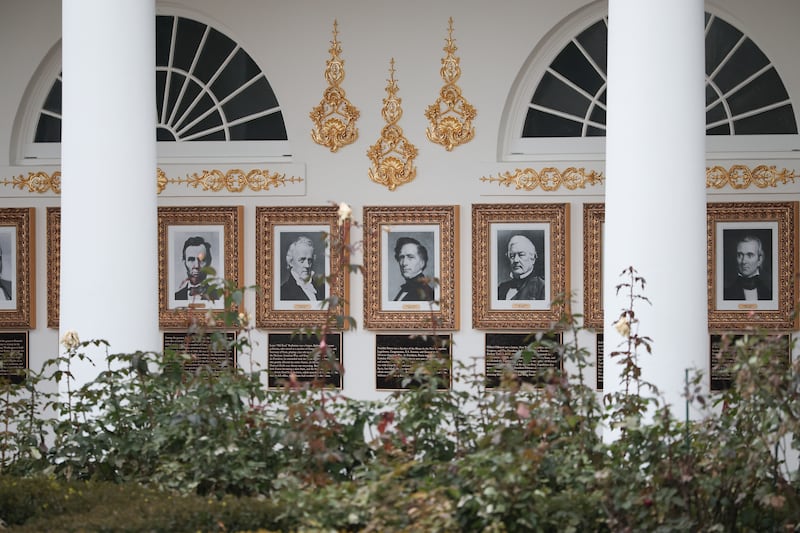
In sight of the statues is the portico linking the executive residence to the Oval Office, which Trump has turned into a tacky “presidential walk of fame,” complete with a crude troll of his predecessor Joe Biden, and derogatory captions under images of previous presidents, particularly Barack Obama.
What Hamilton or Franklin would make of Trump using their statues to dodge questions about Iran is open to question. Hamilton founded the New York Post, now Trump’s favorite paper, while Franklin was a printer who fiercely advocated for free speech. Jefferson’s view is easier to work out from one of his most famous sayings. “Were it left to me to decide whether we should have a government without newspapers or newspapers without a government, I should not hesitate a moment to prefer the latter.”
The Daily Beast reached out to the White House for comment.