Scouted selects products independently. If you purchase something from our posts, we may earn a small commission.
I’ll admit it: despite being a self-professed lymphatic health enthusiast for several years now, I knew next to nothing about fasciology until earlier this year. When I started hearing about the laundry list of benefits that fascia care allegedly offered on TikTok, my interest (and skepticism, of course) was piqued. In May, I spoke with fascia guru, FasciaBlaster inventor, and bestselling author Ashley Black to understand what, exactly, this fast-rising tissue modality claims to do—and why so many people swear by it.
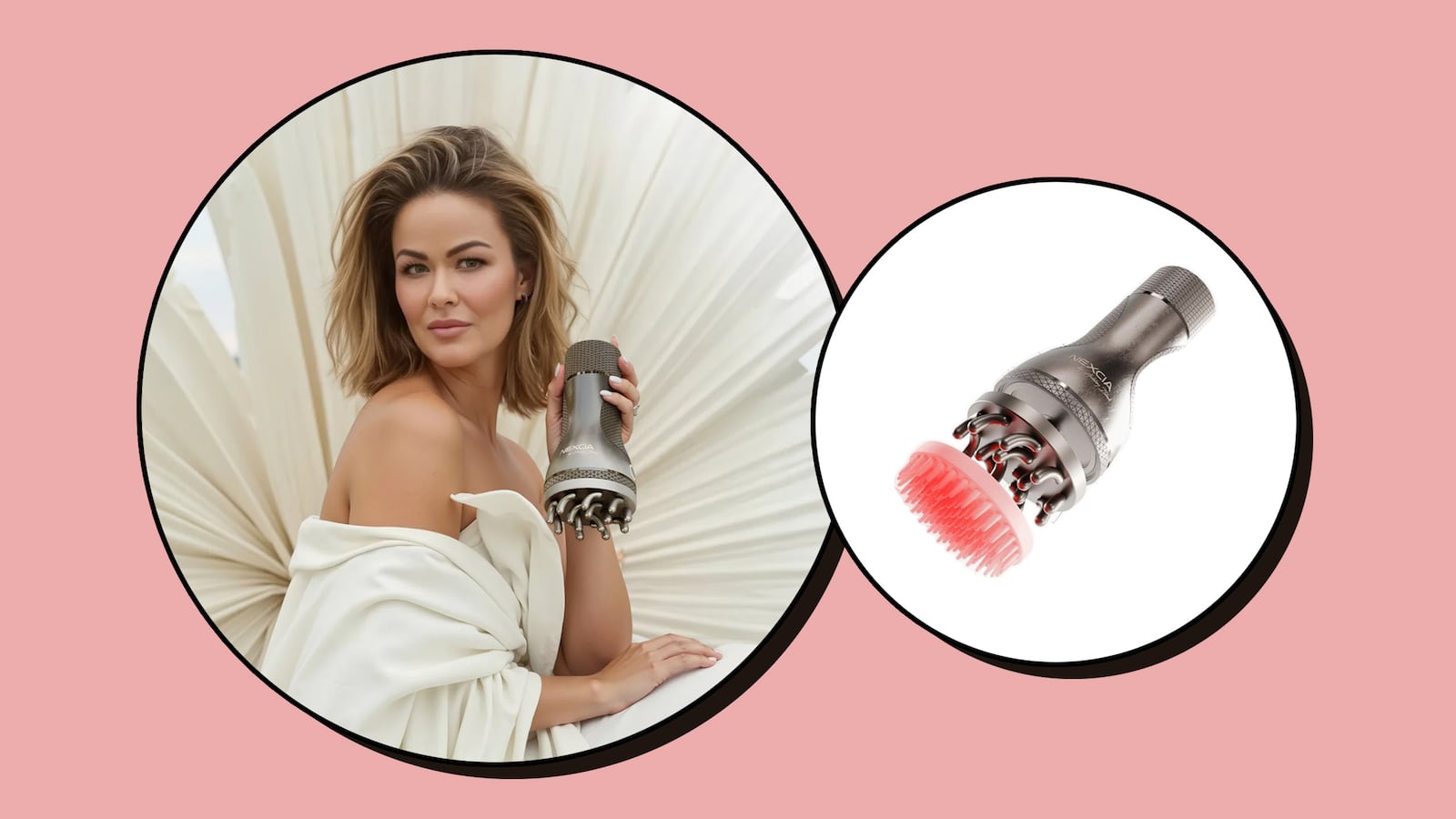
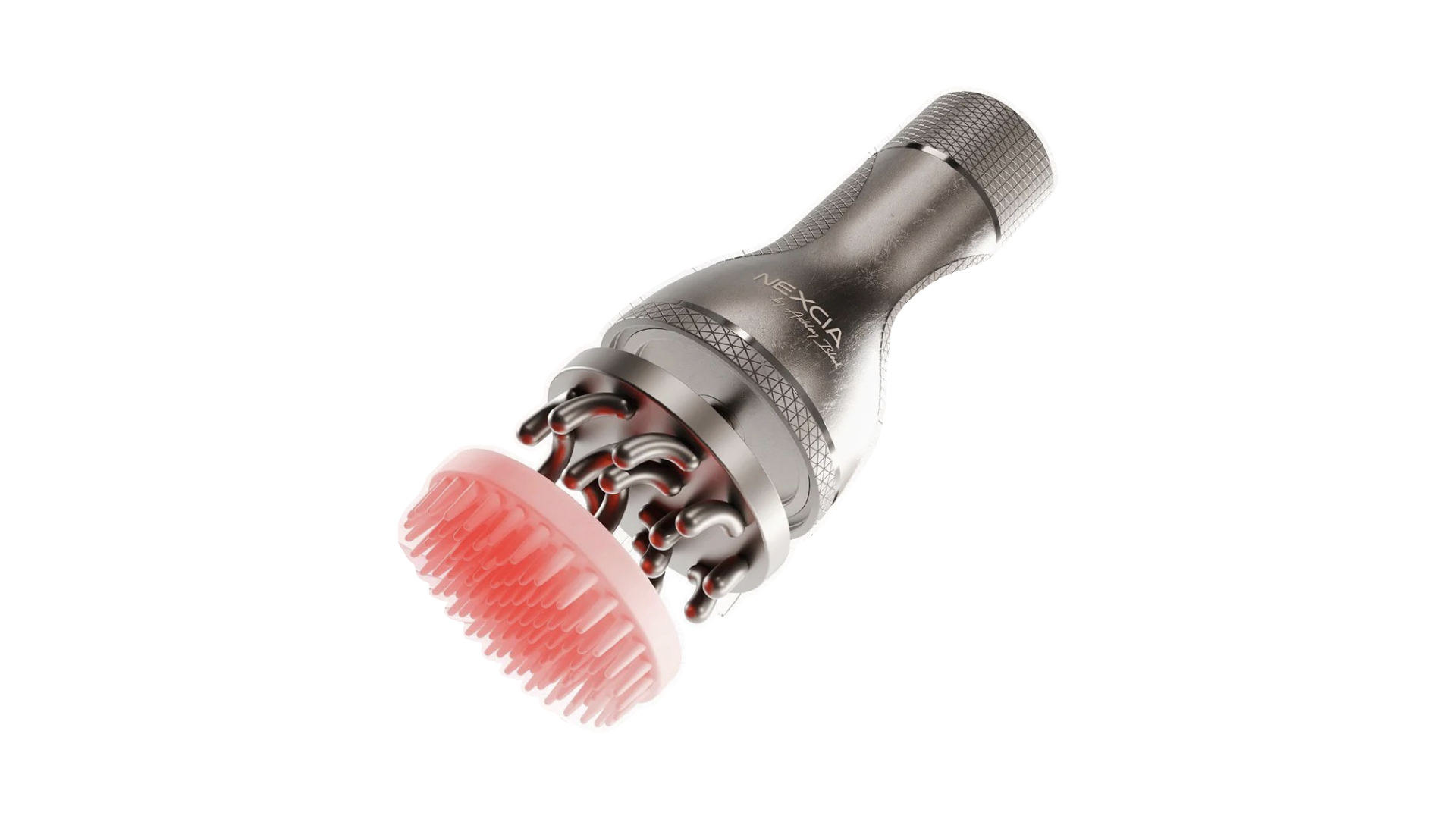
Then in November, I experienced a fascia massage from Black herself and tested FasciaBlaster’s newest tool, Nexcia, which she calls a game-changer. (For the record, I agree—my skin looked smoother, more taut, and, to my surprise, more supple than it ever does after just five minutes—and yes, I have the before and afters to prove it.)
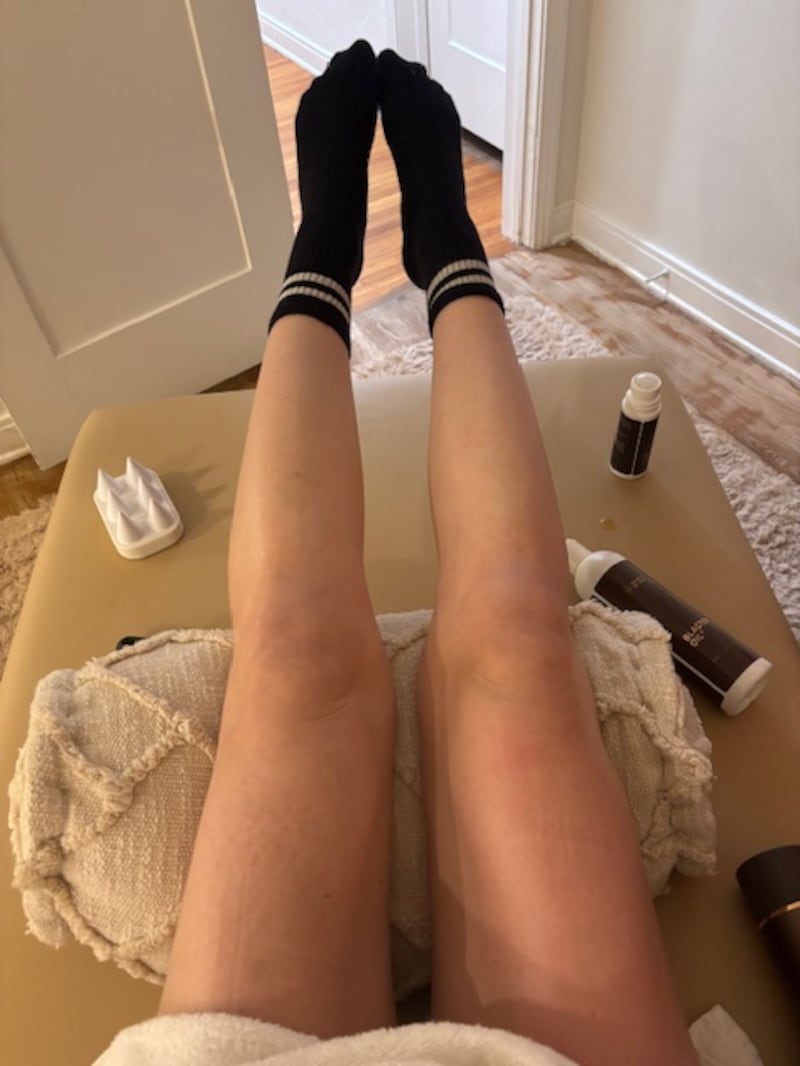
Curious and cautiously intrigued, I tapped Black herself to learn how fasciology may support lymphatic drainage, potentially influence cellular aging, and—because I would be lying if I said this didn’t matter to me—what it can do for cellulite and water retention.
What exactly is fascia?
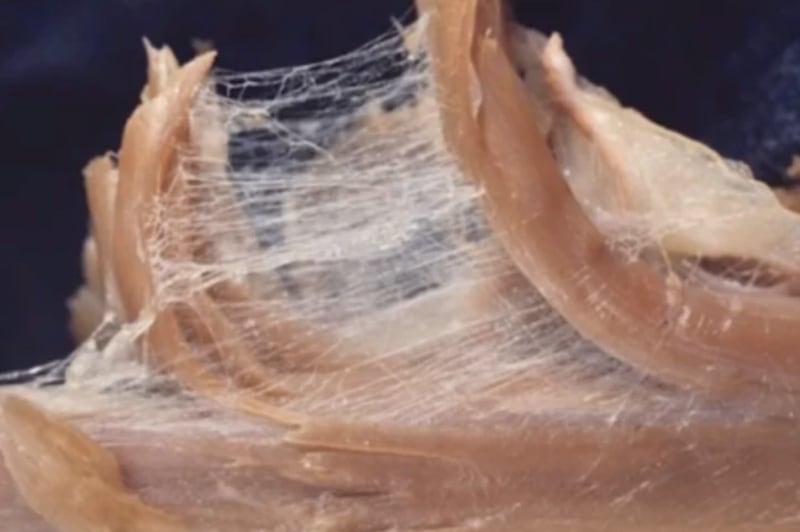
Put simply, fascia is a web-like connective tissue made of collagen that wraps muscle fibers and helps hold organs in place. It runs throughout the body, supporting muscles, bones, nerves, and organs alike. Black, however, argues its role goes far beyond basic structure. “Fascia is the electricity system of the body that powers our cells and delivers nutrients and oxygen,” she explains. “It directly impacts every nook and cranny of the body, and we are just beginning to get a glimpse at the role of fascia in our overall health, beauty, and longevity.”
When fascia is healthy, it’s flexible and resilient. But dehydration, stress, injury, tension, and long hours sitting can cause it to become sticky and hardened—potentially contributing to reduced mobility, soreness, disrupted lymphatic flow, and pain. Black often compares fascia to tangled hair. When we have knots in our tresses, brushing and detangling are the only ways to prevent pain and breakage. “I describe myofascial tissue as muscles with hair-like fibers inside them,” she says. “Just like we can get knots or tangles in our hair, we can get knots and tangles in our myofascial tissue. When we roll or massage at the surface, it’s like using the back side of the brush.”
How fascia fits into lymphatic health
Fascia supports every organ in the body, including the lymphatic vessels that help shuttle waste and immune cells out of tissues. Lymph vessels run through fascial layers, and everyday muscle movement (contraction and release) helps compress those vessels and move fluid toward lymph nodes.
When fascia becomes stiff or tangled, that movement can slow, leading to sluggish lymphatic flow, which many practitioners believe contributes to swelling, water retention, bloating, stiffness, and overall discomfort.
What is Fascia Blasting?
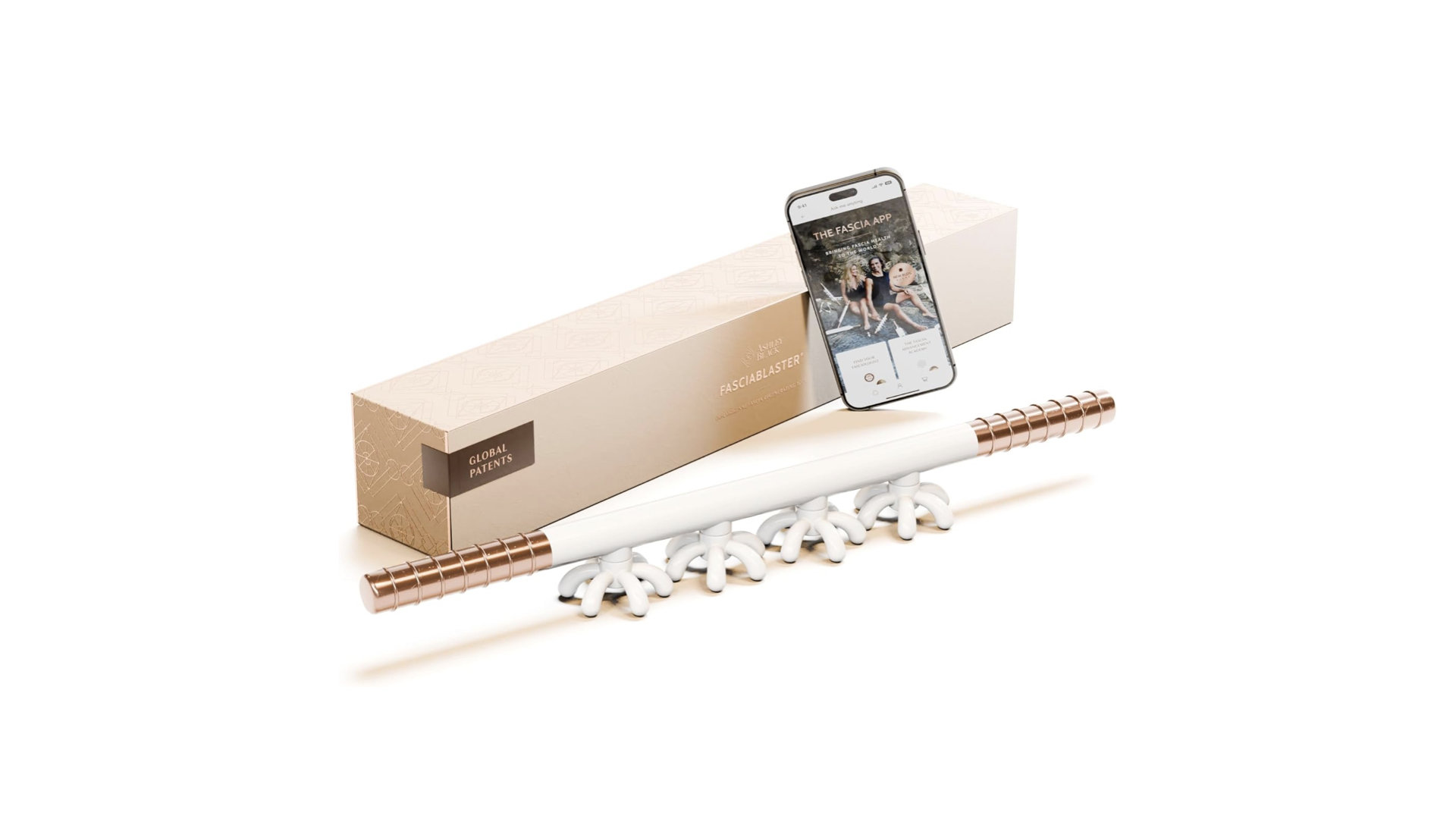
Black’s answer is Fascia Blasting, her proprietary method of fascia manipulation that uses claw-like tools designed to reach deeper tissue layers. Unlike the basic foam rollers and sculpting tools crowding social media feeds, she says most surface tools don’t actually address fascia at all. “My personal opinion is that rollers and surface fascia work are ineffective for treating fascia,” she says. Her FasciaBlaster tools are designed to penetrate more deeply, helping break up adhesions and return the fascia to a more fluid state.
“Our ‘claim to fame’ is that we return the fascia tissue to a native state. The results of Fascia Blasting are similar to stem cells, like a reverse-aging effect on soft tissue,” she says. “Fascia Blasting works by rubbing on bare skin with oil, and allowing the ‘claws’ of the FasciaBlaster to penetrate deep into the myofascial tissue. The mechanisms of load, stretch, and shear excite the FibroBlasts and FasciaCytes to cause the effect of fascia remodeling.”
TL;DR: The goal is to soften and reorganize hardened collagen fibers so tissue can function more normally.

What are the benefits?
According to Black, the most commonly reported benefits include increased range of motion, reduced stiffness, improved lymphatic flow, tighter-looking skin, better flexibility, pain relief, and more visible muscle definition. She also says she’s heard from patients and practitioners using the tools “to calm the nervous system and release trauma.”
Cellulite is another major draw. Because fascia helps shape the tissue beneath the skin, boosts circulation, and promotes lymphatic movement, fascial work has become closely linked to smoothing dimples. “Fascia Blasting not only reduces the look of cellulite, but it can eradicate it with regular use,” she says. “This is not only proven by hundreds of thousands of real users’ results, but we have also proved this in peer-reviewed and published science.”
How to try it at home (without bruising)
For anyone tempted to go full throttle, Black advises practicing restraint. The goal isn’t pain—it’s flow. Take it from me—the first time I tried Fascia Blasting at home, I went all in with force and was left with a huge bruise on my forearm. This, of course, was a user error and by no means a flaw of the technique or tools.
“What I tell our users is that ‘we don’t force, we follow,’” she says. “What I mean by this is to use the tools vigorously, but light and briskly. As the fascia begins to loosen, follow the depth with the tools. Slow and steady wins the race. Fascia Blasting is a lifestyle choice, just like brushing your hair or teeth.” For those ready to commit, The Fascia app offers tutorials and routines. After all, as with most wellness habits, consistency may matter more than intensity.