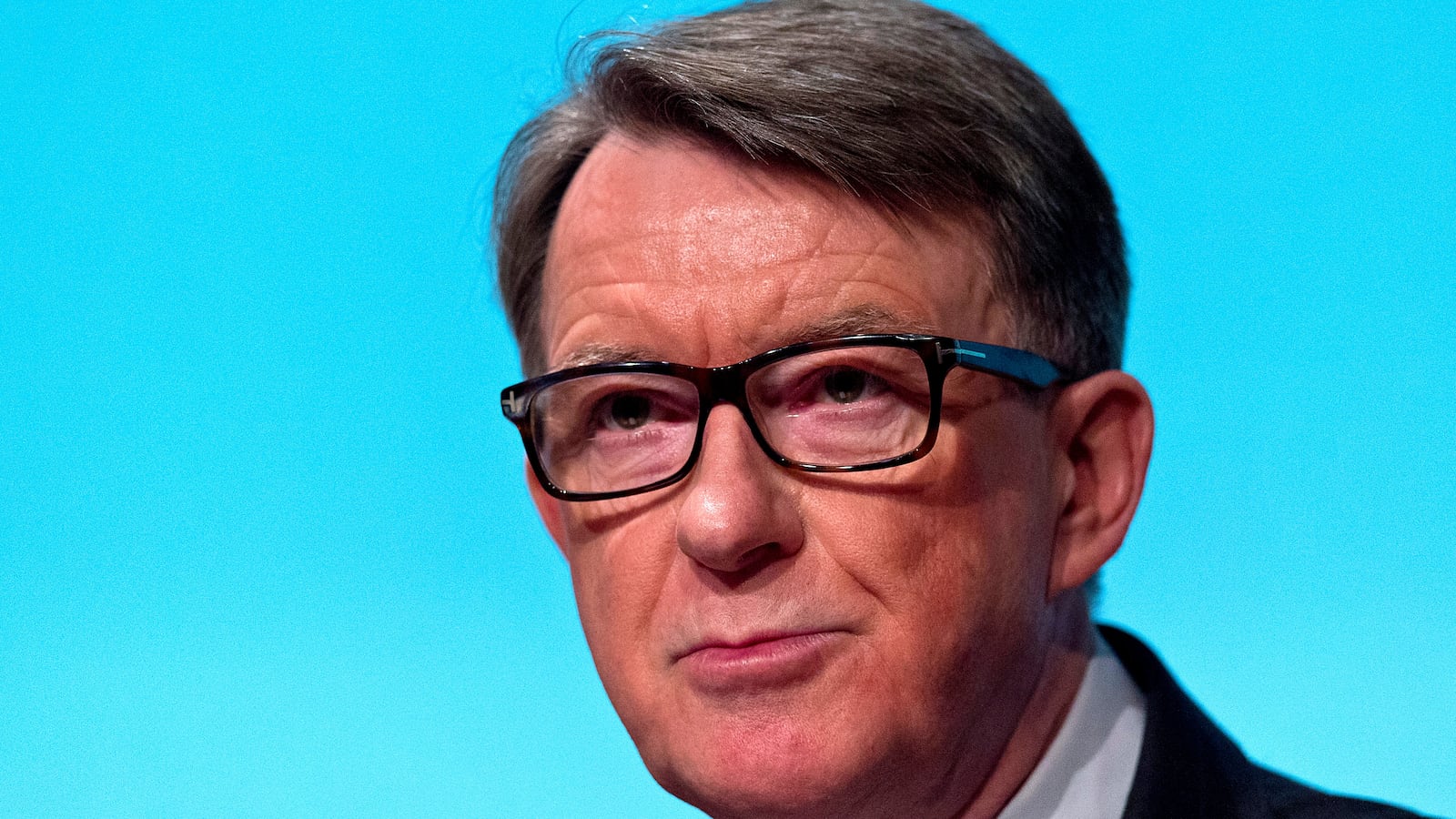
The newly minted British ambassador to the U.S. seems like a risky choice for the second iteration of Donald Trump’s White House.
Peter Mandelson—who officially stepped into the role earlier this week—earned the moniker “prince of darkness” for the ruthlessness and savvy he displayed as Tony Blair’s spin-doctor director of communications in the 1980s.
Despite being a perennially influential force in Britain’s Labour Party, Mandelson has lived many political lives—and experienced many deaths.
In a career mired by controversy and high-profile fallings out, the now-71-year-old has been an MP in the House of Commons, a Cabinet minister, a European Commissioner, and a corporate lobbyist.
He has also faced scandals: an undisclosed loan from a wealthy Parliament member, using his influence to secure a British passport for an Indian billionaire, close ties to disgraced financier Jeffrey Epstein.
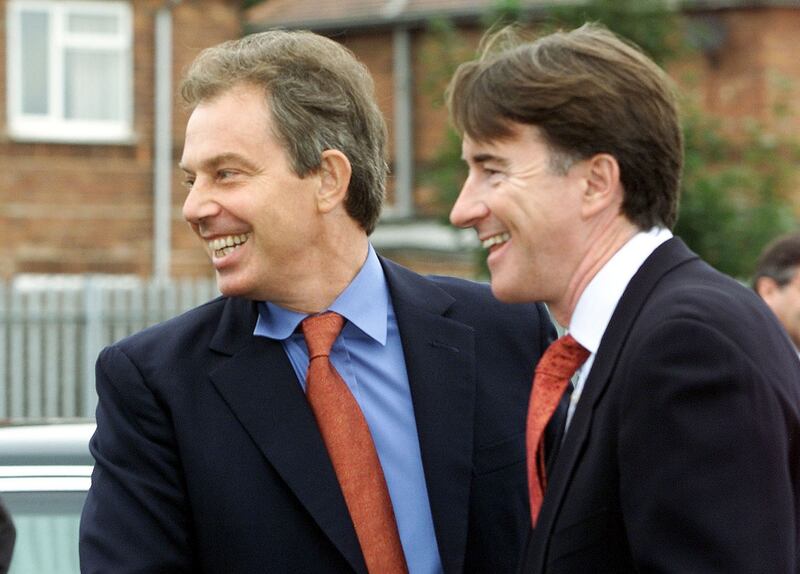
Now, he’ll be taking a up residency in the British embassy in Washington, D.C., within spitting distance of the White House.
Mandelson strikes a sharp ideological contrast to the current MAGA platform. He is liberal-minded—an anti-Brexit proponent of free trade, especially with China, who Trump just slammed with tariffs.
He has also been an outspoken critic of Trump in the past, previously calling him a “bully” and “danger to the world.”
Since being announced as ambassador in December, however, he has walked back that criticism. He said it was “ill-judged and wrong.”
Nevertheless, Trump aide Chris LaCivita called Mandelson an “absolute moron” who should “stay home” after he was named ambassador.
All this would seem to make for an uphill battle as Mandelson vies to win over the president and his team. It also begs the question: Why was he Prime Minister Keir Starmer’s pick for the key diplomatic role when safer options existed?
Obstacles acknowledged, an article in Foreign Policy last week argued that “a man as vain and unpredictable as U.S. President Donald Trump might end up getting along with a man that used to be called the ‘prince of darkness.‘”
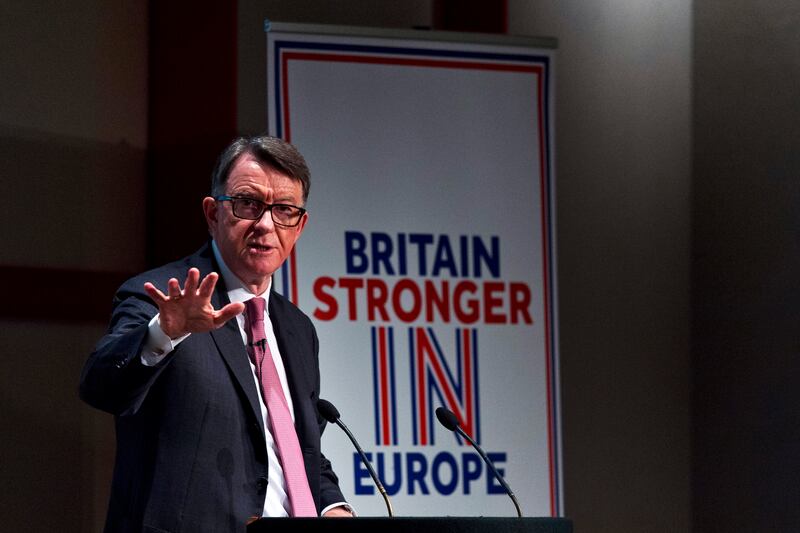
“Mandelson cleaves toward the powerful,” wrote British political analyst John Kampfner. “He is not alone in doing that, but he makes it an art form. He flatters those he deems important and puts down those he deems are not. His abiding principle is to ensure that he is always at the top table.”
Sure enough, Mandelson’s flattery toward Trump is already in full swing.
In a Fox News appearance last month, he said, “I think people have been impressed not just by the extraordinary second mandate that he has received from the American people, but the dynamism and energy with which he approached not just the campaign but government, as well.”
On Monday, the same day he officially took over the role, he told the BBC, “We have to respect and understand what drives him, what his mandate is to do, and how his allies need to adjust sometimes.”
Only time will tell, though, if the “prince” is able to win Trump’s ear—and fortify an allyship between the two western powers.