A few years ago, I left behind the comfort and security of my life in Australia–where politics can be brutal but rarely bloody–to chase something bigger in Washington: the messy, electrifying center of global power, where journalism feels urgent, and democracy feels alive.
And there I was on Saturday night, at the White House Correspondents’ dinner, hiding under a table as gunshots rang out.
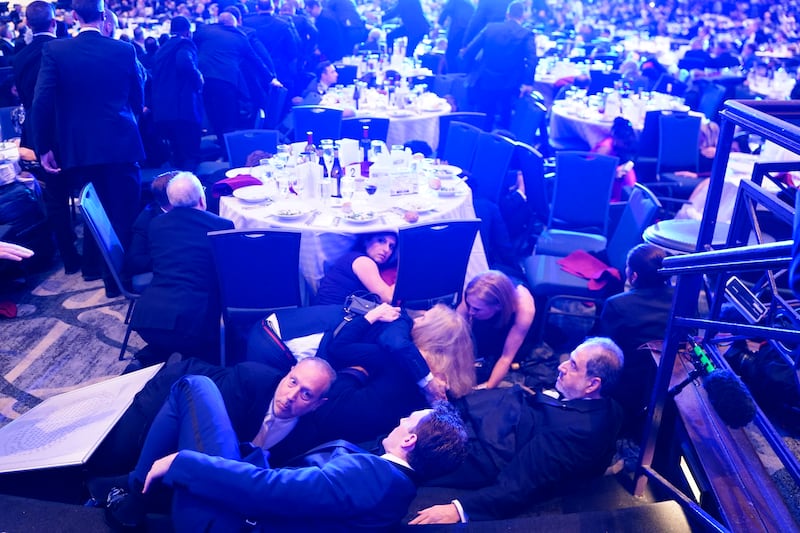
As I peeked over my chair to start recording on my phone, three things raced through my mind. One: Where’s the shooter? Two: Am I about to get my head blown off? And three: America, I love you ... but this is not normal.
Except increasingly, it is.
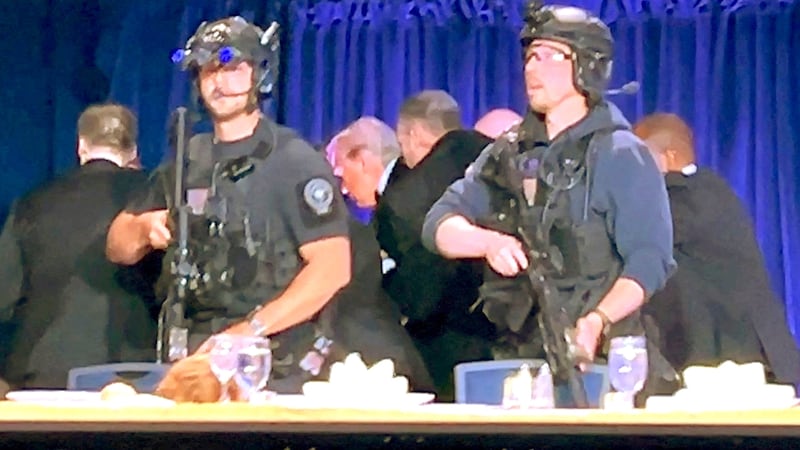
The chaos was immediate and surreal. Plates scraping. Chairs falling. Secret Service agents flooding the room, rifles drawn, getting the president and the first lady to safety. And a few meters away: a gunman intent on reaching the Hilton ballroom to inflict mass carnage, taken down before he could get inside.
One agent was hit, saved by a bulletproof vest, but it could have been so much worse. That’s become the bar in America: not “safe” but “not as catastrophic as it might’ve been.”
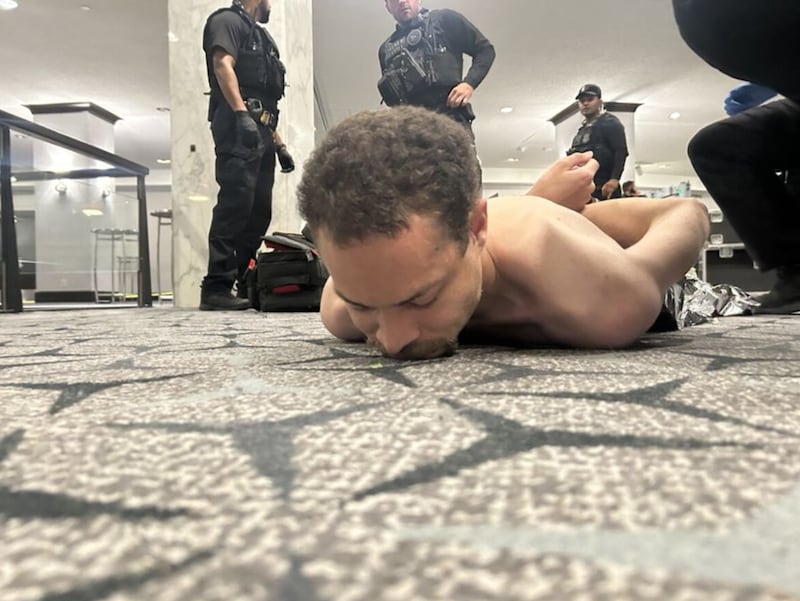
And then, almost as quickly as it began, the machinery kicked in. Statements. Spin. Sides. Because that’s the other thing that happens here now, almost as reflexively as people diving under tables: the blame game begins before the dust settles.
Pick your lane. If the shooter’s manifesto leans one way, it’s proof of that side’s moral rot. If it leans another, same deal. Everybody becomes a pundit; no one becomes part of a solution.

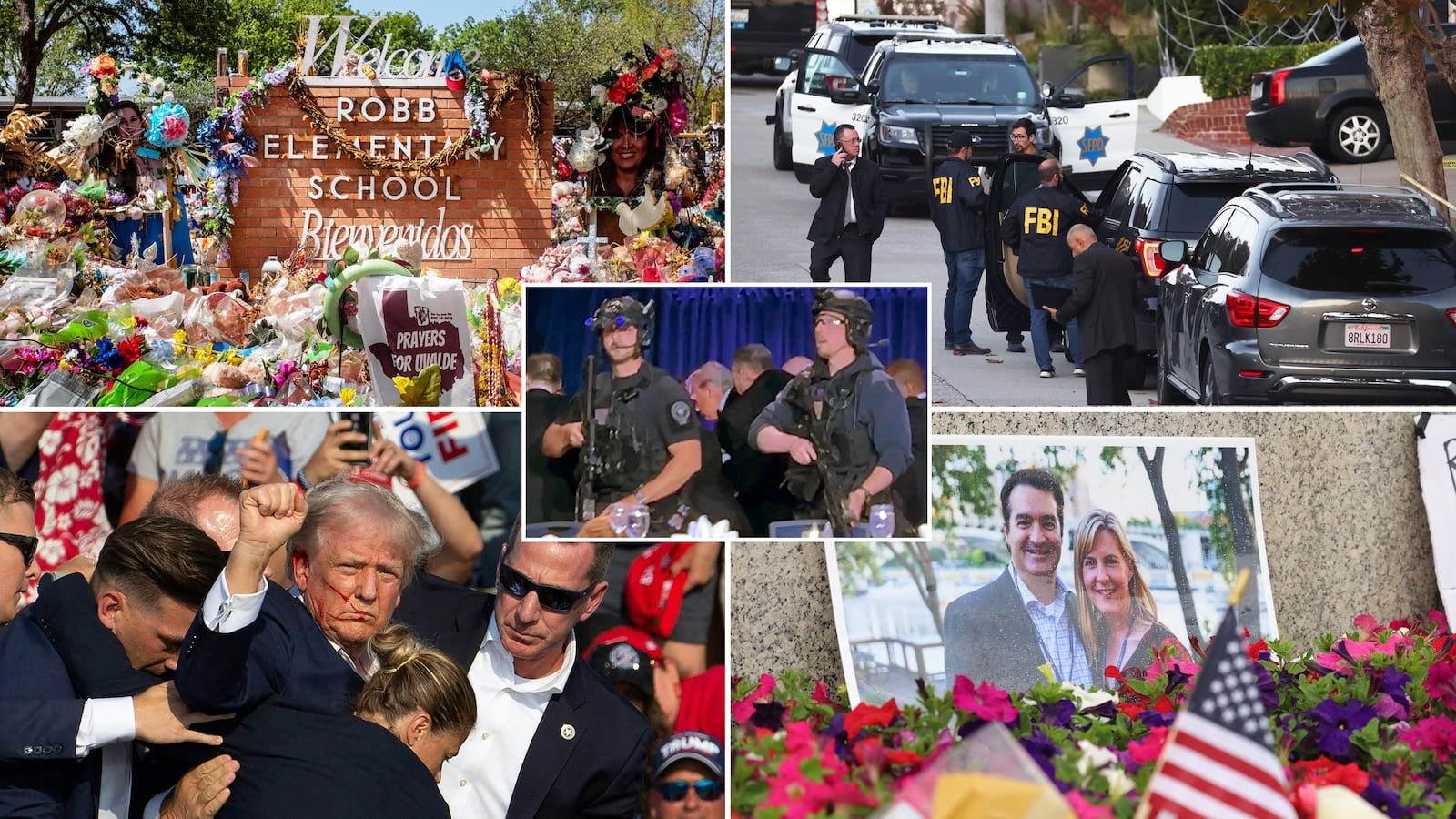
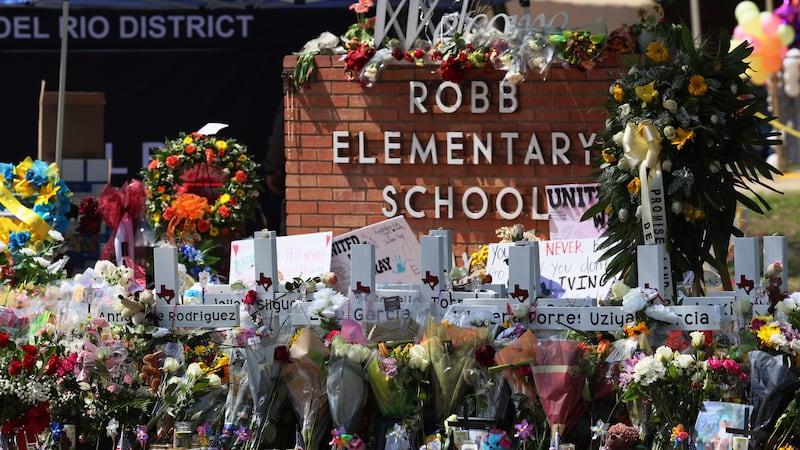
Whether it’s a mass shooting at an elementary school in Uvalde or the killing of a right-wing activist in Utah, the victims are reduced to talking points before the adrenaline has even worn off.
Trump struck a notably restrained tone in the aftermath, calling for the nation to unite.
“We have to resolve our differences,” he told reporters who had raced to the White House still dressed in their evening gowns.
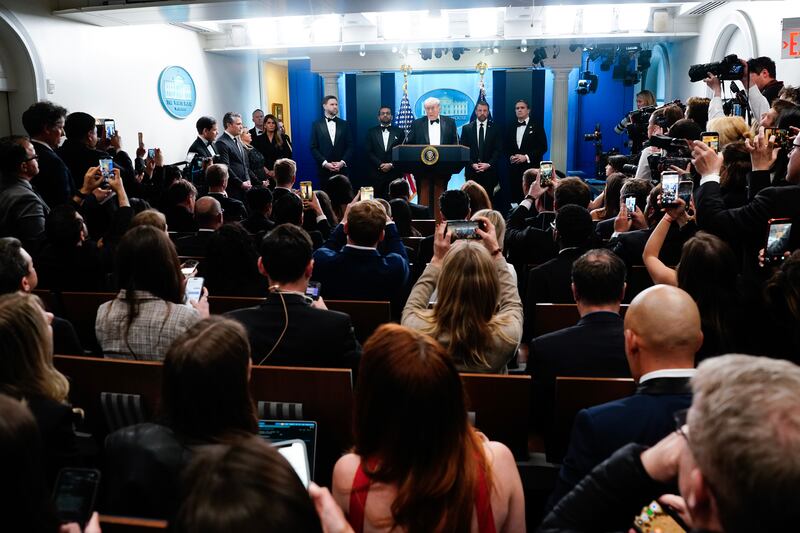
But within 24 hours, the president was lashing out at 60 Minutes host Norah O’Donnell for asking about the shooter’s manifesto, bristling at references to language apparently describing the president as a “rapist“ and a “pedophile.”
“You’re a disgrace,” he told her, turning her question into a familiar grievance about “the other side.”
The same gravitational pull towards division reasserted itself. It always does.
The shooting at this year’s White House Correspondents’ dinner wasn’t an aberration. It was a continuation.
House Speaker Nancy Pelosi‘s husband bludgeoned with a hammer in his own home. The killing of Charlie Kirk. Former Minnesota Democrat speaker Melissa Homan slain alongside her husband and her dog. Multiple assassination attempts against Trump himself.

Each time: shock and sadness, followed by outrage, followed by the same ritualized descent into partisan points scoring.
And each time, nothing changes.
That’s the hardest part to explain to people back home. Not the violence itself—as awful as it is—but the normalization of it.
The way a shooting at one of the most high-profile events in the country can almost be absorbed into the rhythm of the news cycle.
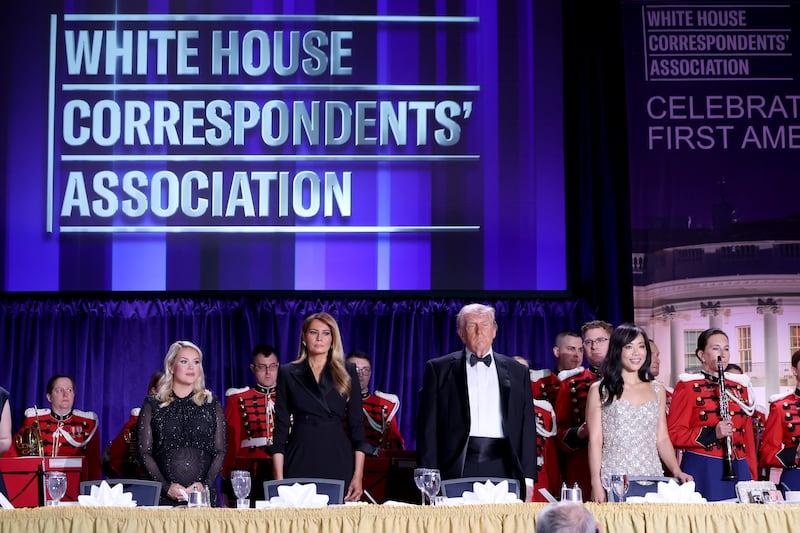
There was even talk, briefly, of continuing the dinner. Trump, ever the showman, is always searching for those made-for-TV moments.
There’s also a kind of American fatalism that has taken hold—a sense that this is simply the cost of doing politics here; that the combination of guns, grievance and spectacle is too deeply embedded to untangle. So instead, the country litigates each incident as a proxy war for everything else.
It’s easier than confronting the uncomfortable reality that political violence is no longer as shocking as it should be; it’s structural. Easier than admitting a system designed to amplify outrage might, eventually, produce people willing to act on it.
It’s easier that way—but it shouldn’t be.
I still love this country. That’s the inconvenient truth of it. I love the energy, the ambition, the promise it brings. But I’m also increasingly aware of the cost.
Friends back in Australia always message me after events like this—half joking, half serious–asking when I’m coming home to somewhere safer, saner, more stable.
This is my home now, I tell them.
But for the first time, crouched under that table on Saturday night, I understood the grim reality of what that means.