
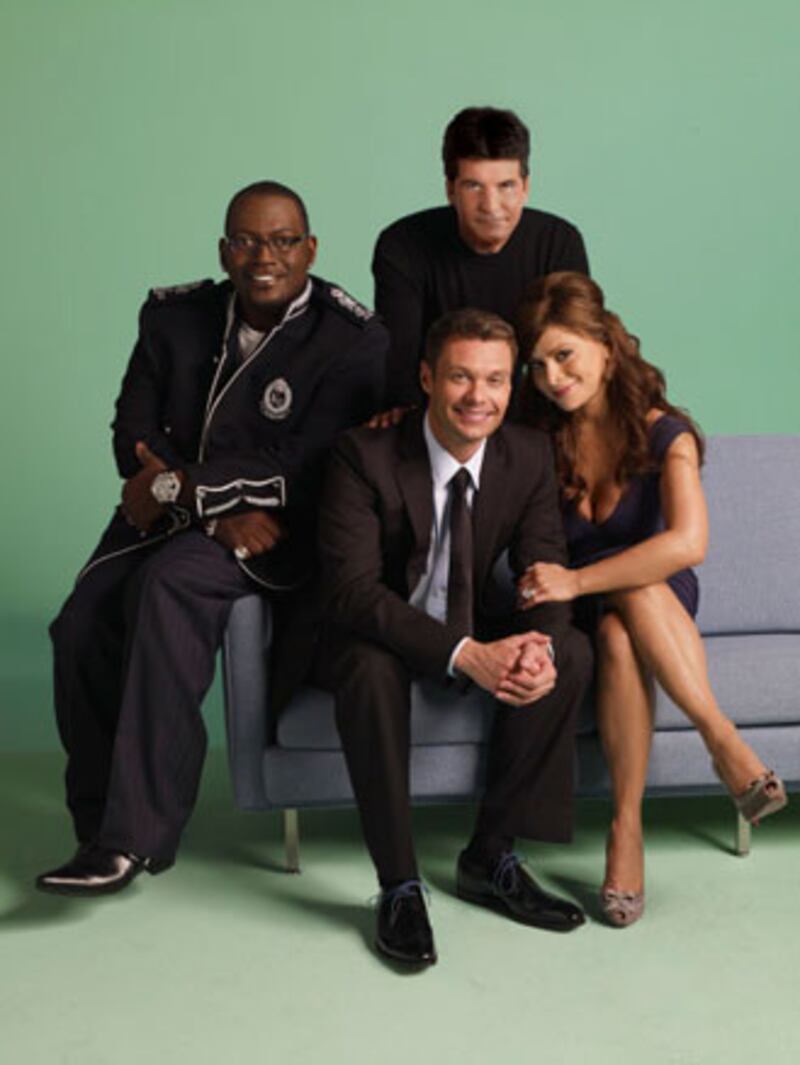
What started out as a sleepy summertime U.S. adaptation of a British format (remember Ryan Seacrest’s co-host, Bryan Dunkleman?) quickly exploded into an international phenomenon, launching the musical careers of Kelly Clarkson, Jennifer Hudson, Carrie Underwood, and many others—and making Simon Cowell a household name. American Idol now anchors Fox’s schedule for half its season, and has transformed the way that Americans interact with reality shows, giving viewers a massive stake in the outcome. The show’s three-judge format (including one mean British judge) was quickly copied by an interminable number of other reality formats and is now considered an industry standard (though Idol itself has subverted its own format by recently shifting to a four-person judging panel). The aspirational aspect of the show can be seen in America’s Next Top Model, The Biggest Loser, and So You Think You Can Dance. But Idol is the rare beast that combines a true talent incubator with a crowd-pleasing elimination-style showdown, resulting in an unstoppable ratings juggernaut.
Sam Jones / FOX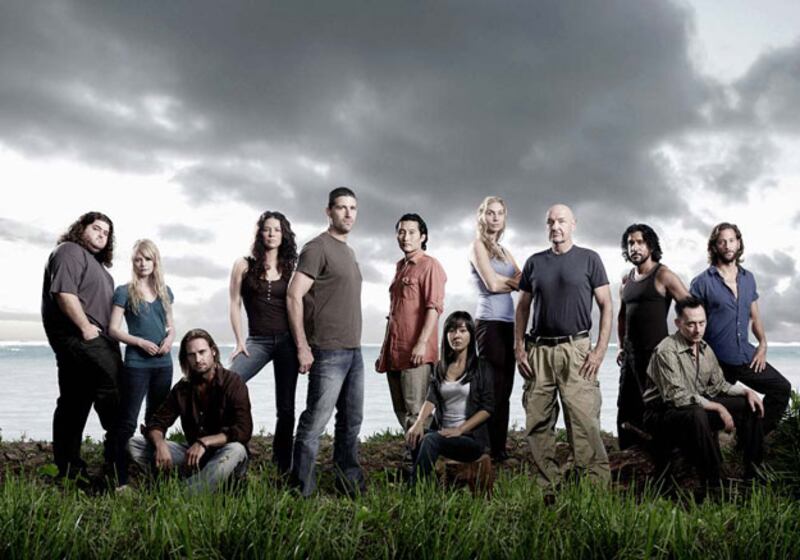
A plane crash on a (seemingly) deserted island. Polar bears. A metal hatch in the middle of nowhere. No one could have predicted that ABC’s drama Lost, created by J.J. Abrams, Damon Lindelof, and Jeffrey Lieber, would evolve into one of the most complicated serialized dramas ever to grace the small screen. Weaving in the backstories of the show’s sprawling ensemble cast via flashback, show runners Damon Lindelof and Carlton Cuse have crafted a genre-busting series that forces its viewers to actually think about what’s unfolding before them but has also spawned its own alternate universe, thanks to a series of immersive games, Web sites, DVDs, and podcasts. No other series has come close to approaching the complexity of Lost’s interlocking mysteries, though ABC has tried to replicate the formula with such shows as FlashForward, Daybreak, and The Nine, each of which has been hailed as the next Lost… only to crash and burn like Oceanic Flight 815.
Bob D'Amico / ABC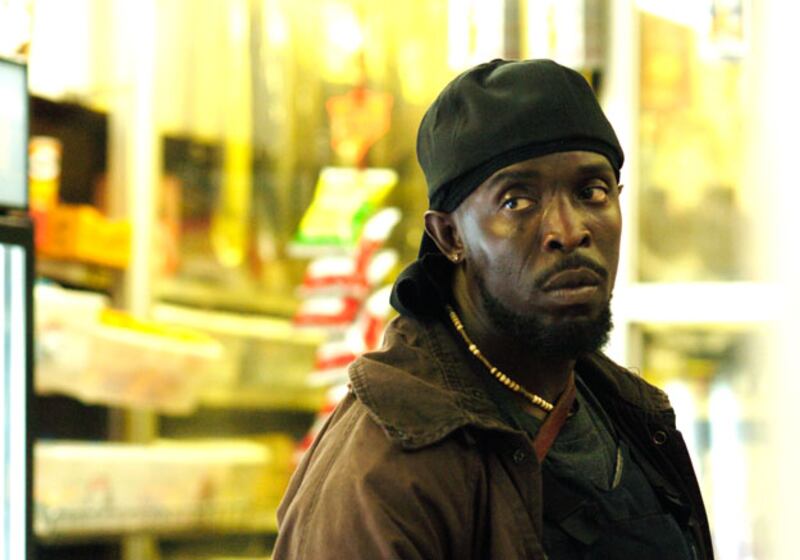
Call it a searing portrait of a city in a state of collapse or a vividly Dickensian portrayal of the different men and women—cops, drug dealers, street kids, teachers, journalists—struggling to survive as Baltimore comes crashing down around them. David Simon’s groundbreaking drama The Wire took the television medium and transformed into vehicle with which to tell overlapping stories of honor, betrayal, heartbreak, and horror, using it to investigate the drug trade, human trafficking, the flawed school system, the legalization of drugs, and the slow death of the media. With a shockingly realistic cast of characters, The Wire challenged viewers’ preconceptions about what television was capable of and the way with which modern storytellers could craft stories, not just about individuals, but about our institutions and society itself.
Nicole Rivelli / HBO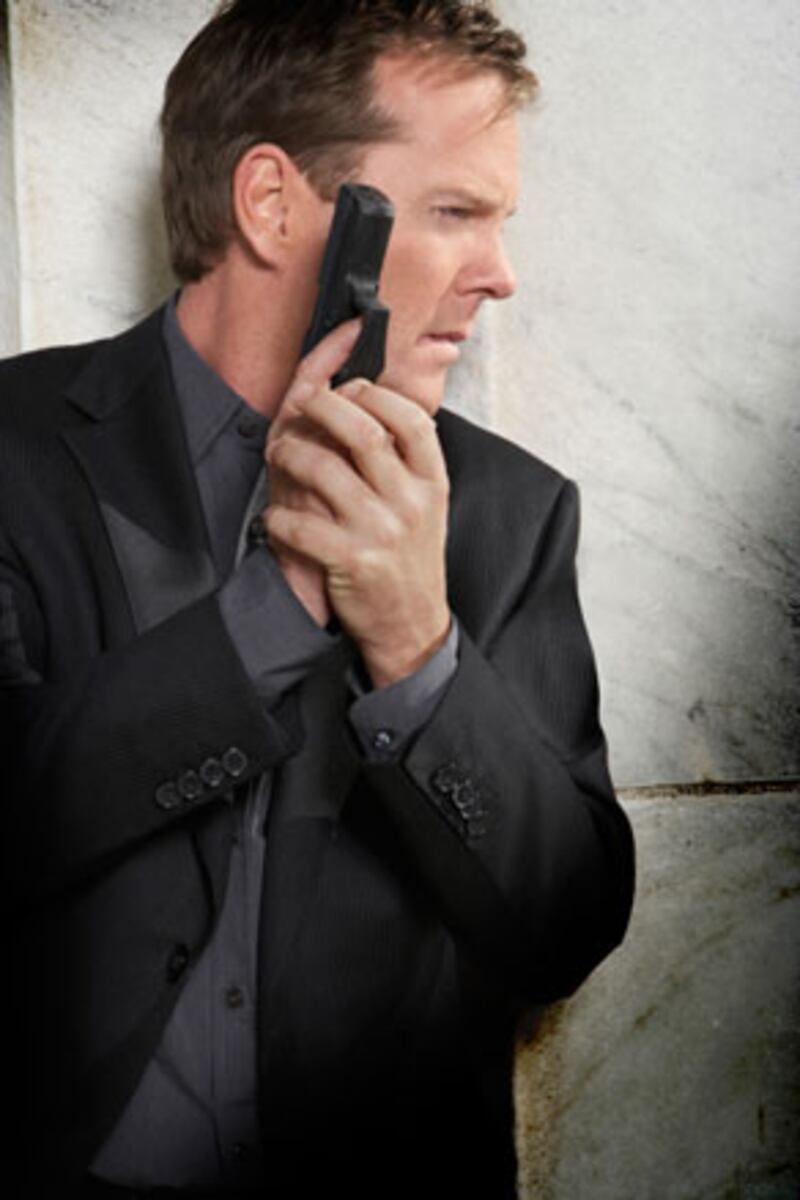
When 24 debuted less than two months after the 9/11 attacks, America was clearly looking for an action hero with a biblical sense of justice. What they got was Jack Bauer (Kiefer Sutherland), the grimly determined CTU agent willing to do whatever it took to take down a conspiracy and save the country from those who would do its citizens harm. The series’ then-unique use of real-time storytelling and split-screen visuals offered a very different take on the serialized drama, with each hour representing another tension-laden 60 minutes in Bauer’s hellishly complicated day. 24 hasn’t shied away from exploring the darker nature of the world today, tackling such subjects as terrorism, torture, and abuse of power. Oh, and cougars.
Michael Muller / FOX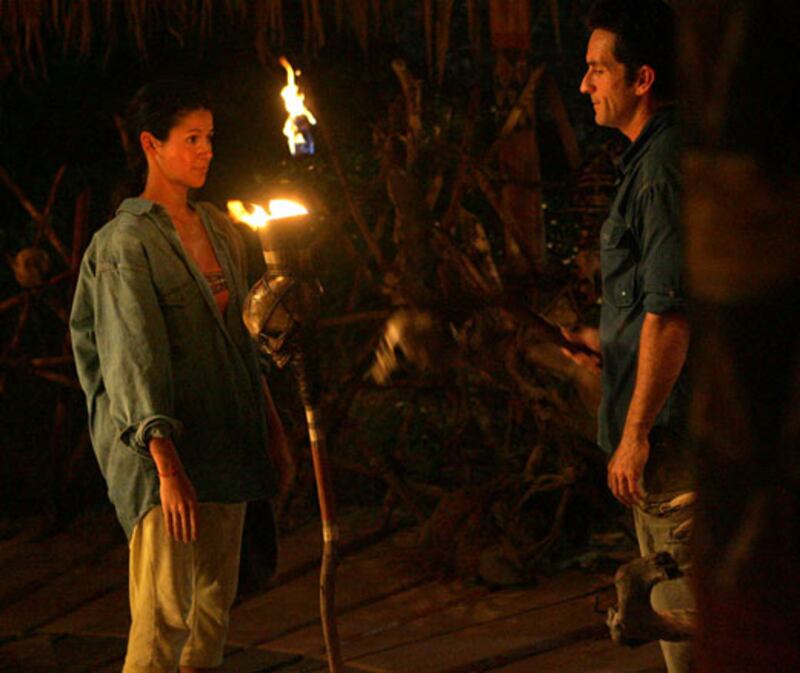
The tribe has spoken: Mark Burnett’s Survivor is the granddaddy of reality competition shows. The show, which smashed ratings records and ushered in an age where reality programming reigned supreme, pits contestants against one another and the elements, forcing the competitors to form alliances, stab each other in the back, eat all manner of nasty things, and attempt to outlast and outwit each other for a cool million dollars. In a sign of its dominance, CBS shifted Survivor from its initial summertime berth into a regular spot on the main schedule, forever altering the television landscape in the process as cutthroat competition-based series replaced game shows for viewers’ vicarious thrills. Shows like Fear Factor, NBC’s sensationalized answer to Survivor, and The Amazing Race, among others owe a huge debt to this Jeff Probst-hosted forerunner.
Monty Brinton / CBS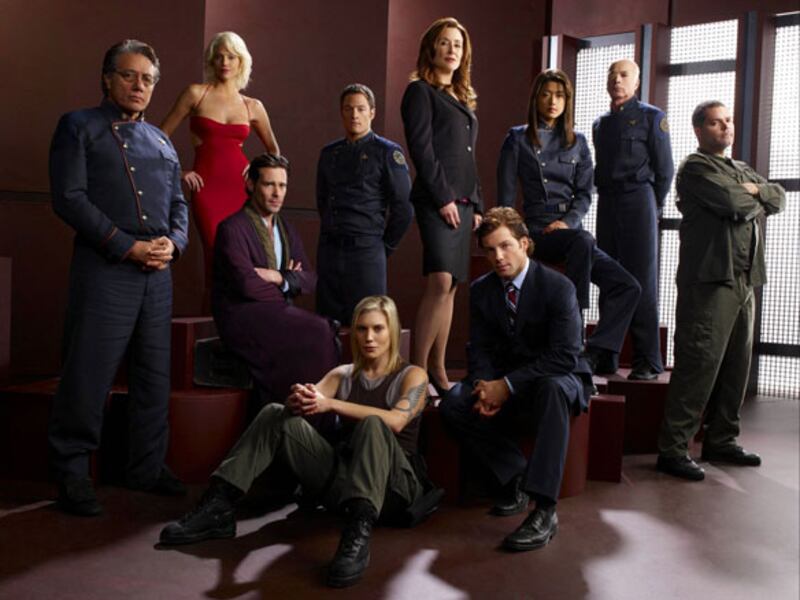
Sci-fi shows have the stigma of being pigeonholed into a genre category, but like all good speculative fiction, Ronald D. Moore and David Eick’s reimagining of cult series Battlestar Galactica ditched the camp in favor of a deeply nuanced and bleak post-9/11 metaphor, rendering the plight of the human race as they struggle to survive after being attacked by a faceless enemy all the more poignant and riveting. By holding up a dark mirror to our own society, the writers deftly explored such thorny issues as terrorism, the Iraq occupation, fundamentalism, technology, free will, xenophobia, wartime protocol, hubris, and what it means to truly be human. Its skillful and intelligent handling of these red-button issues led the show to present a session at the United Nations, perhaps a first for the actors and writers of a science-fiction show (or any genre), and helped sci-fi (and Syfy) gain mainstream acceptance.
Sci Fi Channel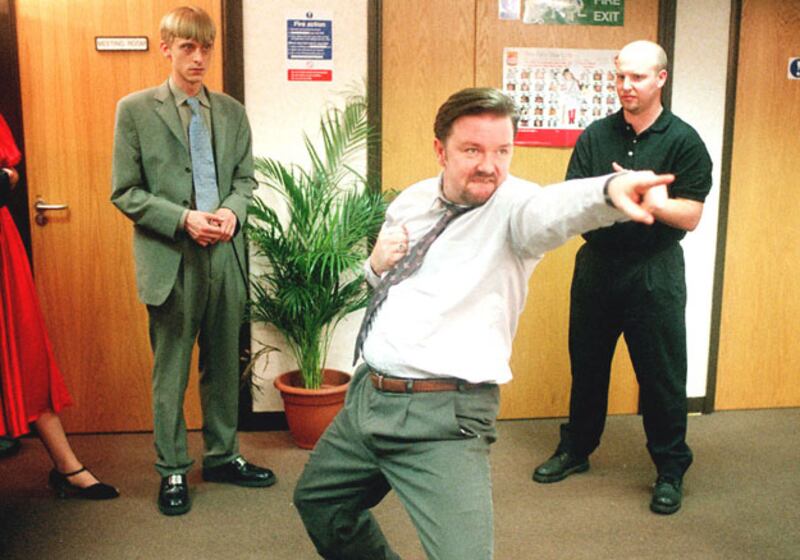
Created by Ricky Gervais and Stephen Merchant, British mockumentary The Office explored the soul-crushing drudgery of a group of paper-merchant employees in Swindon. Painting a painfully real portrait of millennium-era employment, the series mined its mundane environment for comedy, channeling our collective experiences of what it means to get through the day when faced with the boss from hell, David Brent (Gervais). Successfully adapted in numerous territories around the globe, The Office juggled humor, heart, and gasp-inducing (social) horror into its short run, delivering a comedy masterpiece in the process. Television is a better place after The Office and its effects (as well as that of followup Extras) are felt keenly, with Gervais now a superstar and smart, offbeat, and emotion-laced TV comedies the norm rather than the exception. Plus, its use of the documentary format led to fellow comedies like Modern Family, Parks and Recreation, and The Comeback to adopt the narrative style.
BBC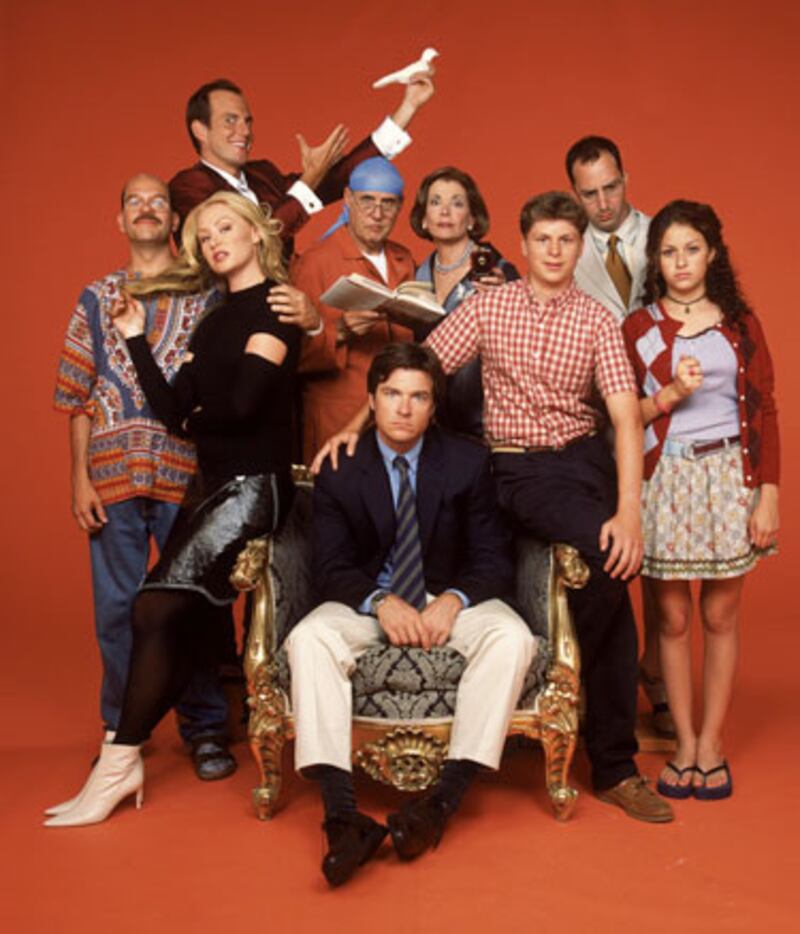
Arriving at precisely the same moment as the mainstream proliferation of DVR technology, Arrested Development seemed tailor-made for the timeshifting nature of TiVos and their generic siblings. Created by Mitch Hurwitz, Arrested Development followed the obliviously eccentric Bluth family of California's Orange County. Adopting The Office’s mockumentary format (with executive producer Ron Howard providing narration), Arrested Development took the form a step further, layering in hysterical catchphrases, recurring jokes about the Bush administration and the war in Iraq, non-sequiturs, and blink-and-you-miss-it sight gags. Arrested Development rewarded the eagle-eyed viewer able to pause and rewind each episode to catch each and every moment shoehorned into 20-odd minutes of television. Had it not been for this savvy, frozen banana-obsessed trailblazer, we wouldn’t today have such smartly self-aware comedies like 30 Rock.
FOX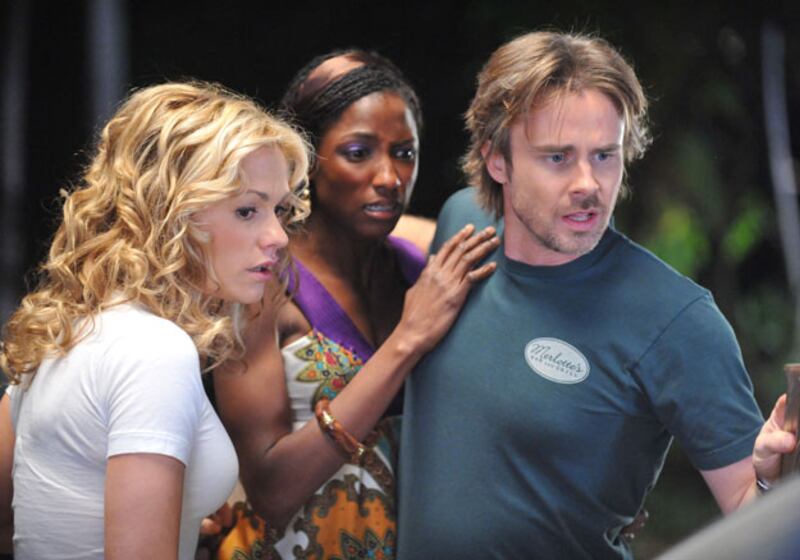
Debuting at a time when once all-powerful HBO had fallen on hard times (thanks to encroachment from basic cablers, regime change, and some head-scratching development decisions), Alan Ball’s True Blood started off rocky but quickly became a much-buzzed sensation, representing the dawn of a new, perhaps more populist, era at HBO. Kickstarting the latest vampire pop culture cycle, True Blood preceded the launch of the Twilight film franchise as well as the CW’s Vampire Diaries and offers its viewers a sex- and violence-laden Southern Gothic soap. While some view it as just a bodice—and neck—ripping melodrama, others find in it frequent allusions to persecuted minority groups. The show playfully injected unexpected humor and lashed out at the gay-marriage debate and inequality in America today.
Jamie Trueblood / HBO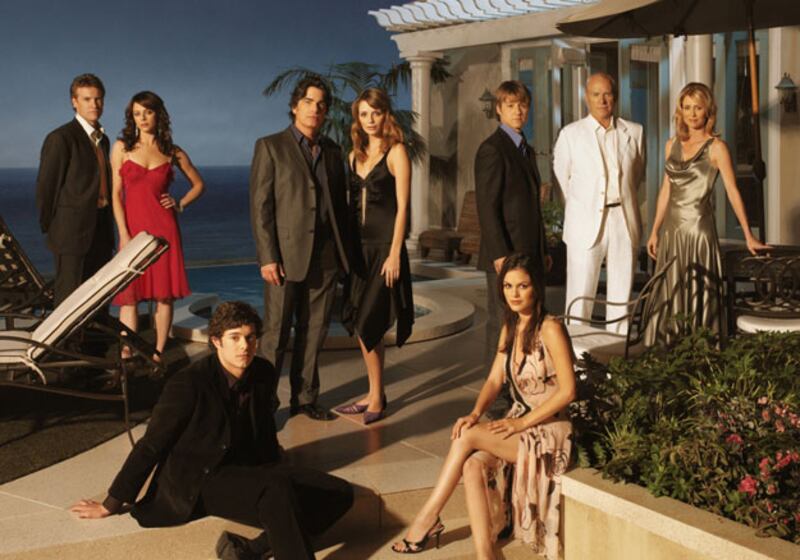
Say what you will about how the show fell apart as it went on, but Josh Schwartz’s teen drama on Fox reinvented the teen soap by embracing the natural angst of adolescence (and the similar emotions of adulthood) and by parodying the genre itself. The result was a show that offered a look at the lives of well-heeled Orange County residents via the perspective an often-monosyllabic outsider invited into their midst. But Schwartz and his writers went a step further, juxtaposing the plotlines involving those under the legal drinking age, as well as those of the adults as well, to create a vivid portrait of life in the modern class system. The show also influenced fashion and music, introducing the mainstream public to such bands as Death Cab for Cutie, Interpol, The Killers, and others. Even Captain Oates would have to agree.
FOX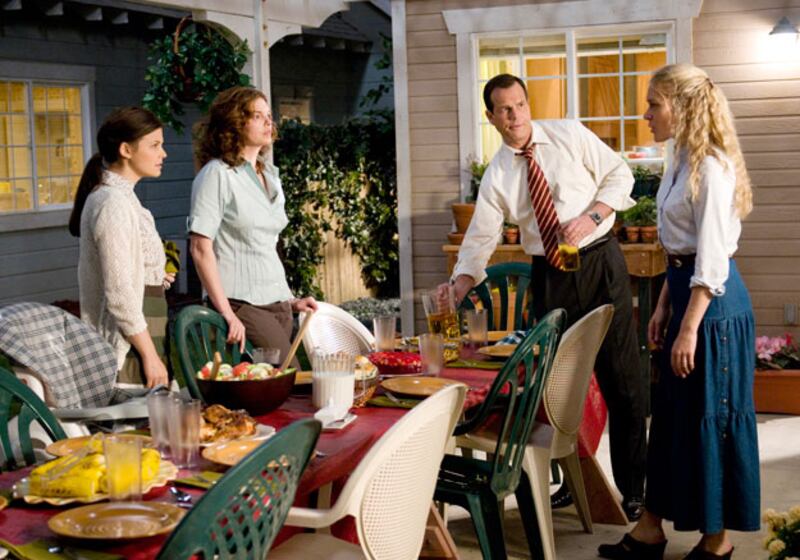
The only people turned off by Big Love’s portrait of a polygamist marriage are those who haven’t tuned in. Viewers who have put aside the Henrickson clan’s unconventional relationships have fallen in love with the series’ taboo-shattering exploration of a family struggling to live by their morals in an imperfect world that both fears and hates them. Created by Mark V. Olsen and Will Scheffer, the show offers one of the most intimate portrayals of marriage on television, and a gripping metaphor for the persecution of minority groups. That the Henricksons and their children struggle with their choices from behind the pristine white-picket fences of suburbia makes it all the more relatable. Big Love has paved the way, even if no one else has yet followed down the path.
Lacey Terrell / HBO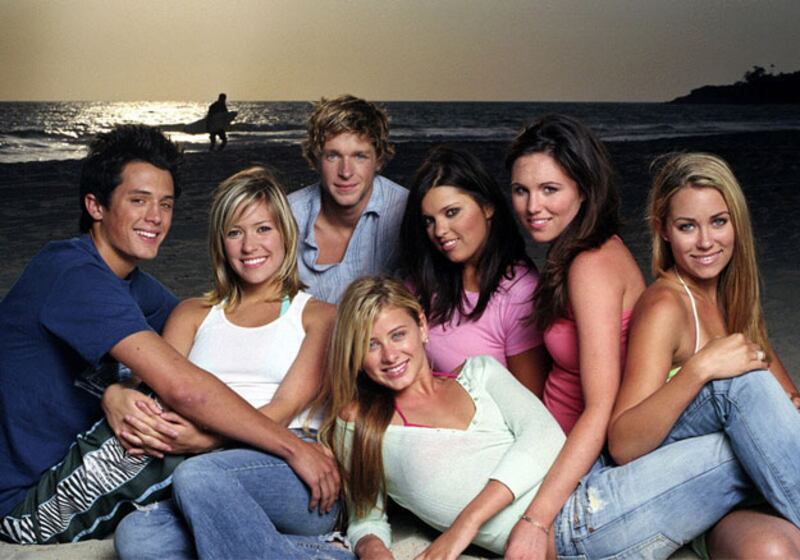
The Osbournes launched the celebreality trend that has consumed most cable networks, with Ozzy Osbourne and his eccentric family the first celebrities to allow full access to their lives.
The Osbournes forever changed MTV by tipping the scale toward reality shows over music programming, and proved to be one of its biggest hits, ushering in unparalleled success for MTV for several years.
The Osbournes opened the floodgates for shows like
Newlyweds: Nick and Jessica,
Britney and Kevin: Chaotic, and
Being Bobby Brown.
Laguna Beach took the scripted narrative style of teen-centric shows like
The O.C. and fused them to the reality format. Making instant celebrities out of its fashion-savvy cast members, the show revolved around the lives and romantic entanglements of the jet-set in Orange County, California. The overwhelming success of the series led to a number of spinoffs including
The Hills and
The City and to Bravo’s own take on the breakout hit with its
Real Housewives franchise.
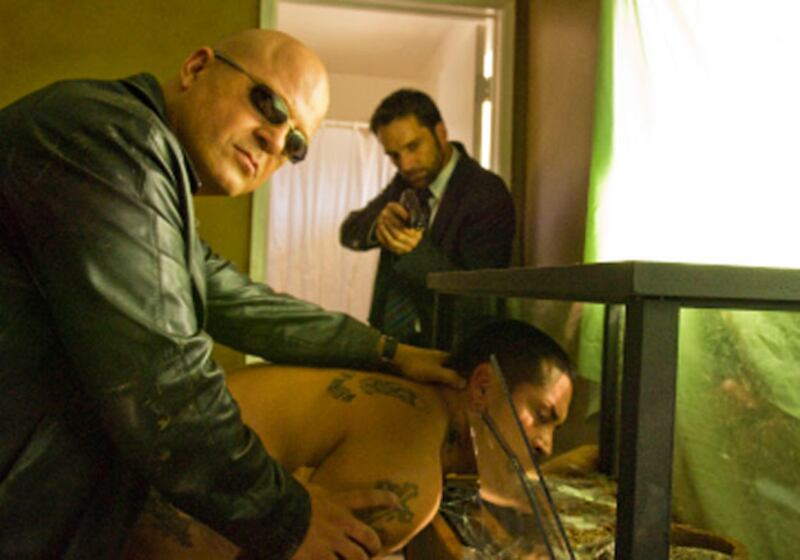
If there were one show that proved that basic cable was looking to play with the likes of HBO, it was Shawn Ryan’s ultra-violent cop drama The Shield, which signaled the arrival of FX to the game. Giving new meaning to the word gritty, The Shield introduced one of fiction’s most complex anti-heroes in the amoral and corrupt Vic Mackey (Michael Chiklis). Picking up the baton from HBO’s The Sopranos (which launched in 1999), the brutally realistic show dove into the dark underbelly of Los Angeles, setting violent gangs against equally vicious police officers, and racked up awards in the process. (The show’s freshman season scored the most Emmy nominations a basic cable drama had received up to that point.) Featuring a revolving door of A-list actors (including Glenn Close, who would go on to star in FX’s Damages, and Forest Whittaker), The Shield quickly became a brand-defining show for FX and a call to arms for other cable channels.
Prashant Gupta / FX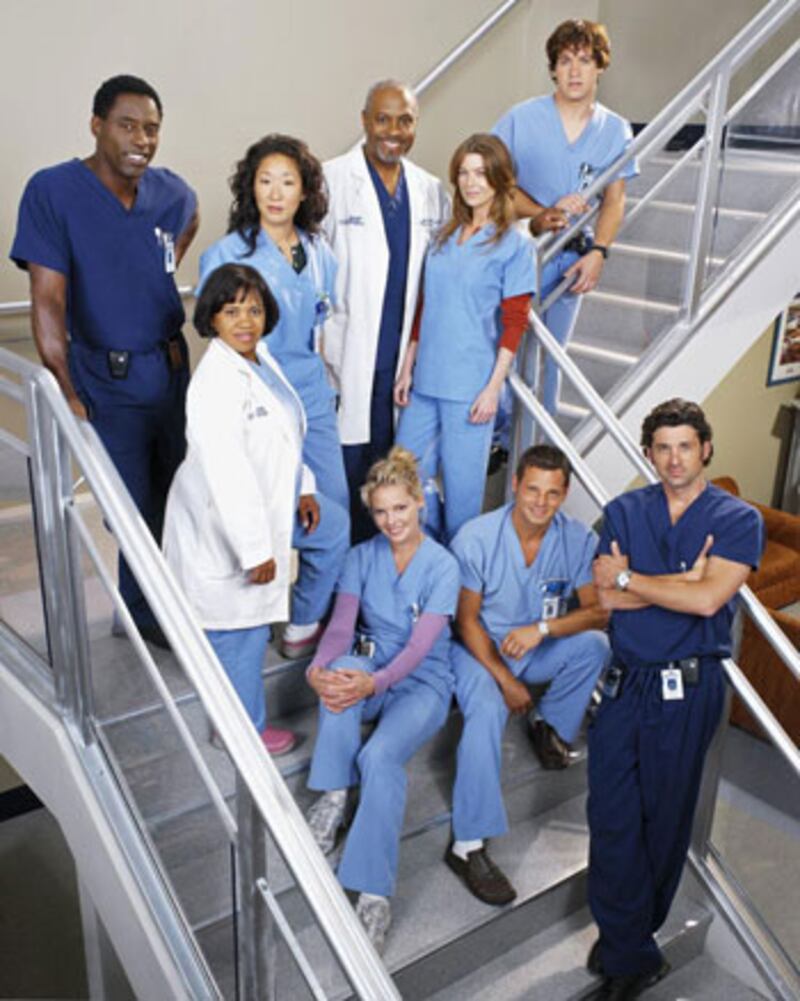
McSteamy. McDreamy. McKiller audience. In addition to introducing several new words to the cultural lexicon, Grey’s Anatomy—created by Shonda Rhimes—brought a huge female audience to the network, fostering a program-centric cult that far exceeded that breakout femme-oriented hit Sex and the City. By combining the medical tension of NBC’s ER with bedroom romps, Grey’s managed to create a breakout hit for ABC, resurrecting the career of Patrick Dempsey and making a bankable feature-film star out of Katherine Heigl, while also spawning a spinoff, Private Practice, in the process. But the show also augured an age where the backstage antics of the cast were just as noteworthy as the drama unfolding on the screen, with cast members landing themselves in the gossip pages amid behind-the-scenes controversy (most notably a 2006 heated exchange between Isaiah Washington and T.R. Knight that led to Washington’s departure from the show after he used a homophobic epithet).
ABC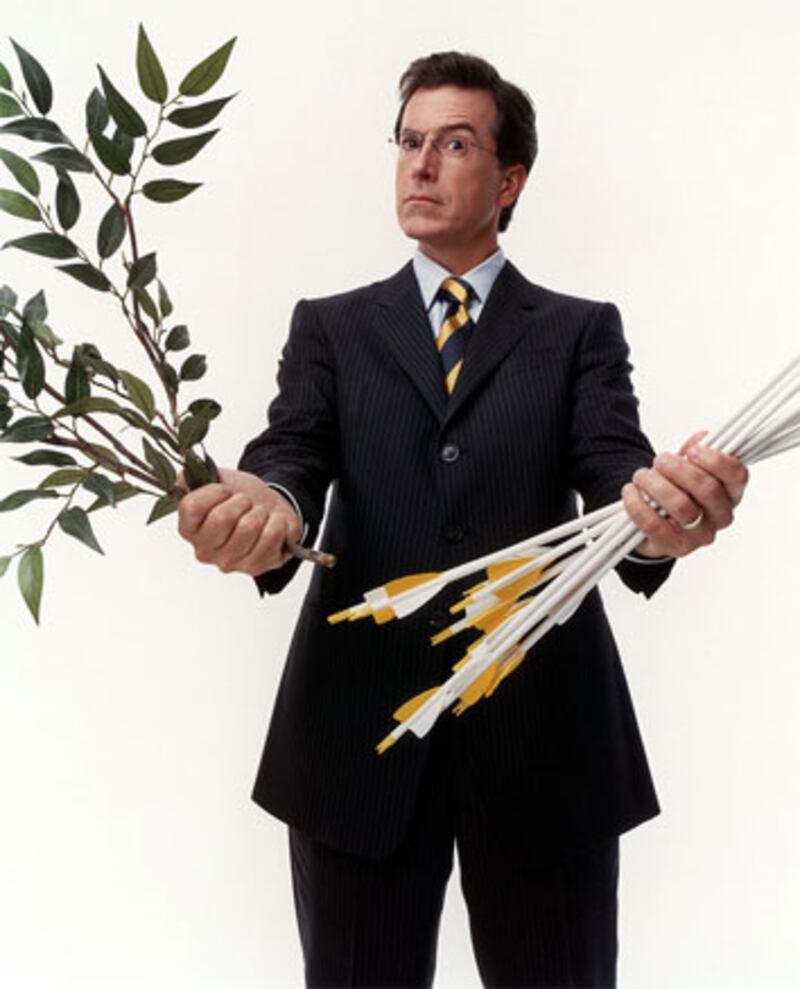
Spinning off of The Daily Show with Jon Stewart (who took the reins of the long-running show in 1999), Comedy Central’s The Colbert Report, anchored by Stephen Colbert, offered a conservative counterpoint to The Daily Show’s more liberal-minded spin. Colbert’s deft satire of commentators like Fox News’ Bill O’Reilly led not only to the introduction of a new word to the dictionary in 2006 (that would be “truthiness”) and a book (2007’s I Am America (And So Can You!)) but also Colbert’s efforts to have a Hungarian bridge named after him, a 2007 presidential bid (his campaign lasted less than a month), and a week of filming in Iraq. Throughout it all, The Colbert Report has managed to further blur the lines between news and comedy, between fact and satire.
Martin Crook / Comedy Central
One day you’re in and the next day you’re out. No other show has succeeded at pulling back the curtain to reveal the process of fashion as that of Project Runway. The reality competition series, which originally aired on Bravo before moving to Lifetime (after a lengthy court injunction), introduced the concept of professional-based competition series, whereby the competitors weren’t aspiring amateurs but rather skilled craftsmen, a trend that continues on the cable network with Top Chef, Sheer Genius, and Top Design, among others. The show made a household name out of mentor Tim Gunn (and made “make it work” a catchphrase) and furthered the careers of judges Heidi Klum, Michael Kors, and Nina Garcia, all while demystifying the fashion industry and justly elevating it to an art form.
Bravo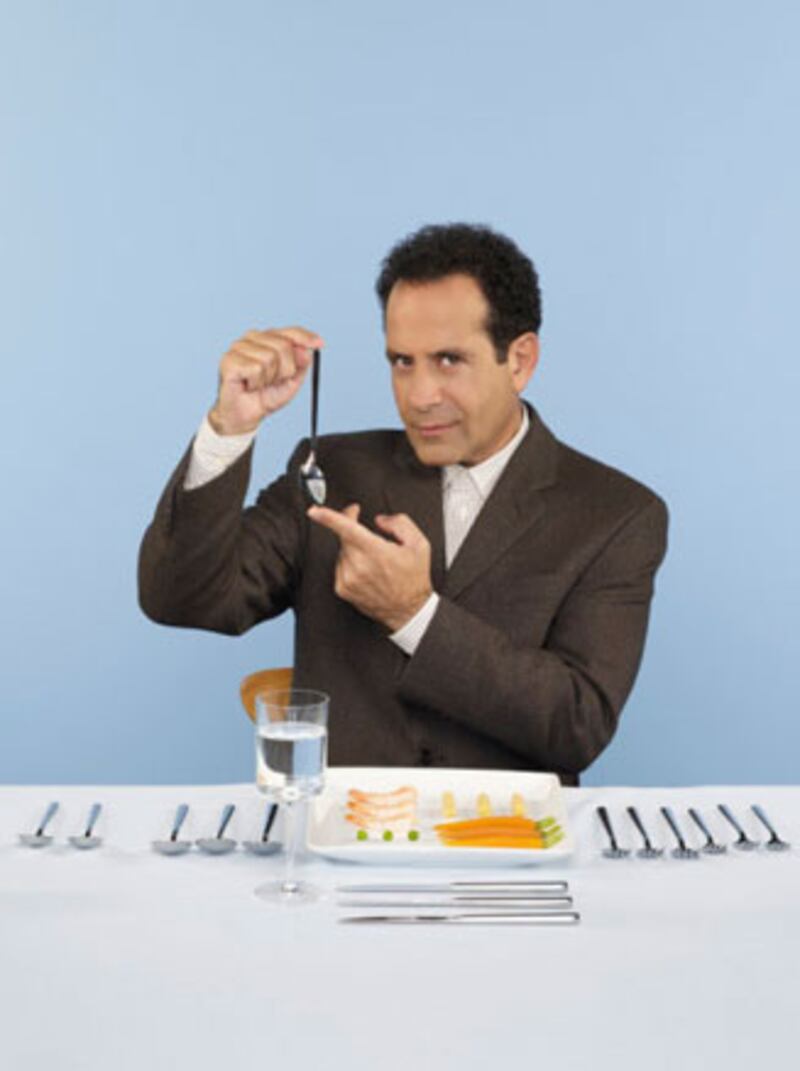
Unsolved murders. An obsessive-compulsive detective. Put these things together and you get USA’s award-winning mystery dramedy Monk, created by Andy Breckman. The first of USA’s highly successful procedural shows, Monk—which starred three-time Emmy winner Tony Shalhoub—ushered in the era of high-quality original-series offerings on basic cable and helped clearly define USA’s brand in a way that fellow USA shows The Dead Zone and The 4400 weren’t able to. The show also was the first sign that basic cable was creeping up on the broadcast networks, both in terms of ratings ( Monk is the most-watched scripted drama on cable ever) and in terms of programming. While other cable channels have attempted to launch franchises of their own, Monk was an early hit for USA that continued to garner awards and ratings throughout the decade. Something that fellow basic cablers like A&E and Spike have yet to crack.
Gavin Bond / USA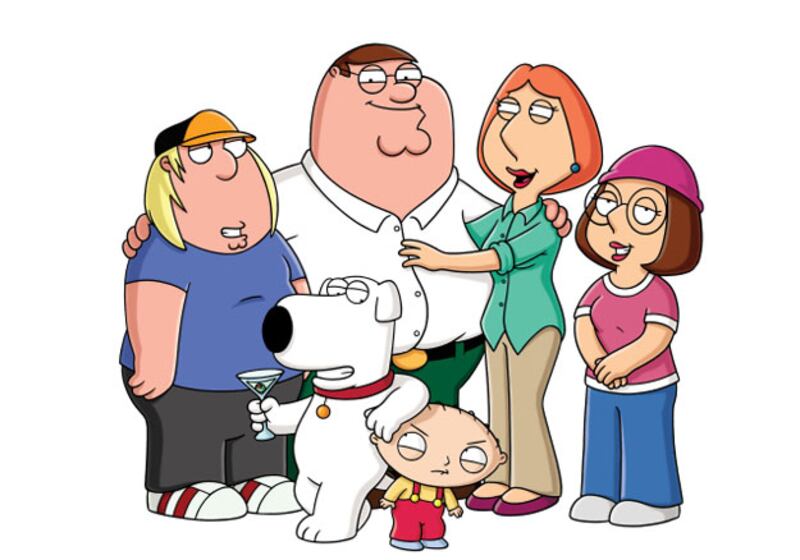
The highly subversive animated show Family Guy—created by Seth MacFarlane—seemed tailor-made for Fox: It was snarky, overflowing with naughty bits, and deeply topical, layering in heaps of sight gags, recurring jokes, and gasp-inducing signs of poor taste. But then the unthinkable happened, as Fox canned the show after three seasons. Fade to black? Not quite. Thanks to repeats on the Cartoon Network’s Adult Swim and staggering DVD sales, Fox reversed its decision three years later, putting the show back into production. It was the first time a show had been resurrected based on DVD sales and showed the power of the consumer fanbase. Today, Family Guy, along with two of MacFarlane’s other shows ( American Dad and The Cleveland Show) continues to anchor Fox’s entire Sunday night Animation Domination block of animated comedy programming.
FOX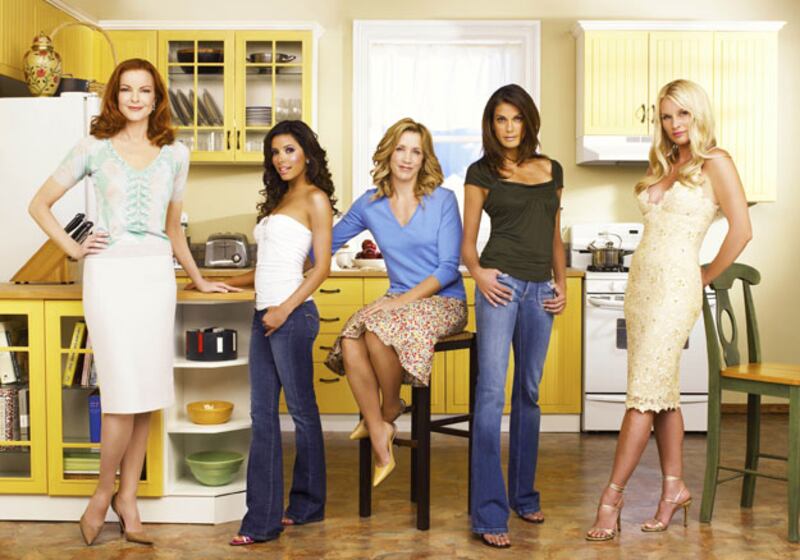
Marc Cherry’s Desperate Housewives resurrected the nighttime soap back in 2005 but subverted the tried-and-true formula by parodying the genre. While the tension was real and the storylines deliciously loopy, there was a sense that the story of the women of Wisteria Lane was a carefully crafted satire of suburban desires. Yet, in its first, remarkable season, it was also a haunting update of classic 1940s melodramas as four friends sought to uncover the truth behind their friend’s inexplicable suicide, a friend whose disembodied voice provided the series’ narration and who watched over the living with a mix of fascination and tartness. While subsequent seasons fell flat (remember the kid in the basement?), that first season remains an enduring hallmark of what the nighttime soap can—and should—be capable of.
Florian Schneider / ABC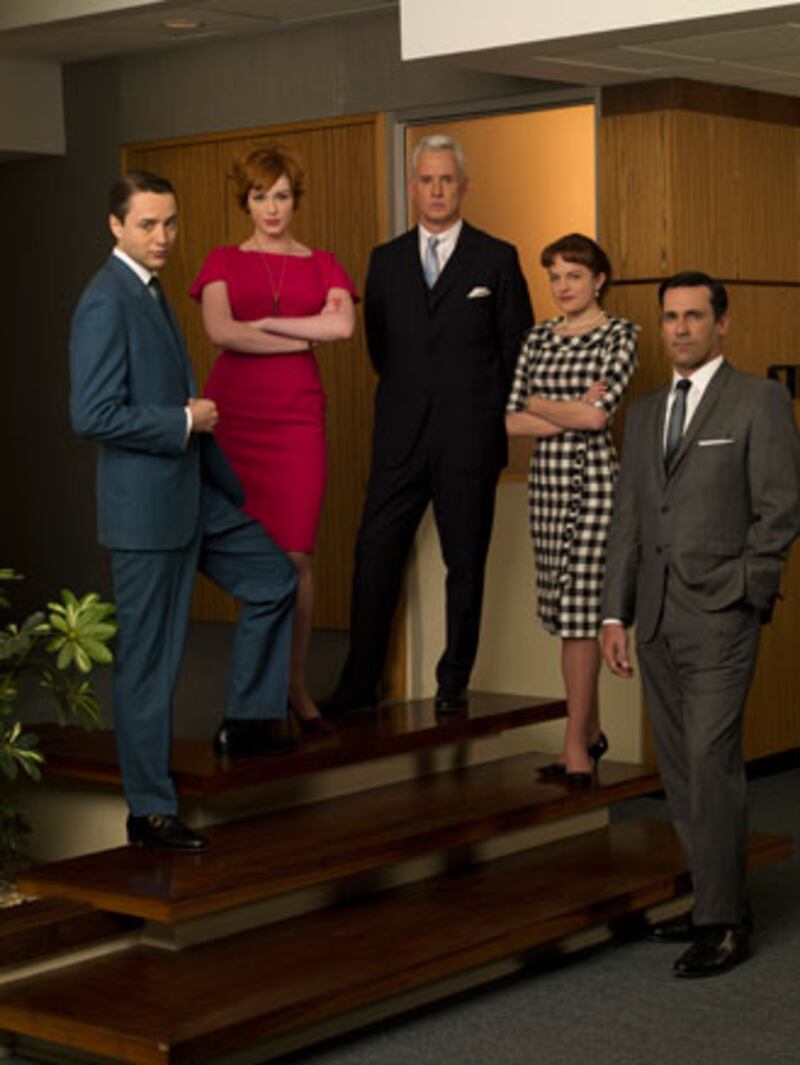
Matthew Weiner’s gripping period drama Mad Men singlehandedly gave birth to AMC as a cable network with original programming and brought the cabler awards glory (and continues to do so), enabling the network to go on to develop such dramas as Breaking Bad. With its 1960s setting, Mad Men offers a different perspective, and uses its vintage setting to make incisive comments on our own world today. While other networks have produced period dramas before, Mad Men’s tipping point position in history has proven close enough to our own times, and the show’s cast and crew have meticulously recreated the era. The result proves that to be groundbreaking, one doesn’t need to look to the future.
Frank Ockenfels / ABC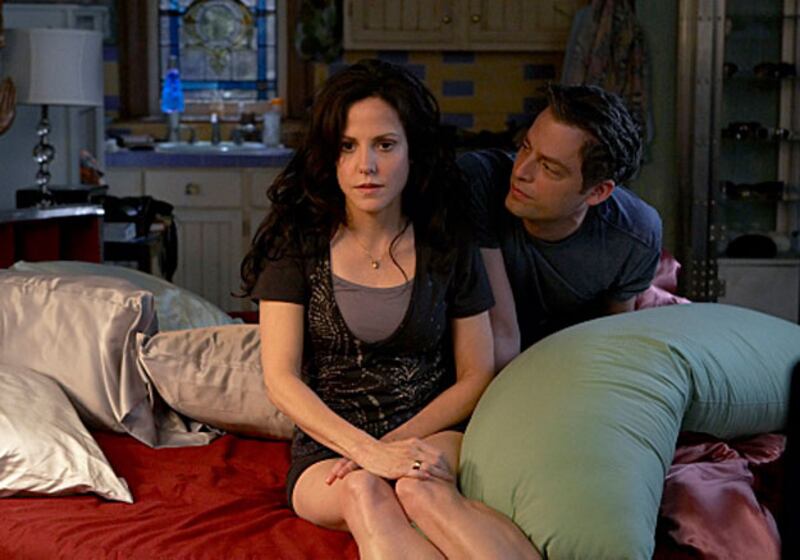
It only takes one breakout hit for a cable channel to become a major player in the original-series game. For pay cabler Showtime, that show was Jenji Kohan’s Weeds, which quickly made the channel a real rival to HBO. Starring Mary-Louise Parker, Weeds revolves around a widowed mother who turns to dealing pot in order to keep her family together, and finds herself engaging in bad behavior for the greater good. While it marked a start for Showtime (now home to such award-winning shows as Nurse Jackie and Dexter), Weeds also began a trend of unconventional stories of suburban unrest centering on parental figures trying to do the right thing (see Breaking Bad or Nurse Jackie) but who reveal themselves to be deeply flawed characters attempting to stake a claim on the American dream for their families.
Sonja Flemming / Showtime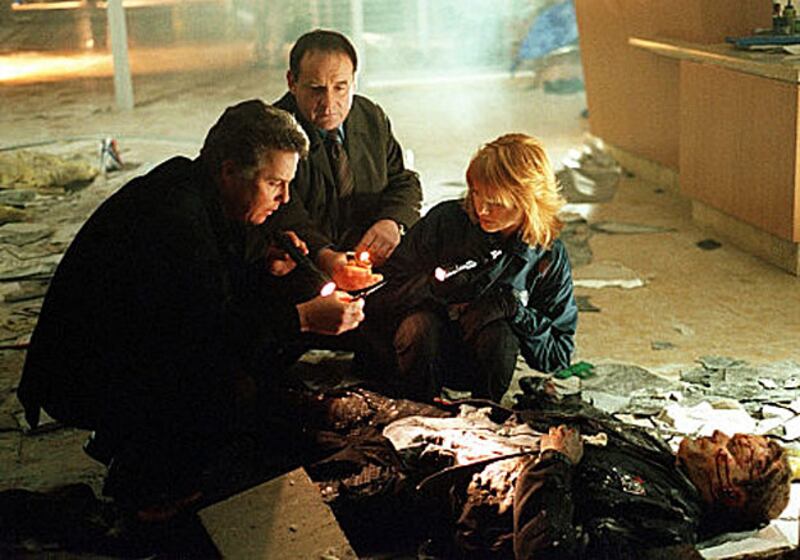
With its emphasis on forensic science, Anthony Zuiker’s CSI: Crime Scene Investigation cracked open the mystery formula by delivering a very different breed of cop show, one in which violent (and often gruesome) crimes were not solved by gun-toting cops but by Las Vegas criminologists using the latest breed of crime-solving technology. The show quickly became a massive ratings hit for CBS, spawning two spinoff series that would become schedule-anchoring franchises for the network and destroying NBC’s hold on Thursday nights. With the success of CSI, networks moved away from character-driven dramas and instead attempted to capture the ratings magic with their own procedurals. Despite cast changes and more than 200 cases, CSI continues to hold onto the viewing public’s attention in a major way.
Michael Yansh / CBS