
Chilling details of detainees at Florida’s “Alligator Alcatraz” are segregated by color-coded uniforms have been forced into the open by a legal battle.
A pet project of Gov. Ron DeSantis, the detention center was hastily built and opened on July 1. Allegations of inhumane treatment at the immigration center—including beatings and gropings—surfaced almost immediately.
This summer, civil rights lawyers filed a lawsuit over whether detainees are receiving proper access to an attorney. It’s one of three litigation cases waging over conditions at the detention center.
As part of those proceedings, court documents have shed new light on the realities faced by those inside the facility—including a detainee handbook issued upon arrival.

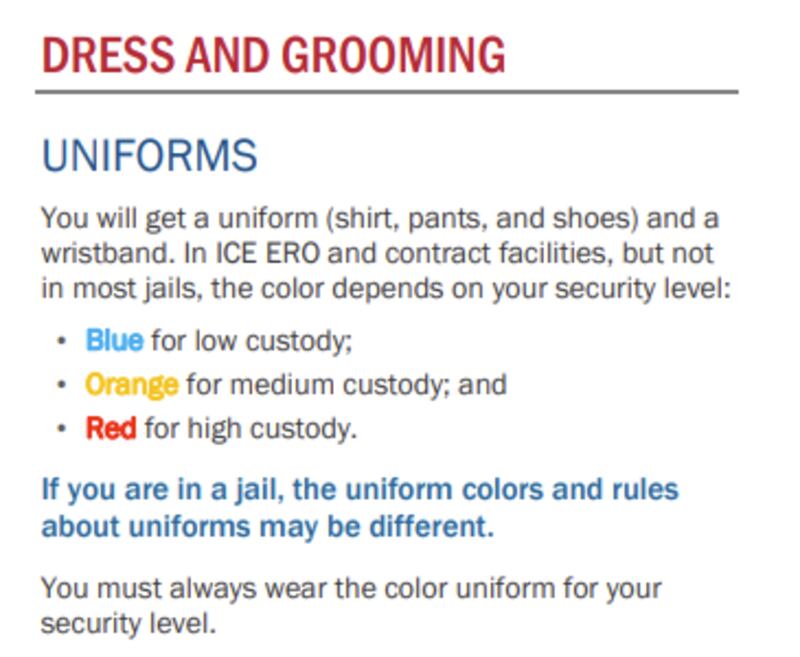
The handbook reveals chilling details, such as the immediate segregation of detainees upon arrival based on criminal history and flight risk. Detainees can only keep prayer books, glasses, dentures, religious items like a rosary, and wedding rings in their possession.
According to the handbook, they’re provided with soap, shampoo, deodorant, toothpaste and a toothbrush, as well as sheets, a blanket, mattress and towel.
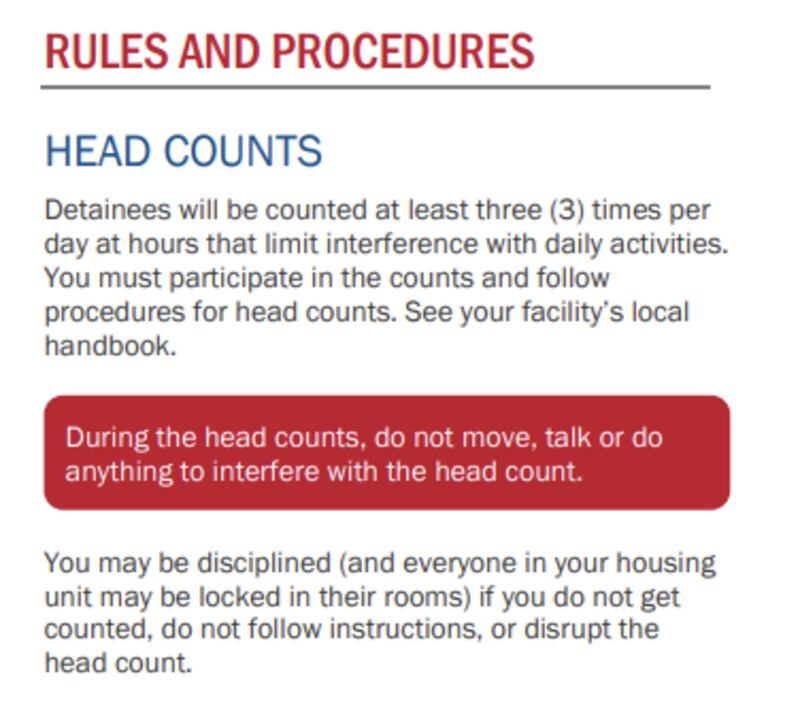
It warns detainees to remain silent during regular headcounts or risk punishment by being locked in a housing unit. Breakfast is served at 5:30 a.m., and food is barred from being eaten outside the dining area.
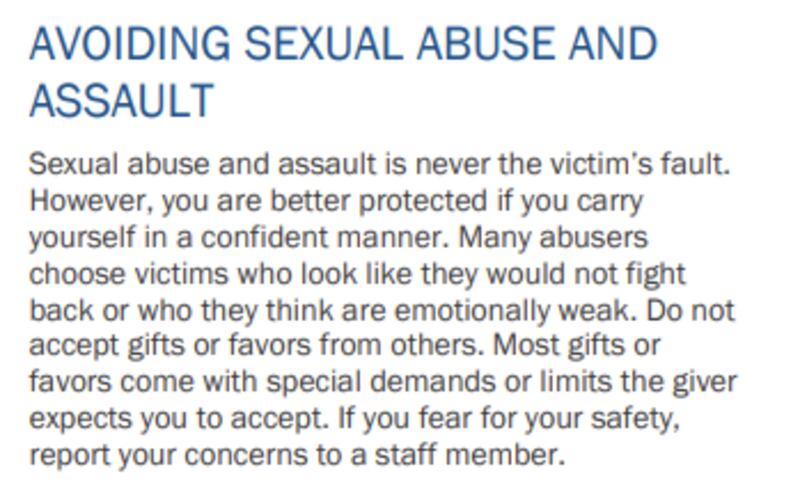
The handbook, which was first reported on by WFLA, also lays out ways detainees can lower their risk of being sexually assaulted, such as not accepting favors from others and exuding confidence.
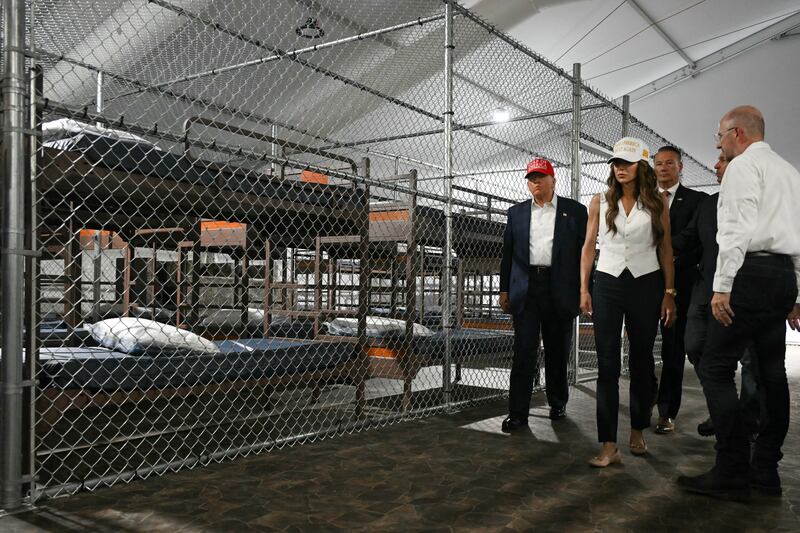
In August, a federal judge ordered the facility to shut down due to environmental concerns, ruling that the state violated federal environmental laws by building the compound—made up of massive tents on an abandoned airstrip, with giant cages that hold 35 to 38 inmates—without conducting any environmental assessments or impact studies.
The facility is federally funded and therefore subject to the National Environmental Policy Act, which requires environmental reviews before any “major” federal action or construction project.

“Here, there weren’t ‘deficiencies’ in the agency’s process,” U.S. District Judge Kathleen Williams, an Obama appointee, wrote in her decision. “There was no process.”
But the order was put on hold last month by an appellate court panel.
Both DeSantis and the Trump administration have said the facility didn’t impact the environment since the airstrip was already there before the site became a symbol of the president’s domestic policy.
“It’s a lazy lawsuit, and it ignores the fact that this land has already been developed for a decade,” Department of Homeland Security Secretary Tricia McLaughlin told the Washington Post when the suit was filed in late June.
MAGA loyalists like DeSantis have also reveled in the optics of housing migrants in the middle of alligator-infested swamplands, saying that if they escape, they’ve “got nowhere to go.”
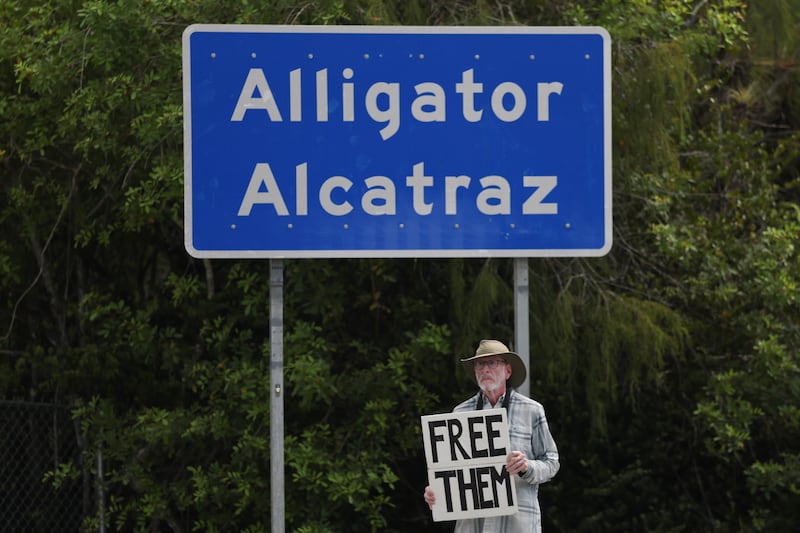
President Donald Trump has visited and praised the facility, encouraging other states to replicate it. The administration faces a shortage of detention centers to house people rounded up during the president’s immigration crackdown.
Detainees also say they’ve been fed spoiled food, denied religious rights, given limited access to showers, and forced to endure mosquito infestations and oppressive heat.
A former worker told NBC Miami in August that the facility was like an “oversized kennel.”
The Daily Beast has reached out to ICE officials for comment.