The rapid expansion of President Donald Trump’s border wall has seen the desecration of a historic 1,000-year-old Native American archeological treasure.
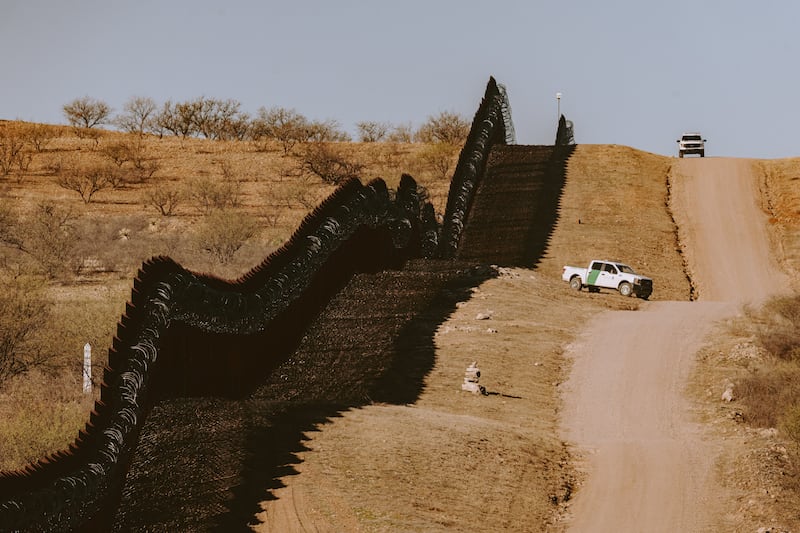
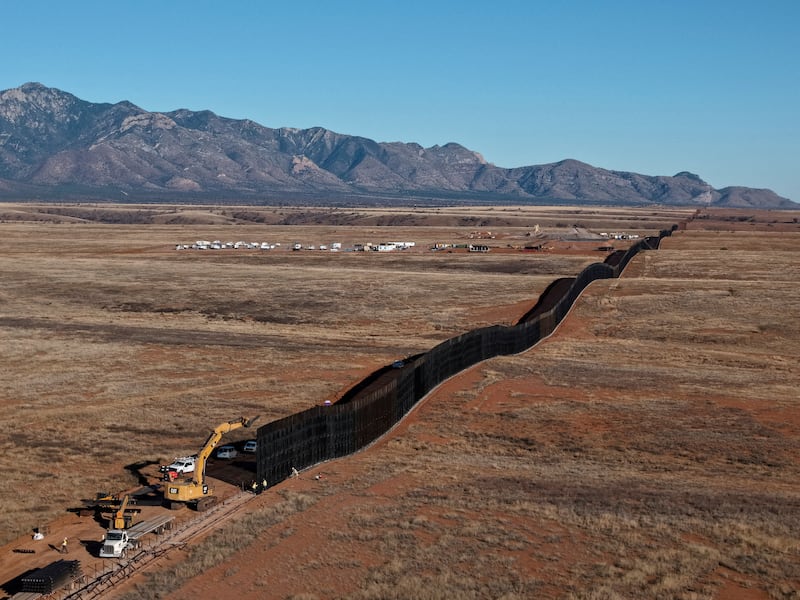
Trump’s One Big Beautiful Bill, signed in July last year, included $46 billion to restart and expand construction of the U.S. and Mexico border wall. That includes a second wall through much of California, Arizona and New Mexico.
However, the aggressive construction, at a rate of three miles of wall erected per week, is not respecting environmental laws, according to a new report by The Washington Post.
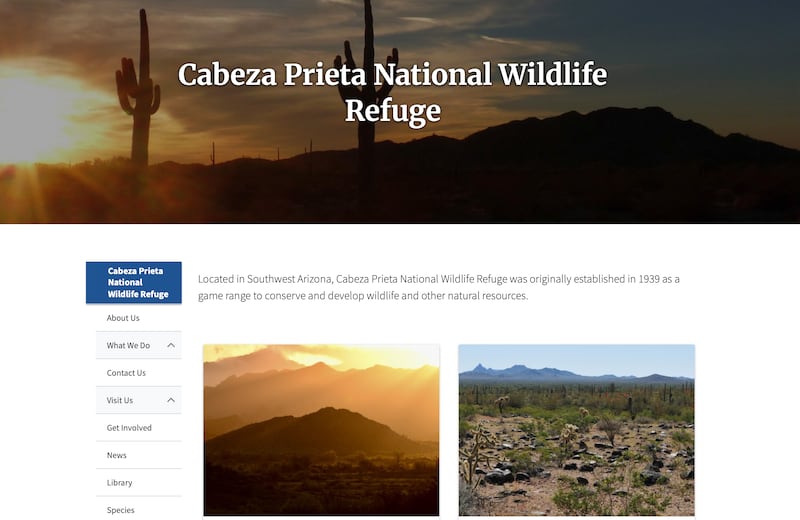
Alarming satellite images published by the Post show the fresh damage done to an ancient etching, believed to be at least 1,000 years old, situated in a remote corner of Arizona’s Cabeza Prieta National Wildlife Refuge. The etching in the desert sand is known as an intaglio.
An elder of the Hia-ced O’odham Indigenous people told the Post the irreparable damage to the intaglio occurred last week.
“If someone came to Washington and started destroying all the different sites that people in the United States revere, it’s the same thing for us,” Lorraine Marquez Eiler said.

“Those things were made by our ancestors, and it’s hitting home… For me, it’s an emotional subject,” she added.
The refuge is administered by the Interior Department.
Multiple sources told The Intercept that the incident occurred last Friday, when a contractor working for DHS cut a roughly 60-foot swath across the middle of the 200-foot-long intaglio that resembles a fish.
An anonymous Interior Department staffer confirmed last week’s damage to the historic intaglio to the Post.
The Interior Department’s Fish and Wildlife Service, which manages the refuge, declined to comment to the Daily Beast.
Additionally, the Daily Beast has contacted Customs and Border Protection, Cabeza Prieta National Wildlife Refuge and the White House for comment.
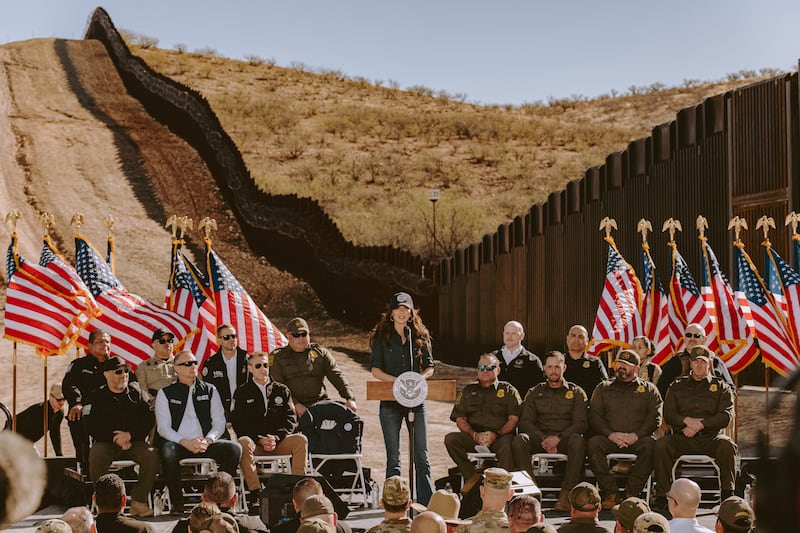
The increase in construction comes as even the Trump administration noted at the end of last year that border crossings were at a record low. Illegal crossings at the border of the U.S. and Mexico were at their lowest figures since 1970 last year, according to federal data obtained by CBS.
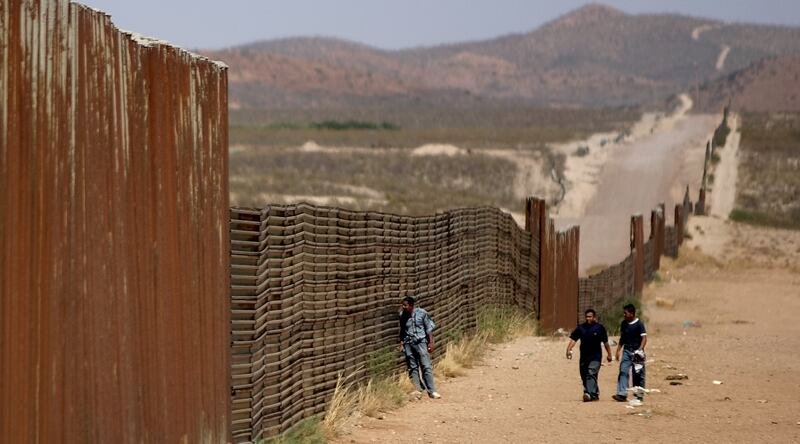
The DHS issued waivers so that construction of Trump’s border wall could ignore the usual laws that protect the environment or sacred Indigenous sites.

The refuge encompasses lands that are sacred to the Tohono O’odham Nation, which borders the refuge to the east. The O’odham Nation was successful in preventing border wall construction across its reservation during Trump’s first term, when they managed to protect the intaglio and a nearby sacred burial site.
“I liken it to destroying the Nazca lines–something that culturally we should have been relishing and promoting. Not destroying,” archaeologist Rick Martynec told The Intercept, referencing the geometric figures etched into the desert soil of southern Peru, which are part of a UNESCO World Heritage site.
Martynec, who has studied the site in Arizona for over 20 years, found the “fish” intaglio in 2002, during surveys of the area. He said Native Americans created the intaglio by scraping the stones on the ground to unearth the white soil underneath.
The archaeologist said the refuge had been in discussions with the DHS to make sure the site was protected. He visited the site in mid-April and saw stakes an engineer had put in place to mark the boundaries of the intaglio.

“They knew something special was there,” Martynec told the Post.
Martynec learned of the irreversible damage after calling the refuge last week, ahead of a planned visit to inspect the historical etching.
“The refuge was pushing as hard as they possibly could to come to a resolution,” Martynec told The Intercept.
Marquez Eiler told the publication she had been told the DHS contractor was getting dangerously close to the protected area in the refuge. She informed tribal officials and environmental groups, however, the next day the contractor bulldozed the site.
“I alerted people but all I got was, ‘We’re going to have meetings, we’re going to discuss it,’” Marquez Eiler said.
She blamed the president when speaking to the Post. “Somebody is responsible for this, and we all know who that is, and he should be held accountable for it. He’s getting away with whatever he wants to do. He’s doing it. No one is stopping him.”