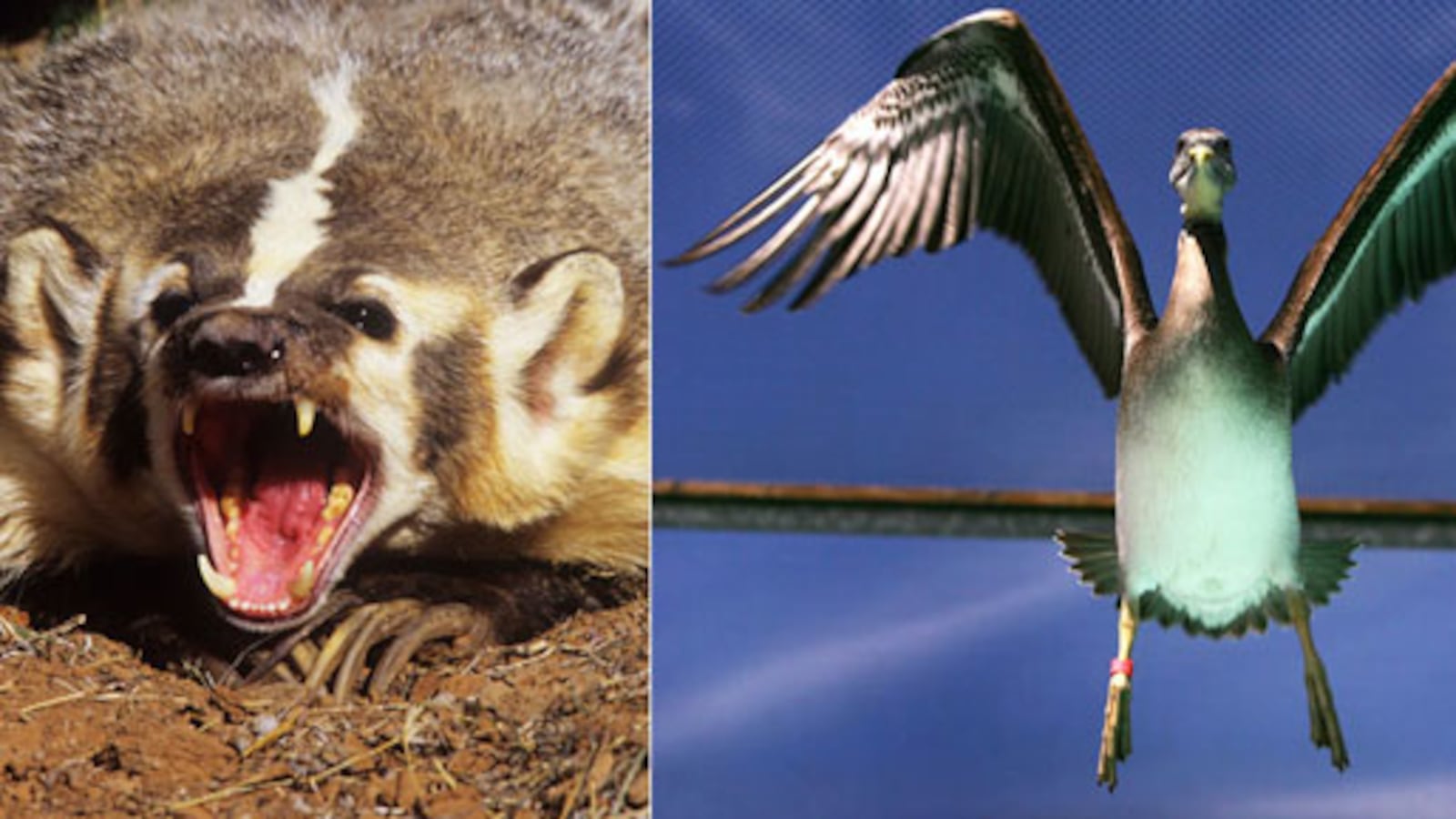
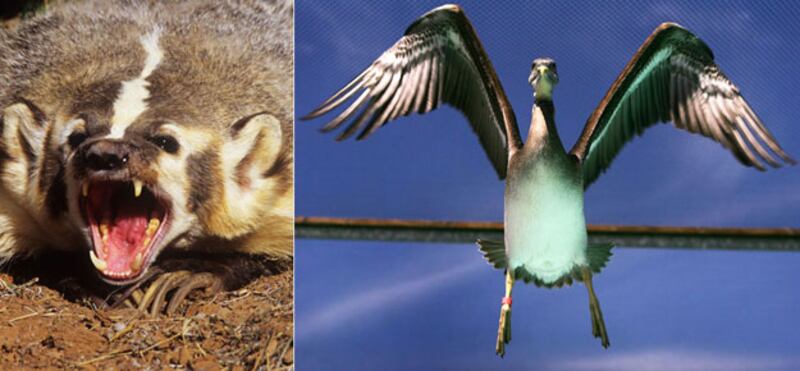
Idaho's Department of Fish and Game announced a plan on Wednesday to release skunks and badgers to control the booming pelican population that many fishermen blame for the decline of the Yellowstone cutthroat trout and rainbow trout in the Blackfoot Reservoir. Last year, the department planned to shoot pelicans and oil their eggs, which the U.S. Fish and Wildlife Service called an "eradication program." Now, instead, the department has decided to try to see what it could do without federal approval by having natural predators take out the birds' eggs. A biologist at Idaho State University criticized the plan, saying it's unclear the pelicans are to blame for the missing trout; furthermore, the predators could starve to death without a long-term source of food.
Joe McDonald / Getty Images; David McNew / Getty Images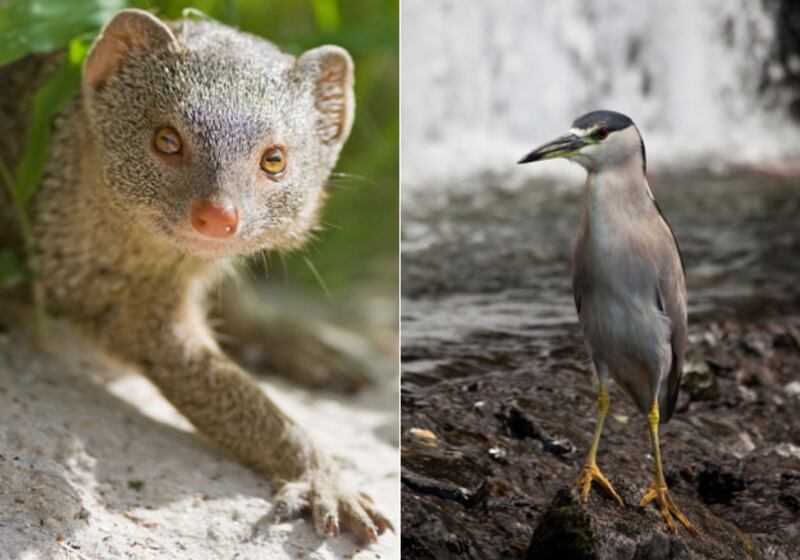
In the late 1800s, the small Indian mongoose was brought to Hawaii to prevent rats from eating sugar cane. (The rats themselves had been brought centuries earlier by Polynesian settlers.) Unfortunately, rats are awake at night, and mongooses are awake during the day. Instead of snacking on rats, the mongooses devoured native wildlife, including ground-nesting birds, killing off three species. French Polynesia similarly failed with its mongoose-v.-rat experiment. (From an 1899 newspaper account: "Still another importation of which no one has now to speak a good word is the mongoose, brought to Polynesia to keep down the lesser nuisances of rats and mice. Now the mongoose keeps down the inmates of the poultry yard and the birds of the forest, besides committing other depredations.")
iStockphoto (2)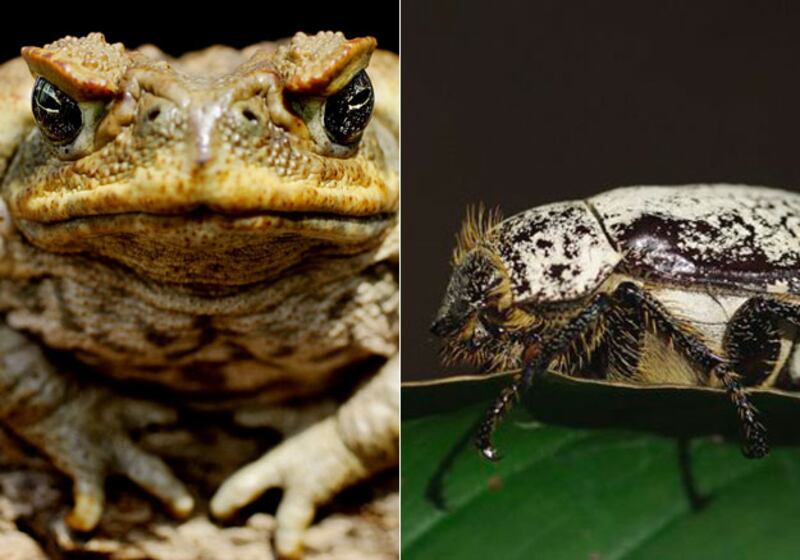
Scarab beetles were a problem on sugar cane plantations in Australia, so in 1935 the cane toad was imported to bring the bugs under control. The toad is poisonous, and native animals, like the quoll, a cat-size marsupial, often die after dining on the amphibian. The quoll is now facing extinction in the northern part of the country, so scientists are trying to teach it to avoid eating the poisonous toads. Researchers give young quolls small portions of toad meat injected with a chemical that causes nausea, hoping that the animals would associate the toad with a tummyache.
David Gray / Landov;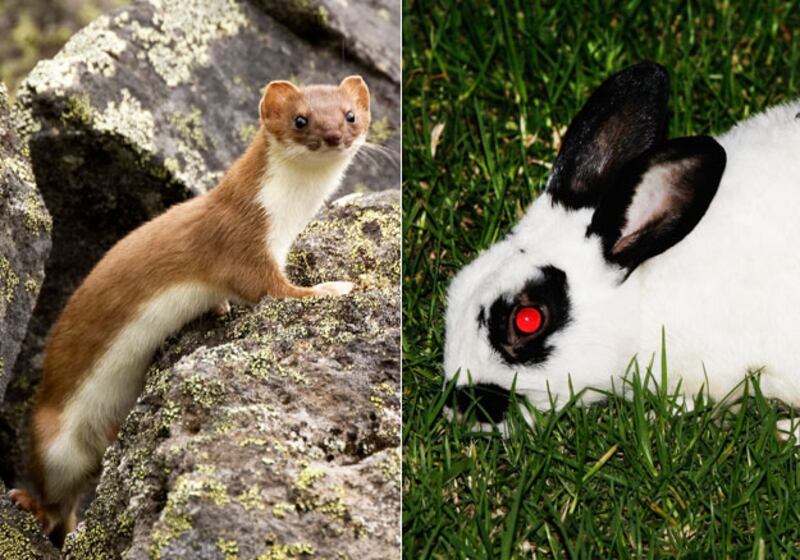
Colonists brought rabbits to New Zealand in the 1800s, and the rabbits quickly multiplied out of control. So stoats—a ferocious, weasely predator—were shipped in to eat the rabbits. It didn't work. Worse, stoats now kill as much as 60 percent of baby Kiwis on North Island. Scientists have tried studying stoat reproduction in order to develop some kind of birth control.
iStockphoto; Getty Images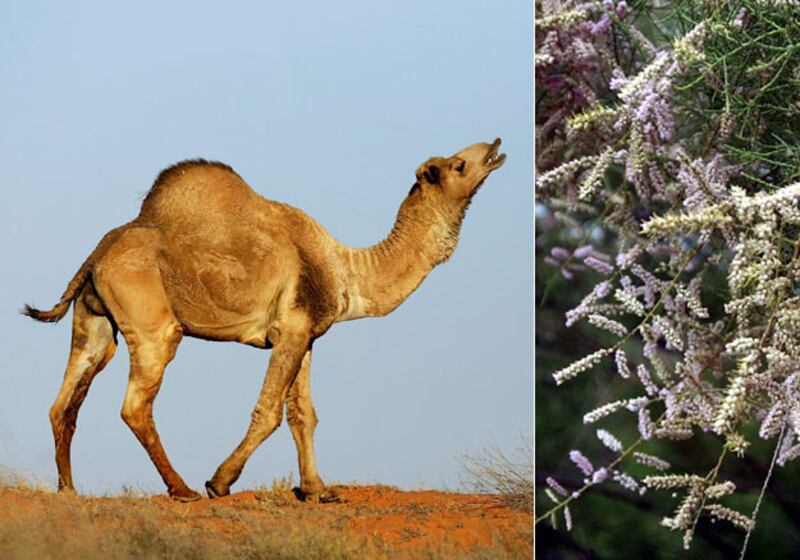
Fires and chemicals have proved an unworthy match for the invasive tamarisk plant that is now taking over the West. The solution? Camels. A Colorado rancher unleashed 15 camels on tamarisk clusters, and effectively obliterated every one of the stubborn shrubs. The tamarisk was introduced to the U.S. in the early 1800s and spread quickly. Also known as the salt cedar, the small trees are known to absorb water and deposit salt, disrupting natural soil chemistry and creating hardy thickets that overtake natural and diverse flora. Chemicals were too expensive, burning simply didn't work, beetles took too long and goats are also known to eat the plant, but camels can go through around half an acre of tamarisk in two days.
Ezra Shaw / Getty Images; AP Photo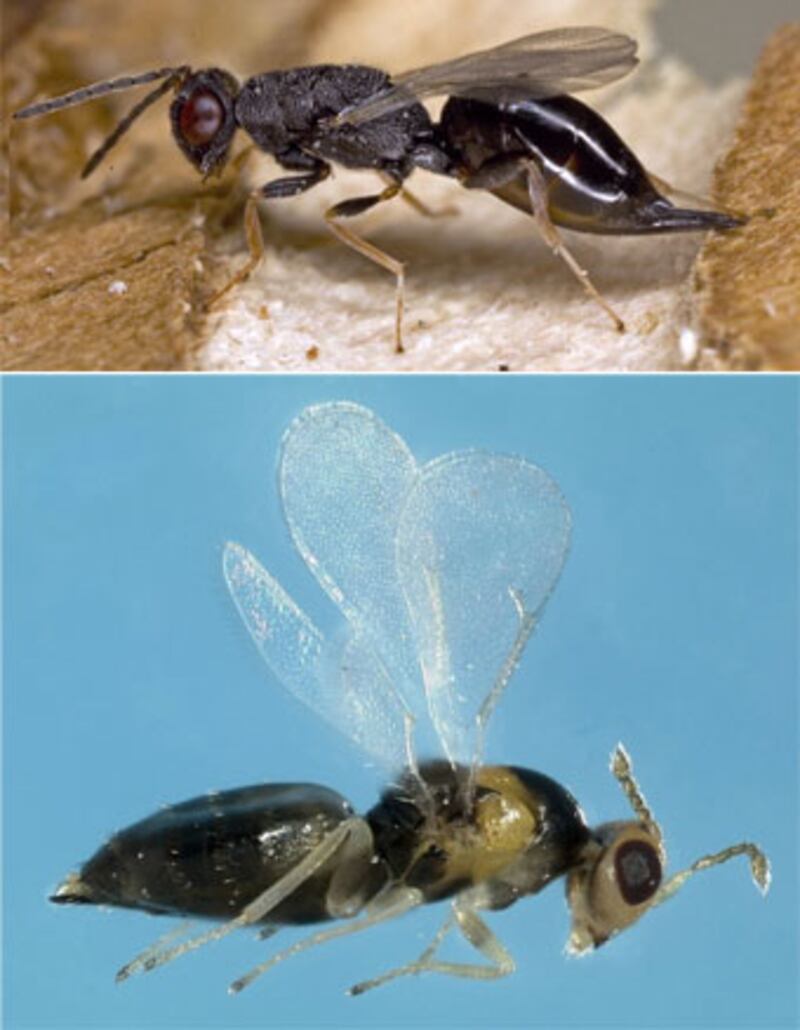
A small black wasp known as the Eurytoma erythinae has been employed to save Hawaii's wiliwili tree, which has been under attack. The Erythrina gall wasp has wreaked havoc on the Pacific islands' trees by burrowing into the leaves and stems eventually killing the plant. It was discovered in Hawaii in 2005, but by then it had already spread across neighboring islands, where it attacked a number of Hawaiian plants. Hawaii's Department of Agriculture has turned to the Eurytoma wasp to stymie the problem. The Eurytoma wasp larvae attack the gall wasp larvae, diminishing the population.
David Cappaert, Michigan State University / Bugwood.org; Paul E. Skelley, FDACS-DPI-Florida State Collection of Arthropods / Bugwood.org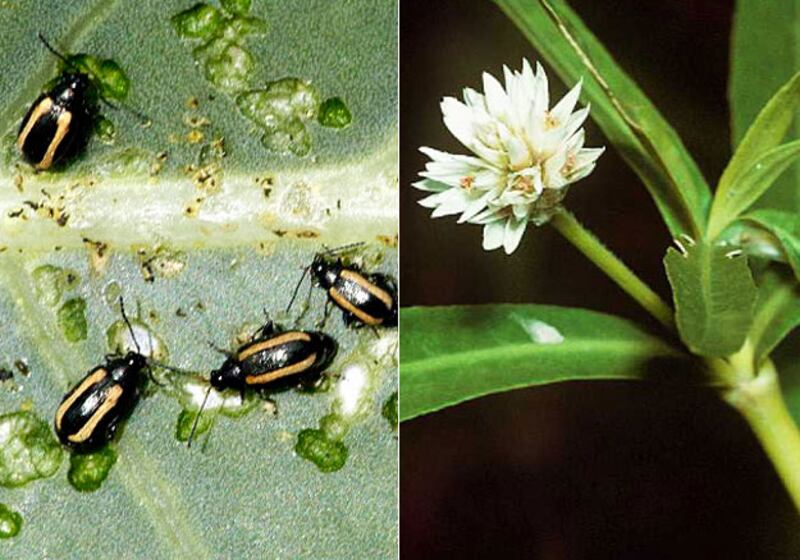
Alligatorweed migrated from South America to the United States and has since invaded waterways throughout the southeastern states. The weed causes flooding, preventing proper drainage from canals, ditches and streams by obstructing outlets. The alligatorweed flea beetle, however, is an effective combatant of the pervasive floating plants. The tiny black and yellow striped beetles leave "shot holes" in the leaves during feeding, but, when really hungry, adults and larvae can completely devour leaves and stems. The beetles have been successfully employed in the Carolinas, Tennessee and northern regions of the Gulf Coast.
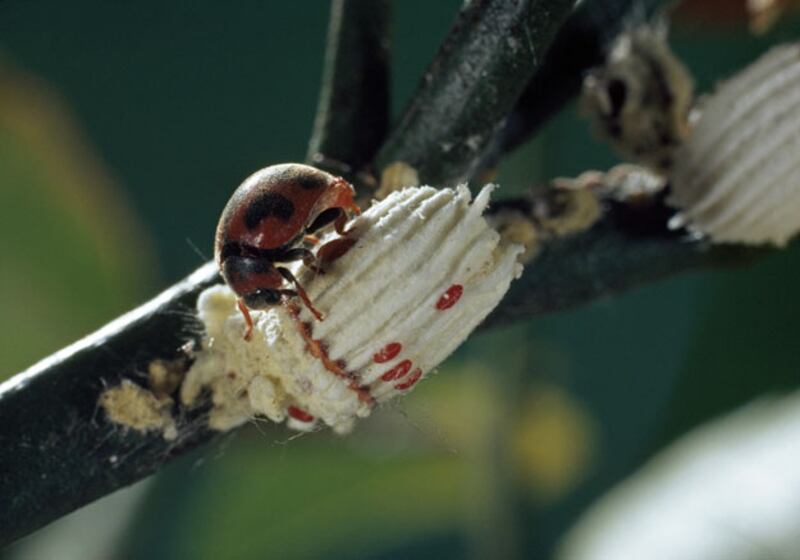
Vedalia beetles helped orange production by combating cottony cushion scale, reddish-purple insects that were pestering orange trees in Southern California. Vedalia beetles were first used for this purpose in 1888, when they were imported from Australia. The beetles have been credited with the current success of California citrus orchards by immediately driving down the pest population.
Robert F. Sisson/National Geographic / Getty Images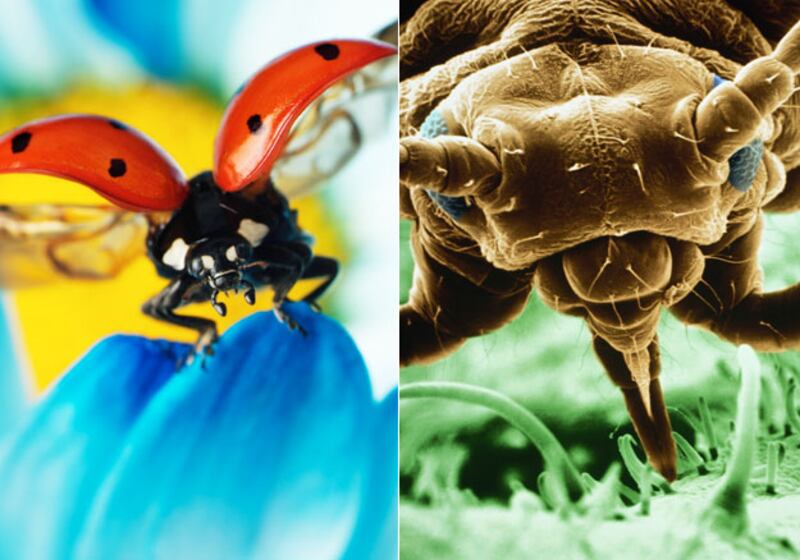
Ladybugs aren't just cute little buttons that fly around and land on your nose—they are avid predators as well. Aphids are pests that live in dense colonies and suck the life out of plants, leaving them looking wilted. Ladybugs can each eat more than 5,000 aphids over the course of their one-year lifetime. Also: they can be stored for weeks in a refrigerator for later use.
Jonathan Nourok / Getty Images; Getty Images