Plus: Check out Book Beast, for more news on hot titles, authors and excerpts from the latest books.
A weekly look at great reads from around the world by the editor of the Times Literary Supplement. This week: Reimagining John Milton, Erasmus’ overlooked folly and a rumination on all things soy.
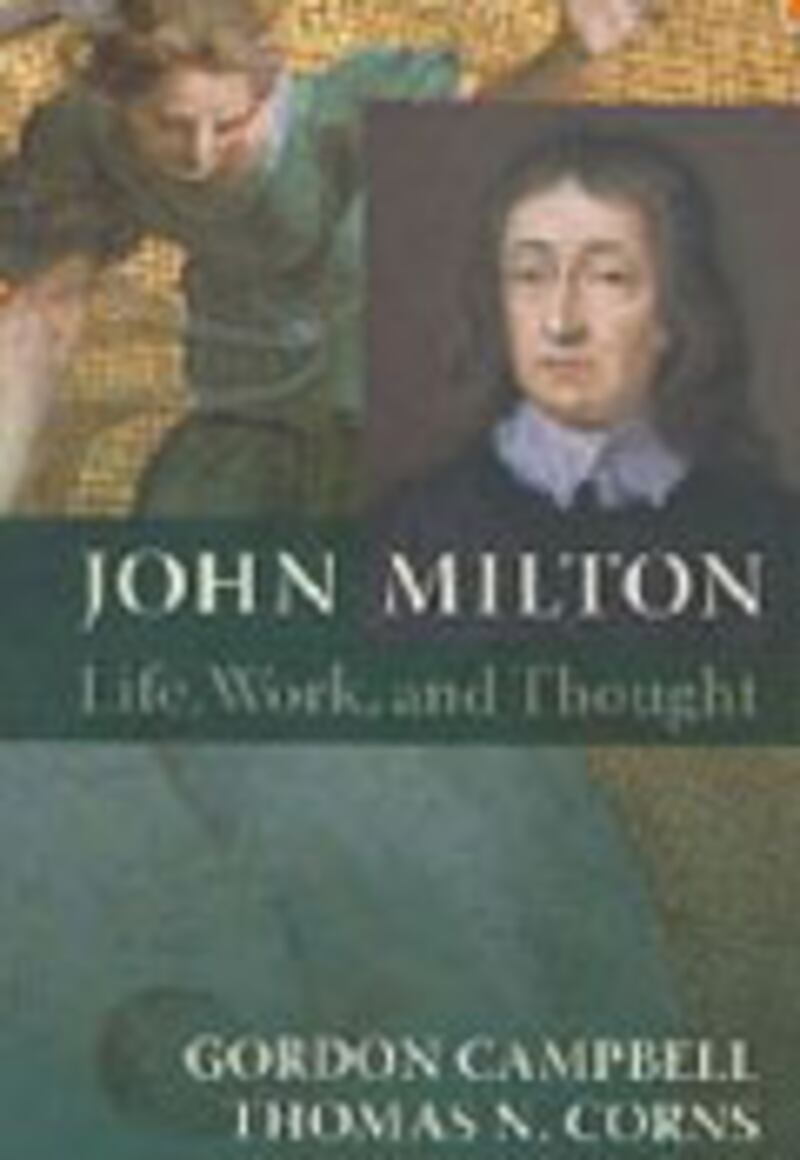
The Power of Milton
Imagine England's 17th-century genius, John Milton, with a seat at the heart of Gordon Brown's country today—as a wily university dean squabbling with celebrity scholars, or as a devious party apparatchik who can craft a dodgy compromise while keeping up his radical credentials. Such, says TLS critic Jonathan Bate this week, is the picture of the author of Paradise Lost as seen by two British professors in a new book, John Milton: Life, Work and Thought, published by Oxford University Press. The image of Milton has long stopped being the noble character who William Wordsworth wanted to be “living at this hour.” A massive biography in the mid-19th century by David Masson—the first academic literary study of its kind and the father of many a modern best-selling doorstop—made sure that his warts were seen with all their accompanying context. But Gordon Campbell and Thomas N. Corns make their Milton “flawed, ruthless and ambitious,” says Bate, with life skills rather too close to those required for the biographers' own lives. Meanwhile Milton's literary art is shunted to the side.
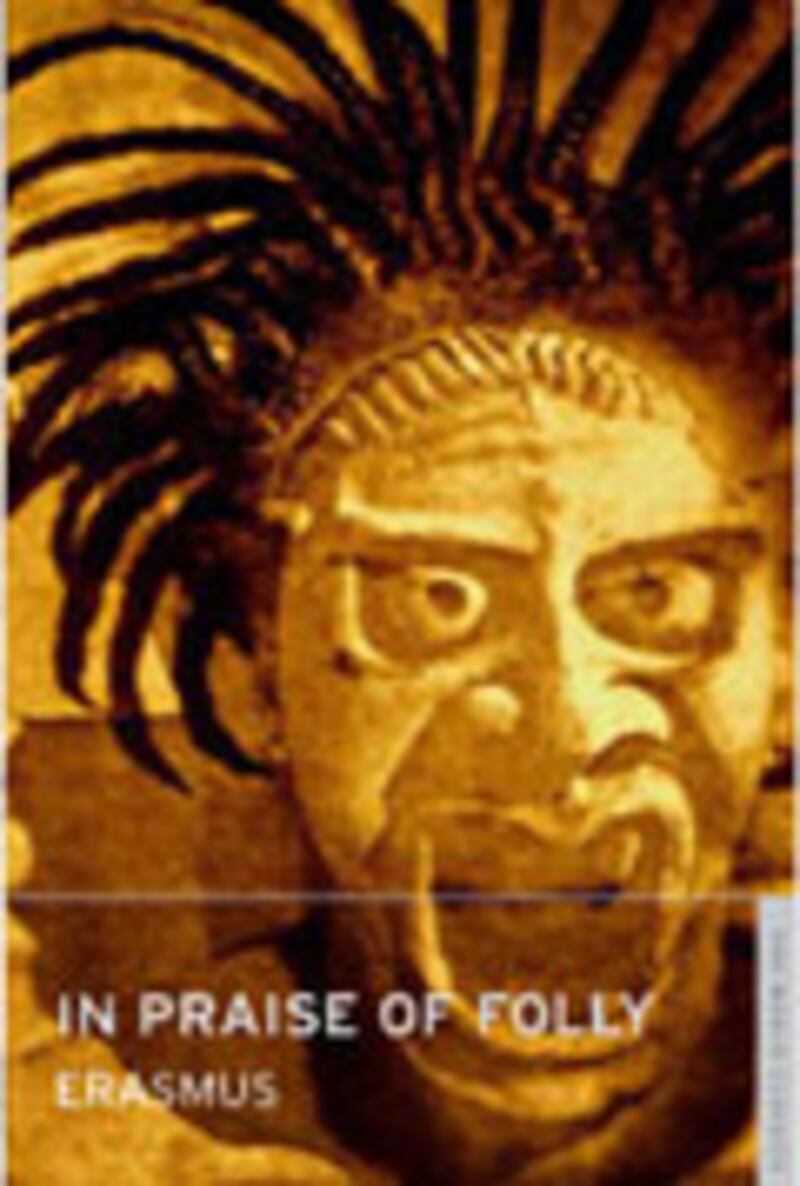
Follies of Roman Catholicism
A sometime professor in a rather different England, Desiderius Erasmus wrote a Latin work in 1511 called Praise of Folly in which he satirized doctors, lawyers, and virtually every profession, including his own. As Anthony Kenny describes in his TLS review of a new paperback edition from One World Classics, Erasmus also mocked claims for special national virtues, which in the British case at that time were, somewhat surprisingly, “good looks, music and fine meals.”
The Joy of Soy
The Cambridge banquets enjoyed by visiting Dutch scholars in the 16th century did not include the ingredient that is now so very popular where the health-and-money conscious meet to eat. Though domesticated more than 3,000 years ago, “hardly any other food plant is as modern as the soya bean.” The TLS critic, Paul Levy, a longtime promoter of the academic study of food, looks at what, in terms of calories, is now the world's fourth most-important provider. The World of Soy, from the University of Ilinois Press, tells you more about your edamame bar snack than any Japanese restaurant menu does.
Sir Peter Stothard is editor of the Times Literary Supplement, the international journal of books and ideas. Between 1992 and 2002, he was editor of The Times and in 2003 he wrote, Thirty Days, a fly-on-the-wall account of Tony Blair in Downing Street during the Iraq War.