

Plus: Check out Book Beast, for more news on hot titles and authors and excerpts from the latest books.

Letters From Beckett Finally, we have the much-anticipated first volume of The Letters of Samuel Beckett. Its subjects range from familiar writers' problems with publishers (“I have no acquaintance with the less squeamish literary garbage buckets”) to a more surprising admission of influence by Jane Austen. All personal letters have had to pass the playwright's own stipulation that they have “a bearing” on his work. So negotiations between executors and editors have been a long struggle. TLS critic Gabriel Josipovici calls for the next three Cambridge University Press volumes to follow as soon as possible—with a paperback selection, with fewer and shorter notes, even sooner after that.
Beckett's communications with the famous are mostly still to come. So far we have only the young writer on display, a genius seeing the rejection of his manuscripts by “abominable” editors and their return to him in “a considerably understamped envelope.”
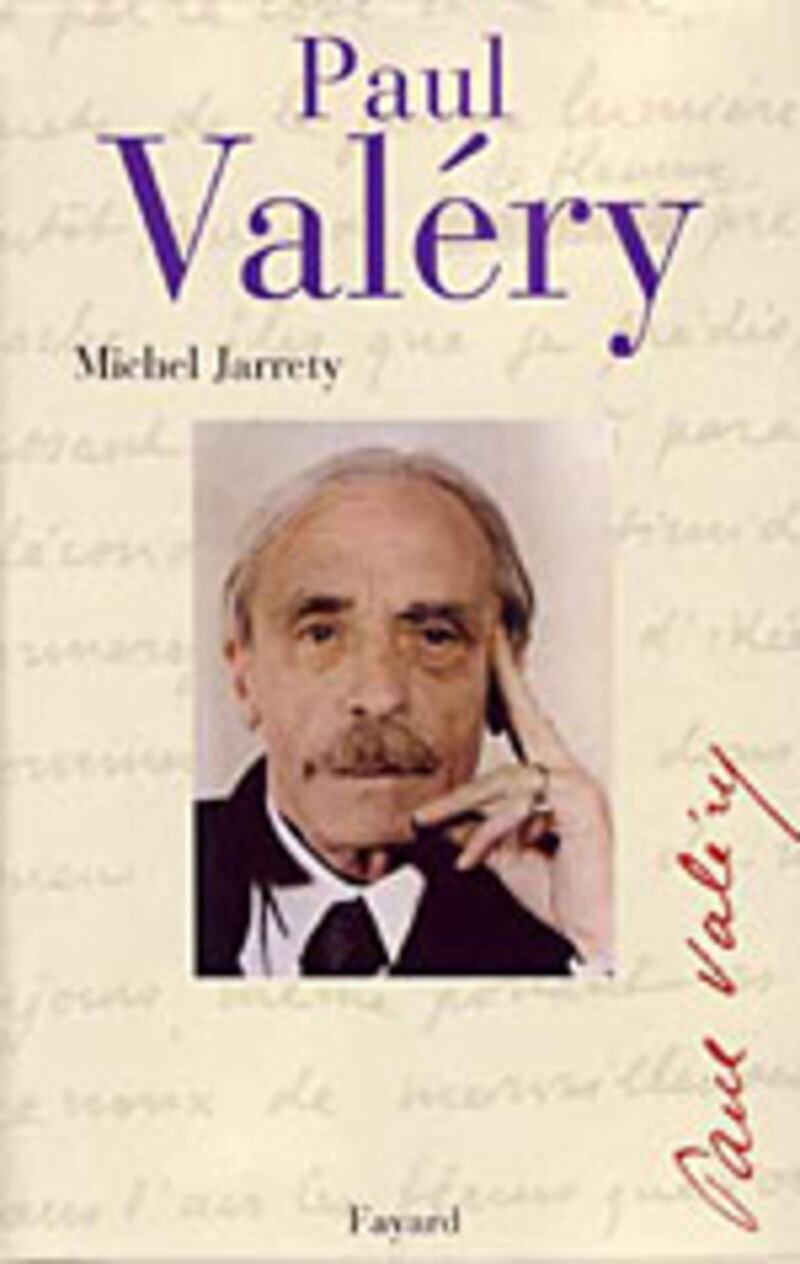
The Ultimate French Intellectual? Beckett will never match the social networking of Paul Valéry, the writer whom T.S. Eliot called “the representative poet of the first half of the 20th century: not Rilke, not Yeats, nor anyone else.” Valéry's many and varied links to Einstein and Stravinsky, Pétain and de Gaulle, Thomas Mann and Picasso are detailed in a massive French biography by Michel Jarrety, Paul Valéry, published by Fayard. There is a paradox in the very existence of such a work, argues our critic, Paul Gifford. Valéry represents “the complete opposite” of the type of criticism that is based on “the man” as the explanation of “the work.”
In the Shadow of the Iron Duke Napoleon is at the centre of several pieces from the rest of this week's TLS French issue. His “hundred days” before Waterloo are seen from the perspective of his internal enemies rather than his romantic allies. Feuds among his defeated Corsicans form the backdrop to Balzac’s The Vendetta, reviewed by Peter Cogman in a “fluent translation” by Howard Curtis. His nemesis, Wellington, founded a troubled dynasty movingly described by Jane Wellesley, one of its modern members: there are many ghosts at this “family feast". The “Iron Duke” was always a hard Duke to follow.
Sir Peter Stothard is editor of the Times Literary Supplement, the international journal of books and ideas. Between 1992 and 2002, he was editor of The Times and in 2003 he wrote, Thirty Days, a fly-on-the-wall account of Tony Blair in Downing Street during the Iraq War.