


Samuel Johnson’s Message to America
In the years before the American Declaration of Independence when “the pursuit of happiness” was a new and fashionable ideal, Samuel Johnson wrote a book about it called The History of Rasselas: Prince of Abyssinia, soon to be republished by Oxford World's Classics.
Rasselas' publication history did not itself begin happily. Johnson wrote the book at high speed, exactly 250 years ago, to help support his sick mother who died before it was finished. But his novella of an African aristocrat's journey in search of true felicity brought the author real joy when the book was published in America. As Thomas Keymer describes in the TLS this week, once “scattered among the people” its popular sales pitch, much at its odds with its content, made it a huge success.
Johnson was a vigorous opponent of the Continental Congress and “equality for all” (“How is it we hear the loudest yelps for liberty among the drivers of Negroes?”) But, when thinking about the pursuit of happiness, he and Thomas Jefferson were probably closer in their beliefs than either would have cared to admit. Life was “everywhere a state in which much is to be endured and little enjoyed.”
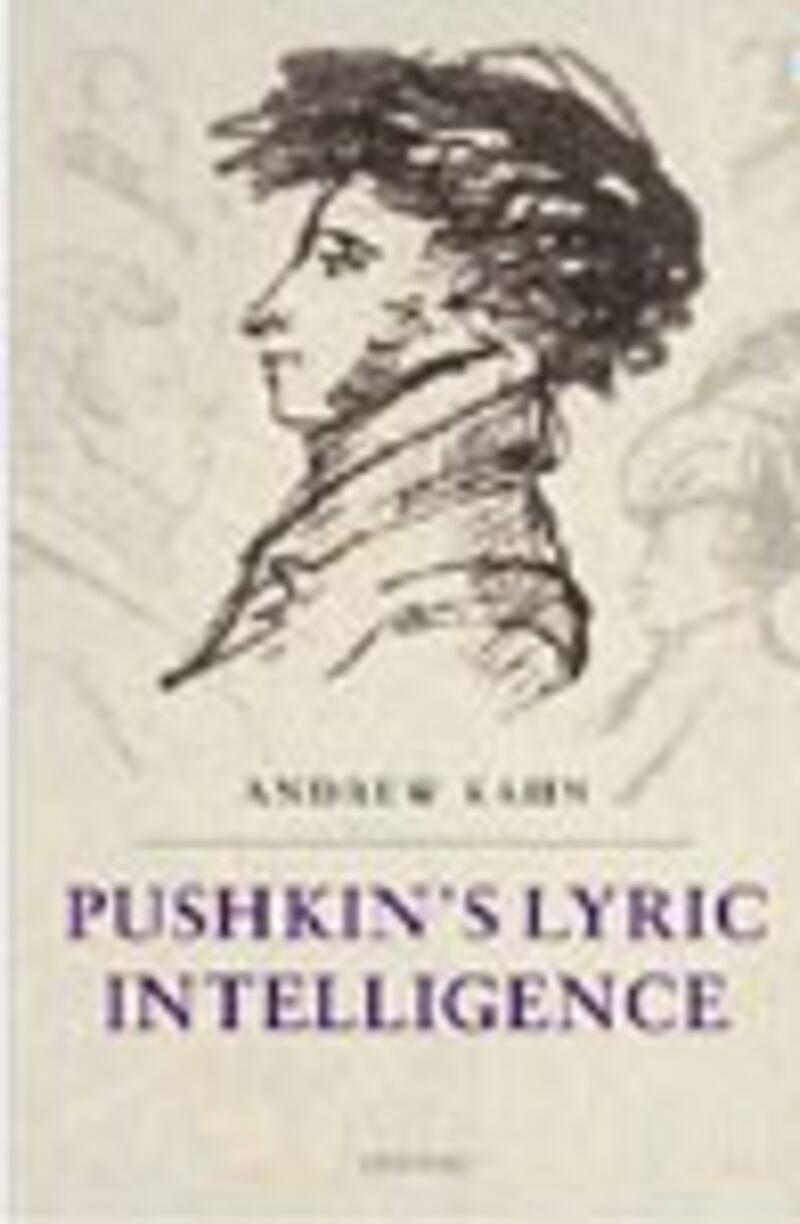
Pushkin’s Library Lyrics
How much is a writer’s library the key to a writer’s mind? A great deal in the case of Alexander Pushkin, whose classic verse novel Eugene Onegin has been given a new and “masterly” English translation for Penguin, in the view of our critic Rachel Polonsky. An important scene in the poem is set in Onegin’s library; and the author of a new critical work on Pushkin, Andrew Kahn, has studied hundreds of his subject’s own books to trace the “thinking through lyric” of this poet of 18th-century ideas. Polonsky hails this as “an exhilarating new direction in Pushkin studies.”
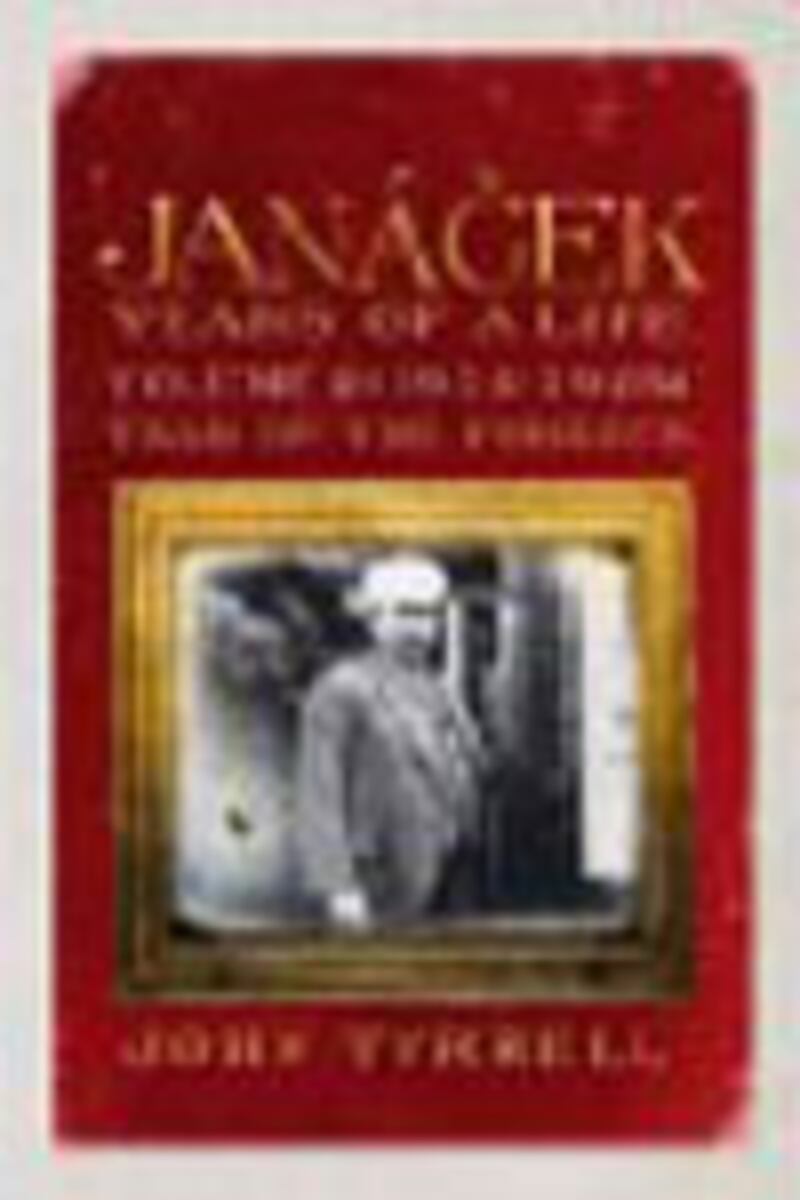
The Janácek Affair
The second volume of John Tyrrell's life of Leoš Janácek weighs the influences on the Czech composer during his years of development from provincial choirmaster to internationally renowned artist. Relationships with his female singers seem to have played a greater part than the books on his shelves. One mistress signed Janácek’s holiday postcards to his wife – and placed her own photograph on the wall when she visited their home. This latest part of Tyrrell's great work, published by Faber & Faber, includes chapters by other writers, on the composer's personal finances and health.
Plus: Check out Book Beast, for more news on hot titles, authors and excerpts from the latest books.
Peter Stothard is editor of the Times Literary Supplement. He was editor of The Times of London from 1992-2002. He writes on ancient and modern literature and is the author of Thirty Days, a Downing Street diary of his time with British Prime Minister Tony Blair during the Iraq War.