
A weekly look at great reads by the editor of the Times Literary Supplement. This week: dancing with Marie Antoinette, a family torn apart by drugs, and health care, Catholic-style.
Witness to Three Revolutions
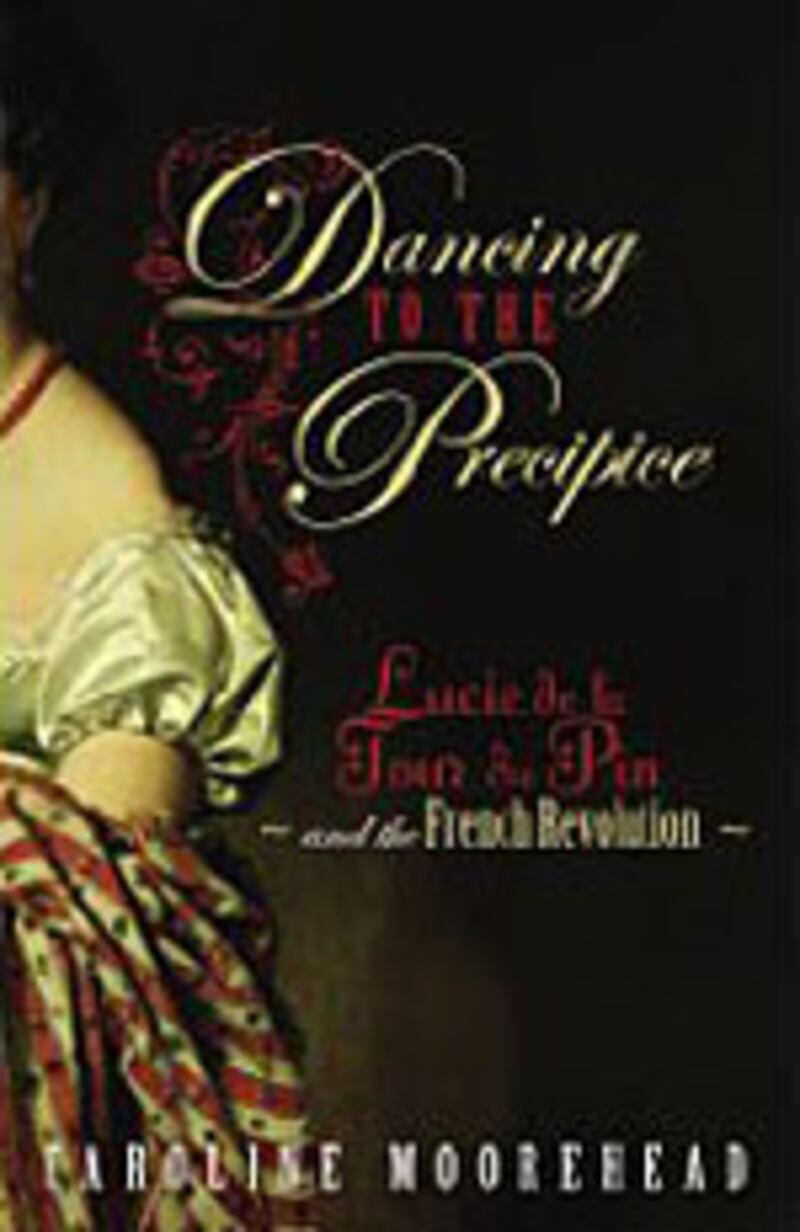
Lucie Dillon had a contacts book to die for. She survived three French revolutions and two French republics at the top of Paris society, sharing dances with Marie Antoinette, gossip with Talleyrand, and a friendship with both Napoleon and the Duke of Wellington.
A large number of her contacts did, of course, die. But when the guillotine loomed too close to Lucie Dillon, Marquise de la Tour du Pin, she crossed over to New York and traded butter with the Iroquois.
The British biographer, Caroline Moorehead, has used the family archives of this social survivor to portray a woman who experienced so much tumultuous history but whose only personal ambition was “to make a good marriage, have children and live happily ever after.” As the TLS critic Biancamaria Fontana concludes in her review this week of Dancing to the Precipice, the life of Lucie Dillon shows how little the historical circumstances that shape our lives may really matter to us, “an object of curiosity only for posterity.”
Julie Myerson’s Lost Family
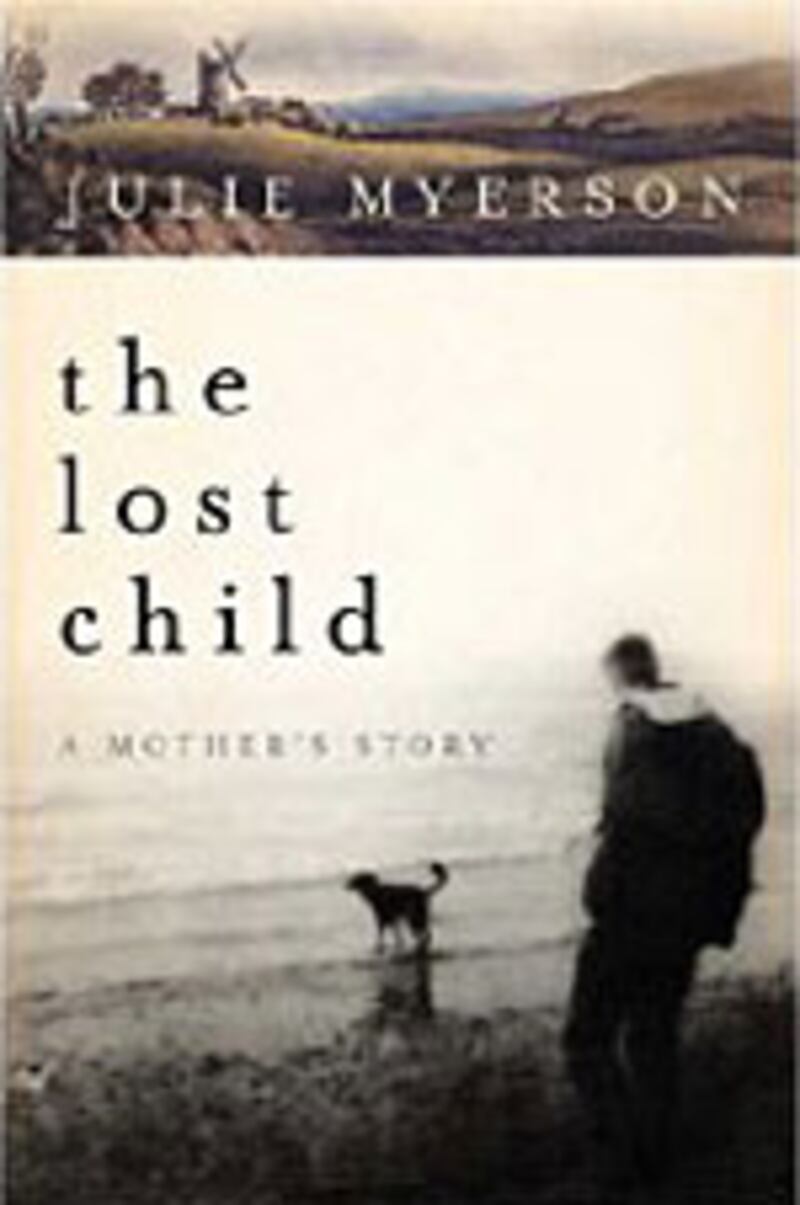
There has been much fuss in the British newspapers about a memoir called The Lost Child in which the novelist, Julie Myerson, tells the “true story” of dealing with her drug-addict son, the fistfights, the expulsions from home, the reconciliations, the family wreckage, and guilt. Has she exploited her son for art, or money, or both? “The Myersons personify the worst generation ever,” commented one London critic in a debate that quickly took on the same frenetic madness as daily life in the Myerson family itself. The Cambridge psychologist and TLS writer Terri Apter takes a cooler look this week at The Lost Child, seeing a very different book from that portrayed in “the self-serving package of interviews that preceded its publication.” A sensational piece of publishing “achieves subtlety and coherence if it is read as a clinical case history with three patients, the narrator mother, the boy, and his father.”
Resurgent Rome
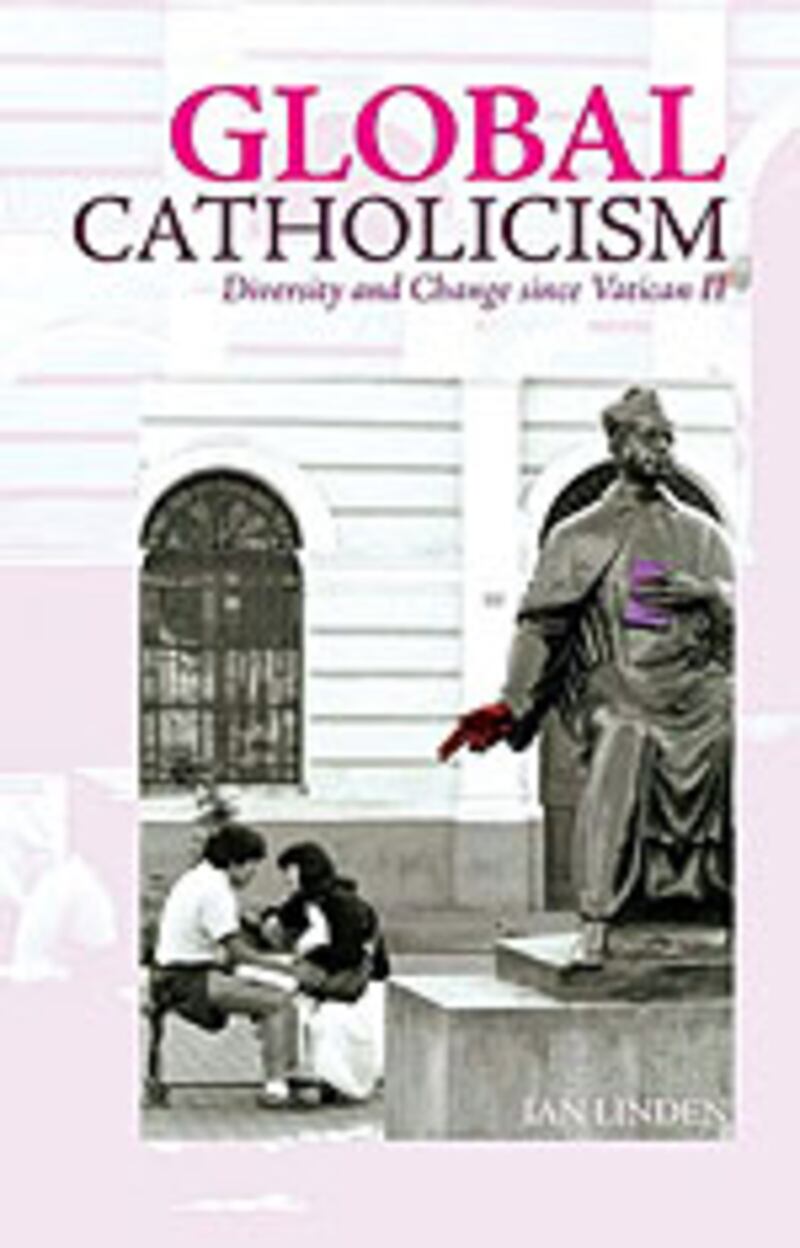
Global Catholicism is a new book by Ian Linden that looks at a truth that most journalists prefer not to believe—that the Catholic Church, misguided on condoms, AIDS, homosexuality, and whatever else the critic may like to add, is also the largest single supplier of health care on the planet. There are also as many Catholics in the world as citizens of China—with implications that are examined in the TLS this week by our distinguished religion editor, Rupert Shortt, author of recent books on both the current pope and archbishop of Canterbury.
Plus: Check out Book Beast, for more news on hot titles and authors and excerpts from the latest books.
Peter Stothard is editor of the Times Literary Supplement. He was editor of The Times of London from 1992-2002. He writes about ancient and modern literature and is the author of Thirty Days, a Downing Street diary of his time with British Prime Minister Tony Blair during the Iraq war.