
Repossessing A.S. Byatt
The original Cinderella of German myth had much more than a jealous stepmother to worry about. She had an incestuous father whose interests were closer to those of the modern monster Josef Fritzl than to the fairy-tale world of pumpkins and glass slippers.
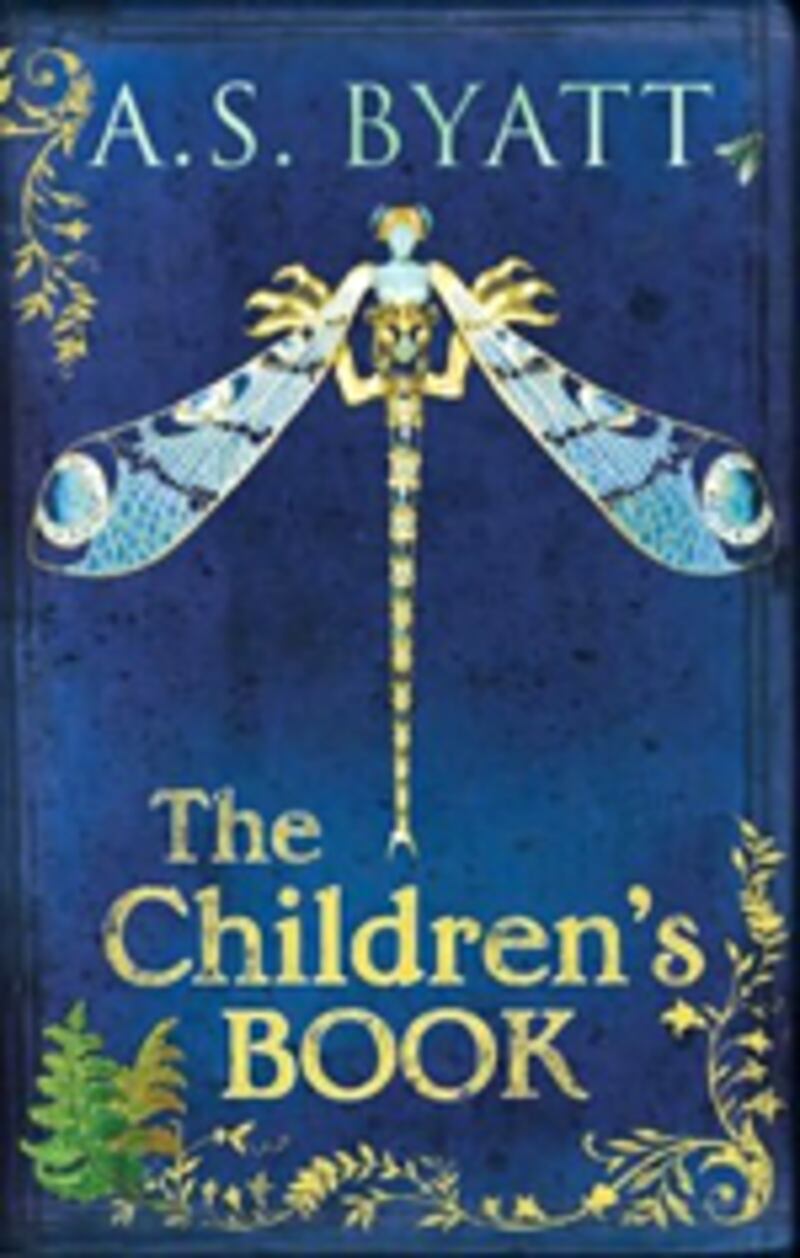
This other Cinderella forms one of the themes of A.S. Byatt's novel The Children's Book, a portrait of the Edwardian age which, after almost 20 years, can finally be set beside her Booker Prize-winning masterpiece of Victoriana, Possession. The one follows directly from the other, argues the TLS critic Elizabeth Lowry. Among its cast of hundreds (this is not the easiest novel to follow), there are the renowned writers for children: J.M. Barrie, Kenneth Grahame, and Rudyard Kipling, the inventors of our idea of childhood in so many ways. At its best, the age’s penchant for little folk is “decorative, whimsical, exhilaratingly pagan.” At its worst, it suggests a profound discomfort with adult sexuality, parenthood, and growing up. There are good fathers who provide the nurseries of dreams. And there is Byatt's Bluebeard—like Benedict Fludd, who keeps a secret hoard of obscenely painted pots, depicting girls in pornographic poses, locked away in his pantry.
Hilary Mantel’s Henrician Hero

May is the big month for British fiction. Vying for bookshop supremacy with Byatt is Hilary Mantel, whose Wolf Hall attempts to rescue the character of Thomas Cromwell from the villainous reputation created by Robert Bolt's film A Man for All Seasons. Thomas Cromwell was the minister of Henry VIII, facilitator of his marriage to Anne Boleyn, and master of the English Reformation. The TLS critic Michael Caines weighs up a formidable but very lengthy novel which, like Byatt's Possession, also has a weighty sequel in its publishers' lists for the future.
Spinning Caesar’s Murder
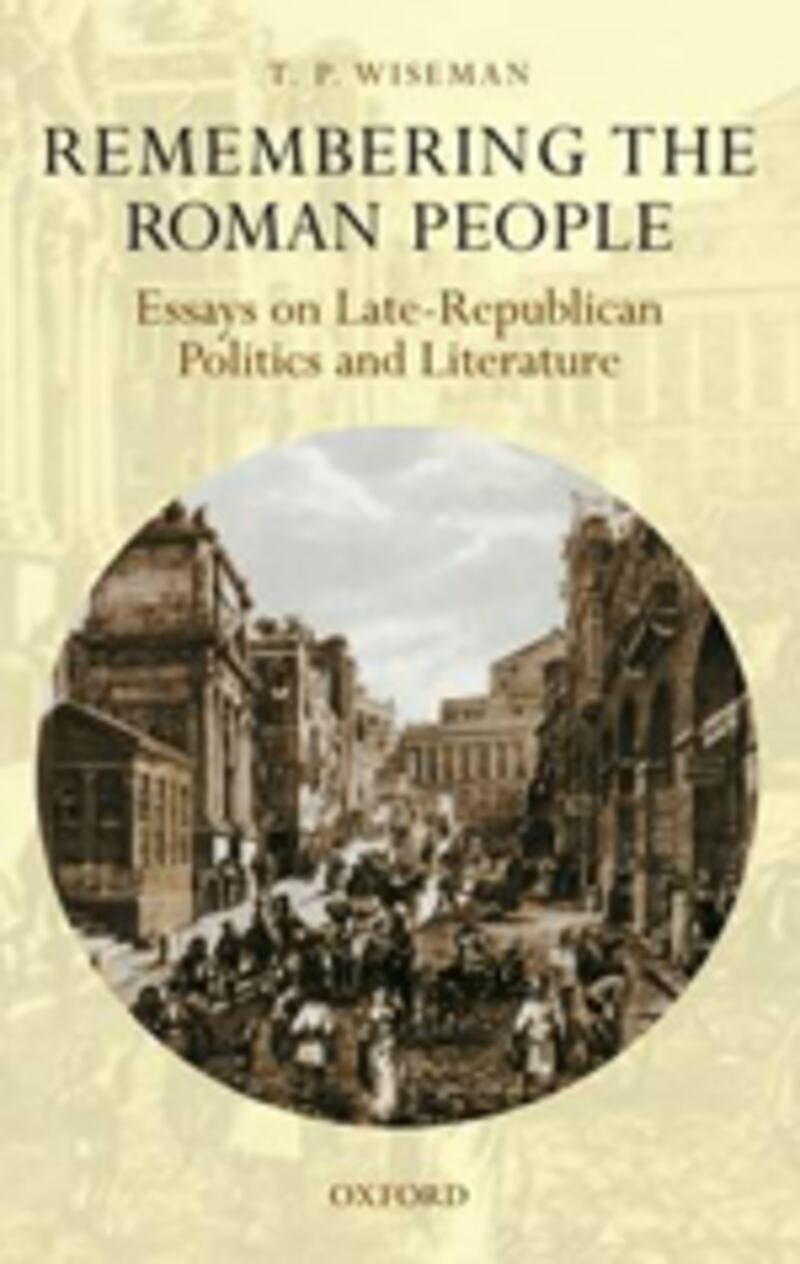
We know what men at the top of Roman society thought about the assassination of Julius Caesar. Can we ever know what the man in the street thought? This is a debate that has raged amongst classicists for decades, but in his Remembering the Roman People, the historian T. P. Wiseman has made a striking and ambitious attempt to go beyond his predecessors in discovering the views of the ancient masses. Caesar was depicted by his assassins as a tyrant, but the Roman mob may have rather liked his radical generosity and seen through the use of a “freedom” slogan that simply transferred power to a less generous group of the very rich. As Mary Beard explains this week, Wiseman not only rejects “conservative wishful thinking” dressed in the guise of liberty, but reads the ancient evidence “against the grain” for every tiny crack through which the popular will might be seen.
Plus: Check out Book Beast, for more news on hot titles and authors and excerpts from the latest books.
Peter Stothard is editor of the Times Literary Supplement. He was editor of The Times of London from 1992-2002. He writes about ancient and modern literature and is the author of Thirty Days, a Downing Street diary of his time with British Prime Minister Tony Blair during the Iraq war.