Linneaus at the Service of Emgland
When botanists discuss the work of their greatest predecessors, they tend to stress science over money and politics. But to read The Scientific Correspondence of Sir Joseph Banks, Captain Cook's travelling plant collector in 1768, is to see how big a part imperial expansion played in the thoughts of our botanical pioneers. As Jim Endersby describes in the TLS this week, Banks saw quickly how dyes, varnishes, paper, and “many of the more important manufactures” could be more profitably made from his South Sea discoveries. He prided himself on making Britain “master of the definitions” and helped to reduce an £800 million trade deficit on Chinese tea by inspiring a new strain that could grow in British India. Banks first colonized botanical knowledge then transplanted it to the colonies.
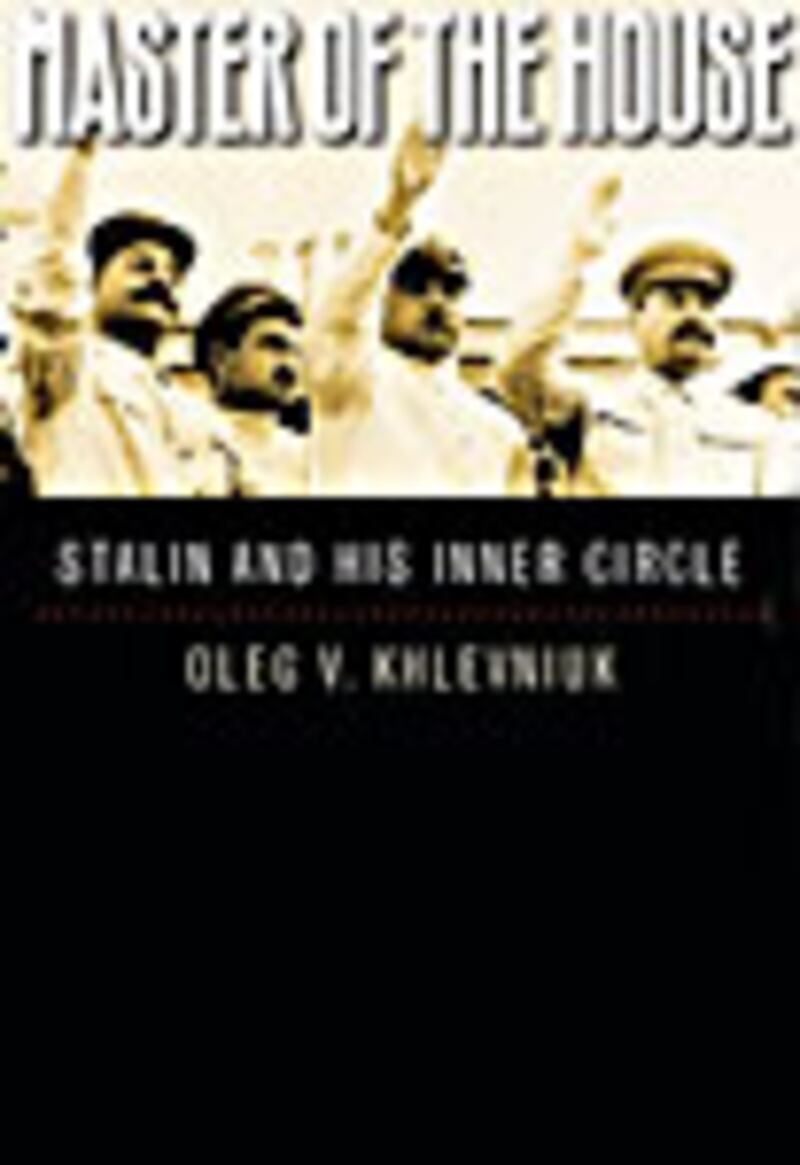
Stalin in Charge
How long did a meeting with Stalin normally take? Who could get in—and out—and for what? Oleg Khlevniuk, the doyen of Moscow’s archival researchers, set out to discover when Stalin felt he needed his colleagues' support (shooting 44,000 senior officials in 1937-8) and whom he took with him on his working holidays. Usually Stalin could decide things alone but the ministerial correspondence of the 1930s is far from dull, indeed much “franker than that of most democratic ministers” today, concludes Donald Rayfield.
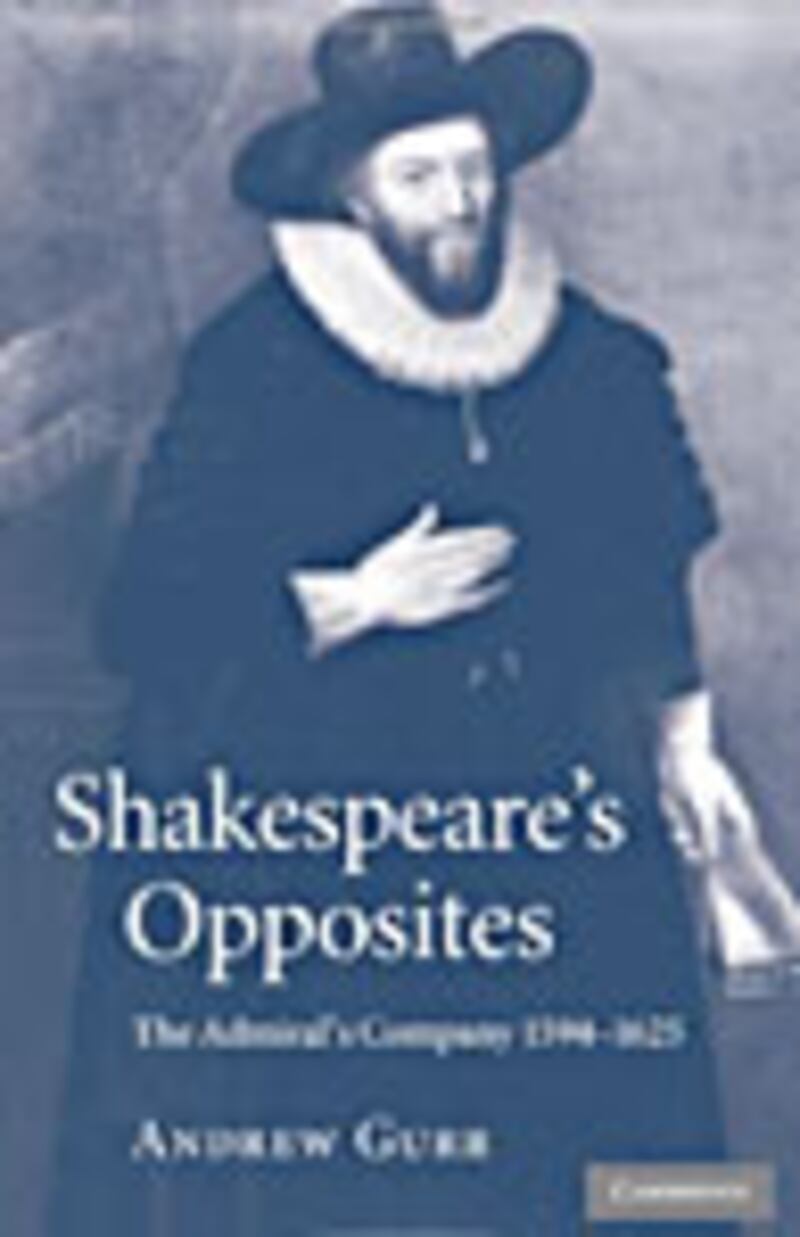
Shakespeare’s Rivals
Shakespearians are well-catered for through the English summer, with the popular summer school at Stratford and a mass of productions in London. The former has now ended for this year, but TLS readers will learn from Alastair Fowler about "the holiday spirit" of Elizabethan players as they toured country towns, great houses, and colleges. Touring was often a good way to avoid the plagues of the city and the demands of twice-weekly repertory performances and encouraged the writing of plays in which actors wore disguises.
Plus: Check out Book Beast, for more news on hot titles and authors and excerpts from the latest books.
Peter Stothard is editor of the Times Literary Supplement. He was editor of The Times of London from 1992-2002. He writes about ancient and modern literature and is the author of Thirty Days, a Downing Street diary of his time with British Prime Minister Tony Blair during the Iraq war.