
Coetzee’s Contender for the Booker Prize
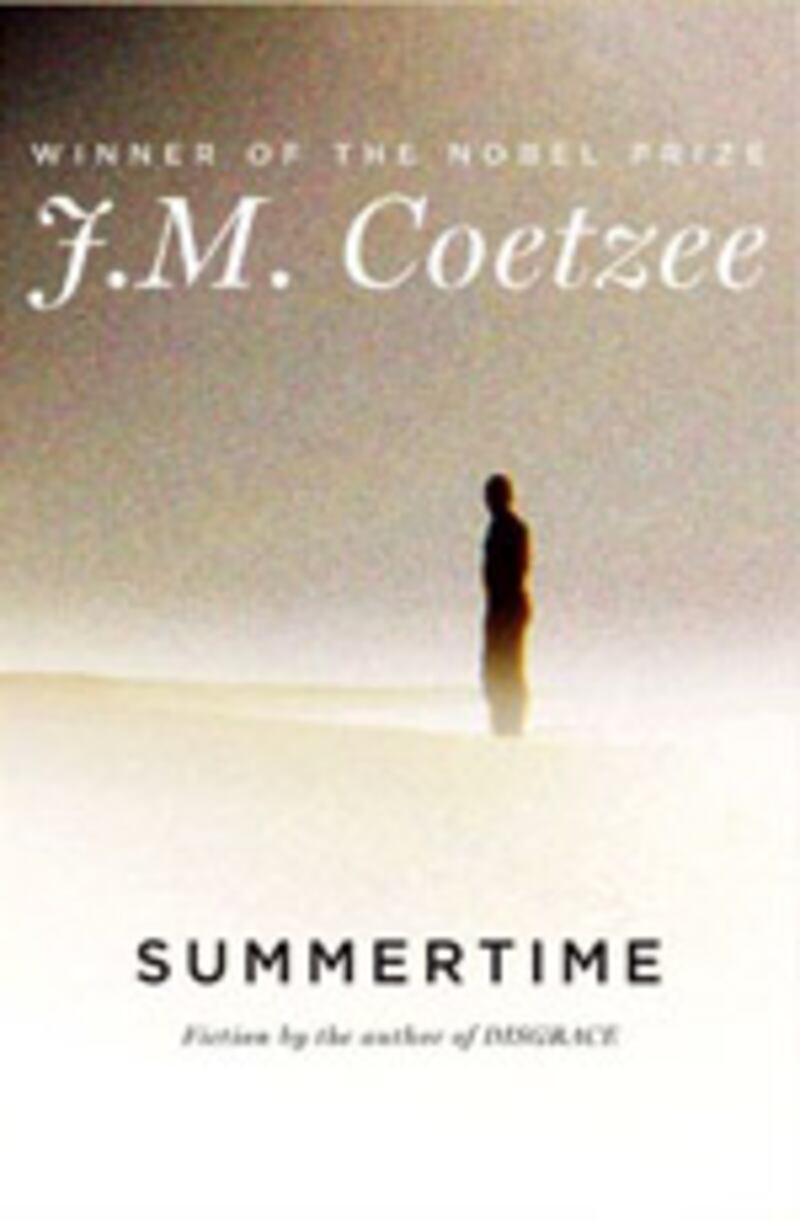
Among a batch of historical novels on this year's shortlist for the Booker Prize is J.M. Coetzee, the South African Nobel Prize-winner and twice past winner of the Booker. His Summertime, the final volume in a trilogy of fictional memoirs of his own life, will be judged next month alongside the favorite, Wolf Hall, Hilary Mantel's account of Thomas Cromwell, and a clutch of other recreations of English worlds gone by.
Coetzee's is the least accessible of the six, the "autre-biography," the meta-work, on a list noted for strong, more traditional narrative. A victory for him would probably not be the most favored by the sponsors, because he reliably fails to appear at award ceremonies. "With Summertime, the impulse appears to be to kill off Coetzee the celebrity author as much as to examine, through the filter of fiction, his own life at a specific stage," writes Patrick Denman Flanery in the TLS, reviewing the book , which begins with the conceit that John Coetzee is dead and that his biographer has only five interviews and a series of notebook entries for completing his memoirs.
My own money (and best hopes) would still be on Wolf Hall, one of the finest books I have read for years, but a Booker jury, like a meta-biographer, can do anything.
Hairy Renaissance Girls
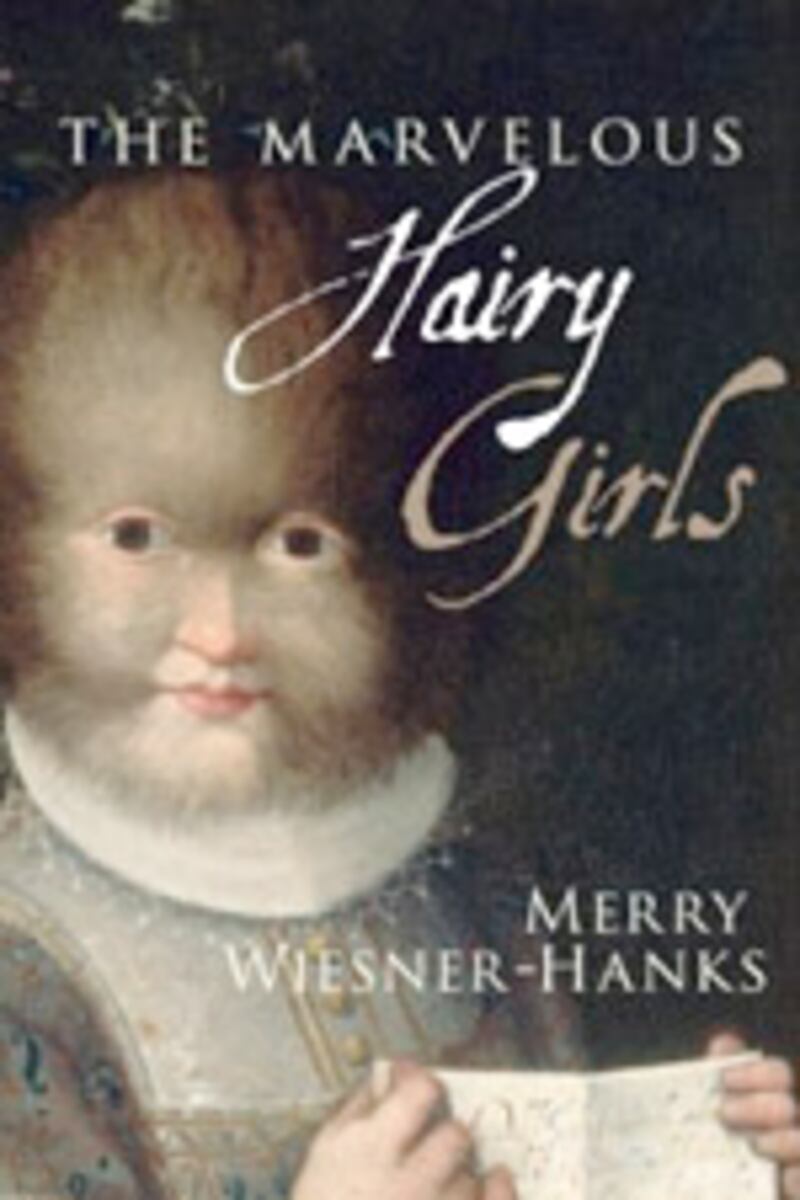
Visitors today to Spain’s Canary Islands off the African coast are being offered a new pre-colonial history to show how the indigenous people, the Guanches, used to live before the Europeans decided to fight, trade, sunbathe, and grow tomatoes there. An early prize discovery, in 1537, was a Guanche man with fine hair over his face and body who, as soon as he was comfortably resettled at the French court of Catherine de Medici, sired some equally furry daughters. Bettina Bildhauer reviews Merry Wiesner-Hanks’ The Marvelous Hairy Girls alongside Jennifer Spinks’ study of how 16th-century Germans liked their own "unusually formed children and animals." Attention to the unusual is a key to understanding mainstream mentalities: "Show me your monsters and I will show you who you are."
Les Rosbifs Abroad
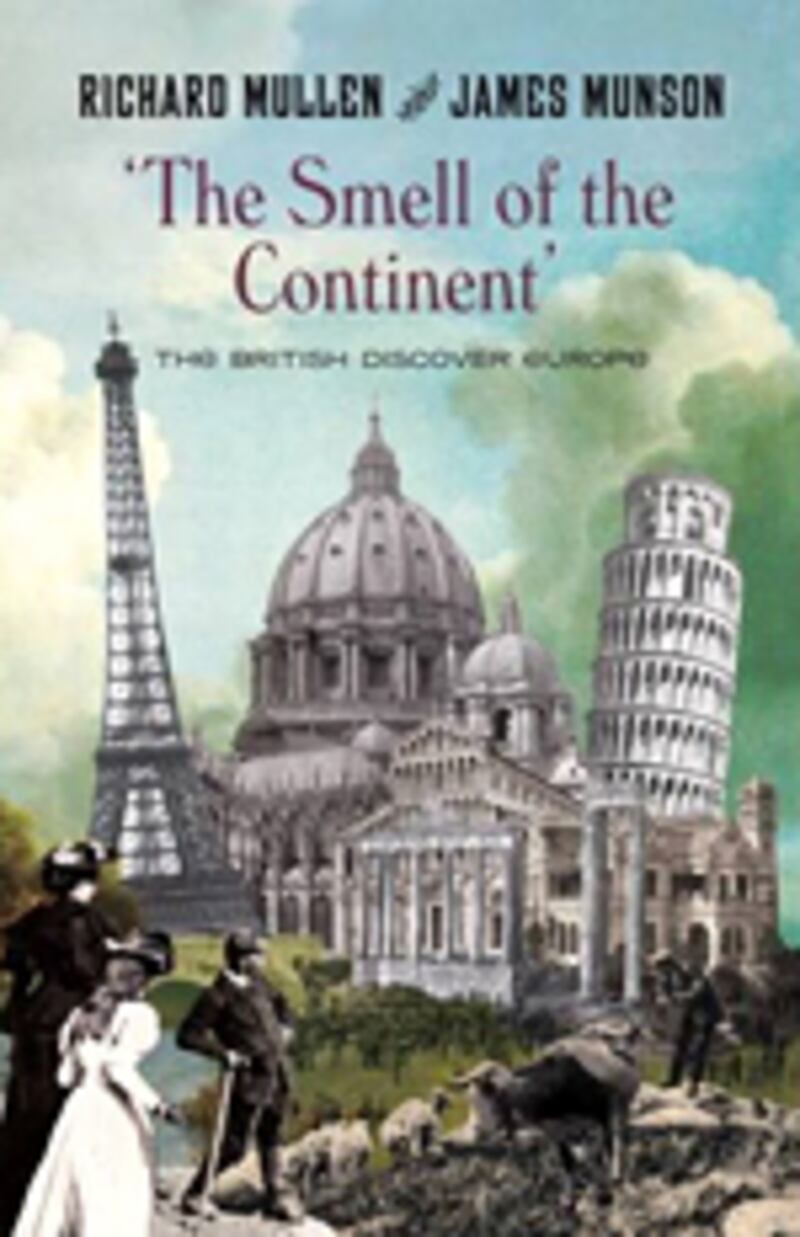
In the century between the Battle of Waterloo and the pistol shots at Sarajevo, British tourists in Europe presented a sometimes monstrous image of their own. Les rosbifs, as some French called them, were as intrepid as they were invasive. Richard Mullen and James Munson have written an account of the distaste, enthusiasm, petulance, and trials of those who visited morgues, slaughterhouses, mental asylums, and electro-plating demonstrations as well as paintings in the Louvre, Passion Plays at Oberammergau, and the spa at Marienbad. Richard Davenport-Hines notes a teeming cast of characters in The Smell of the Continent, including a washerwoman known as Rosette L’Amour, a governess named Miss Freelove, and a restaurant critic called Algernon Bastard.
Plus: Check out Book Beast for more news on hot titles and authors and excerpts from the latest books.
Peter Stothard is editor of the Times Literary Supplement. He was editor of The Times of London from 1992-2002. He writes about ancient and modern literature and is the author of Thirty Days, a Downing Street diary of his time with British Prime Minister Tony Blair during the Iraq war.