
Harold Evans on the Heyday of Fleet Street
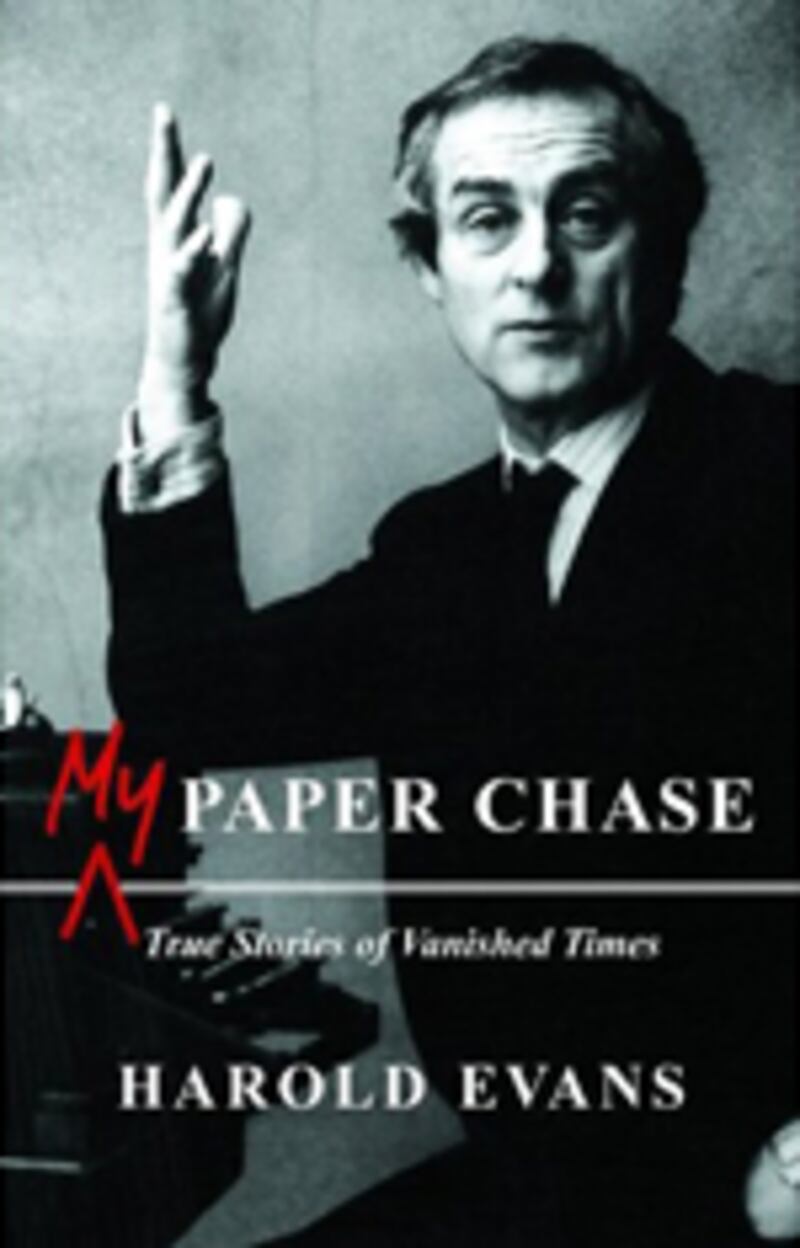
The autobiography of Britain's greatest post-war newspaper editor, Sir Harold Evans (and husband of Daily Beast founder and editor in chief Tina Brown) is attracting great attention in London, not just because of its vivid accounts of vanished worlds of journalism but because of its reminder of what may be vanishing in front of his successors' very eyes.
Evans became famed throughout the world for his career as editor of The Sunday Times in the 1960s and 1970s. But one of his earlier assignments, as he describes in My Paper Chase, was in a North of England sub-editors’ room under the tutelage of a “Mr. Bow-Tie,” the copy-taster who gave him the tools of his trade: “spike, two pencils, glue-pot, scissors.”
Mr. Bow-Tie himself had “two shiny spikes ready for the day’s torrent of copy,” a reminder to journalists today of the then-best-known tool of our trade, this simple thing of metal and wood, a kind of mahogany kebab, which for a century was the place where copy was killed, the final home of all news deemed not fit to print.
The spike has been an apt metaphor for the editor’s trade, for the power to reject, for the exercise of choice, for discrimination and caprice and the occasional insertion of steel between the shoulder blades. Evans was its master, pursuing the secretive and the fraudulent with legendary determination that is described in the TLS this week.
But in the online age, when there is limitless room for anything and everything, both the spike itself, and even its spirit, are disappearing—with unpredictable consequences that Evans' book, written from New York, has raised high in the London agenda.
Rilke’s Domineering Mistress
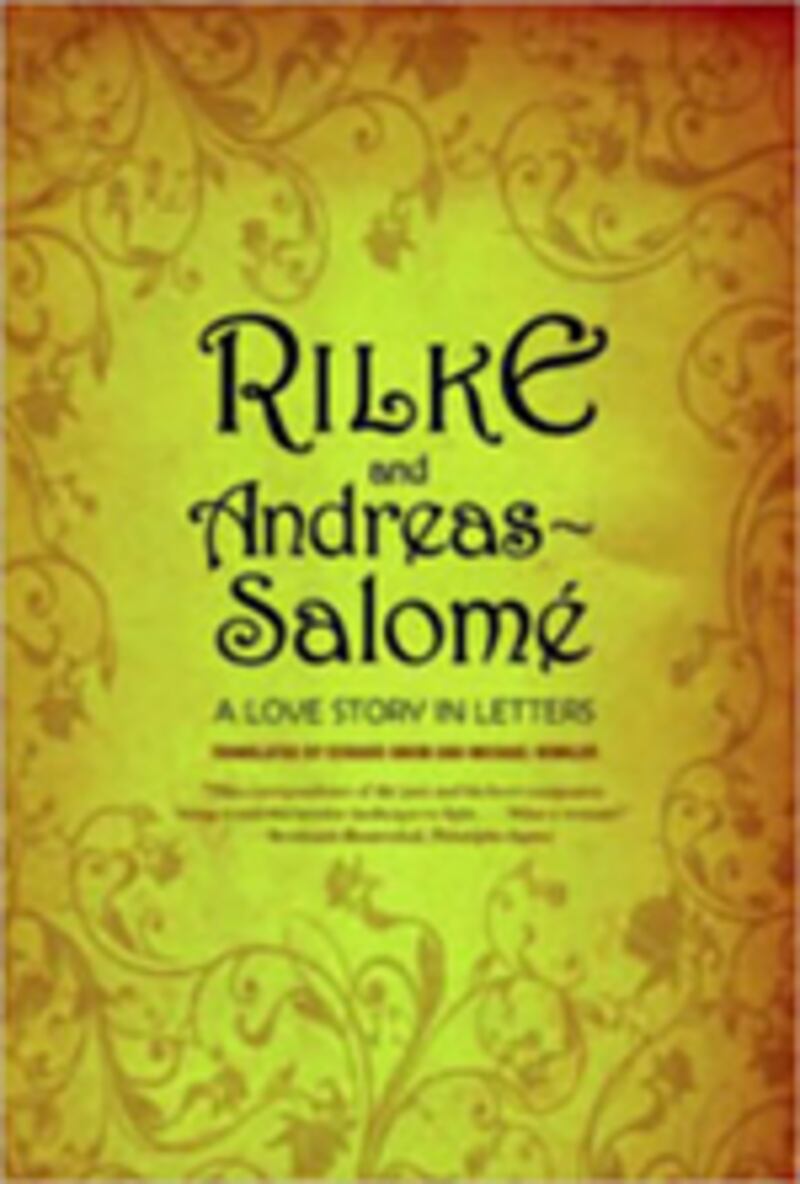
Lou Andreas-Salomé was a woman who had "a remarkable flair for great men." Even Friedrich Nietzsche proposed marriage before eventually dismissing her as "an ill-smelling monkey with false breasts." More significantly, she had a four-year affair with Rainer Maria Rilke and a lengthier correspondence with the poet, which has been newly translated by Edward Snow and Michael Winkler. These letters reveal the severe trials of being the muse of a genius judged by Robert Vilain this week as "narcissistic, snobbish, whining, lachrymose," to repeat just a few of the epithets which our critic deploys. Rilke accused her of forming him like a clay pot before dropping and breaking him.
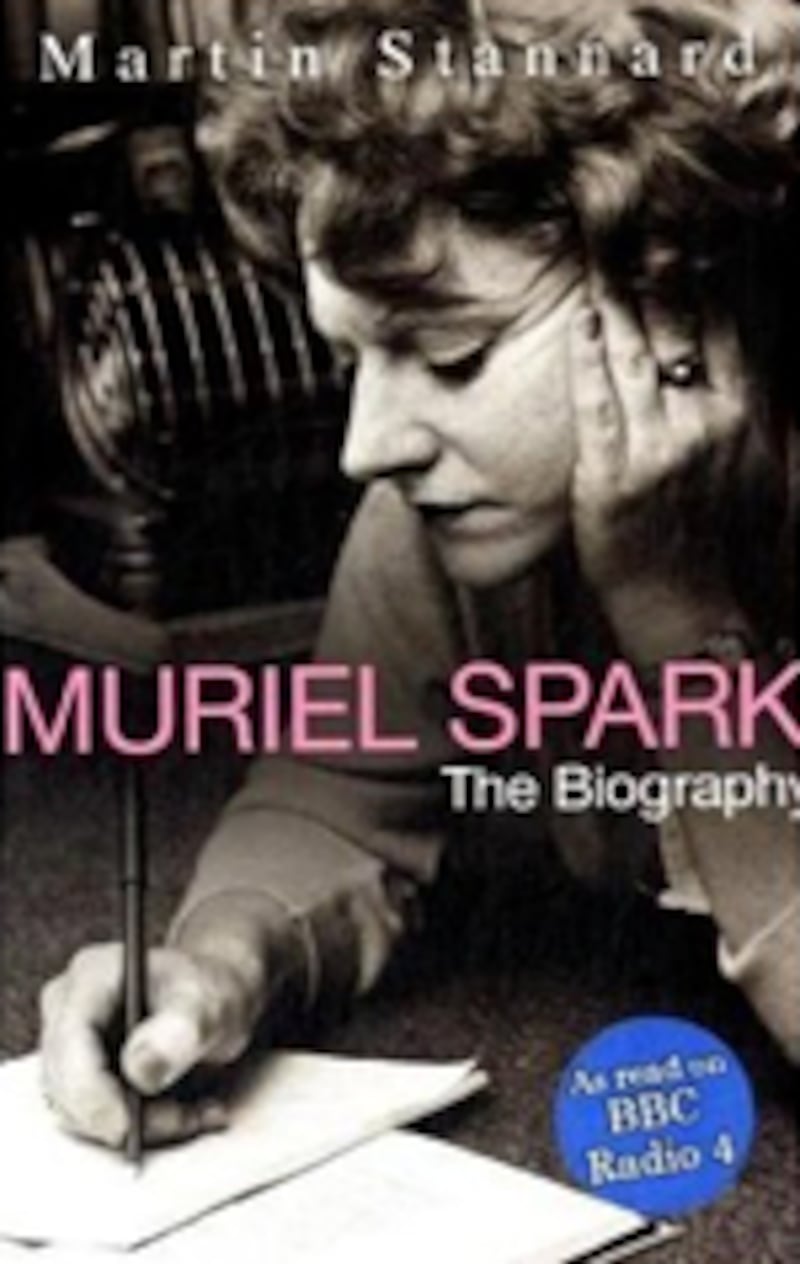
Muriel Spark and Her Enemies
No one could ever accuse Muriel Spark of having Andreas-Salomé’s flair. The great Scottish novelist chose minor men as her lovers and by her ruthlessness made them generally more minor still. James Campbell, reviewing Martin Stannard’s biography, highlights the "foe" whom she eventually found in all her friends. For legal reasons, however, which are not wholly clear, the "foes" gain a certain revenge in this book since their many letters to Spark are quoted directly while hers to them are mostly not. The bitter family argument about whether Spark was Jewish is more or less resolved.
Plus: Check out Book Beast for more news on hot titles and authors and excerpts from the latest books.
Peter Stothard is editor of the Times Literary Supplement. He was editor of The Times of London from 1992-2002. He writes about ancient and modern literature and is the author of Thirty Days, a Downing Street diary of his time with British Prime Minister Tony Blair during the Iraq war.