
This week: A fictional Bernie Madoff, a classic history of the U.N., a poet who writes about finance, four siblings with a messy childhood tale, and a tragic diplomatic life.
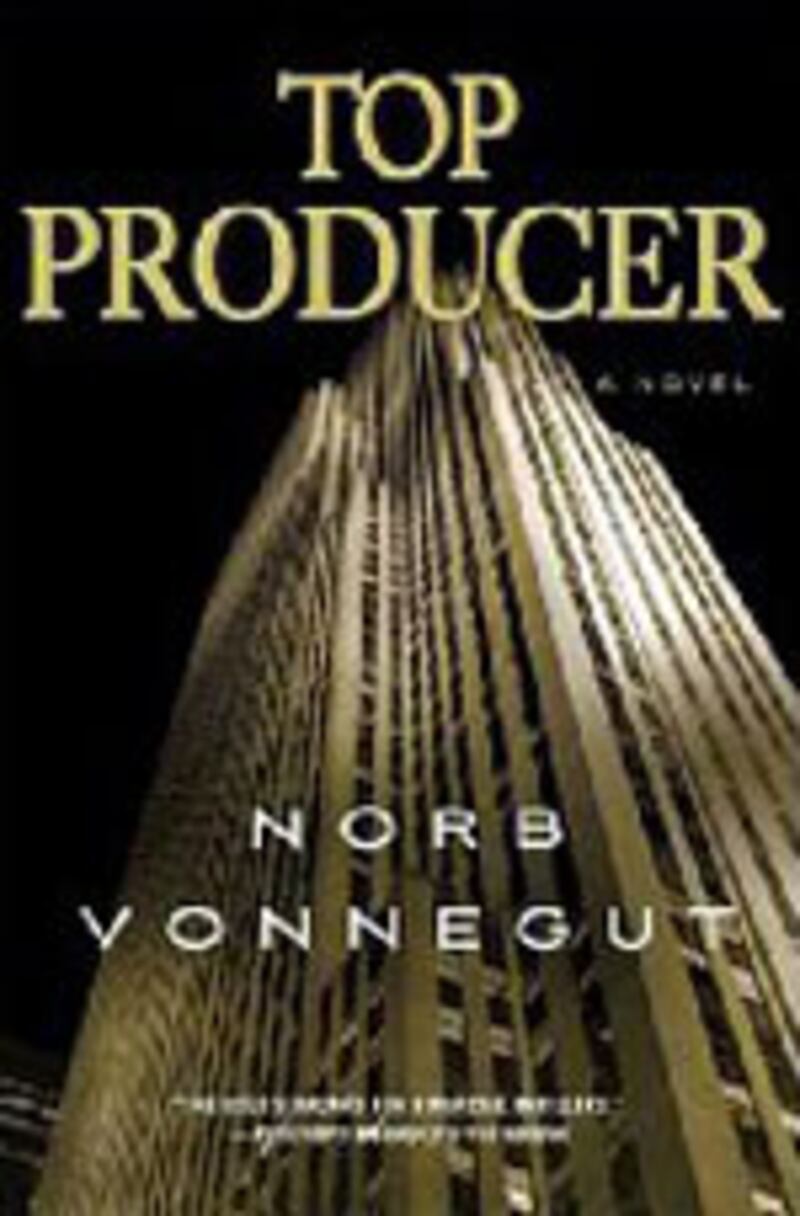
Top Producerby Norb Vonnegut
A financial thriller about a Bernie Madoff-like swindler.
Grove O’Rourke is a rising star at a Wall Street brokerage firm when his best friend, Charlie Keleman, dies under strange circumstances. When Grove offers to help Charlie’s widow sort out her finances after her husband’s death, he thinks the task will be quick and easy. But then he discovers that the money Charlie was supposed to be managing has disappeared, and he unlocks a Madoff-like web of deceit. And when Alex Romanov, another broker, offers Grove his assistance, things only get more complicated. Reminiscent of Bonfire of the Vanities, this first novel from Norb Vonnegut, himself a veteran of the Wall Street investment-bank circuit, “meets the gold standard for financial thrillers as it puts the frenzied, cutthroat world of Wall Street’s best stockbrokers (aka the ‘top producers’) on brilliant display,” Publishers Weekly writes.
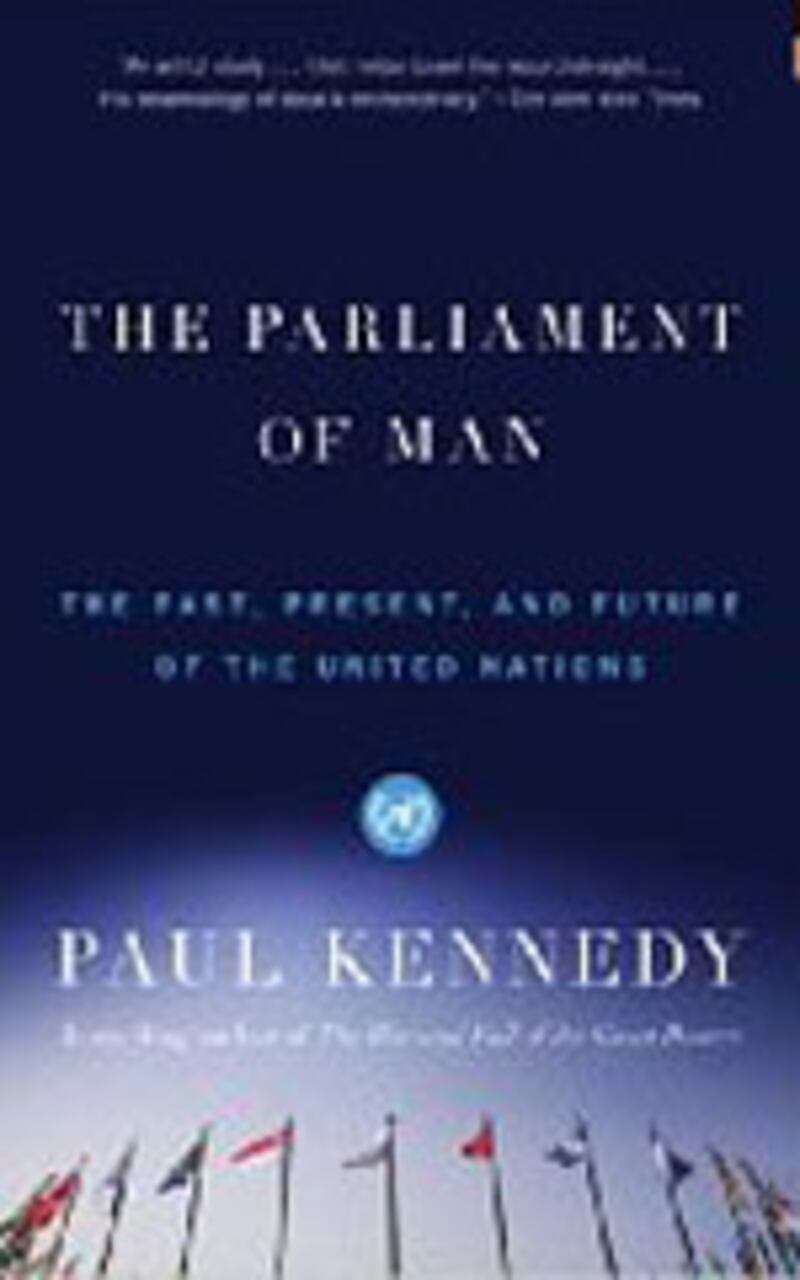
The Parliament of Manby Paul Kennedy
A definitive history of the United Nations and its role in the world.
Yale historian and scholar Paul Kennedy has written the first true analysis of the United Nations—explaining its roots, functions, and effectiveness as an international organization whose goal is to attain the ultimate pageant ambition of world peace. Keenly aware of the difficult challenges facing the U.N., Kennedy is able to highlight the indispensable nature of an institution made up of humans attempting to exhibit superhuman power. “Amid the morass of commissions and conferences, and failures like Rwanda, he manages to find something convincingly heroic,” The New Yorker explains of Kennedy’s work. Kennedy does not simply lament the U.N.’s errors but offers a series of proposals for reform, including establishing a standby force of 100,000 soldiers and adding eight or nine nonpermanent members to the Security Council.

The Financial Lives of the Poetsby Jess Walter
A personal story of the financial crisis—with poetry.
Jess Walter, hailed as “a ridiculously talented writer” by The New York Times, depicts the anxiety and grief associated with the worldwide financial meltdown in his new work of fiction, The Financial Lives of Poets. Shortly before the crisis, Matthew Prior quit his job as a newspaper reporter to start a Web site devoted to financial journalism written as poetry. Meanwhile, his wife, Lisa, squanders their life savings on a misbegotten eBay figurine resale business. Now at the end of his rope, Matthew is jobless, suspicious that his wife is having an affair, and six days away from losing his home. Janet Maslin of The New York Times notes, “Mixing financial advice with poetry is a terrible idea. But combining the elements of tragedy with a sitcom sensibility is a good one. And it’s what Jess Walter continues to do best.”

The Kids Are All Right by Diana Welch, Liz Welch, Amanda Welch, and Dan Welch
Four orphaned siblings recount their eerie ’80s childhoods.
The truth is stranger than fiction in this memoir of a family shaken up by everything from bankruptcy to the arrival of an exchange student and, eventually, the death of both parents. The memoir is written by all four Welch siblings and tells the stories of the strange trajectories they took to deal with their grief: Liz moved to Norway, Amanda and Daniel dabbled in drugs, and Diana took on an entirely new identity with an unfriendly foster family. After a rocky road, the siblings manage to find their way back to each other and reunite as a family, a story Uses of Enchantment author Heidi Julavits describes as full of “humor, compassion, and humility, and teeming with priceless ’80s references.”

Chasing the Flame: One Man’s Fight to Save the Worldby Samantha Power
The emblematic death of a United Nations official crushed in Iraq.
As the United Nations gathers for its annual General Assembly, it is worth revisiting Samantha Power’s stunning account of a U.N. diplomat who made a real difference. In 2003, when a suicide bomber attacked a hotel in Baghdad, Brazilian humanitarian Sergio Vieira de Mello was one of many buried beneath the rubble. De Mello had been serving as the U.N. secretary-general’s special envoy after 35 years of international service working to improve political systems in troubled nations, prosecute militants, and help refugees. Samantha Power, author of A Problem From Hell, examines the questions and techniques at the heart of de Mello’s groundbreaking diplomatic work. This powerful look at one man’s life provides perspective for the past several decades of American foreign policy, befitting what Publishers Weekly calls Power’s goal to “to extract lasting lessons for the international community’s efforts to head off humanitarian catastrophes and mend failed states from his experience.”