
Roman Ghostwriting
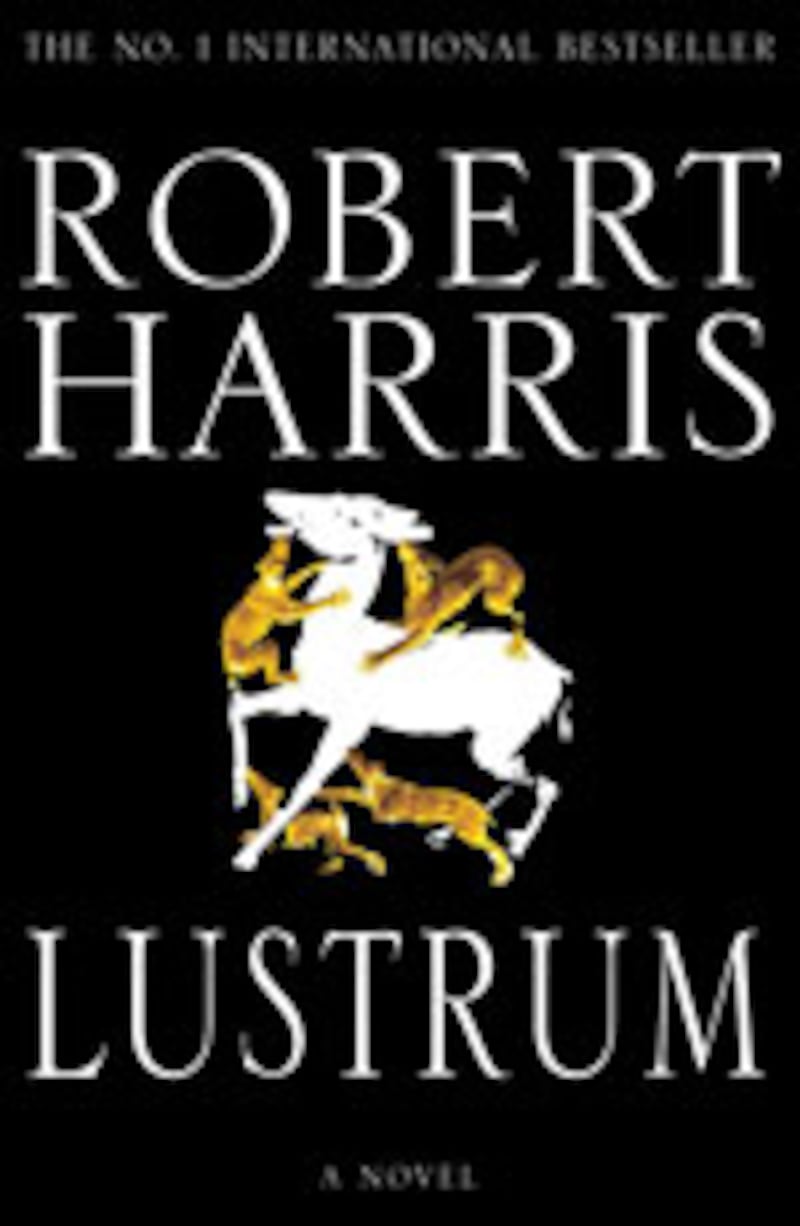
One of the British novels with the highest sales hopes before Christmas is Lustrum by Robert Harris. After a previous bestseller which described the ghostwriting of a recently retired prime minister’s memoirs, Harris has returned to treat a parallel theme in ancient Rome. He’s fascinated with what the death of the Roman republic can teach our own era through the words of Cicero's ghostwriter, Marcus Tullius Tiro. The plot covers five years, a lustrum, from Cicero's consulship in 63 B.C. when he triumphs over the state's enemies to the great man's pompous years, spent in obsession with status, expensive houses, and wearisome retelling of the past. As the TLS describes this week, it is both an exhilarating tale and a wise one.
Art Plunder, Ancient and Modern
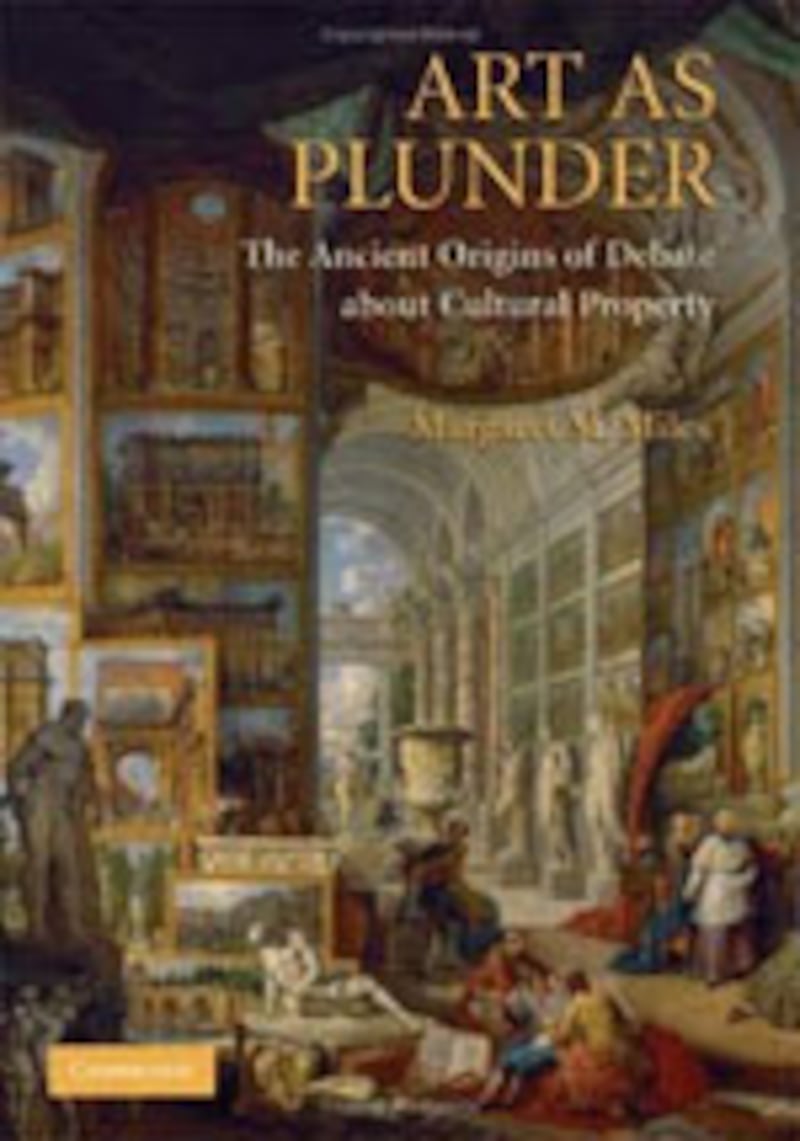
The link between art and plunder is another lesson from ancient Rome that is with us still. Few great museums are without objects claimed in one way or another by someone else. Mary Beard has been reading Margaret M. Miles' book on how old the debate about cultural property is. The same Cicero whom Robert Harris makes his subject was the famous scourge of a Roman governor, Caius Verres, who through intimidation and theft brought fine Greek sculptures to Rome. But how did art change from being the commonest and most legitimate of spoils to its current special status as cultural property to be kept as close as possible to its original home?

Space Travel’s Infinite Complexities
"Infinities within infinities within infinities," is one character's observation of the world in Iain Banks’ new novel, Transition. The result can be a confusing place to be, writes Michael Kerrigan. No reality here is more than an aspect of an endlessly complex system of completely separate though ultimately related existences between which the leading actors "transition" (a verb here) more or less at will. Science-fiction-sophisticated fans of the writer's own alter ego, Iain M. Banks, may feel instantly at home in this mesmerizing "multiverse." Long-term readers of the more mainstream M-less writer, Iain Banks, will be prepared for what awaits them. Newcomers may struggle to find their way.
Plus: Check out Book Beast for more news on hot titles and authors and excerpts from the latest books.
Peter Stothard is editor of the Times Literary Supplement. He was editor of The Times of London from 1992-2002. He writes about ancient and modern literature and is the author of Thirty Days, a Downing Street diary of his time with British Prime Minister Tony Blair during the Iraq war.