A look at great reads from the editor of the Times Literary Supplement. This week, a book on C.S. Lewis’ planetary inspiration, artists’ self-portraits, and Trotsky’s revolutionary life.
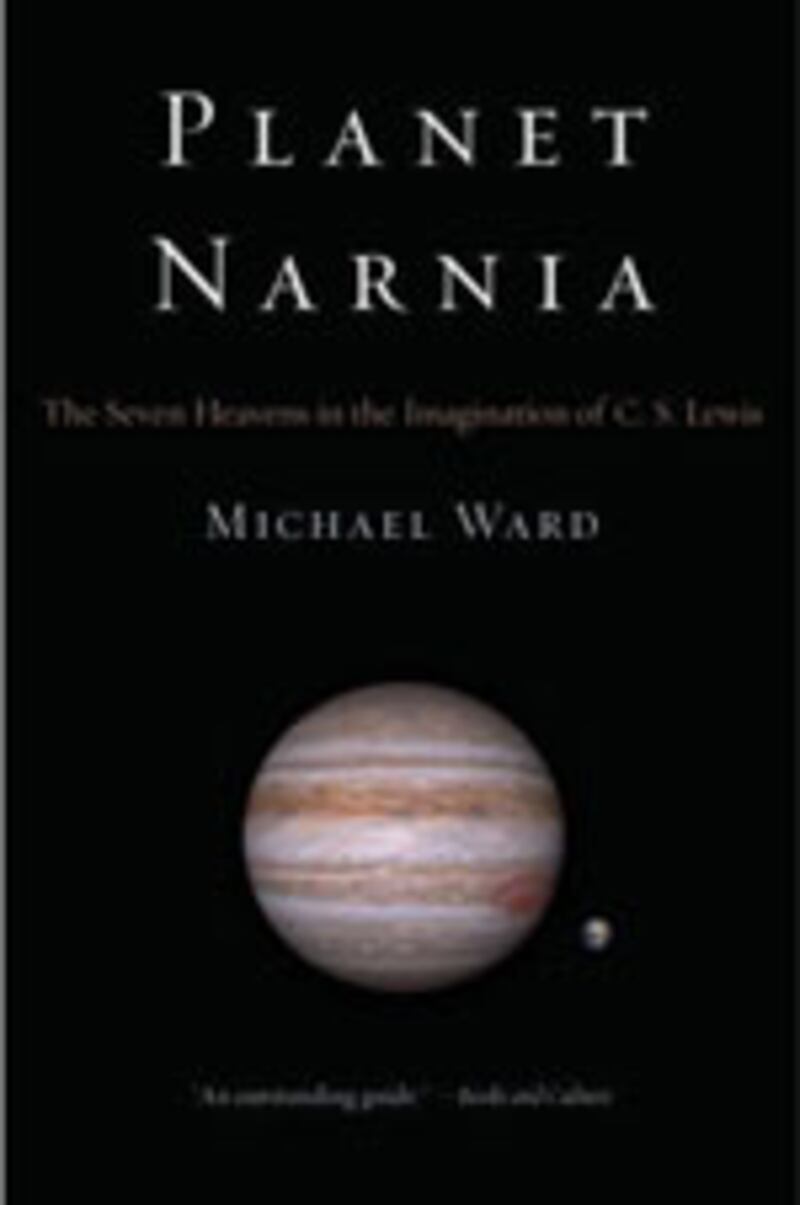
Planet Narnia
"Our age is dominated by Saturn, and it is time to rediscover Jupiter." In the TLS this week, we discover that the "hidden" code to Narnia can be found in medieval planetary lore. At the risk of sounding like Dan Brown, the foremost living C.S. Lewis scholar, Michael Ward, makes a wholly convincing case for reading the seven classic children’s stories in relation to the seven planets ("including the Sun and the Moon but excluding Uranus, Neptune and the now-demoted Pluto.")
This system is used alongside the more obvious Christian imagery and works within rather than against it: "Though intellectually a trinitarian Christian, imaginatively Lewis lived in world of ancient paganism, finding in the medievals... a way to reconcile the two." Our reviewer of Planet Narnia, Tom Wright, argues that this complexity and depth means that "these stories and their author deserve to be taken far more seriously in literary, cultural, and philosophical terms than has hitherto been supposed."
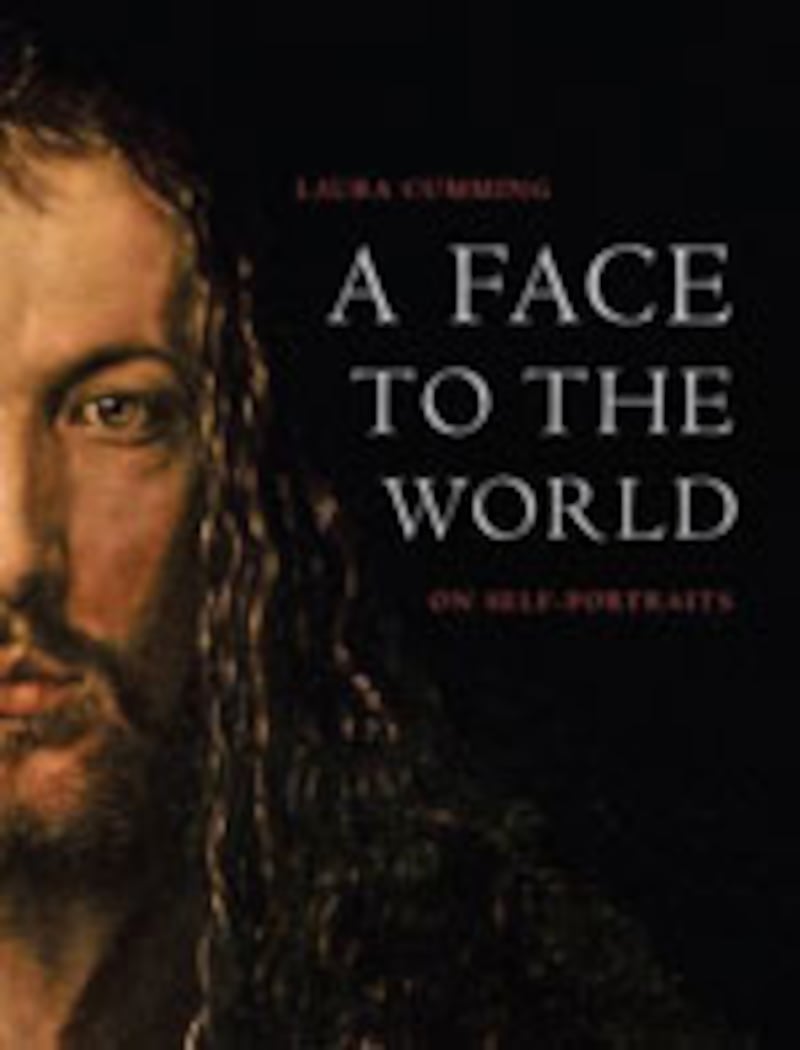
Artists Look in the Mirror
“We expect self-portraits to be more true to life than other pictures." In A Face to the World, "the most informative and entertaining art book you are likely to read this year," Laura Cumming examines how artists, from Jan van Eyck to Tracey Emin, have presented themselves as onlookers, victims, and pioneers.
Rembrandt, "an indefatigable portrayer of himself," made more than 80 self-portraits and was not afraid to reveal the more unpleasant aspects of his personality, either as a "porky, adenoidal youth" or "an old curmudgeon;" nor should the onlooker fall prey to "the legend of the Holy Ear" when considering Van Gogh's version of himself.
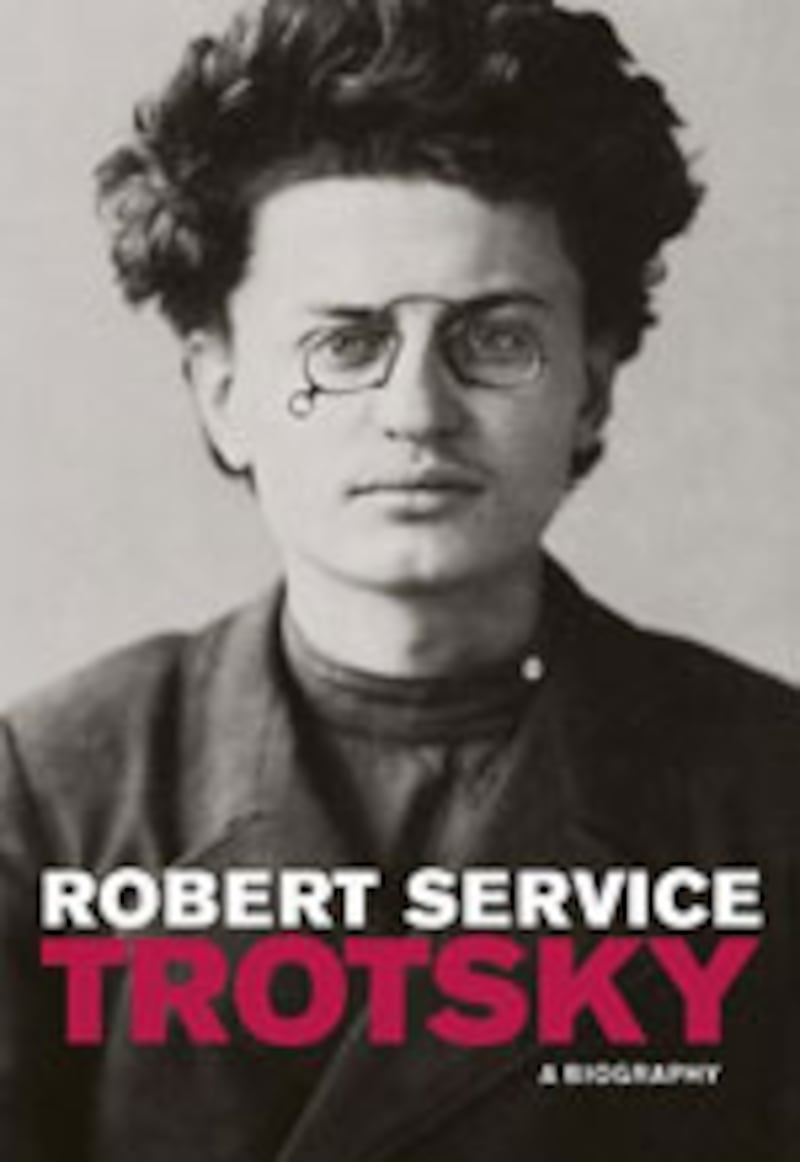
Trotsky Forever
"Only Vladimir Nabokov might have written a more compelling account of Trotsky's end.... a dethroned Russian in exile, waiting for his killer to come from the homeland even while he is desperately trying to complete his biography of the killer (Stalin)." Donald Rayfield applauds two new versions, Trotsky by Robert Service, and Trotsky: Downfall of a Revolutionary by Bertrand M. Patenaude, of the life and farcical death of Leon Trotsky.
We finally have a life of Trotsky that really captures the man: "Six foot tall and with a superb sense of style, Trotsky had gifts as a public speaker and political writer that put every other Bolshevik in the shade;" his former house in Turkey, now for sale for a million dollars, "would make an ideal rest home for retired or reformed Trotskyists."
Plus: Check out Book Beast, for more news on hot titles and authors and excerpts from the latest books.
Peter Stothard is editor of the Times Literary Supplement. He was editor of The Times of London from 1992-2002. He writes about ancient and modern literature and is the author of Thirty Days, a Downing Street diary of his time with British Prime Minister Tony Blair during the Iraq war.