The Glass Roomby Simon Mawer
A historical novel about a Jewish man and his gentile wife struggling to survive in 1930s Czechoslovakia.
In this 2009 runner-up for the Man Booker Prize, Simon Mawer depicts the difficulties of life for an interfaith couple trying to find solace and order in the frightening, chaotic times of 1930s Czechoslovakia. Newlyweds Viktor and Liesel Laudauer build a steel, glass, and onyx marvel high atop a Czechoslovak hill, a symbol of the sense of optimism prevalent in 1920s Central Europe. Soon, however, that sense of hopefulness changes to one of doom as the region enters World War II. Life turns upside down for Viktor, a rich Jewish mogul, and Liesel, a modern gentile, when the strain of war interferes and Viktor turns to another woman for comfort. As Nazi troops enter their country, the couple, along with Viktor’s lover and her son, is forced to flee to America. The modern marvel of a house they commissioned slips from Nazi to Soviet to Czechoslovak state hands, with the Glass Room of the house always providing a shelter from the storm of war for its inhabitant. Not until the collapse of communism can Viktor and Liesel finally return to their home. The Guardian calls Mawer’s book “a thing of extraordinary beauty and symmetry… a novel of ideas, yet strongly propelled by plot and characterised by an almost dreamlike simplicity of telling.”
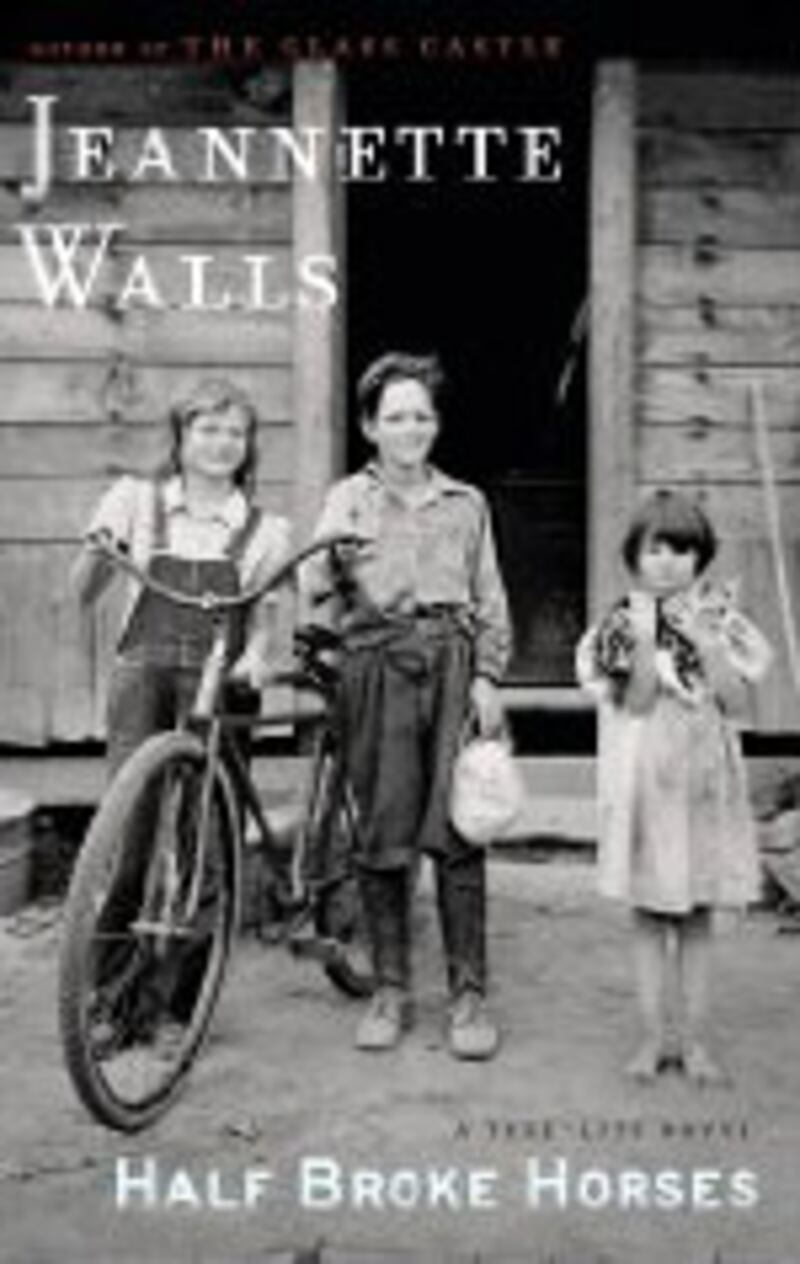
Half Broke Horses: A True-Life Novelby Jeannette Walls
An intricate and compelling true-life novel from the author of the award-winning Glass Castle.
Jeannette Walls’ memoir The Glass Castle explored her eccentric family and unbelievable childhood adventures. Now Half Broke Horses does the same thing for her grandmother, Lily Casey Smith, whom The New York Times’ Janet Maslin calls a “gumption-packin’ ranch gal whose pluck never quits.” The unforgettable childhood of Walls, who clearly inherited her grandmother’s spirit, backbone, and inventiveness, included homelessness, making her own braces, a Dumpster-digging mother, and escaping to New York City. Lily’s story, which begins at age 6, is just as mesmerizing. After a childhood of breaking horses with her father, Lily rides 500 miles on a pony to a frontier town to teach. The adventures grow from there, and go on to include flying planes, running a ranch, and surviving tornadoes, droughts, floods, and the Great Depression. Writes The Seattle Times, “Walls doesn’t just describe her grandmother’s life, she channels her in a plain, no-bull tone as stark as the high desert where she was raised as the oldest of three children.”
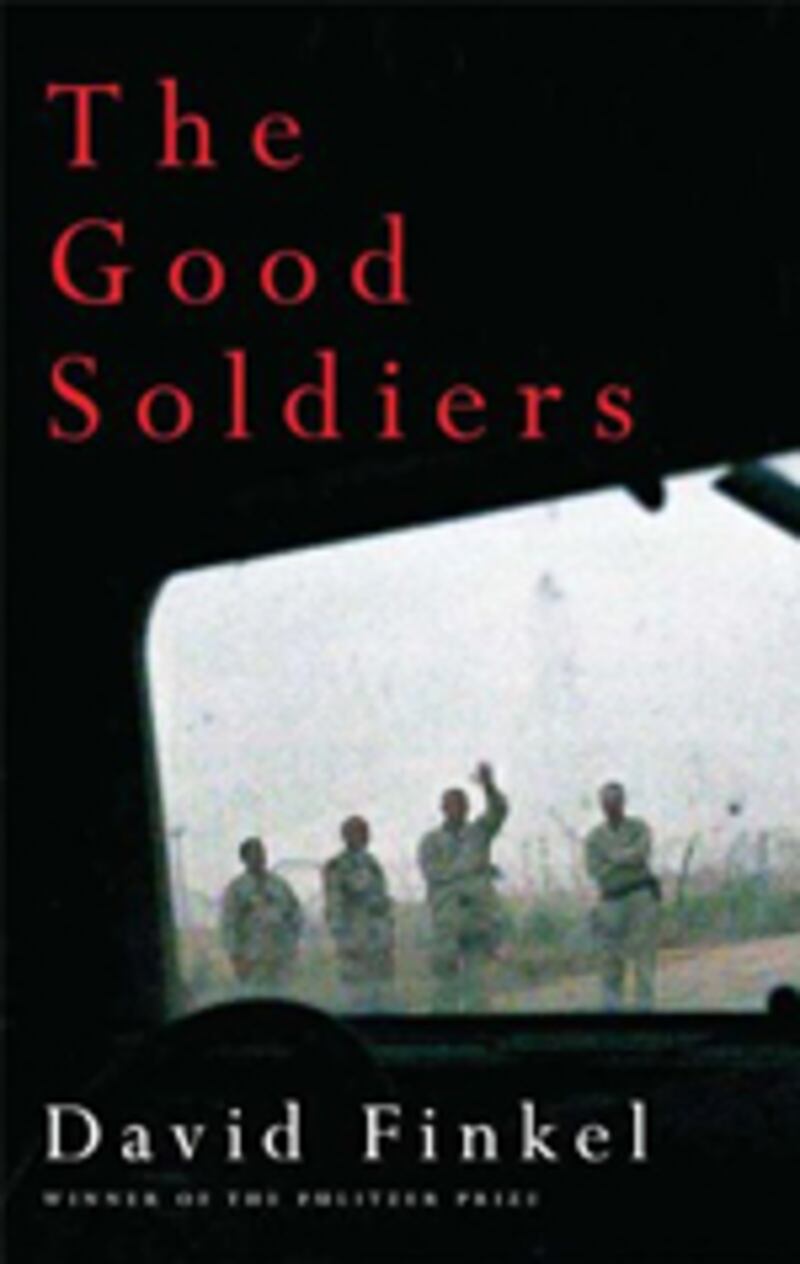
The Good Soldiers by David Finkel
An embedded reporter’s revelatory account of the American troops who made the surge in Iraq.
Almost three years after President George W. Bush announced the surge—the American strategy in Iraq that would send tens of thousands of soldiers to quell insurgent activity in Baghdad and elsewhere—its efficacy as a plan of action is still being debated, but its repercussions are still felt in the lives of its soldiers. In The Good Soldiers, David Finkel, a Pulitzer Prize-winning journalist for The Washington Post, describes the surge from the ground. Finkel spent much of a 15-month deployment period with the 2-16, an Army infantry battalion nicknamed “the Rangers,” and followed the soldiers as they grappled with some of the same questions their fellow citizens and leaders were back home: Is the surge a success? And what does “success” mean? Finkel’s book— called a “superb account of the burdens soldiers bear” by Kirkus—walks its readers through a war zone and lets them see it for themselves.
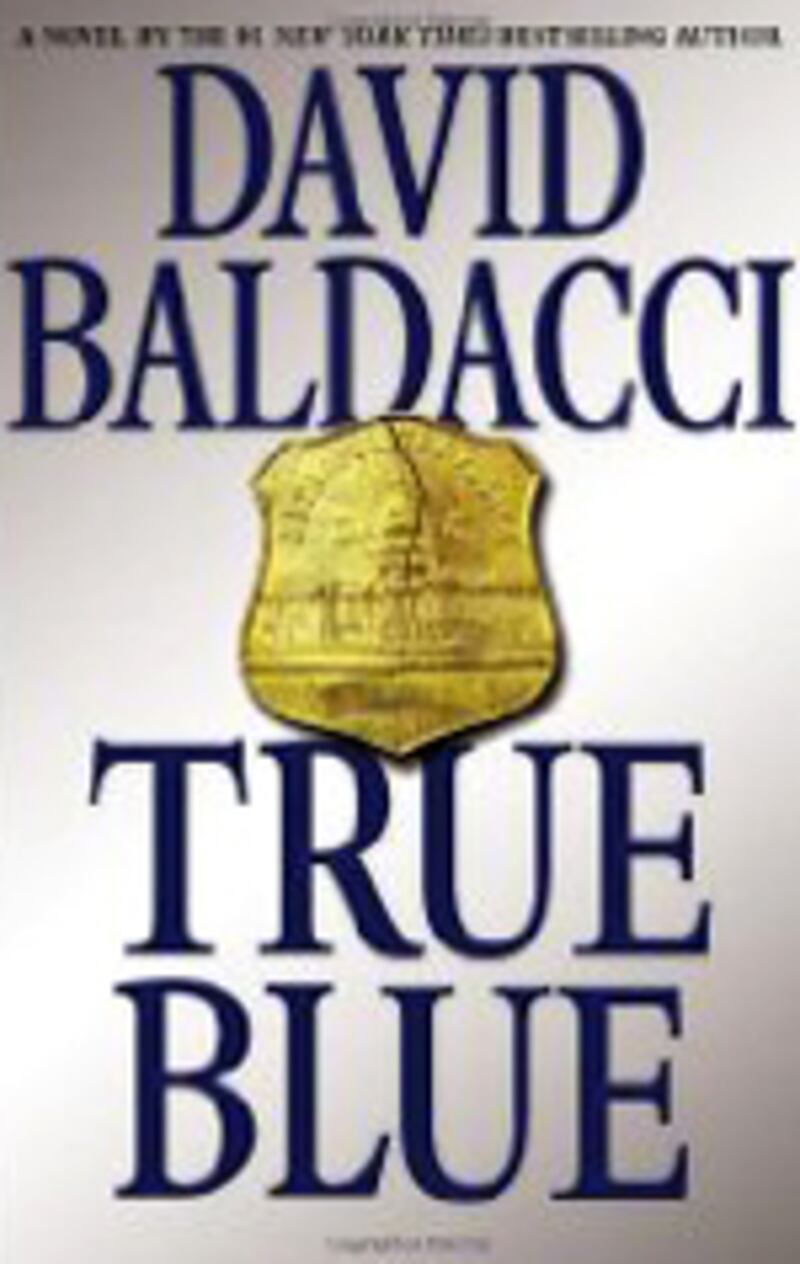
True Blueby David Baldacci
A heart-stopping thriller and intricate murder mystery from a master storyteller.
In his new book, veteran thriller writer David Baldacci brings us a promising new character, Mace Perry, a tough former Washington cop determined to clear her reputation. Perry has just spent two years serving out a conviction for armed robbery—for which she was framed—and all she wants now that she’s out of prison is “to be a true blue again.” While trying to prove her innocence, Perry stumbles upon a high-profile murder case, which leads her to a dark discovery of secrets in the nation’s capital. Cue the shootouts and car chases! The Richmond Times-Dispatch says True Blue “is an absorbing thriller with a powerful message, but readers are most likely to remember it for its superbly appealing protagonist.” And the Examiner.com is hooked on Perry as well, writing: “There is definitely a sequel—or even a series—with more Mace Perry in store for Baldacci fans.”

The Tyranny of E-mail: The Four-Thousand-Year Journey to Your Inbox by John Freeman
A look at the state of communication in the age of email, how we got here, and how to stop the overload.
It’s hard to believe in our hyper-connected age, but email has existed for less than 40 years and has been ubiquitous for an even shorter period. In The Tyranny of E-mail, John Freeman examines the history of written communication, from love letters written on clay tablets to the present onslaught of white noise. Freeman is the editor of Granta and an acclaimed literary critic, and he, along with the added insight of literary insiders from Noam Chomsky to Dave Eggers, brings the reader a fresh, intelligent look at email’s infiltration into and influence over every aspect of 21st-century life. With advice on staying sane in the age of information, such as cutting back on unnecessary emails, spending time away from the keyboard, and keeping personal arguments away from the inbox, The Tyranny of E-mail serves as an engaging reality check. “Freeman’s ‘manifesto for a slow communication movement’ could fuel an email rebellion,” writes Publishers Weekly.