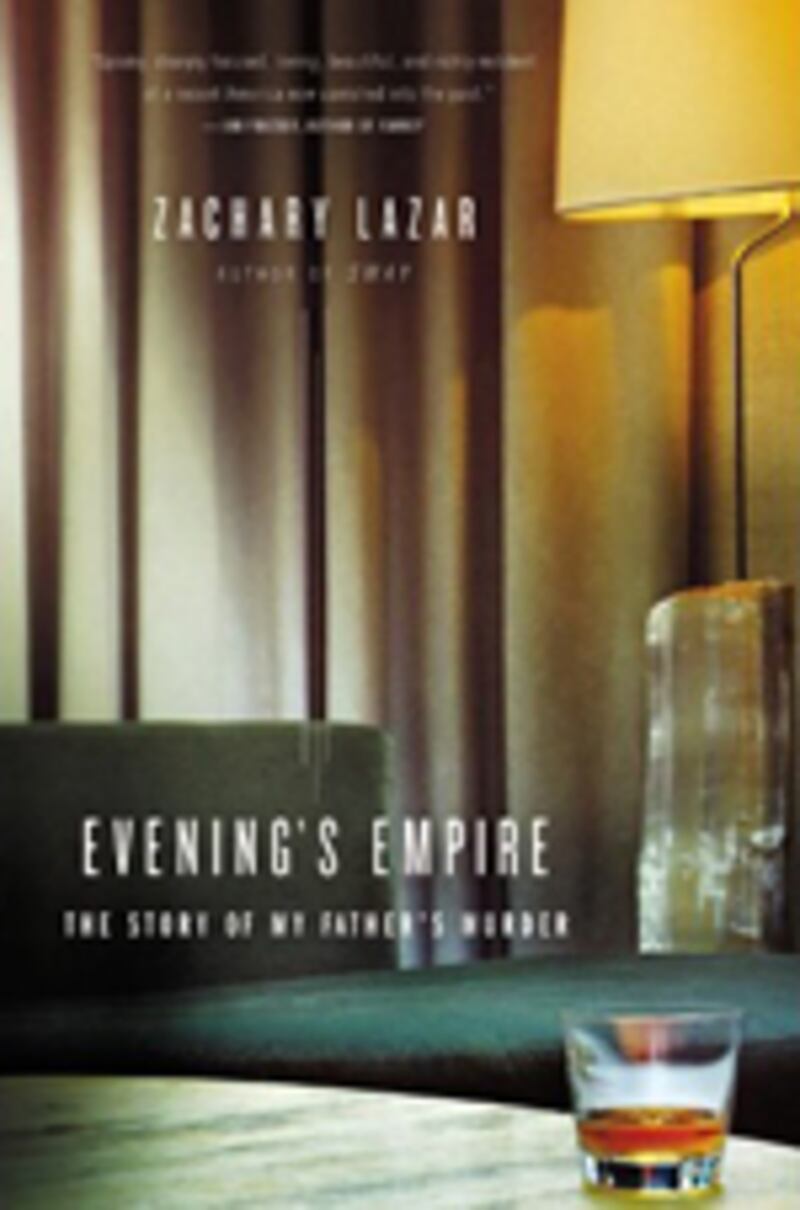
Evening's Empireby Zachary Lazar
A son untangles the events leading up to the mob hit on his accountant father in 1970s Phoenix.
Just 6 when his father, Edward, was shot dead in a Phoenix parking garage in 1975, Zachary Lazar, author of the acclaimed 1960s rock ‘n’ roll novel Sway, approaches the murder with a journalist’s sensibility. Based on archival research and interviews, Evening’s Empire explores how Edward Lazar, a fun-loving, intelligent accountant from the Midwest, got mixed up with a multimillion-dollar real-estate scandal that led to his having to testify before a grand jury. Lazar says writing this book was as much about “getting to know [his father] as a person for the first time” as it was about telling the story of what Walter Cronkite called “a gangland-style murder” orchestrated by the Mafia. Evening’s Empire was named a fall “must-read” by GQ, Newsday, and Time Out New York. Writer Nick Flynn notes, “Zachary Lazar has managed an amazing feat—to evoke both Joan Didion’s fierce intelligence and Truman Capote’s eerie ability to enter into the unknown. And then there’s the deep river of heartbreak flowing beneath it all. Evening’s Empire is an incandescent masterpiece.”
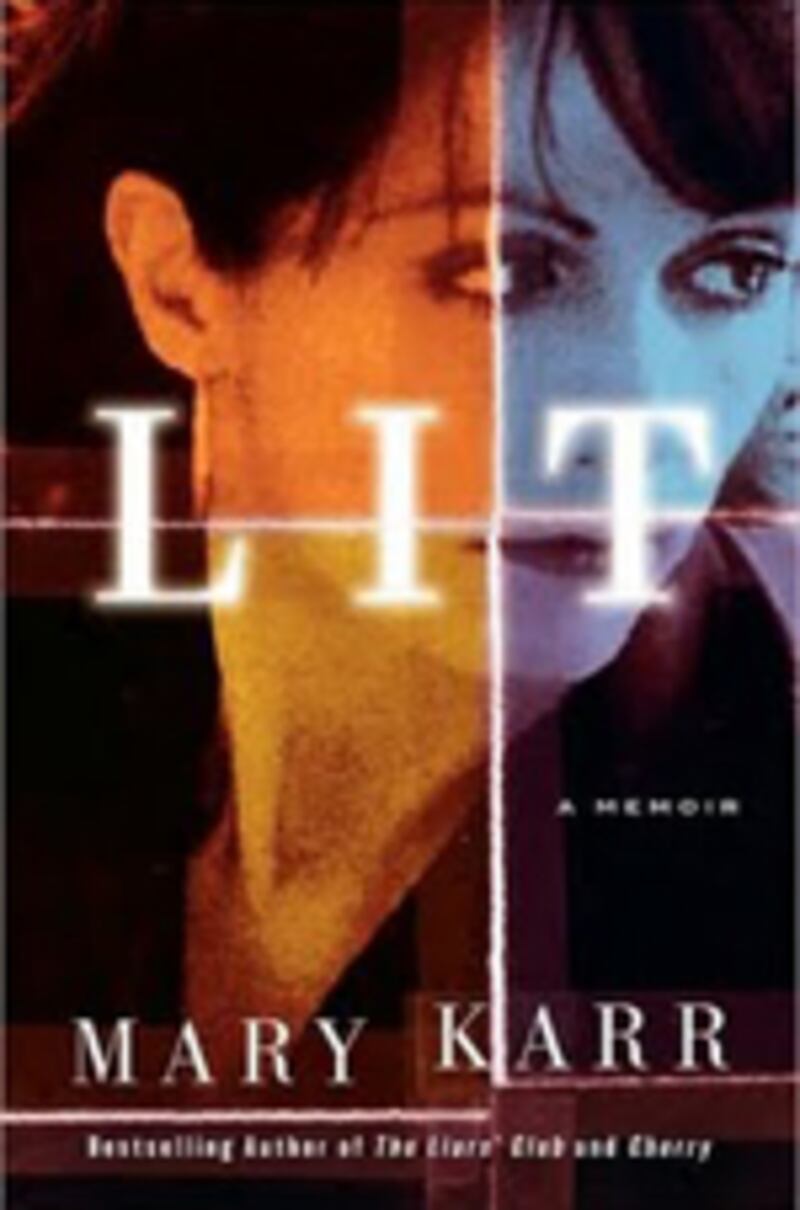
Lit: A Memoirby Mary Karr
A humorous personal narrative following a writer’s decline into alcoholism and depression—and her subsequent resurrection.
The latest entry in Mary Karr’s acclaimed trio of memoirs, Lit follows the author as she journeys from backcountry Texas to graduate school in Vermont, where she meets a poet who will become her first husband. But although the couple has a child together, their marital bliss is fleeting. Karr enters a downward spiral of booze and comes to the brink of suicide before getting sober after a stay at a mental hospital she calls “The Mental Marriott.” A self-professed “blackbelt sinner,” Karr stuns herself and friends when she is baptized as a Catholic and becomes a devout churchgoer: “More likely pastime,” Karr writes. “Pole dancer. International spy. Drug mule. Assassin.” This is a story about “getting drunk and getting sober, becoming a mother by letting go of a mother; learning to write by learning to live.” Megan Hodge of Library Journal notes, “That Karr survived the emotional and physical journey she regales her readers with to become the evenhanded, self-disciplined writer she is today is arguably nothing short of a miracle, and readers of her previous two books won't be disappointed.”
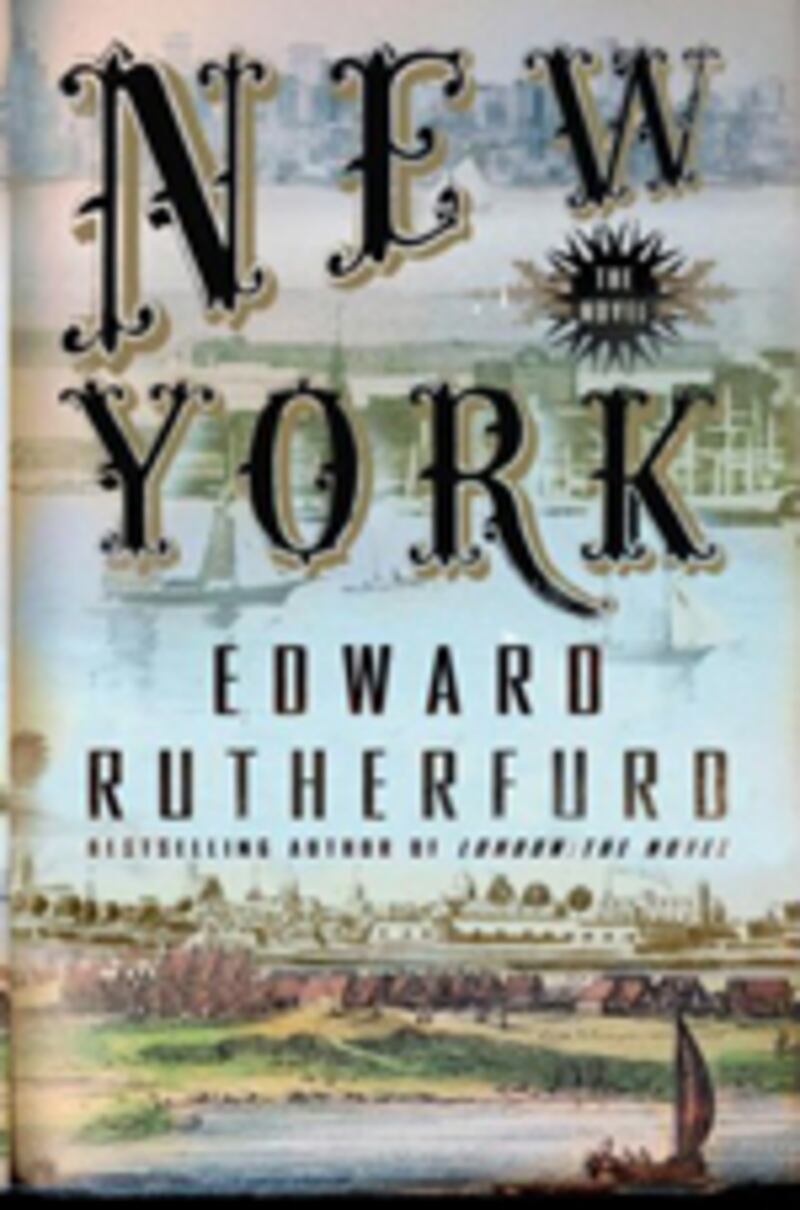
New Yorkby Edward Rutherfurd
A sweeping account of four centuries of New York City from a master of historical fiction.
After conquering Europe, Ireland, and England, Edward Rutherfurd, a master of international historical fiction, has decided to apply his skills at combining thorough research with engaging narrative to American soil. In New York: The Novel, Rutherfurd “has penned a lush, lavish tribute to the Big Apple,” says Booklist. “Sweeping in scope, this fictional biography of New York City stretches back in time…Rutherfurd’s homage is compulsively readable.” Spanning four centuries, the 880-page work chronicles the city that never sleeps, from Indian fishing village to post-9/11 Manhattan, peopling each era with a medley of believable characters—Dutch settler families, slave descendents, and re-created versions of Peter Stuyvesant, Boss Tweed, and J.P. Morgan. Rutherfurd’s meticulously researched fictional tapestry coincides with the 400-year anniversary of the discovery of the Hudson River.
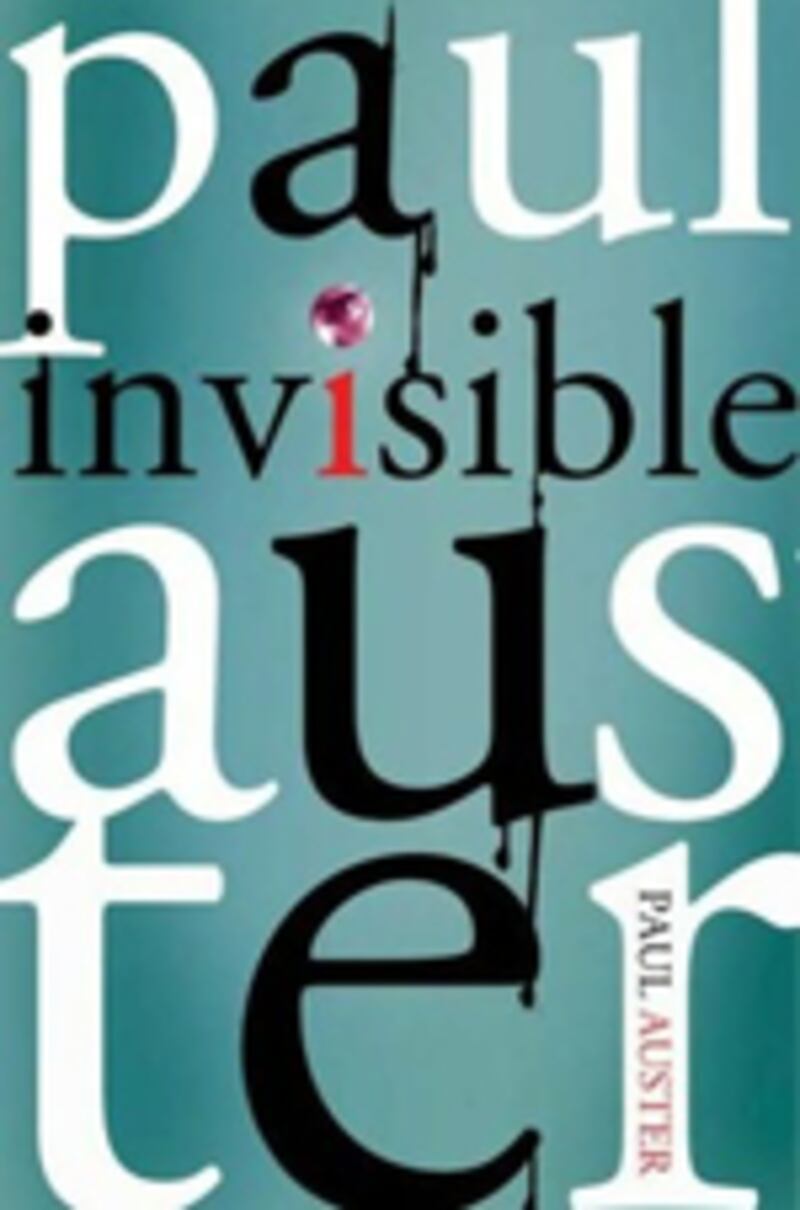
Invisibleby Paul Auster
The award-winning author returns with his 15th book, a four-part, three-narrator tale.
“Auster writes of ‘the obsessive story that has wormed its way into your soul and become an integral part of your being.’ This is that story,” writes Kirkus Reviews of Paul Auster’s newest novel. Dubbed “One of America’s greatest living novelists” by The Observer, the award-winning author returns with his 15th book, a four-part, three-narrator tale that brings together three very different people united by an abrupt act of violence. Beginning in New York in 1967, the narrative weaves through Manhattan, Paris’ Left Bank, and an isolated island in the Caribbean, following the story of 20-year-old Adam Walker, a dreamy poet and Columbia University student who encounters an older, compelling French couple, Rudolf and Margot. Rudolf gives the hopeful poet startup funds to a launch a literary magazine, allows him to sleep with Margot, and then commits murder in front of him. And that’s just where the story begins. Praising Invisible, the San Francisco Chronicle writes, “His spare, exact language has always reminded me of Mozart minus the emotional colors. He’s a good read because he’s confounding. Many writers are sure they’ve got the answers, but it’s often more honest to admit there’s no answer at all.”
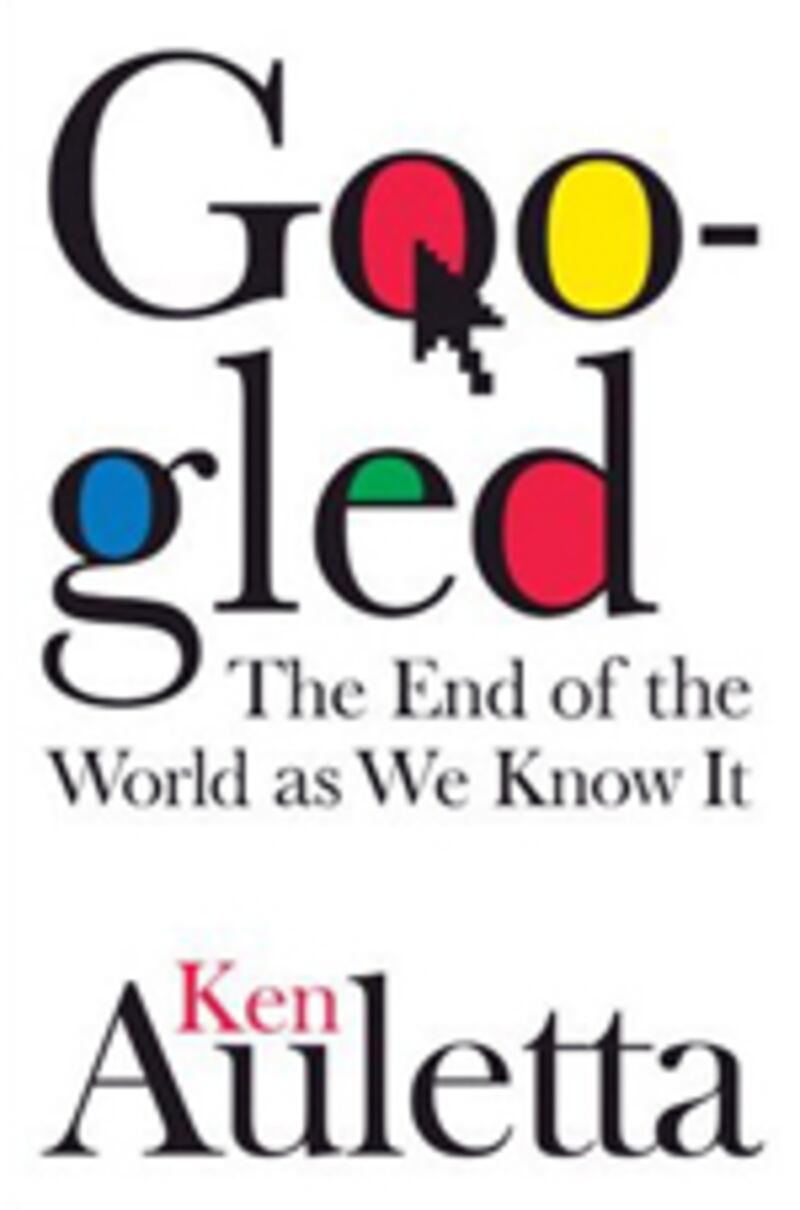
Googled: The End of the World As We Know Itby Ken Auletta
A behind-the-scenes look at the rise of Google and the people and stories behind it.
Google. It’s a word—both a proper noun and a verb—that has entered the vernacular of just about every Internet user on the planet. In Googled: The End of the World as We Know It, The New Yorker’s media analyst, Ken Auletta, examines the meteoric rise of the company and the future that lies ahead for Google and other new media brands. Thanks to unprecedented access to Google founders Sergey Brin and Larry Page, Auletta is able to document the secrets behind the company’s success. Publishers Weekly calls Auletta’s book a “savvy profile of the Internet search octopus…and a sharp and probing analysis of the apocalyptic upheavals in the media and entertainment industries.”