

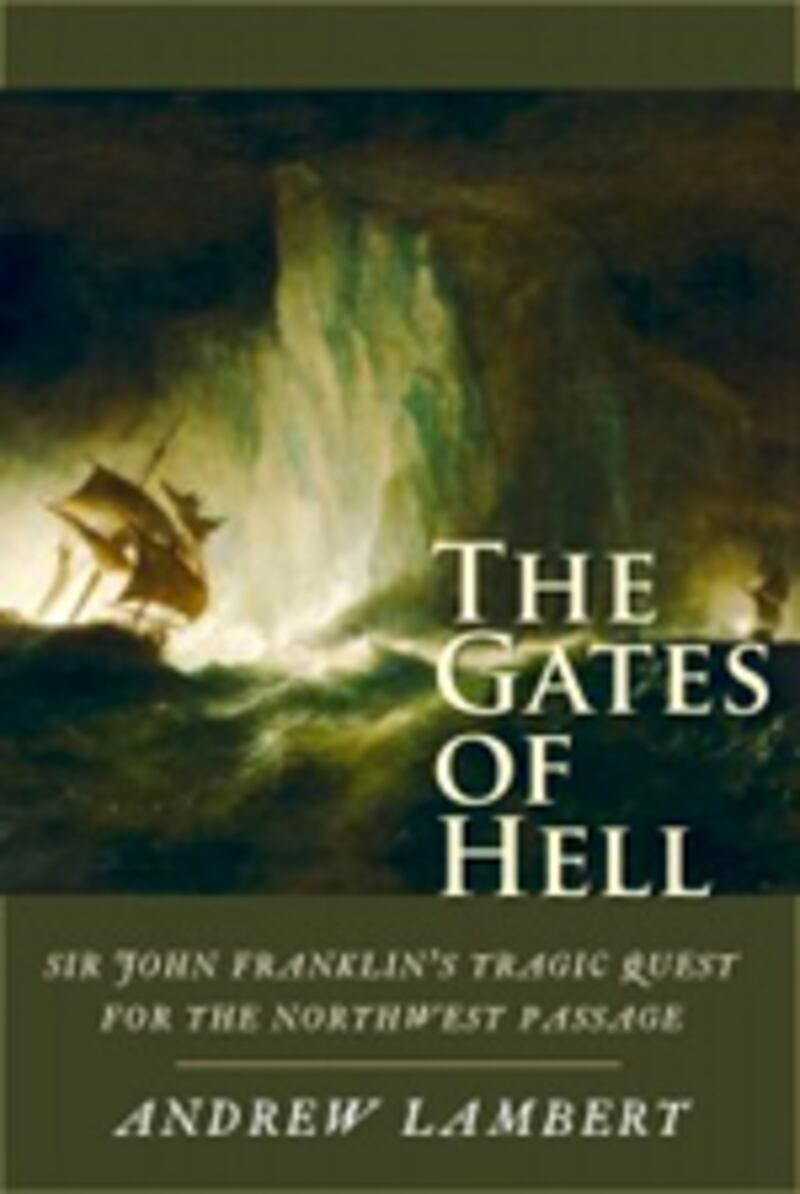
The Arctic Heart of Darkness
Anyone in the 1840s who knew the British Arctic explorer Sir John Franklin knew a podgy, balding man of middling height with an ambition to find the Northwest Passage across the top of America to the Pacific. Everyone who has seen Sir John in London since 1866 has seen a firm-jawed figure, 8 feet tall, cast in bronze on top of an imposing granite plinth surrounded by heroic scenes. Sir John’s image—boosted by Charles Dickens, among others—was made to soar so that realities far worse than his podge and pate should be obscured. The route of his failed march in search of fame and riches had already been found lined with human bones cut with steel knives.
Despite some nervous attempts to blame the local Inuit population, writes Robert Douglas-Fairhurst in the TLS this week, not least by Dickens in a shrilly racist article published in Household Words, the evidence was clear: The survivors had turned to cannibalism. The review is of a new revisionist biography of the great British hero by Andrew Lambert. “These men were hungry,” he writes with some relish, “and they did not waste anything.” The fingers were defleshed, the larger bones were cracked open to get at the marrow, and the skulls of the skeletons in the boat were missing, indicating that they had been carried off so that the nutritious brains could be consumed later, a grotesque form of takeaway.
Lambert estimates that 40 or 50 sailors were eaten by their comrades. As he points out, “We do not know if they killed the living, picking out the weak, the young and the expendable, or whether they confined their attentions to the dead.” Either way, such scenes are far removed from those shown on Franklin’s statue.

A British Sketch Master
British journalism has a breed of star little known in the United States, the parliamentary sketch writer who treats politics as theater and politicians as actors on the stage. Reporting on the U.S. Congress as though it were Broadway would be a thankless task. But the Westminster parliament—packed with aggressive wits in its best days and observed by even wittier sketch writers—has often produced more fruitful fare.
The greatest of these was the late Frank Johnson, who died three years ago and whose finest sketches have been published in Best Seat in the House, the perfect Christmas gift, even for those mocked and parodied in them.
Johnson was a wise as well as a witty man, though not always an easy colleague, as the TLS recalls this week. One of his few thwarted ambitions was to learn Latin.
The Power of Myth
For many Britons, up to the end of the 17th century, dragons, and fairies were part of everyday life. Dragon skins hung in some parish churches and ploughing regularly turned up elf arrows, little-worked flints of great delicacy. The geographer Sir Robert Sibbald included several examples in his great account of the natural history of Scotland, Scotia Illustrata, published in 1684. At that date “Britain” itself was, by contrast, a largely mythical concept, a political allegory useful to the Stuart monarchy. After 1707, the situation was reversed. With the Act of Union, Britain became a legal entity, while dragons and fairies had begun their slow fade into myth.
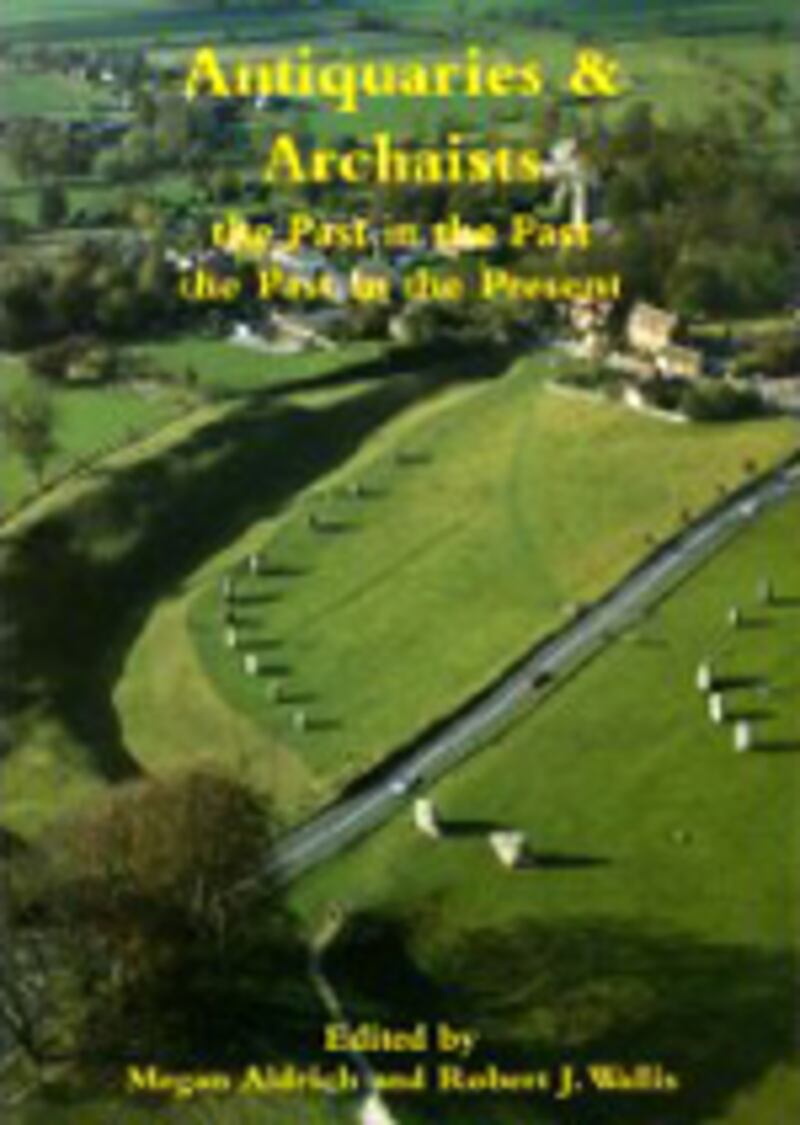
One of the great contemporary British writers on the shifting nature of past and present is Rosemary Hill, author of much praised recent books on Pugin and Stonehenge. This week she reviews Antiquaries and Archaists, essays on that theme edited by Megan Aldrich and Robert J. Wallis.
Plus: Check out Book Beast for more news on hot titles and authors and excerpts from the latest books.
Peter Stothard is editor of the Times Literary Supplement. He was editor of The Times of London from 1992-2002. He is the author of Thirty Days, a Downing Street diary of his time with British Prime Minister Tony Blair during the Iraq war and On the Spartacus Road: A Spectacular Journey Through Ancient Italy will be published in January.