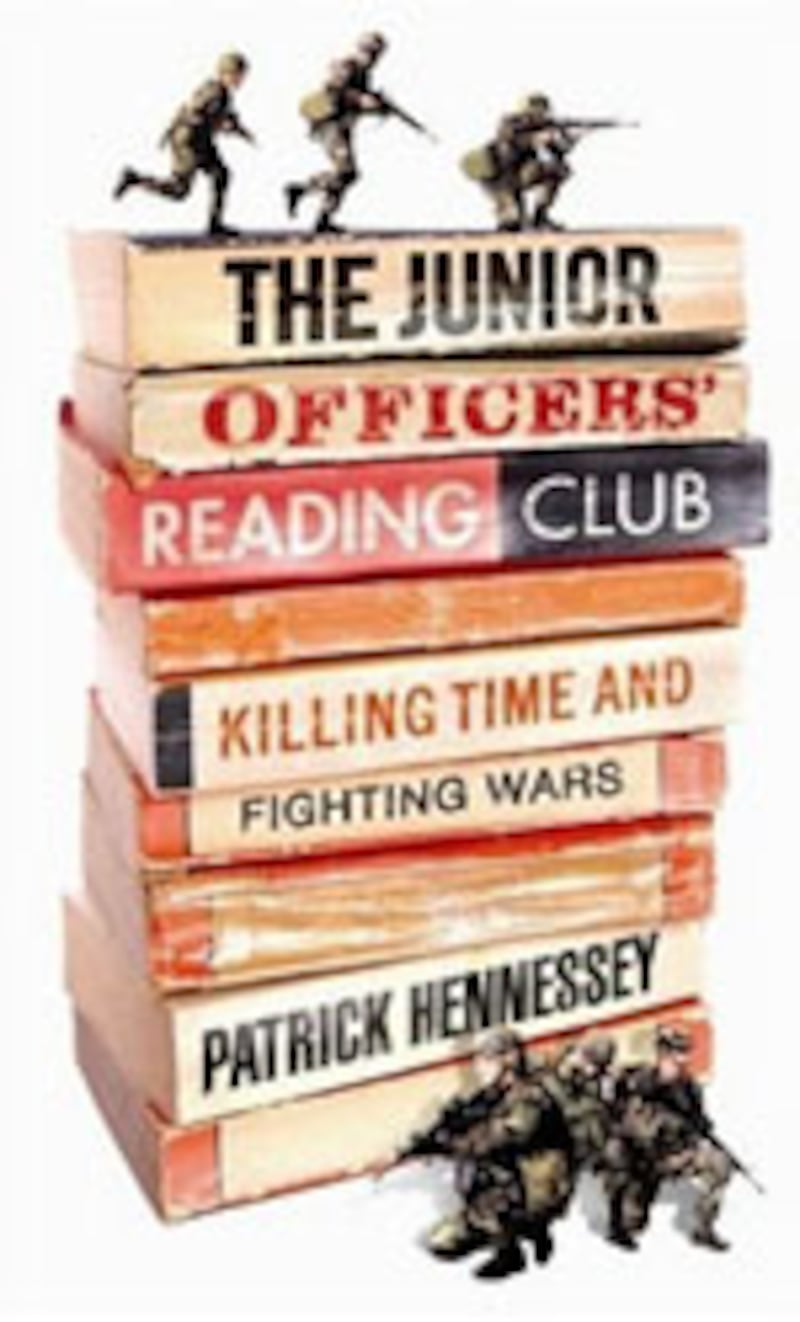
A Soldier’s Reading List
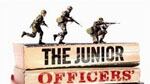
Patrick Hennessey, keen to choose books in the tradition of the young Winston Churchill, set up The Junior Officers' Reading Club while on a tour of duty in Iraq. But when he went to Afghanistan, there wasn't time for it—the combat was too intense. Christopher Coker in the TLS this week considers the oddities of soldiers' daily lives, among civilians and on modern battlefronts: "The first iPod generation of recruits is as reliable as the previous generation—they may make videos and drive by with gangster rap blaring out, but the best of them are still brave." And what did Hennessey's frustrated Reading Club members think they were doing in the time they couldn't spend with a book in their hands? That was easy enough: They had come “to play with the Afghans and to teach them to use their rifles for the time when the real soldiers had blown up all the Talibaddies and could hand a peaceful, if not prosperous, province [Helmand] with smiles and handshakes and flag-ceremonies.” Only in fiction.
How the U.S. Paid for the French Resistance
Sixty five years ago, in a larger but simpler war, American support for the French Resistance was both vital for its effectiveness against the Nazis and divisive for its leadership. Was Washington using its money to strengthen opponents of General de Gaulle? Who benefited most from the secret channeling of funds through Switzerland? And did L’Affaire Suisse play any part in the eventual betrayal of Jean Moulin to the Gestapo? Matthew Cobb reviews a new French study by Robert Belot and Gilbert Karpman that sheds light on all those questions and includes "rich and astonishing" detail of the U.S. cost of keeping the Maquis.
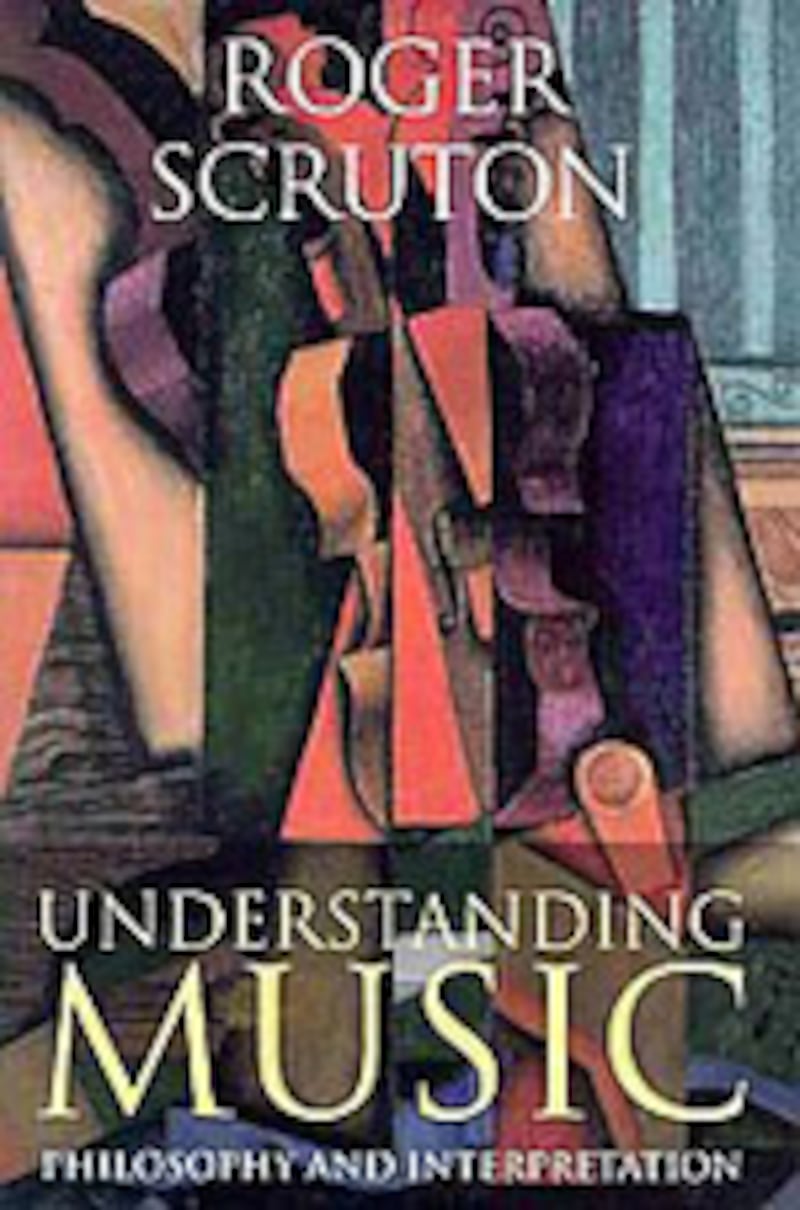
What Is Good Music?
Roger Scruton is one of the most controversial British philosophers, lauded in Eastern Europe for his illegal teaching trips behind the Iron Curtain, much admired for his works on aesthetics, but held widely in suspicion, too, for his unabashed conservatism and support for unpopular academic causes. He is also a composer whose new book, Understanding Music—Philosophy and Interpretation, asks whether music has a meaning and, if so, how do we grasp it and what is its importance. “Without good music, culture and society simply degrade” is TLS critic Guy Dammann’s summary of Scruton’s argument, one which can profitably be teased from a wide range of essays on European composers from Janácek and Schoenberg to Andrew Lloyd Webber.
Plus: Check out Book Beast for more news on hot titles and authors and excerpts from the latest books.
Peter Stothard is editor of the Times Literary Supplement. He was editor of The Times of London from 1992-2002. He is the author of Thirty Days, a Downing Street diary of his time with British Prime Minister Tony Blair during the Iraq war and On the Spartacus Road: A Spectacular Journey Through Ancient Italy will be published in January.