
A look at great reads from the editor of the Times Literary Supplement. This week: New letters reveal John Keats’ death by critical review, a posthumous collection of essays from Ireland’s great novelist of place, John McGahern, and a new history of evolution’s first 4 billion years.
Who Killed John Keats?
Reviewers, beware. The critics’ attacks on John Keats were so ferocious that his death can be firmly—well almost—blamed on the reviewers of Blackwood’s and the Quarterly. This was a possibility that both critics and Keats himself preferred to discount at the time, the poet denying that he had suffered as much at their hands as he did from his own self-criticism. But according to John Barnard in the TLS this week, a letter almost certainly written by Keats' former teacher, Charles Cowden Clarke, shows that he was more deeply wounded than "his admirers then, or subsequently, have been willing to admit." The letter, which first appeared in print under the signature "Y" only five months after Keats' death, deplored the reviewers' “panderism to the depraved appetites of gossips and scandal-mongers” and the pain of “an eager and trusting mind held up to the fiend-like laugh of a brutal mob.” Was, however, Fanny Brawne incensed on her suitor’s behalf? Or impressed by his "Bright Star"? We do not know, but in Jane Campion’s film of that name, a success that is nicely driving sales of the great man's poems this Christmas season, she is a minx with more of a knack for bonnets than sonnets, who, "beautiful, graceful, silly," shares with Keats "the noisiest kiss in cinema history," according to our own gentle reviewer, Frances Wilson.
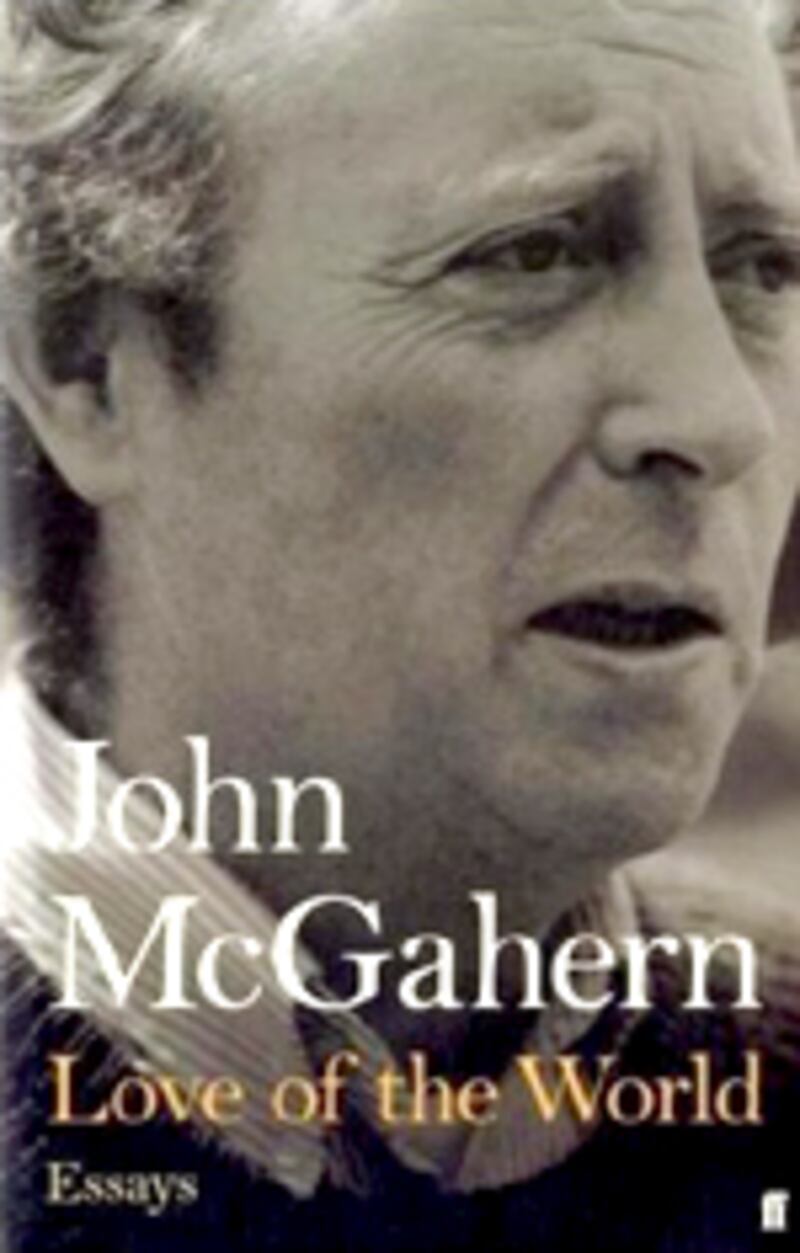
Ireland’s Poet of Place
John McGahern, who died three years ago, left a body of work—novels, plays, short stories—that keeps returning to the same ground, literally a farm in County Leitrim, metaphorically his own life story, as his readers suspected and the publication of his memoir confirmed. Now a volume of his essays, Love of the World, reveals again how autobiographical but at the same time how self-effacing a writer he was. After his novels, The Dark and The Pornographer, were published in the early '60s, McGahern was forced out of his job as a Dublin primary-school teacher. It was not just the sexual subject matter that caused the trouble. He had married a Finnish divorcée. As his official nemesis explained, “if it was just the auld book maybe we might have been able to do something for you but by going and marrying this foreign woman in a registry office you have turned yoursef into an impossible case entirely.” This new book, says Hermione Lee, “brings McGahern richly back to life on the page.”
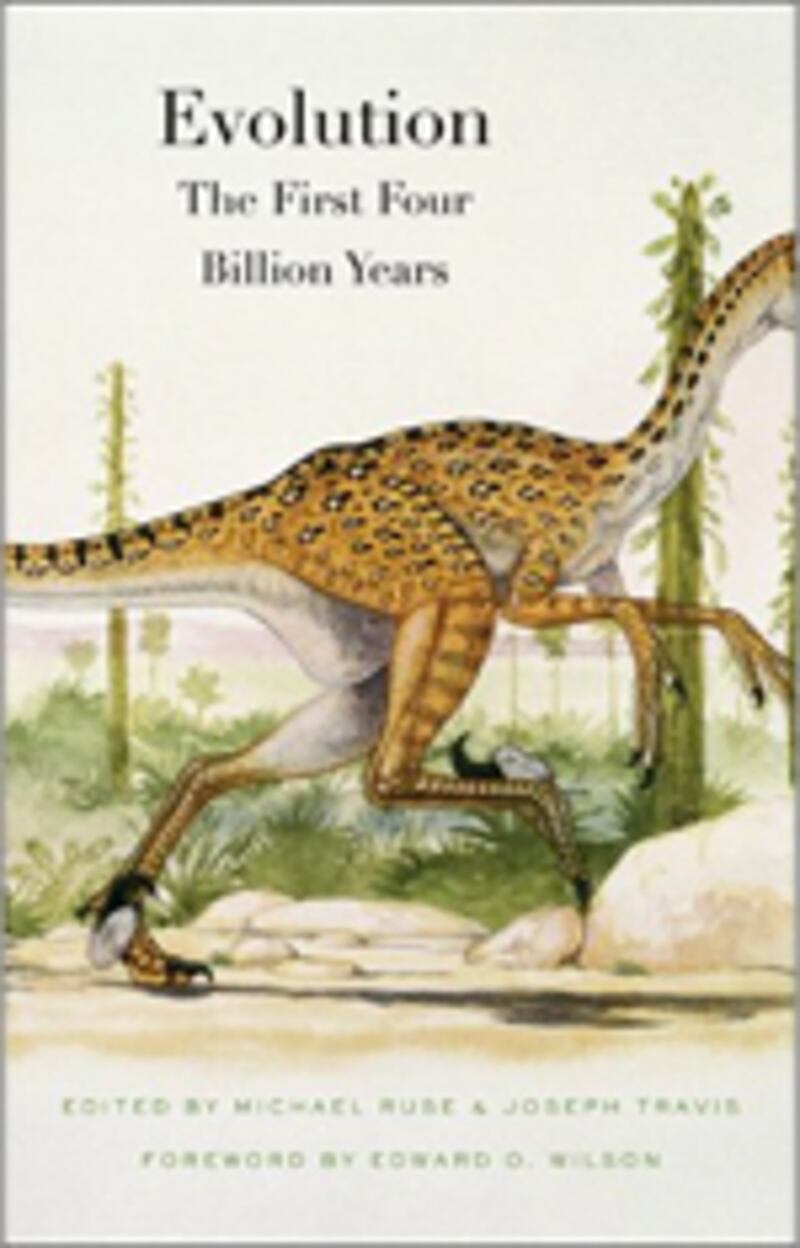
The First 4 Billion Years
The Ediacaran biota, named after the 580- to 650- million-year-old rocks of the Ediacara hills in the Flinders Range of South Australia, are some of the most curious organisms that have ever existed. There is still no consensus about exactly what they looked like—or even whether they were animals, plants or something else entirely. They were mainly soft-bodied, so fossils are rare. Those that do exist are often hard to assign to any category. The same shape can be seen as a kind of sand-dollar (related to sea urchins), the hold-fast of a seaweed or a sea-pen (a kind of sessile jellyfish), or a bizarre mattress-structured animal that has apparently left no descendants. While scientists and believers squabble over the last 100,000 years, the first 3.5 billion years of life remain a tantalizing mystery, as Matthew Cobb explains, reviewing Evolution, a new book edited by Michael Ruse and Joseph Travis.
Plus: Check out Book Beast for more news on hot titles and authors and excerpts from the latest books.
Peter Stothard is the author of Thirty Days, a Downing Street diary of his time with British Prime Minister Tony Blair during the Iraq war and On the Spartacus Road: A Spectacular Journey Through Ancient Italy which will be published in January.