Love and Marriage, English-style
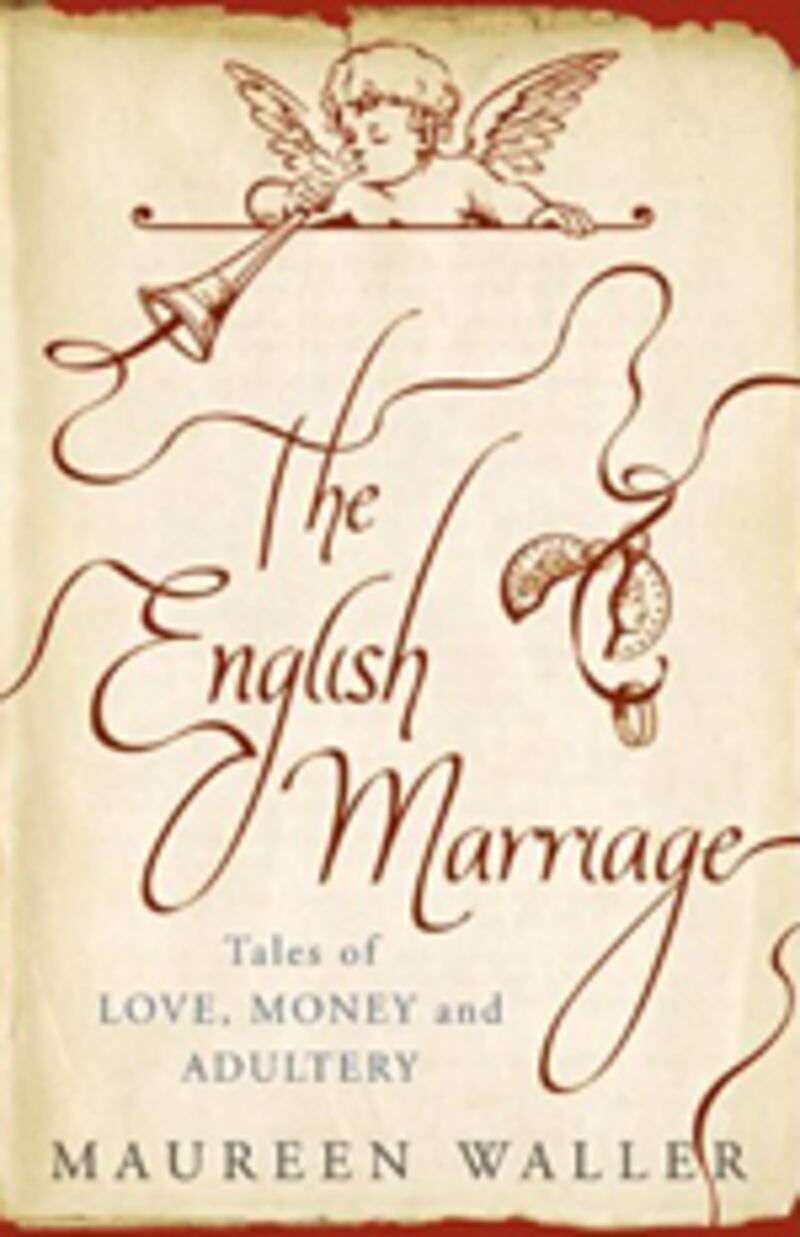
Despite the title, The English Marriage: Tales of Love, Money, and Adultery, Maureen Waller's much-discussed book is not an investigation of marriage per se, nor indeed a history of love, but a descriptive narrative of marital making and breaking, told through a tapestry of individual stories, from Margaret Paston in 1465 to Heather Mills McCartney in 2008, writes TLS critic, Amanda Vickery. Today the average marriage lasts an estimated 11 years. Marriages in the past were no lengthier, but were divided by death, not divorce. In Maureen Waller's words, “it was all too easy to enter a marriage but virtually impossible to end an unhappy one.”
“It was a peculiarity of English and Welsh church customs built on medieval canon law (unlike the Scots and other European states, which introduced reform in the 16th century) that an exchange of vows between consenting adults (14 was the male age of consent, 16 the female) in the presence of two witnesses was enough to create a solemn and binding marriage. However aggrieved the parents or aghast the community, the public promise “I take you for my wife/husband” in a field, a lane or a tavern made an indissoluble contract.
Even the vaguer vow in the future tense “I shall take you for my wife/husband” (one day maybe, if I still find you attractive) could be binding if followed by sexual consummation. And how many men made empty promises on a dark night in the grip of lust? The room for misunderstanding was vast. Or as the Victorian legal historian F.W. Maitland sagely concluded: “Of all people in the world, lovers are the least likely to distinguish precisely between the present and future tenses.”
The Depression’s Glowing Moments
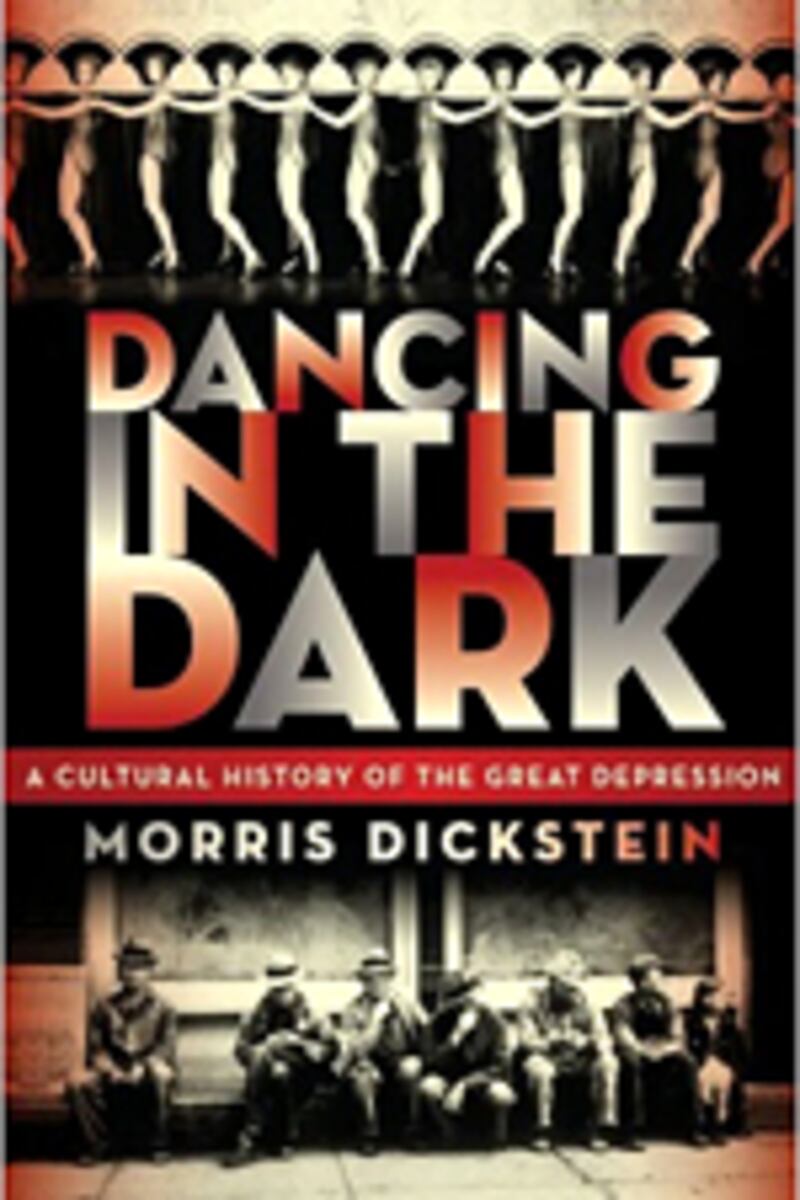
“Dancing in the Dark” is one of those song titles that divides the generations. Do we mean the Bruce Springsteen hit from Born in the USA (1984) or the Bing Crosby hit (1931) from the Schwartz and Dietz revue score for The Bandwagon? Both are classics of their kinds and both Springsteen and Crosby feature in Morris Dickstein’s highly praised book of the same name, reviewed in the TLS this week by John Gross. Crosby’s recording of a song that reached out from a darkened ballroom toward the outer limits of the Great Depression is treated “effectively and affectingly”; but how precisely the connection is made between plangent songs and economic collapse remains no more than “suggestive,” says Gross. Springsteen himself appears as a follower of one of Dickstein’s greatest Depression heroes, Woody Guthrie.
Orwell’s Final Years
George Orwell walks briefly into Dickstein’s world too—as a British writer whose observation of the poor and attitude to his privileged education can profitably be compared with the less successful career and self-lacerating complexity of the American author of Let Us Now Praise Famous Men, James Agee. D.J. Taylor reviews Orwell’s Diaries in the TLS this week, all 11 books published consecutively now for the first time though still without the 12th “and possibly even a 13th” that were taken by Soviet agents from a Barcelona hotel room in 1937.
Peter Stothard is the author of Thirty Days, a Downing Street diary of his time with British Prime Minister Tony Blair during the Iraq war and On the Spartacus Road: A Spectacular Journey Through Ancient Italy which will be published in January.