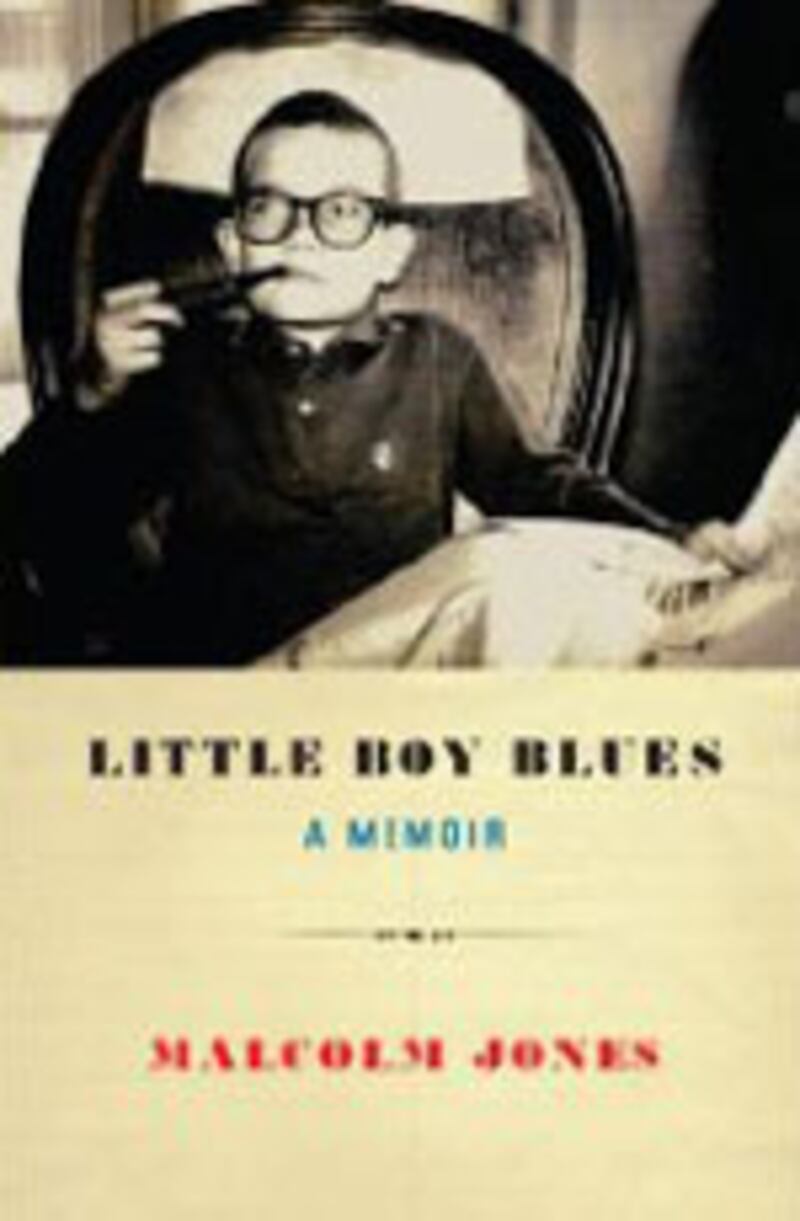
Little Boy Blues: A Memoirby Malcolm Jones
A critic looks back on his far from normal Southern upbringing.
In his affecting memoir, Malcolm Jones uses his years of experience as a Newsweek reporter to examine the odd story of his own upbringing by a single mother and an alcoholic father in the American South of the 1950s. Mixing humor and shrewd observation Jones paints a picture that includes the day-to-day details of a historically fraught time, such as his typical “casually racist” aunt and uncle and his atypical parents, whose divorce broke countless social norms at the time. Oprah Magazine called Jones’ story “warmly elegant” as it slowly creates a rich tapestry of Southern life.”
The First Rule: A Joe Pike Novelby Robert Crais
An update on classic noir crime writing from the author of The Watchman.
Robert Crais proved to critics that he had mastered the art of the crime novel The Watchman, and is now following up the book’s success with The First Rule starring the same hero, detective Joe Pike. After one of his oldest friends and colleagues is viciously murdered, Pike attempts to unravel the bizarre crime in spite of resistance from all sides, including the LAPD. “Like the best L.A. noir writers, Crais nudges the mystery genre into higher gear,” raved a reviewer from the LA Times, and the Philadelphia Inquirer wrote, “Robert Crais is one of those rare, treasured writers who combine genuine humanity with tales of crime detection, not to mention the steadily building tension that always manages to pile up until his books can’t be put down.”
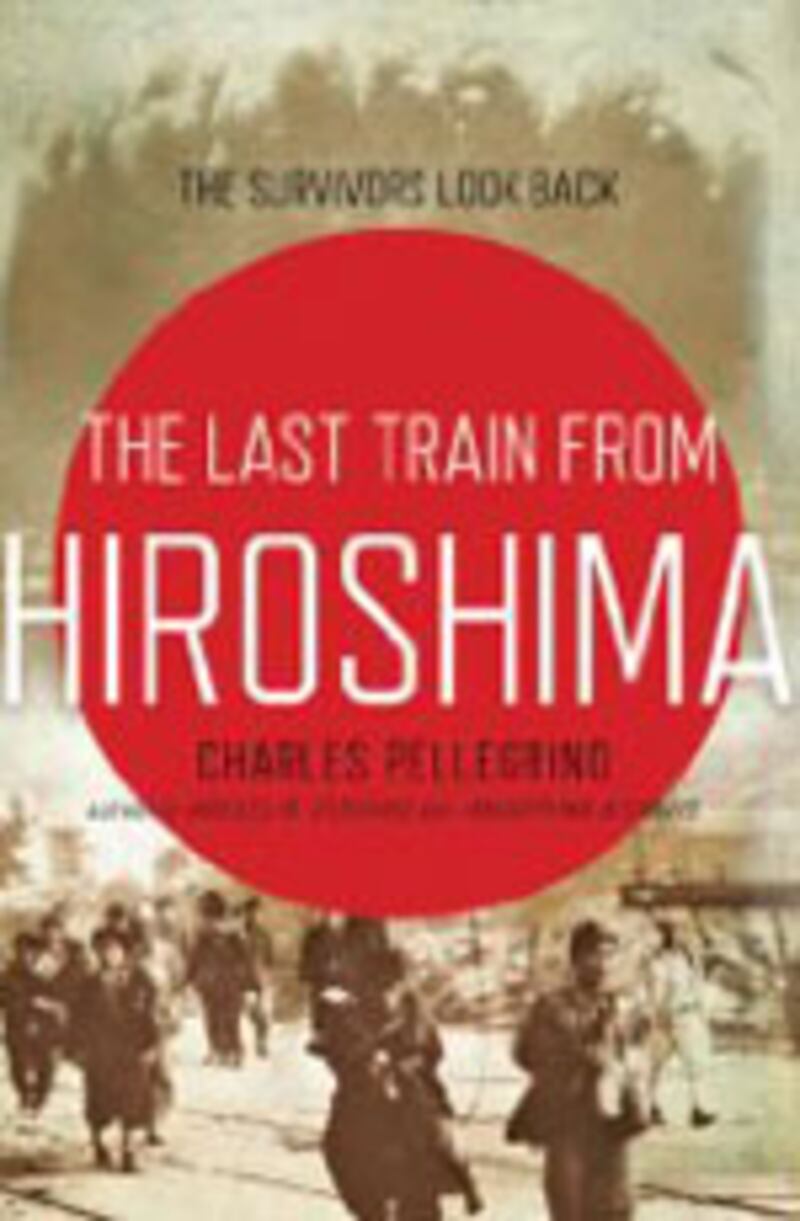
The Last Train From Hiroshima: The Survivors Look Backby Charles Pellegrino
From the bestselling author of Titanic comes the haunting story of the nuclear bombs in Japan.
Charles Pellegrino has long made a name for himself with his trademark combination of meticulous research and eye for detail with heart-rending human interest—his book, Titanic, served as inspiration for James Cameron’s film adaptation. His latest work deals with tragedy on an even larger scale as it follows the political and scientific story behind the World War II bombings in Hiroshima and Nagaski. Even more compelling is the interwoven story of 30 survivors who, in an attempt to escape the horror in Hiroshima, board a train that arrives in Nagasaki just in time for the second atomic bomb. The New York Times calls the book “sober and authoritative,” and Publisher’s Weekly praised it as “Heart-stopping […] a wise, informed protest against any further use of these terrible weapons.”
Small Warsby Sadie Jones
Sadie Jones’ intimate novel about a family’s tragedy as the British Empire comes to an end.
In Small Wars, Sadie Jones follows fraught heroine Clara Treherne and her husband Hal as they attempt to negotiate their strained marriage and raise children in the midst of a war. The novel (Jones’ second since her critically acclaimed debut The Outcast), is set in the Cyprus Emergency of 1956 and portrays the unraveling of the British Empire and Hal’s increasing discomfort as a soldier in tandem with a more intimate family drama, a balance Publisher’s Weekly called “the perfect mix of poignant and harrowing.” Both Hal and Clara are forced to re-examine their core beliefs as the novel unfolds, and The Times of London put it simply: "Jones' first novel...was a very hard act to follow. Her second, however, is even better."
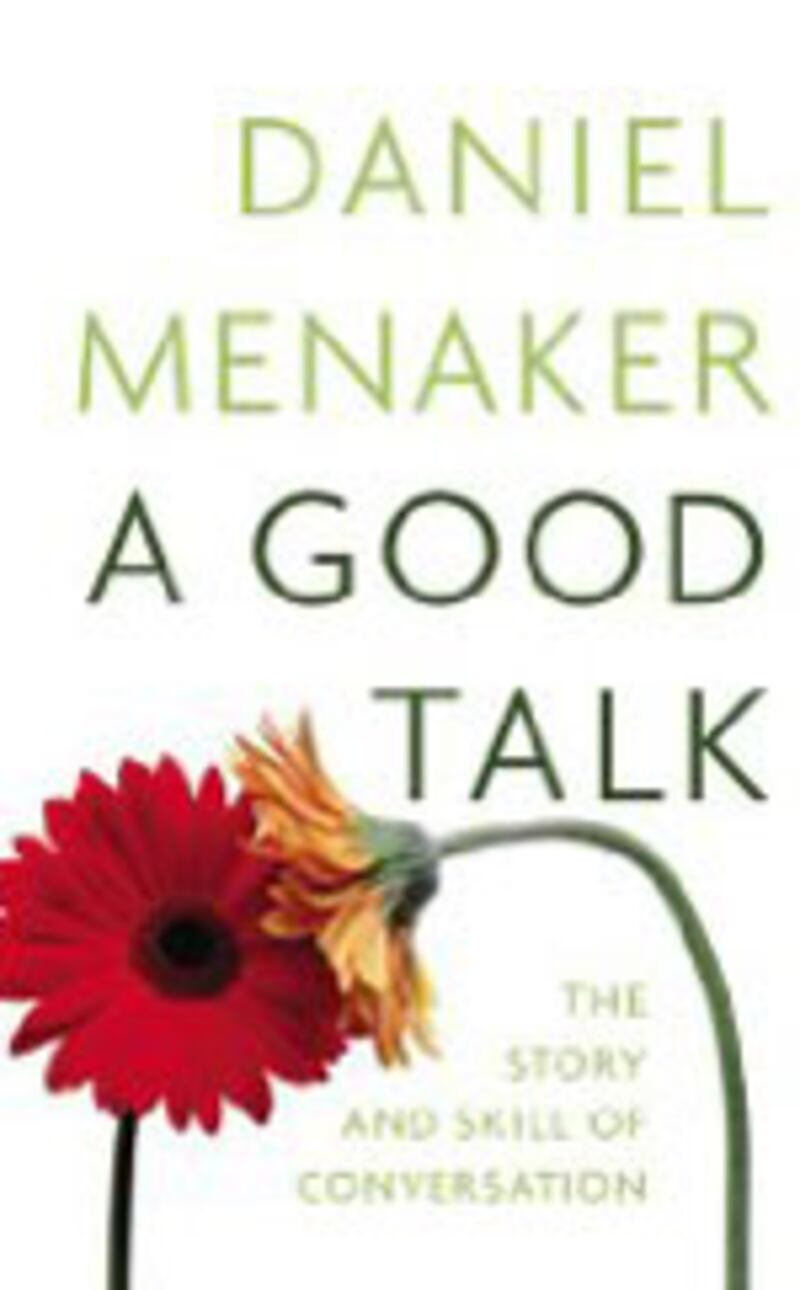
A Good Talk: The Story and Skill of Conversation by Daniel Menaker
A legendary editor’s charming take on an essential human activity.
If anyone knows their way around words, it should be Daniel Menaker, who aside from his own work as a fiction writer was an editer at The New Yorker and Random House. In A Good Talk, Menaker has approached the art of human conversation like an anthropologist with a biting sense of humor, taking the reader through a history of conversational habits as well as some of the worst offenses (such as name-dropping), and sharing what he views as essential tactics for everything from dinner conversation to email etiquette. Menaker draws freely from his own experience, peppering the book with anecdotes The Washington Post calls “refreshingly honest,” and some of which recount his days at The New Yorker.