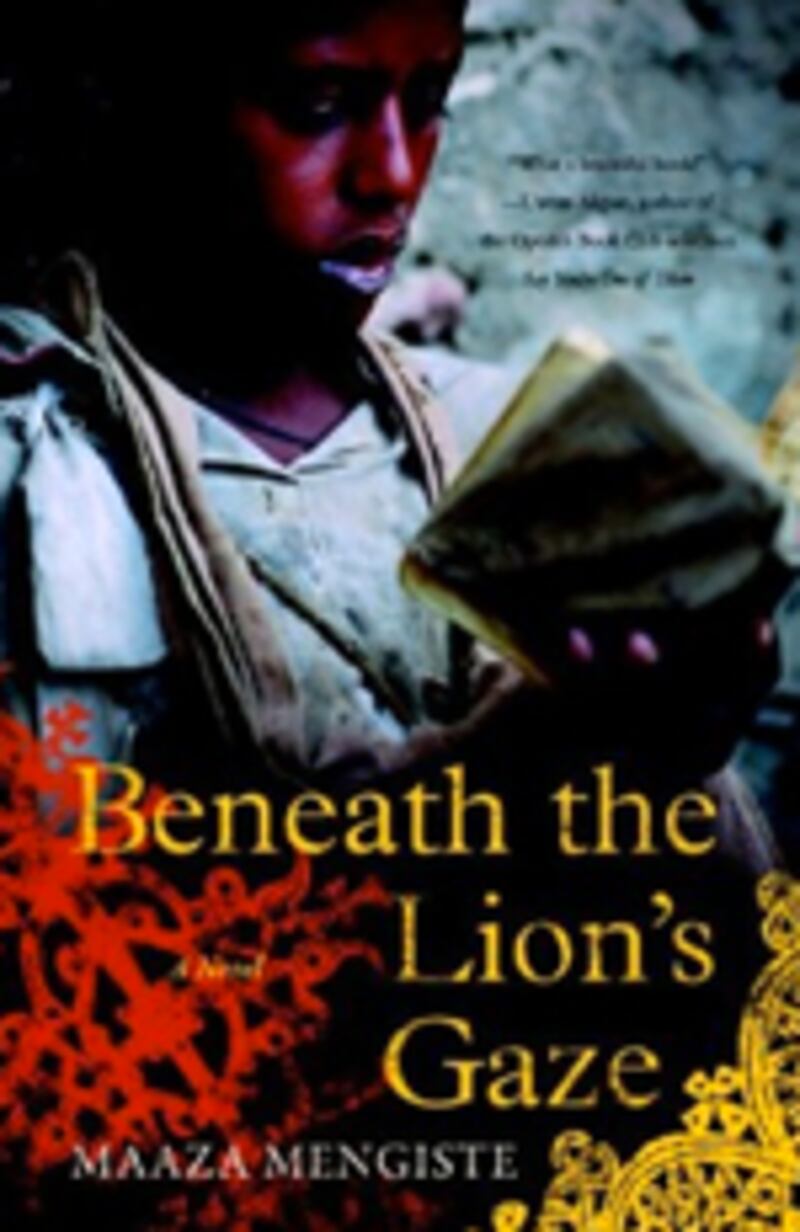
Beneath the Lion’s Gaze: A Novelby Maaza Mengiste
One Ethiopian family’s struggle in the midst of a revolution.
With the country on the verge of revolution, Maaza Mengiste’s family fled Ethiopia in 1974 when she was just 4 years old. Mengiste has now turned her experience into a harrowing first novel that Publisher’s Weekly called “a striking debut.” Beneath the Lion’s Gaze follows one family in Addis Ababa as they are pulled against their will into the country’s vicious political struggle. As Emperor Haile Selassie’s regime attempts to face down the growing threat of the Derg’s communist forces, Hailu, a surgeon, runs into impossible decisions while treating political prisoners injured by torture, a story that is often swept under the rug but comes to change the course of his entire life. Even with its complex political undertones, Mengiste’s novel showcases her has a thoughtful, sensitive writer, and Kirkus Review called the book “an arresting, powerful novel that works on both personal and political levels.”
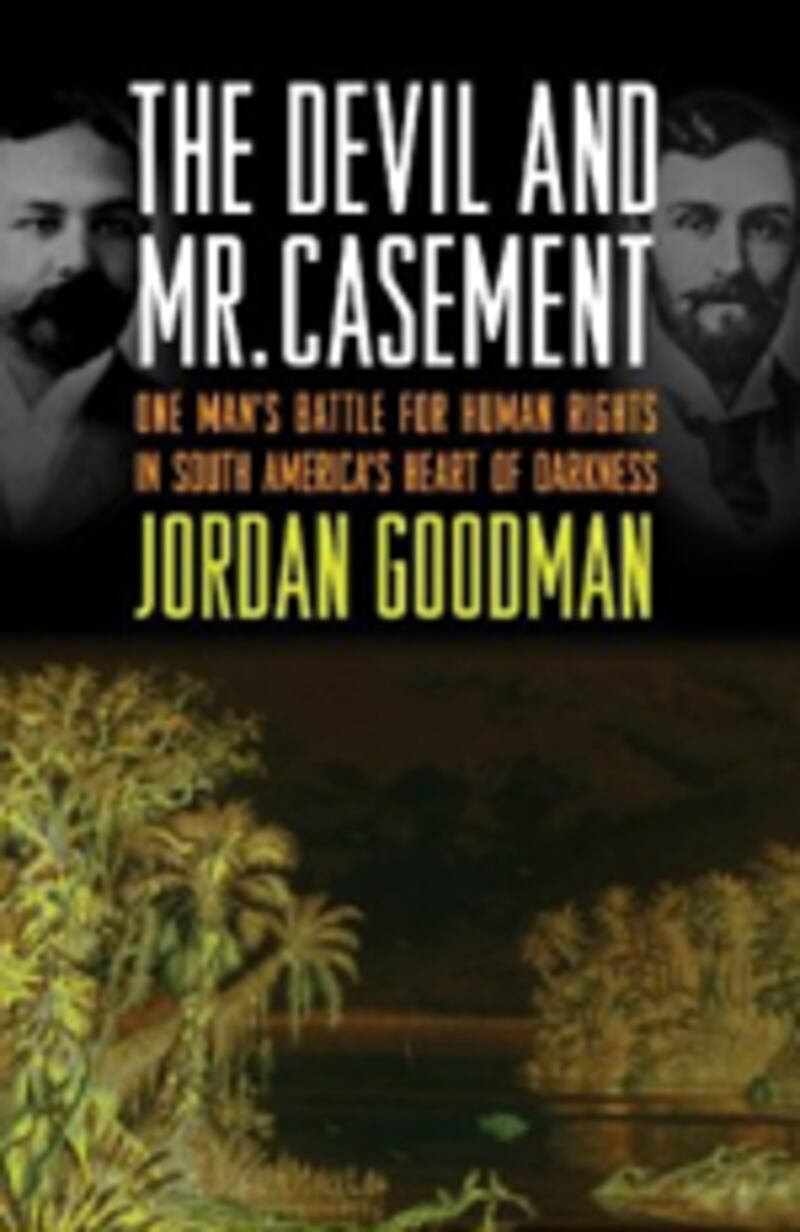
The Devil and Mr. Casementby Jordan Goodman
The story of the man who risked his life to uncover one of history’s hidden humanitarian crises.
Thirty thousand Indians died to make 4,000 tons of rubber for the Peruvian Amazon Company, but the outside world might never have found out had it not been for Roger Casement. A Dublin-born British diplomat, Casement had made a name for himself exposing the human-rights abuses perpetrated by King Leopold II in the Congo Free State. His report on the situation in Peru was even more influential, publicizing a system in which thousands were being killed or beaten for a company run by Julio Cesar Arana, the “devil” in the book’s title. Though Casement was later executed for high treason, his work remains groundbreaking and influential. Jordan Goodman expertly documents this stranger-than-fiction story, and his fellow historian Joe Jackson calls The Devil and Mr. Casement “a moving, haunting tale of evil and its consequence.”
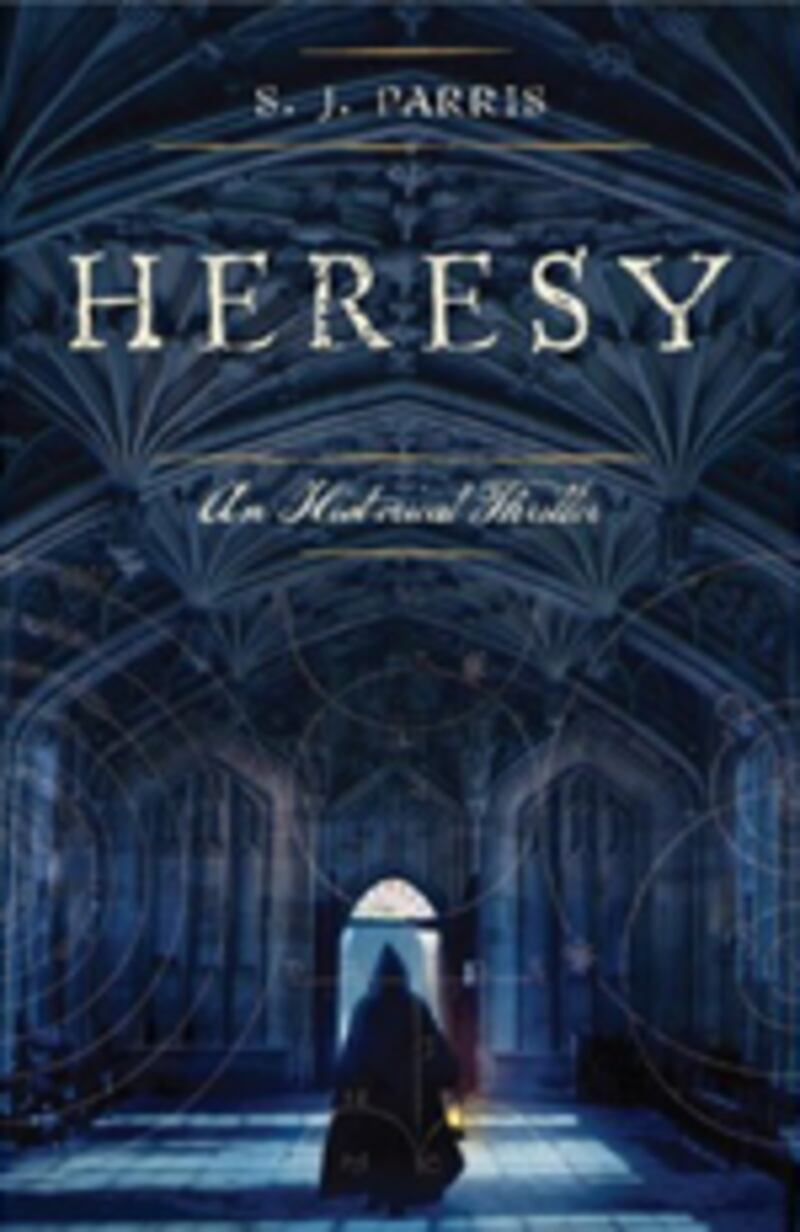
Heresy: An Historical Thrillerby S.J. Parris
Conspiracy, murder, and religious struggles in Elizabethan England.
In a fresh update on historical fiction, S.J. Parris (a pen name for British journalist Stephanie Merritt) follows the bizarre story of Giordano Bruno, a real Italian philosopher on the run from Roman Inquisition heresy charges in the 16th century. In search of a rare text, Bruno flees to Elizabethan England and the spires of Oxford University, where he is then recruited as a spy for the queen’s government and forced into the middle of both religious and royal intrigue. Things quickly become more complicated with conspiracy, murder, and political scandal, developing into what The New York Times bestselling author Matthew Pearl called “a must-read for every fan of historical thrillers.” A longtime journalist for papers including The Observer and The Guardian, Merritt has produced an intelligent and genuinely nail-biting debut novel.
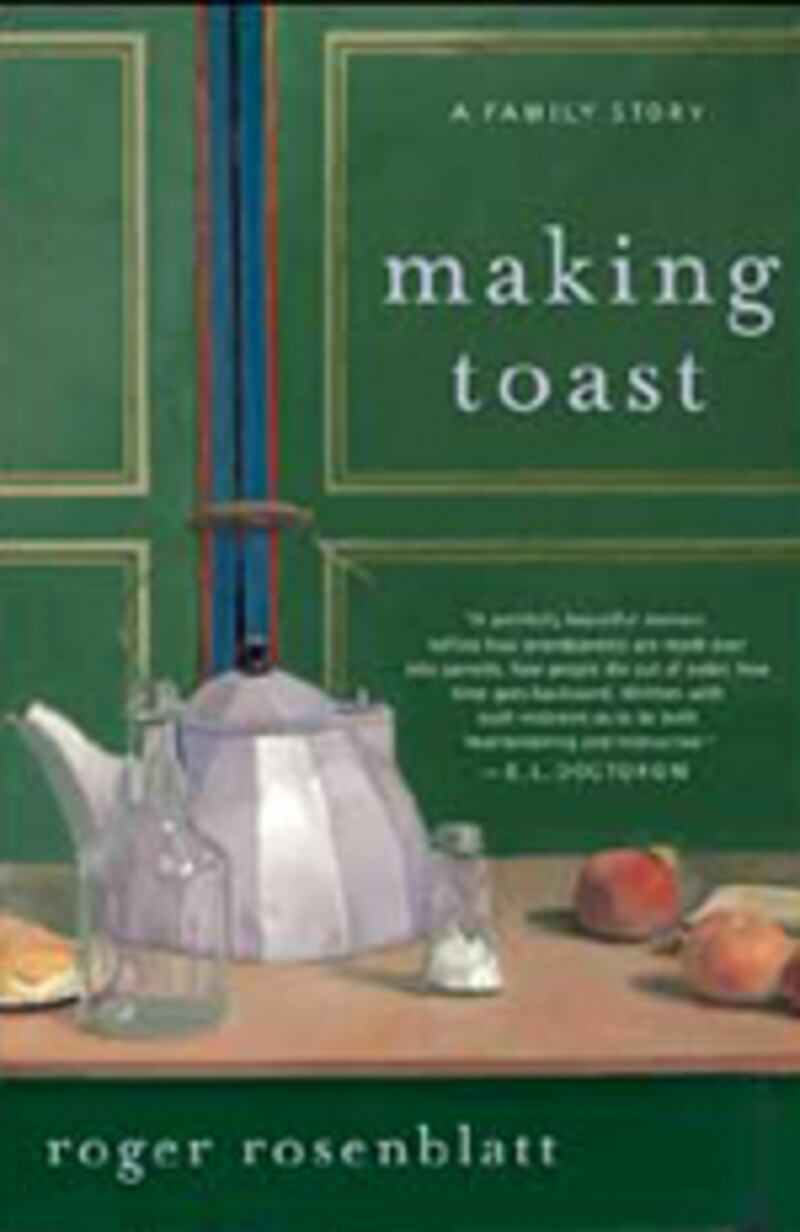
Making Toast: A Family Storyby Roger Rosenblatt
A writer movingly recounts learning to be a parent again.
Dealing with death is never easy, but sometimes a silver lining can come from even the worst tragedy. Based on his 2008 essays in The New Yorker, Roger Rosenblatt has crafted a moving account of his and his wife’s adjustment in the wake of their daughter’s sudden and unexpected death. Still dealing with the tragedy, the pair moved in with their son-in-law to help raise their three grandchildren, and were soon thrown headfirst into parenting tasks they had left behind decades before, including the essential morning ritual in any home—making toast. Watching Rosenblatt and his wife re-learn parenting in the age of cable TV and Power Rangers is as touching as it is entertaining, and novelist E.L. Doctorow called the book “a painfully beautiful memoir… written with such restraint as to be both heartbreaking and instructive.”
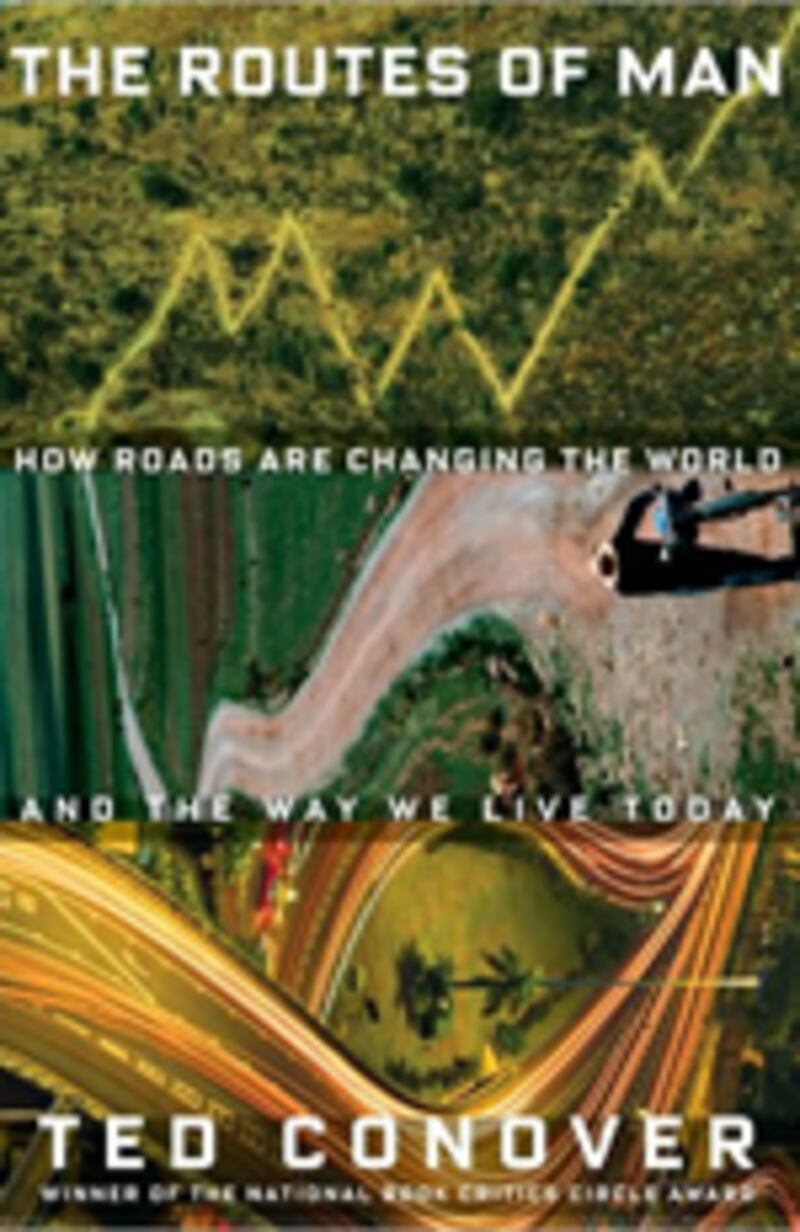
The Routes of Manby Ted Conover
A noted journalist explores the world through roads.
From illegal lumbering in Peru to the spread of AIDS by truckers in Africa, Ted Conover has crossed the globe exploring how the ever-expanding network of roads brings us closer together, for better and worse. A National Book Award-winner for his memoir about becoming a prison guard, Conover’s penetrating and engaging journey along the asphalt reveals much about our interconnected world—or showing how roads can keep people separate as in the West Bank. While some readers may find the book a collection of essays rather than a truly coherent work, many will be moved, as William T. Vollman in The New York Times Book Review was, by “Conover’s bravery and hardihood.”