
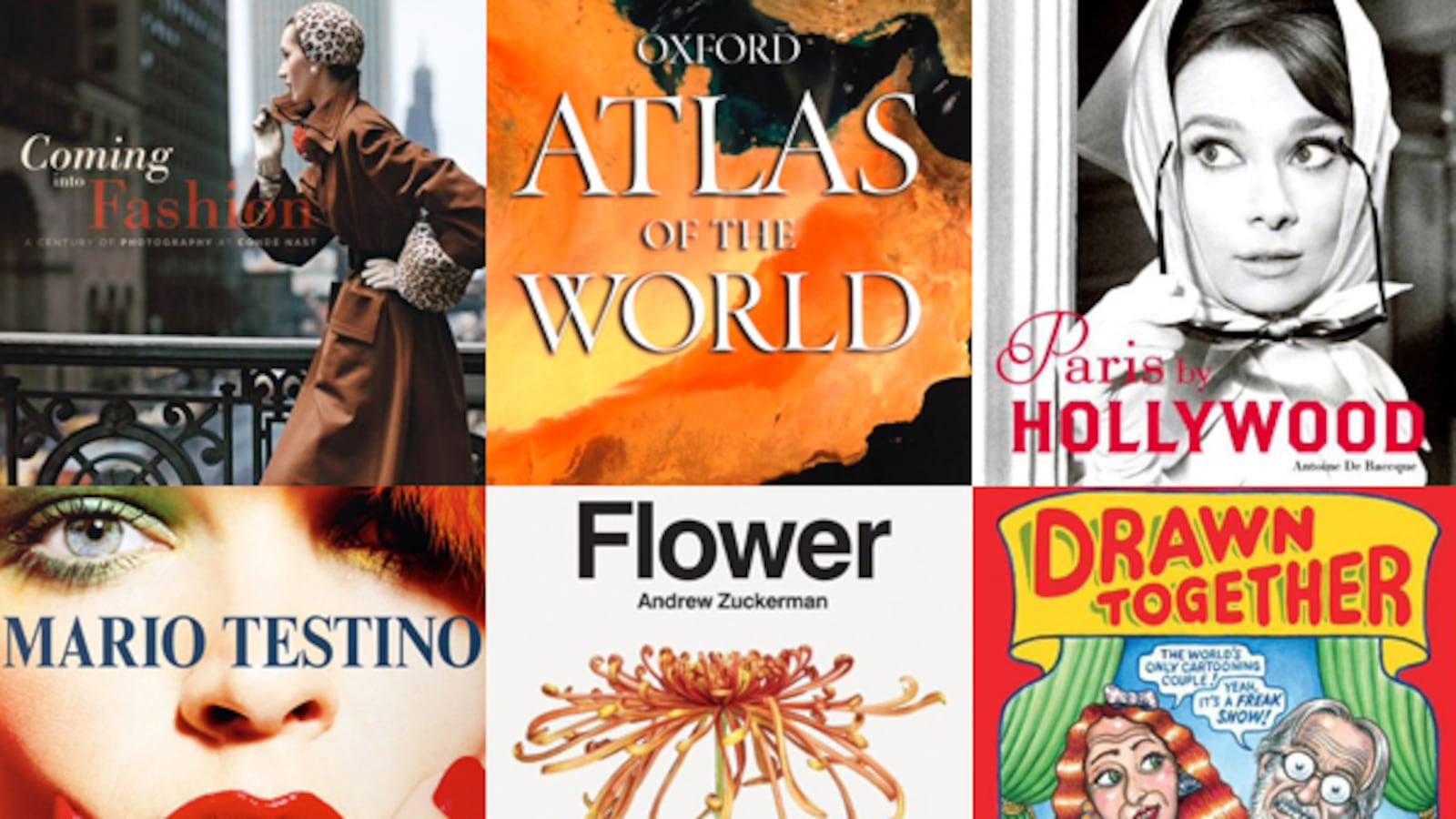
It is no doubt inescapable to anyone who steps into a bookshop that this is the time of year is when book publishers load up their releases with big books traditionally falling under the rubric “coffee table” or “art” books: oversize books with lots of illustrations, photographic or other wise, usually curated around (one can hope) a novel theme. Whatever the content, these monographs are strong arguments for the printed book—the size of the images having much to do with their impact on the viewer. Probably every publication, Web or print, is offering their readers an edited list of their “hot,” “best,” and “quintessential.” Normally consensus is not a bad thing—but the small range of choices selected (as in the small number of titles reviewed) necessarily ignores a plenitude of wonder—such as represented by the books that follow.
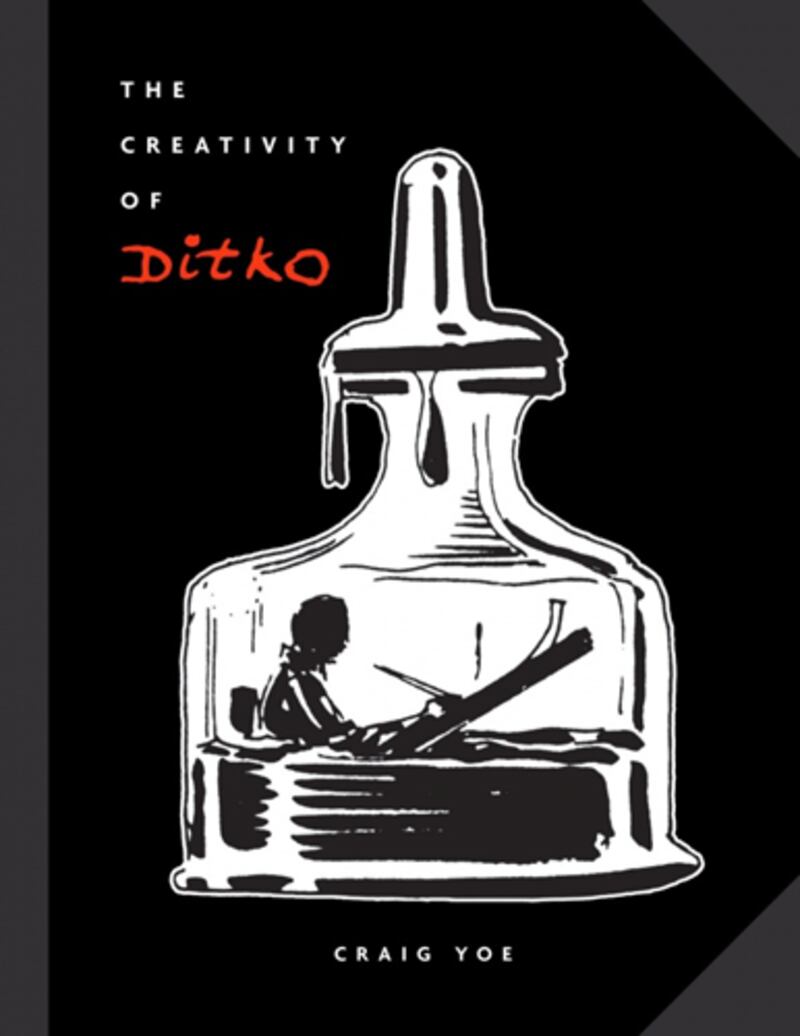
The Creativity of Ditko
By Steve Ditko; edited by Craig Yoe. IDW Publishing; 208 pages.
Steve Ditko, who, partnering with Stan Lee, created Spider-Man and Doctor Strange, surely resides in the pantheon of superhero-comics creators. This handsome monograph spotlights a wide array of Ditko’s work, much of it unpublished, with illuminating essays by designer Craig Yoe, former DC Comics president Paul Levitz, and others. It’s a substantial archive and treasure trove for graphic-arts devotees as well as cultural historians.
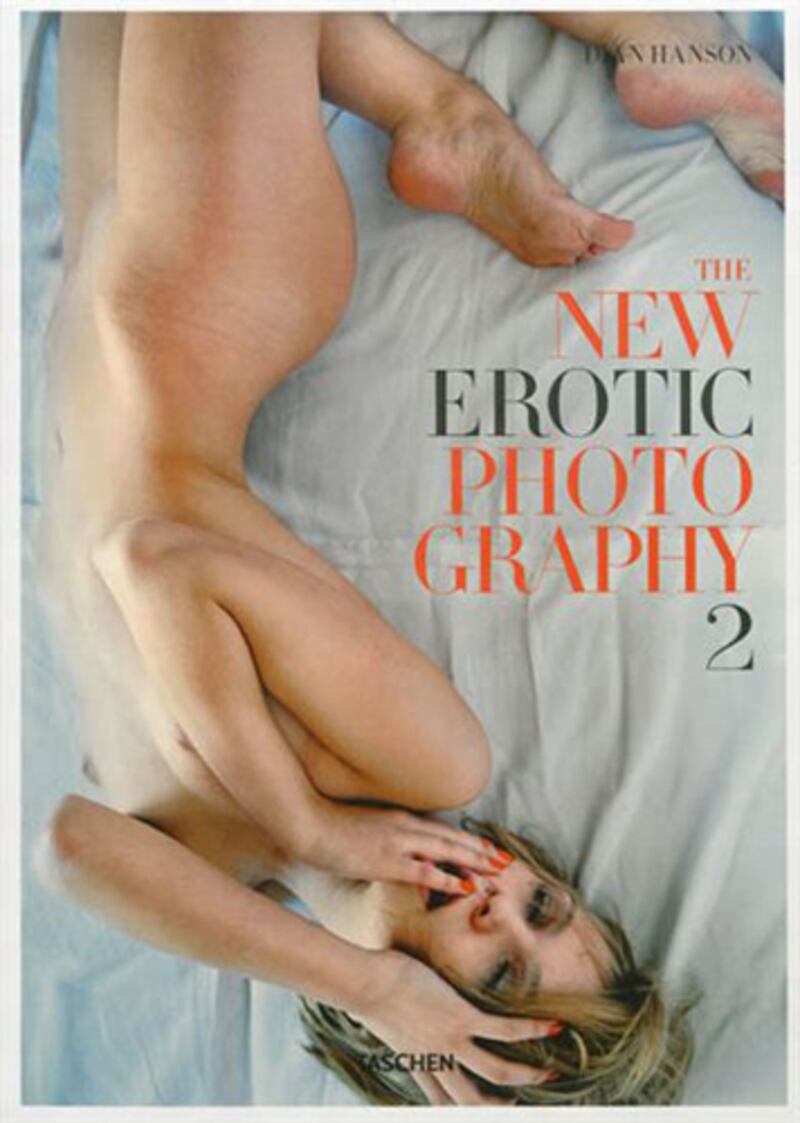
The New Erotic Photography 2
By Dian Hanson (editor). Taschen; 424 pages.
The second volume (the first was published in 2007) by highly regarded art-book publisher Taschen features an international cast of photographers—including Eric Bonzi, Cyril Torrent, Jo Schwab, Yossi Loloi, Tomohide Ikeya, Frederic Fontenoy, Andrew Pashis, Ján Hronsky, and Chase Lisbon—and some compelling women subjects, including erotic film star Kimberly Kane, Colombian expat Alejandra Guerrero, skateboarder and heavy-metal rocker Magdalena Wosinska, self-portraitist Erica Simone, and Liz Earls. Digital is de rigueur, but a number of photographers experiment with film and toy cameras like the Lomo and Holga to achieve some startling effects. Need I say that this volume oozes lots of sex appeal?
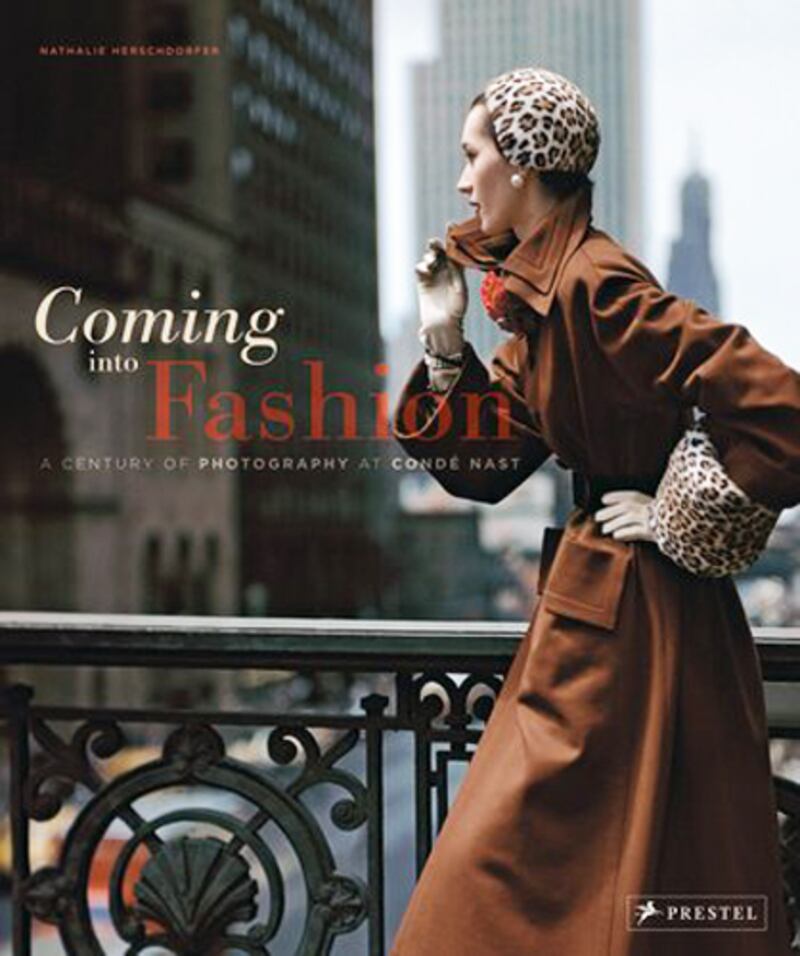
Coming Into Fashion: A Century of Photography at Condé Nast
Edited by Nathalie Herschdorfer Prestel.
Collect the works of Cecil Beaton, Irving Penn, Ellen von Unwerth, Helmut Newton and Mario Testino, Deborah Turbeville, Bruce Weber, and Edward Steichen—some 70-plus photographers—in nearly 300 pages, and you have an inspiring survey of the transformation of fashion photography into an art form. This development was, of course, beautifully shepherded by genius Condé Nast editors and art directors—Edna Woolman Chase, Diana Vreeland, and Alexander Liberman among them. Photography historian Nathalie Herschdorfer culled Condé Nast’s archives in New York, Paris, and Milan to curate an exhibition, which travels across the world from Berlin to Tokyo, and produce this monograph, which serves as its catalogue.
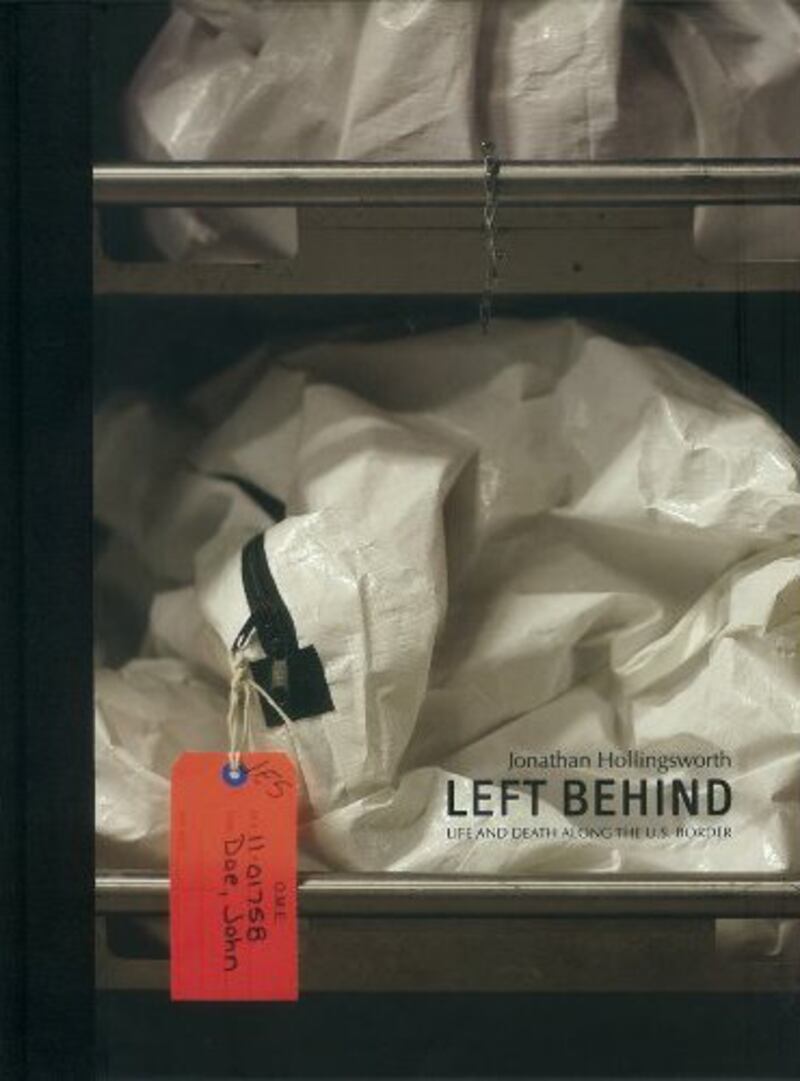
Left Behind: Life and Death Along the U.S. Border
By Jonathan Hollingsworth (photographer) and Gregory L. Hess (foreword). Dewi Lewis Publishing; 112 pages.
The long region between Mexico and the United States is its own country with a rich Tejano culture, the so-called war on drugs, and the epicenter of murder in Cuidad Juárez frequently overshadowing the human results of the unsolved immigration policy of the U.S.A. It’s a big story, which Jonathan Hollingsworth filters through the lens of an unusual microscope. In the past decade 150 sets of skeletal remains of people who attempted to cross in to the U.S. were discovered in the far reaches of Arizona’s Sonoran Desert. Hollingsworh traveled to the Pima County Forensic Science Center, which houses those corpses or what was left of them, attempting to identify who they were. The resulting images most certainly humanize the life-and-death dimensions of this pressing immigration issue.
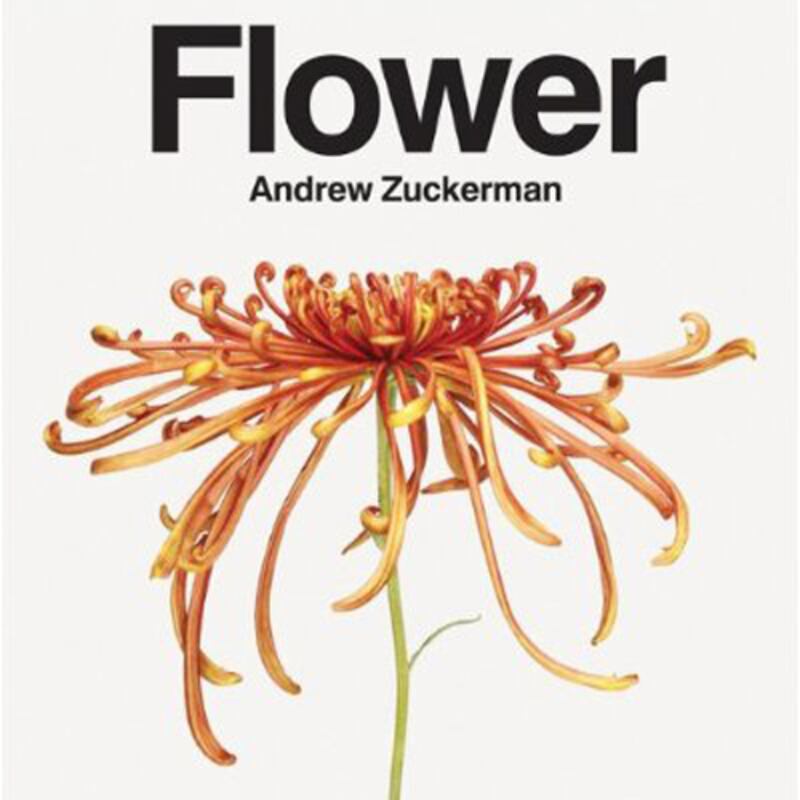
Flower
By Andrew Zuckerman. Princeton Architectural Press; 300 pages.
Filmmaker and photographer Andrew Zuckerman has two previous volumes, Creature and Bird, which collect gorgeous large-format, full-color photographs. In his new opus, Flowers, he gathers astounding array of close-ups, including images of more than 250 varieties of flora with an accompanying taxonomical index and time-lapse films of the life cycles of seven species, which were created from thousands of high-definition stills. Zuckerman employs his signature minimalist style against a white background. The color is radiantly brilliant in this well-published book—an astonishing visual feast.

The Mark of Abel
By George Slade and Maile Maloy (authors) and Lydia Panas (photographer). Kehrer Verlag; 96 pages.
Lydia Panas’s group portraiture (for lack of a more accurate rubric) represented in this monograph suggests a dark awkwardness that while not impermeable is haunting by way of an oblique subtlety. The palate is dark and muted, and the grouping of human subjects invests each of the 52 images presented with wisps of mystery. It should not go unsaid that The Mark of Abel was one of Photo District News’s best photo books for 2012.
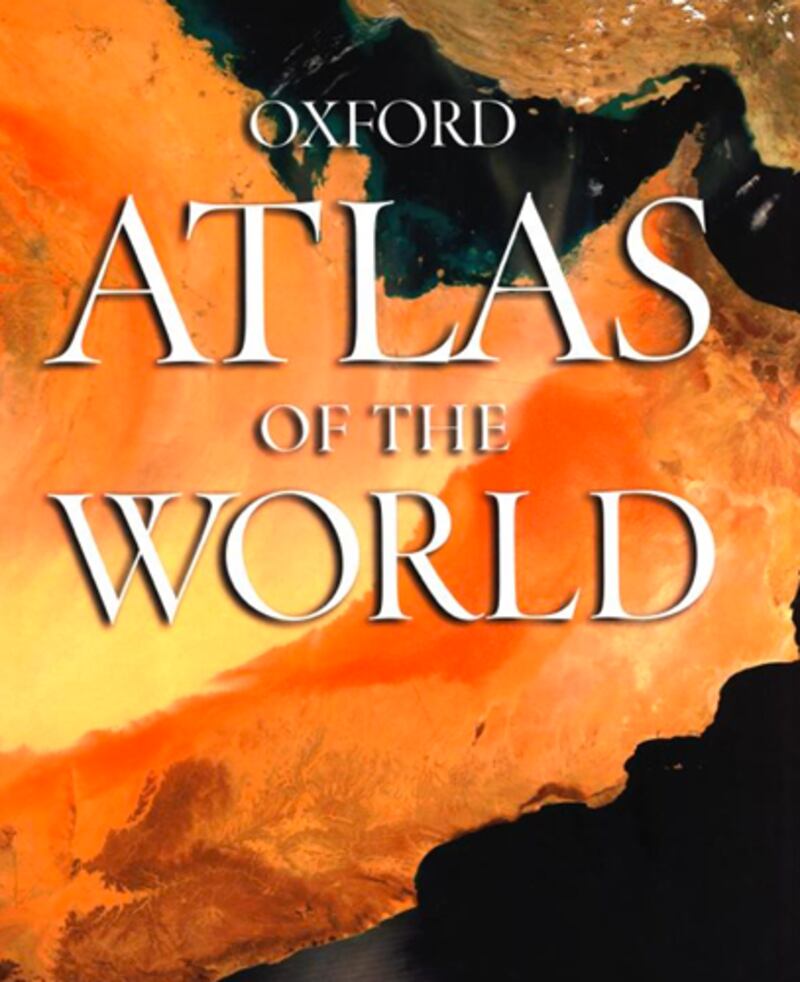
Atlas of the World (19th edition)
Oxford University Press.
This hefty 448-page annual is one large argument for the physical book over the portable screen. Updated annually via the latest in digital mapping technology and with almost up-to-the-minute demographic and geographic details (including new Bantu name forms in South Africa, the addition of four new provinces in Indonesia, and the addition of extra topographical names), the atlas also provides satellite photographs and topographic maps, which are compelling images on their own.
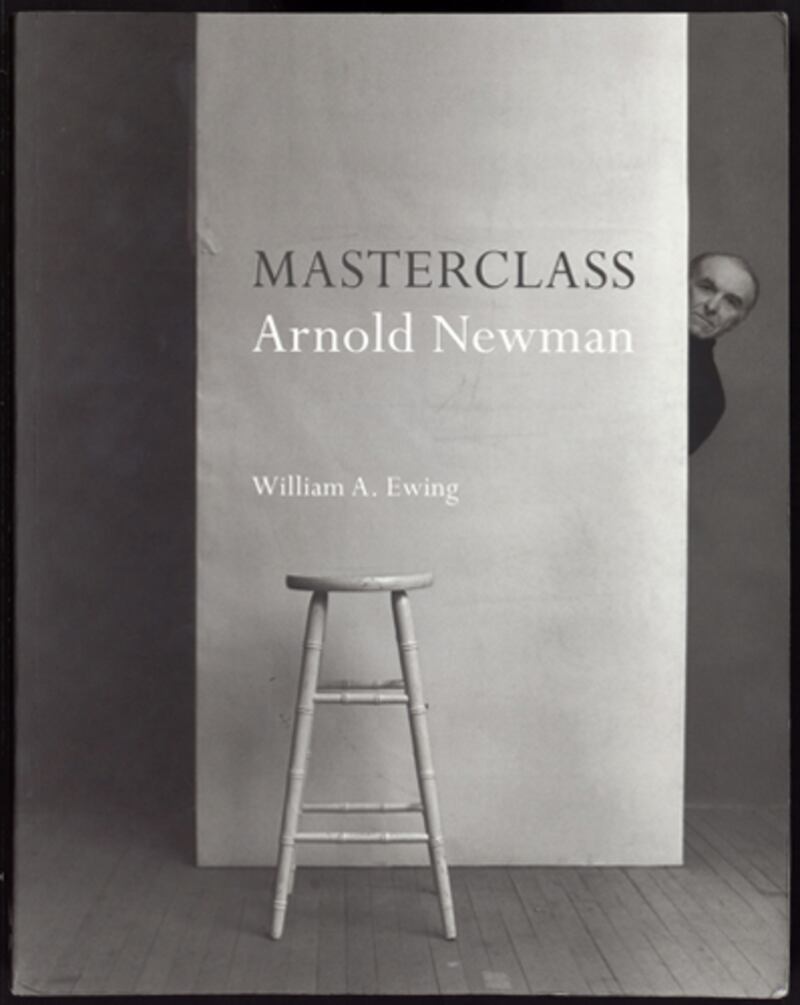
Masterclass: Arnold Newman
By William A. Ewing. Thames and Hudson; 272 pages.
Back in the golden age of glossy magazines, they were venues and sinecures for some of the greatest photographers practicing at the intersections of art and commerce. For well over half a century, Arnold Newman, who died in 2006, was a major presence in the most influential magazines, museums, and private collections. Masterclass represents a useful anthology (with illuminating essays by William A. Ewin and Arthur Ollman) of some of Newman’s best and most famous works—portraits diverse in subjects including John F. Kennedy, Igor Stravinsky, Truman Capote, Marc Chagall, Marilyn Monroe, Pablo Picasso, and Andy Warhol. Though Newman worked primarily in black and white, this is a rich sample of his work with a few dozen images in color.
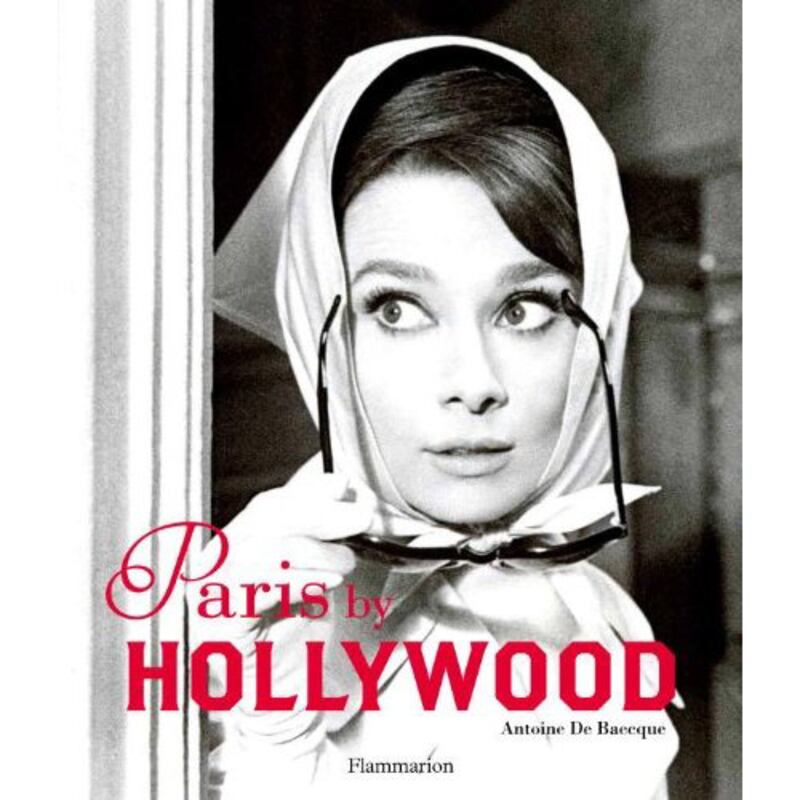
Paris by Hollywood
Antoine de Beacque (editor). Flammarion; 288 pages.
This picturesque retrospective charts the intimate and frequent (nearly 800 American film were shot in Paris) coupling of two of the modern world’s urban dream machines—Hollywood and Paris. Films like An American in Paris, The Hunchback of Notre Dame, Sabrina, and up to Woody Allen’s Midnight in Paris have used the glamour and romantic allure of the City of Light as a necessary ingredient in in adding just the right touch of exoticism to various films. A survey of 100 years of filmmaking edited by historian and film critic Antoine de Baecque, former editor in chief for Cahiers du Cinéma, this lavish volume includes interviews with Martin Scorsese, Julie Delpy, and Leslie Caron. If you happen to be in Paris sometime before Dec. 15, you may catch an exhibition on Paris as seen by Hollywood at the Hôtel de Ville.
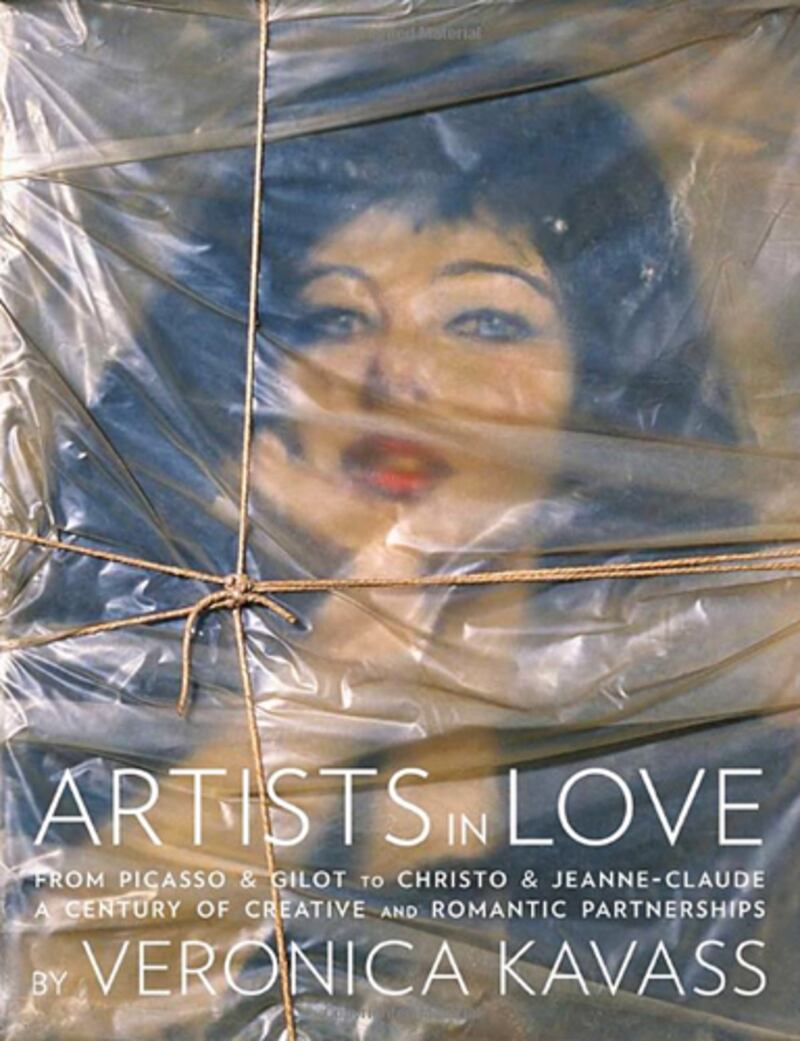
Artists in Love: From Picasso & Gilot to Christo & Jeanne-Claude, a Century of Creative and Romantic Partnerships
By Veronica Kavass. Welcome Books; 223 pages.
Here’s a book, startlingly simple in its concept, that surveys the love relationships of some precious icons of modern art, from Frida Kahlo and Diego Rivera, Lee Miller and Man Ray, and Alfred Stieglitz and Georgia O’Keeffe to Jasper Johns and Robert Rauschenberg, Bruce Naiman and Susan Rothenberg, and Christo and Jeanne-Claude. Editor Veronica Kavass probes the romances of these artists for some understanding and insight into the artistic process. Whether or not you come away enlightened, the artists are sufficiently captivating and irresistibly portrayed in 140 images.

The Ideal Museum: An Art Lover’s Dream Collection
By Philippe Daverio. Rizzoli; 351 pages.
Well-regarded art historian and university mentor Philippe Daverio indulges his critical acumen and fancy by creating his own perfect museum gallery and at the same time providing illuminating assessments of major painting masterpieces of Western art. Daverio sees himself as an art popularizer, and this tome is a fine example of his interest in making Art with a capital A accessible. He opines, “The basis for our vision of art history is still from the nineteenth century. I enjoy changing these points of view. We should look to the past to understand the present.” Richly festooned with more than 200 color illustrations from Arcimboldo and Bruegel to Titian and Vermeer, Daverio does not shy away from encouraging readers to access the Internet for more images and information.
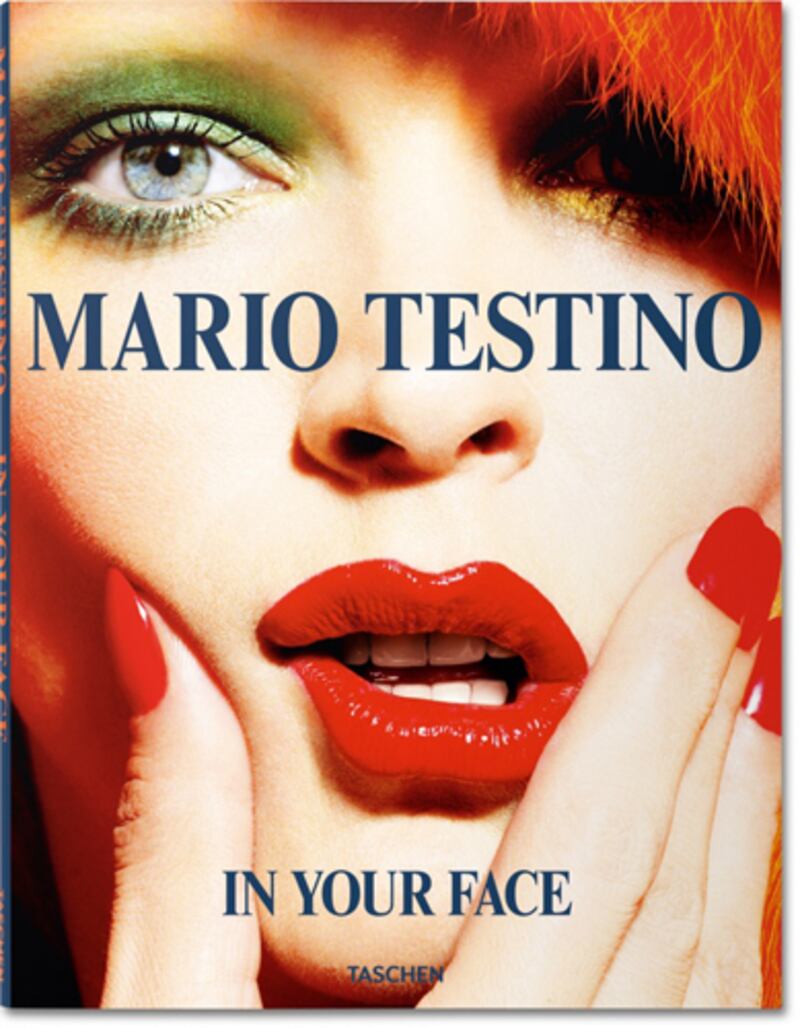
Mario Testino: In Your Face
By Mario Testino. Taschen/MFA; 224 pages.
If you are a familiar with glossy, high-fashion, high-end magazines, photographer Mario Testino’s images, if not his name, should be familiar. His 30-plus-year career in both advertising and editorial work is well represented in an exhibition currently at the Museum of Fine Arts, and In Your Face is the catalogue for this Testino retrospective. Known for both humor and sexually direct style, he has captured the likenesses of Kate Moss, Stephanie Seymour, and Gisele Bündchen; Nicole Kidman and Gwyneth Paltrow; Mick Jagger, Madonna, and Lady Gaga; and David Beckham and Tom Brady. Whether or not these photographs deserve to hang on the walls of the MFA, the well-chosen 122 images are vividly reproduced and dazzle on the page.
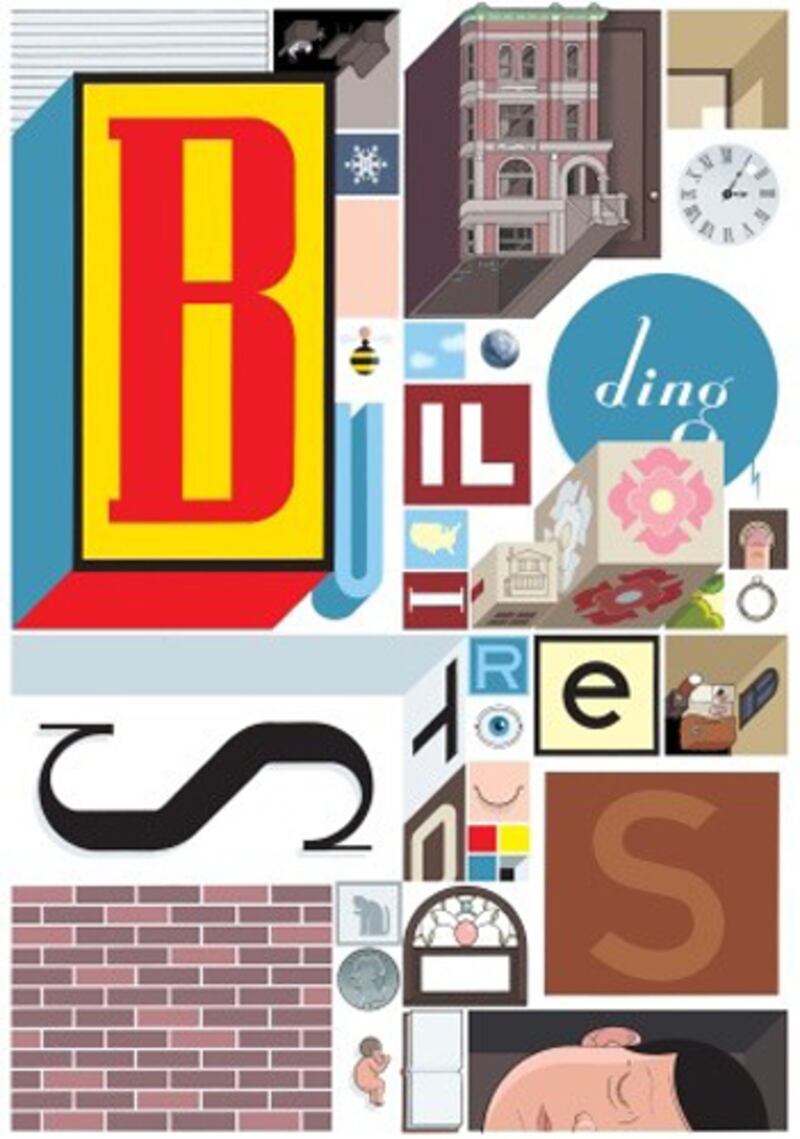
Building Stories
By Chris Pantheon. Pantheon.
Building Stories is a kind of gift box and anthology containing 14 distinct printed items, books, booklets, magazines, pamphlets, and even a newspaper—totaling 260 pages. Some Ware has published previously in The New Yorker, The New York Times, and McSweeney’s Quarterly Concern, and some was never before published. This is clearly a “book” that could not be realized on a tablet screen, so splendidly complicated underneath the upbeat and colorful art and so rife with humor and intention.
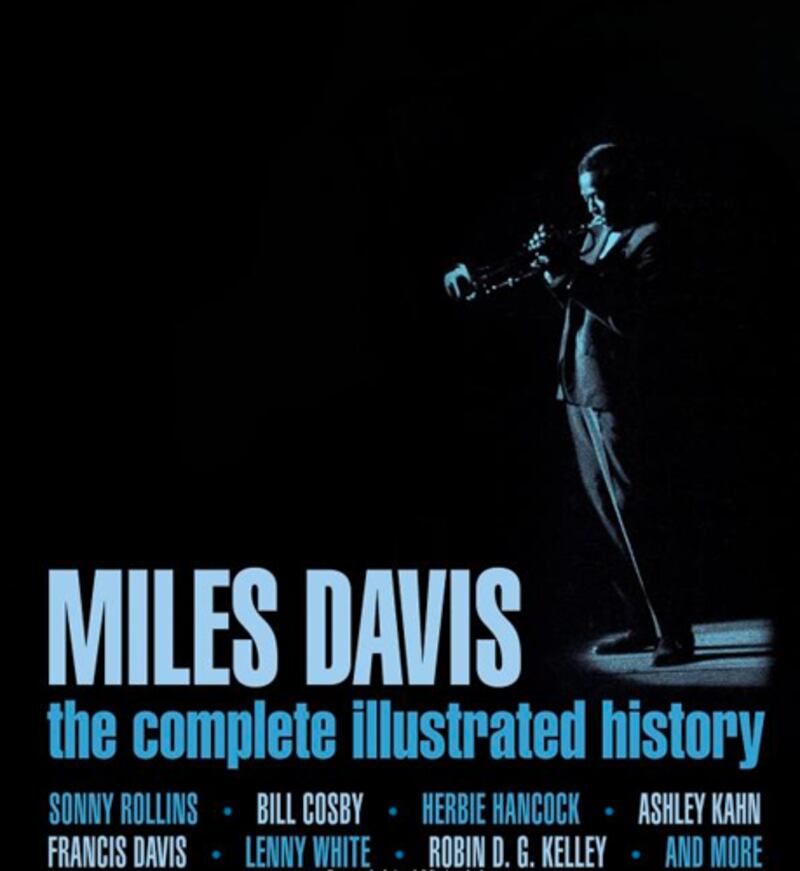
Miles Davis: The Complete Illustrated History
Voyageur Press; 224 Pages.
Trumpeter Miles Davis, whose long and fruitful career spanned bebop, cool jazz, hard bop, modal jazz, and jazz-rock fusion, created Kind of Blue, arguably the most loved jazz recording of all time. In addition to being an innovator, he was a mercurial character whose friends represented a diverse array of celebrities. This tribute to Davis necessarily surveys the history of jazz through his connections giants like Charlie Parker, Dizzy Gillespie, Thelonius Monk, John Coltrane, and Gil Evans. Sonny Rollins, Bill Cosby, Herbie Hancock, Ron Carter, Clark Terry, and others contributed to this volume, which is a brilliant archive of our quintessential American music.
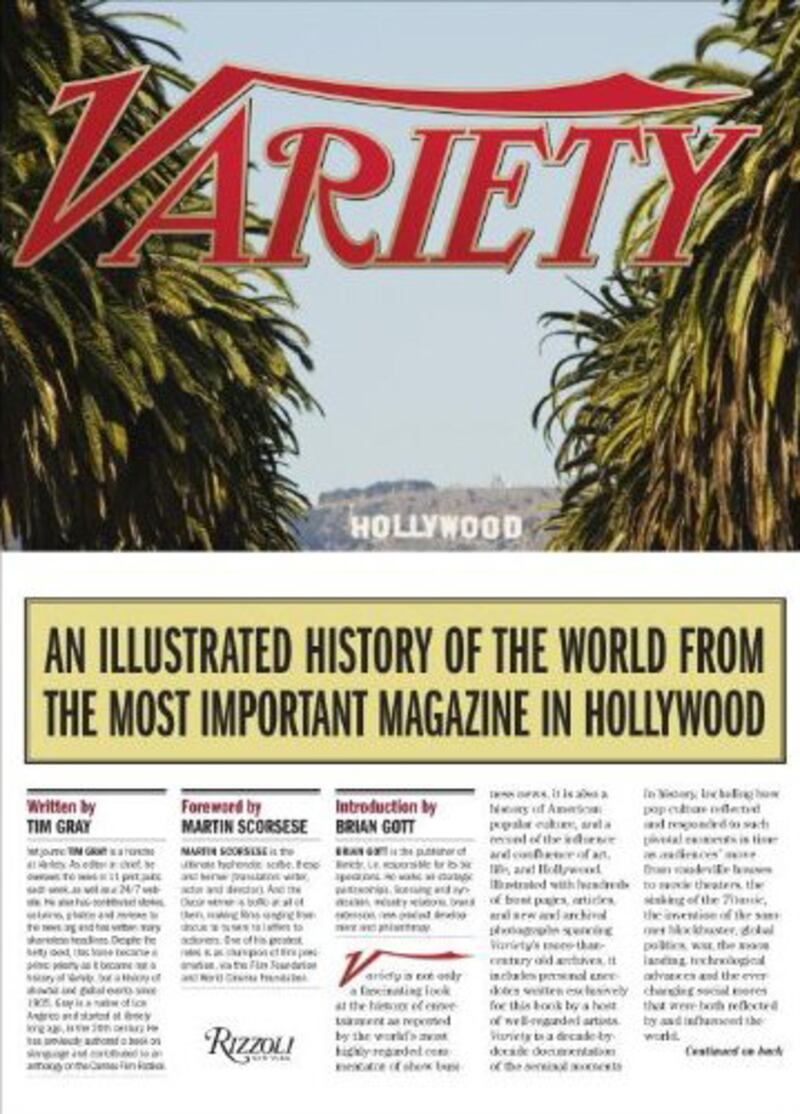
Variety: An Illustrated History of the World From the Most Important Magazine in Hollywood
By Tim Gray; foreword by Martin Scorsese. Rizzoli; 320 pages.
Undoubtedly for over a century the paper of record for the show business (Hollywood and Broadway), that Variety has fallen on hard times and heavy competition takes nothing away from its cultural stature and the particular lens with which it viewed the news of the world. This decade-by-decade review not only is a history of the entertainment business but chronicles popular culture, touching on a wide range of subjects from Depression-era 5-cent eateries and the shift from vaudeville to movies to Al Capone’s nickname (Snorky) to Hollywood’s reaction to the rise of Hitler, television, and Lucy and Desi; the birth of the summer blockbuster; and the special-effects and CGI takeover of movies. As Martin Scorsese opines in the book’s foreword, “Variety makes you feel not only like a witness to history, but a part of it too, whether as a spectator or a participant.”
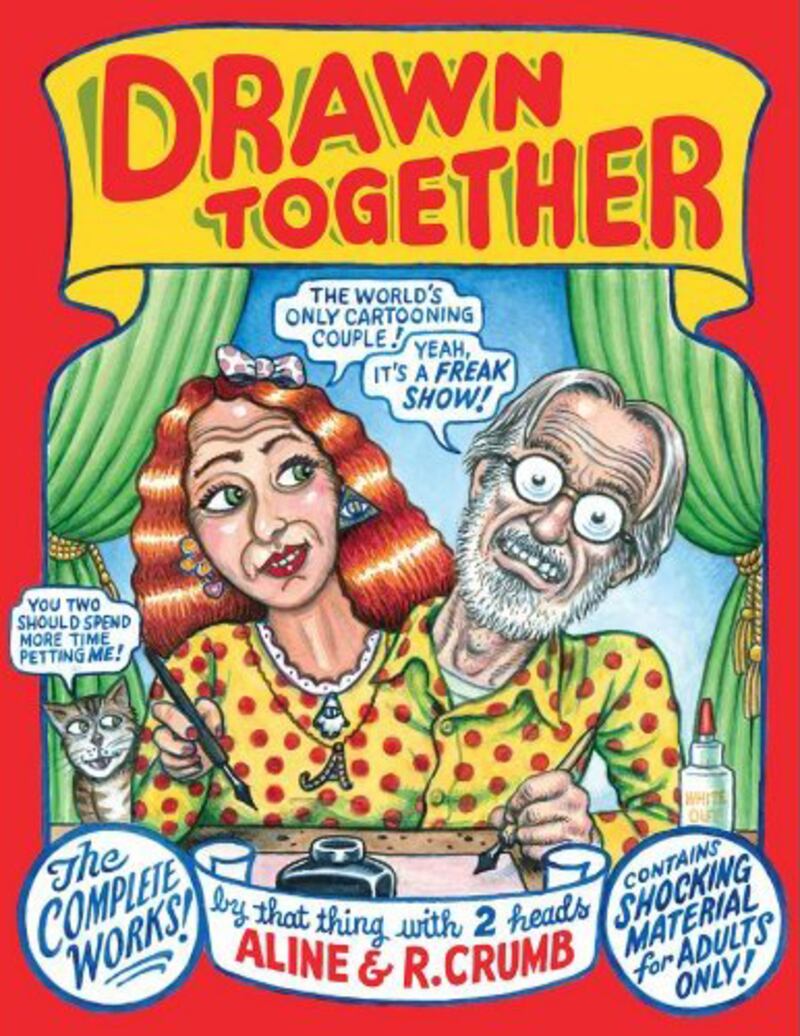
Drawn Together: The Collected Works of R. and A. Crumb
By R. Crumb and A. Crumb. Liveright; 272 pages.
Back in 1972, R. (Robert) Crumb, the ’60s comic denizen responsible for Mr. Natural, Fritz the Cat, Zap Comix, and the iconic “Keep on Truckin’” image (for which Crumb rejected Toyota’s $100,000 usage fee), teamed up with his wife, artist Aline Kominsky, a.k.a. A. Crumb, to produce Weirdo Magazine and this comic memoir of the years of collaboration. Crumb recently revealed that “Aline is just a fountain of this Jewish stand-up-comedian humor. I just have to give her a lead line, and she takes off. With her, you have to trim down the dialogue to fit it all in a page. We kinda work it out together, it’s pretty even-steven. We’ve done a new 12-page story for Drawn Together, which would never have made it into The New Yorker, with explicit sex in it.” So there you have it: explicit cartoon sex.