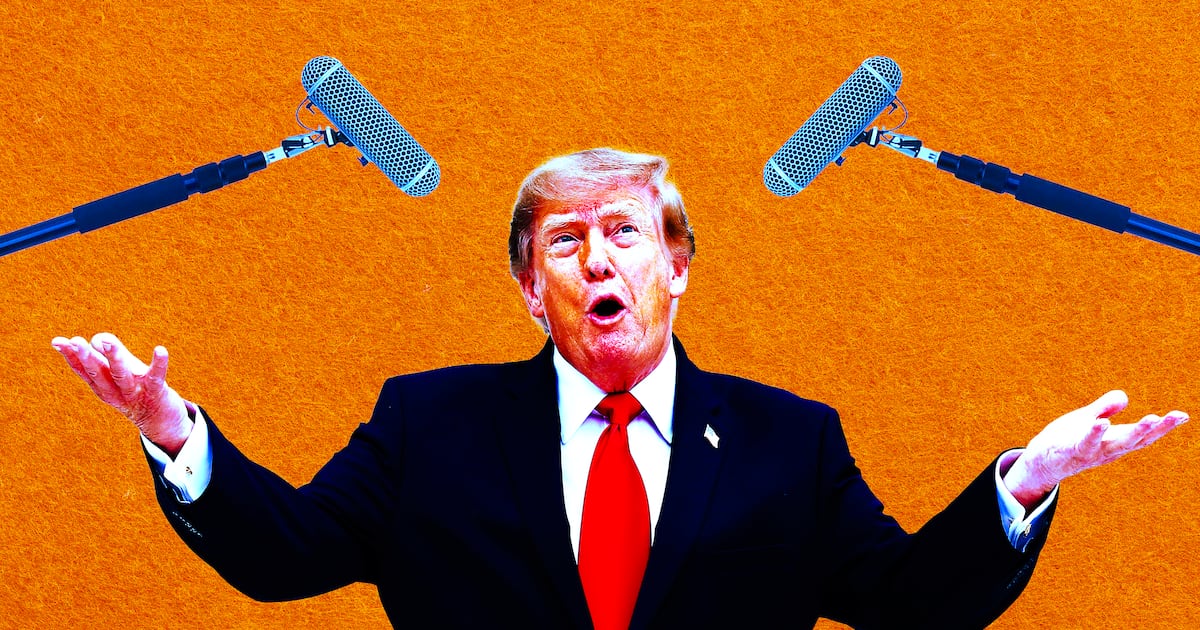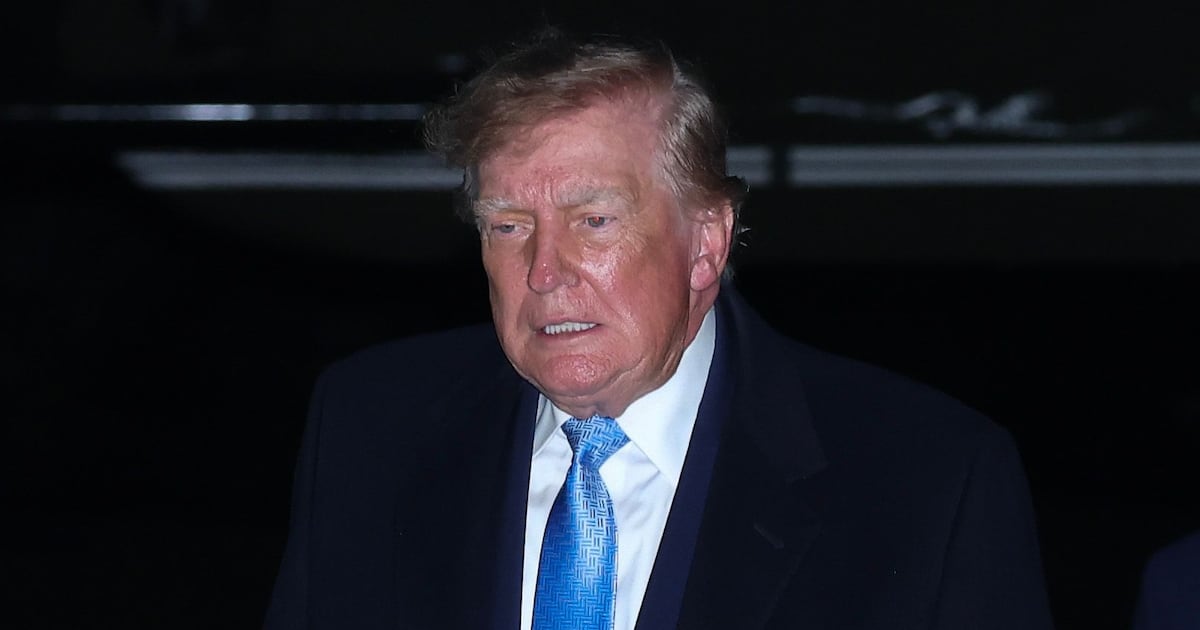
President Donald Trump has defended his controversial new $1.8 billion anti-weaponization fund as “peanuts” for taxpayers, even as lawsuits, ethics complaints and bipartisan criticism intensify.
The so-called slush fund was created as part of a Justice Department settlement after Trump agreed to drop a $10 billion lawsuit against the Internal Revenue Service over the leaking of his tax records.
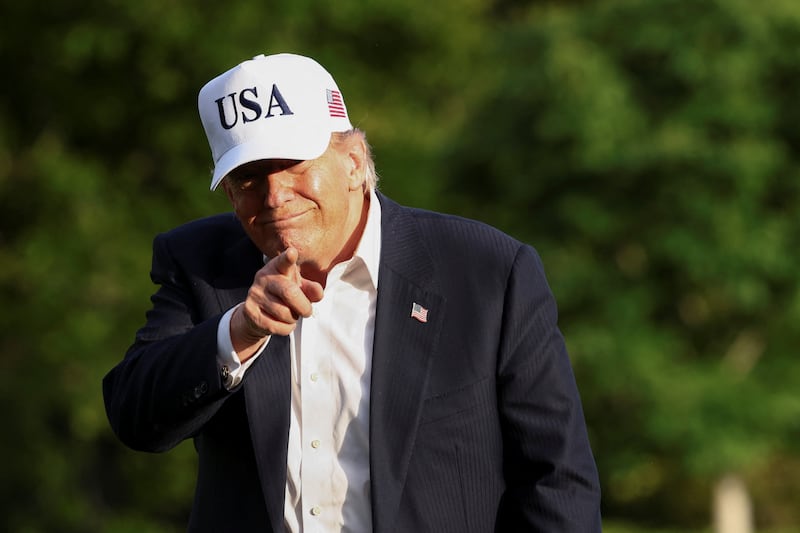
Administration officials say the money is intended to compensate Americans who believe they were unfairly targeted by politically motivated investigations under previous administrations.
But critics say the structure of the fund gives Trump and his allies enormous influence over who receives taxpayer money, including the potential to compensate January 6 rioters who assaulted police.
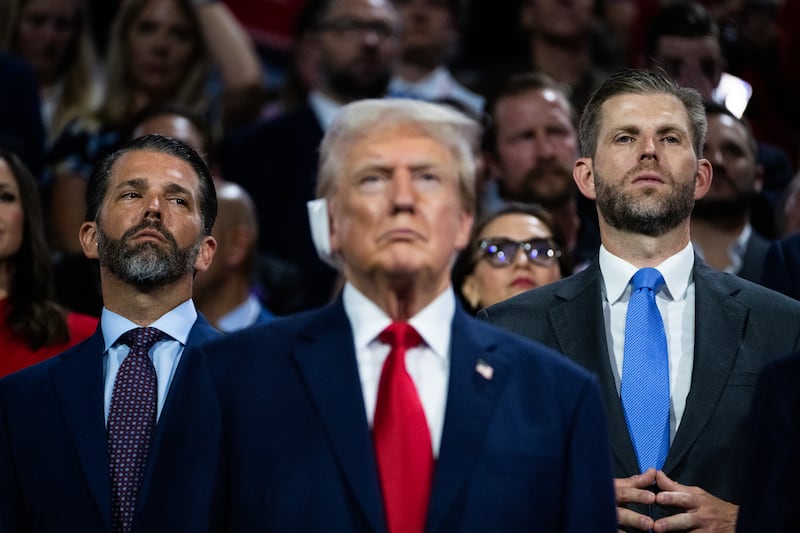
In another stunning development, the department also added an addendum to the IRS settlement on Tuesday declaring the federal government was ”forever barred and precluded" from examining or prosecuting Trump, his sons and the Trump organization’s current tax issues as part of the deal.
Asked about the backlash on Wednesday, Trump claimed he wasn’t involved in the deal, which was overseen by his former personal attorney Todd Blanche, who is now the Justice Department’s acting attorney general.

But he defended the scheme more broadly, insisting that some people’s lives were destroyed by the so-called “weaponization” of the justice system under the Obama and Biden administrations.
“What they did in terms of weaponization will never be allowed to happen in this country again,” Trump said.
“We think that anybody involved in that process should partake, and you’re talking about peanuts compared to the value. It destroyed the lives of many, many people.”
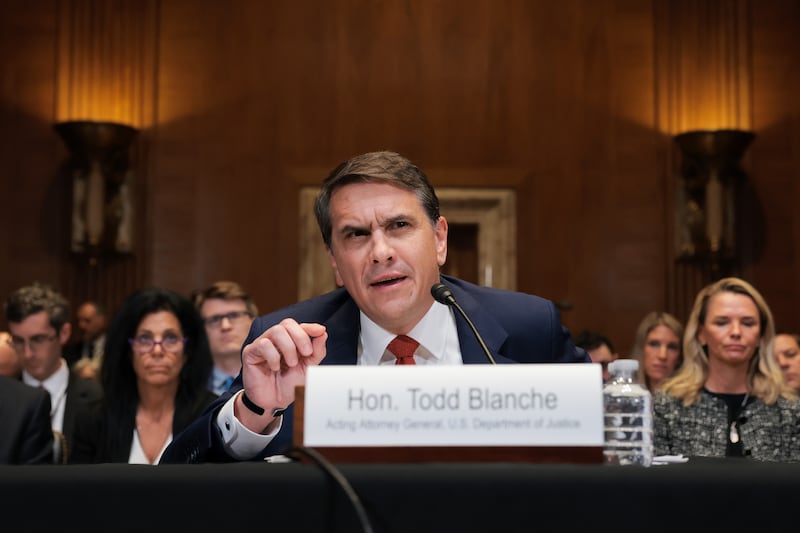
The details of the scheme are yet to be thrashed out. But in broad terms, a five-member commission appointed by Blanche will oversee the payouts.
The administration insists that anyone could apply for compensation if they felt they were wrongly prosecuted or convicted.
This, according to Vice President JD Vance, could even include Joe Biden’s notorious son Hunter, who was convicted over tax and gun crimes in 2024 after years of being targeted by Republicans.
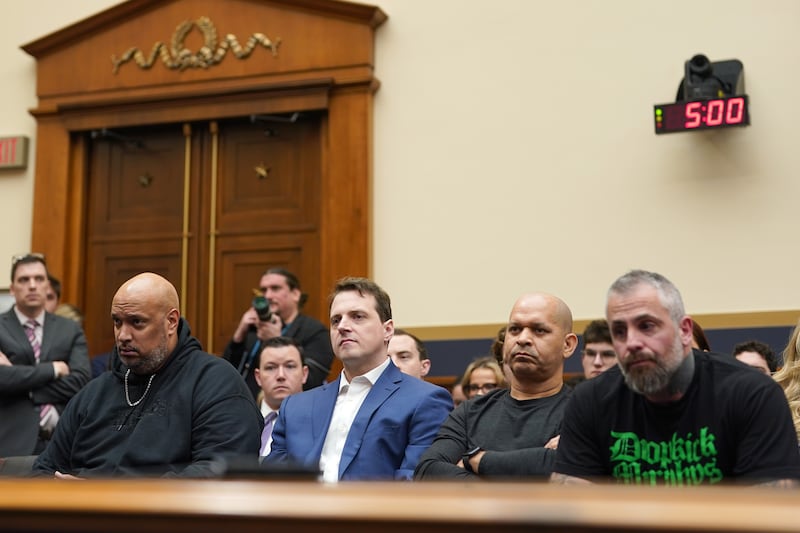
But the controversial fund prompted a lawsuit from former Capitol Police officer Harry Dunn and Metropolitan Police officer Daniel Hodges, who argued the initiative amounts to “the most brazen act of presidential corruption this century.”
The officers claim the fund could effectively finance extremists and embolden future political violence.
Democrats, including Representative Debbie Dingell, have also condemned the proposal, arguing that taxpayers could end up compensating January 6 defendants while ordinary Americans face rising economic pressures.

“I think this is one of the most outrageous, unethical things I have yet to see this administration do,” she told CNN.
Other lawmakers, including Senator Chris Van Hollen, described the arrangement as “pure theft of public funds,” while Republicans have also expressed discomfort with the scheme.
“I’ve got more questions than I’ve heard answers for, and … I didn’t hear anything that gave me certainty in terms of how this all comes together,” GOP Senator Lisa Murkowski said.
Meanwhile, ethics watchdogs and legal scholars have questioned whether the settlement is constitutional, noting the unprecedented arrangement allows a sitting president’s administration to direct massive public payouts to individuals aligned with his political movement.
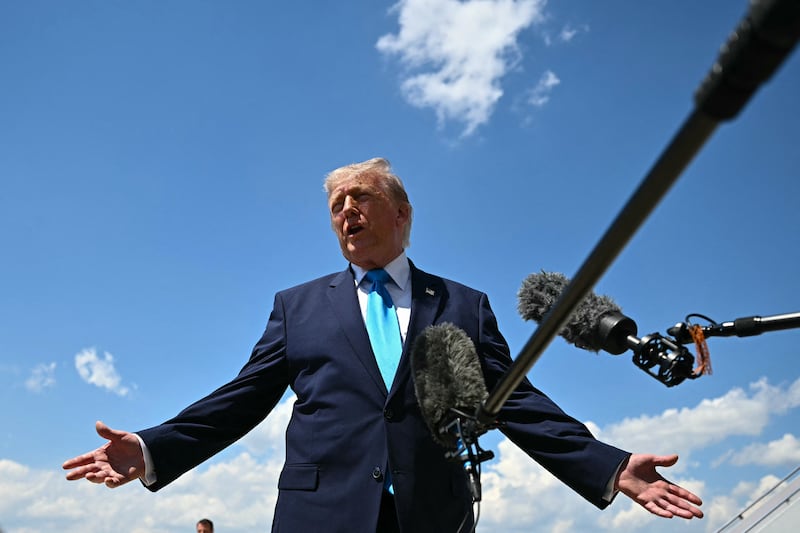
But Trump told reporters on Wednesday: “People were destroyed, they went to jail, their families were ruined.
“They committed suicide, you know,” he told reporters, not naming any individuals.
“The Obama administration started it and Biden administration was horrible in terms of what they’ve done to people.”