Spaniards really know how to live the lush life. In the Andalusian capital of Seville, bull fighting, flamenco dancing, and nights filled with tapas dominate the many traditions that date back over three thousand years. Don Juan and Carmen are both native fictional characters, and the Duchess of Alba is one of their most beloved living figures. The heritage of artists like Diego Velázquez and architectural landmarks such as the Casa de Pilatos add to its distinctively seductive culture where relaxation is considered sacred and the pleasures of life are fully indulged. In April, the city comes alive for two extraordinary events. The week leading up to Easter, or Holy Week, reshapes the entire city into an enormous stage of colorful celebration. Two weeks later, one of the world’s most famous festivals, the Seville April Fair, brings over two million visitors and transforms the city into a massive celebration of history complete with traditional costumes and daily bullfights. This magnificent way of life is captured in Assouline's newest publication, In the Spirit of Seville, written by Seville native Antonio del Junco with a forward by the Duchess of Alba.
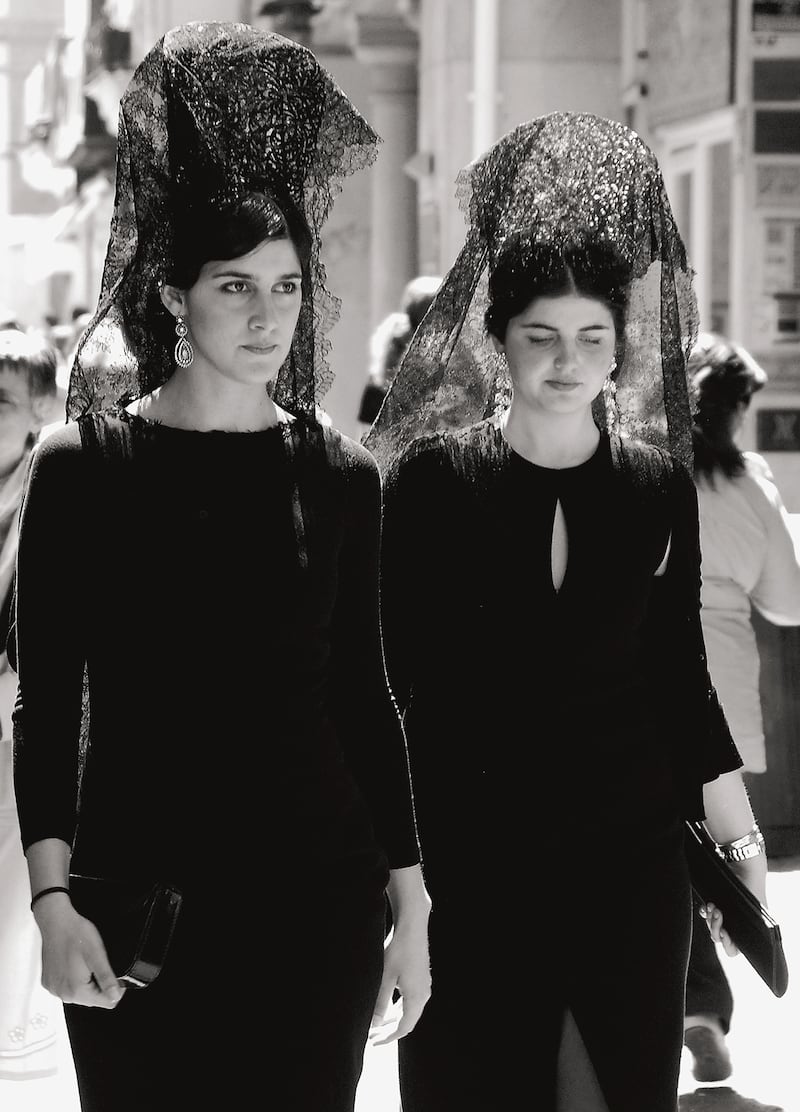
Here, young women are dressed in traditional mantillas on Holy Thursday.
Antonio del Junco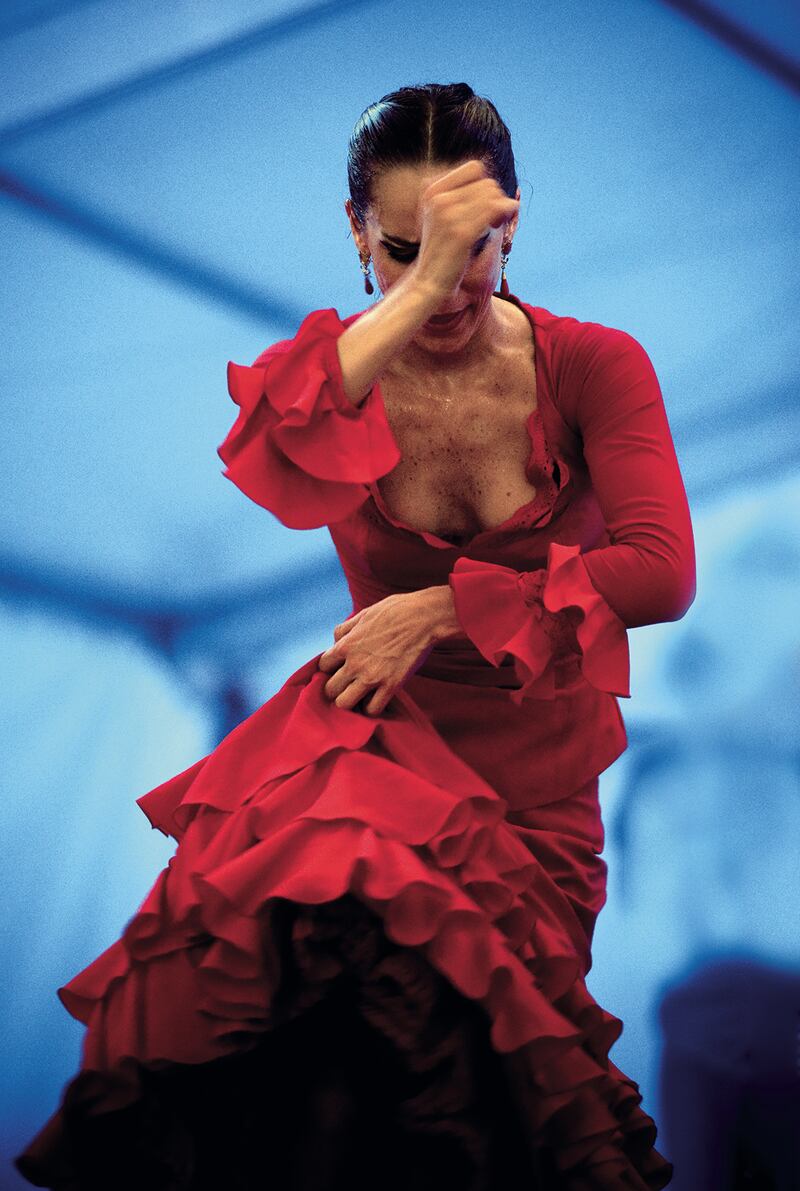
Manuela Barrios dancing.
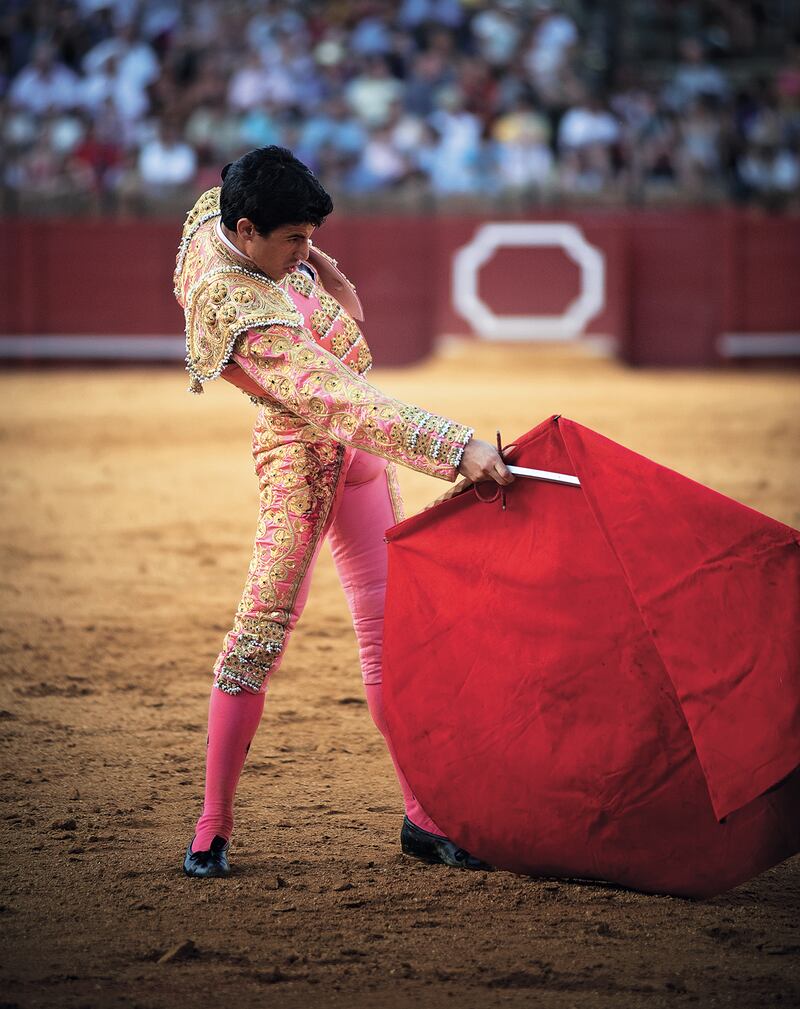
During the third and final act of the bullfight, the matador uses a traditional red cape and a sword to lure the bull and to claim his victory.
Antonio del Junco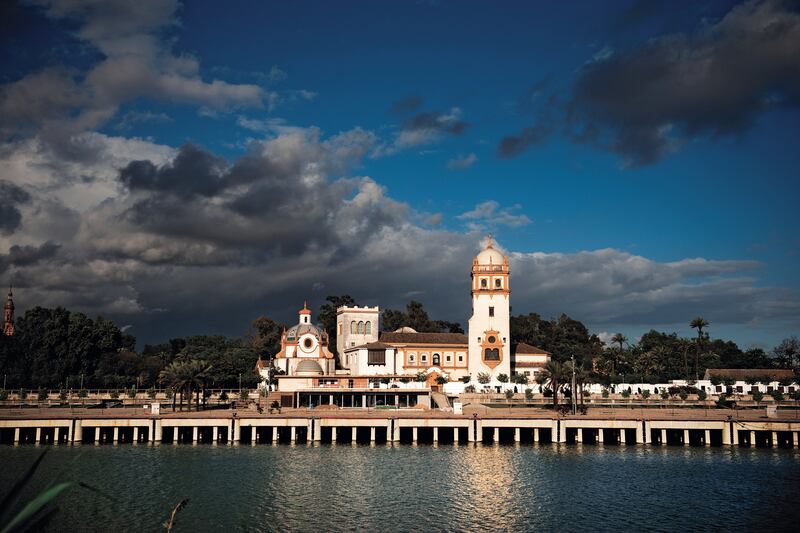
The Argentina Pavilion, one of ten pavilions built for the Ibero-American Exposition of 1929, as seen from the river.
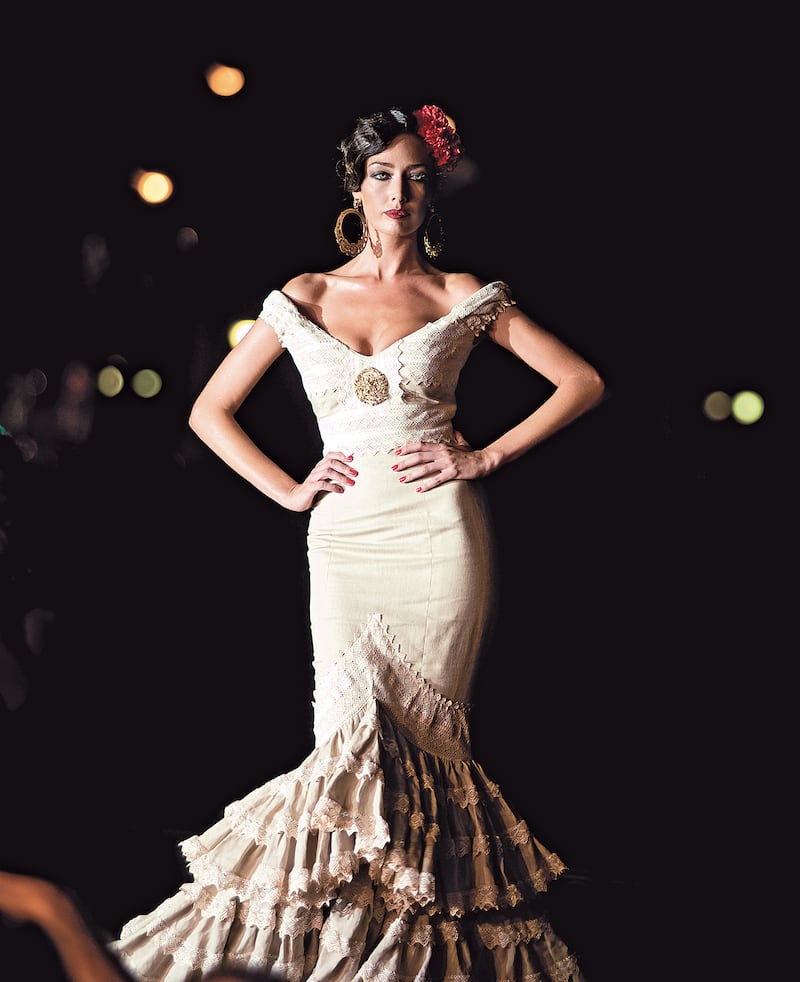
The dress code for the Seville Fair.
Antonio del Junco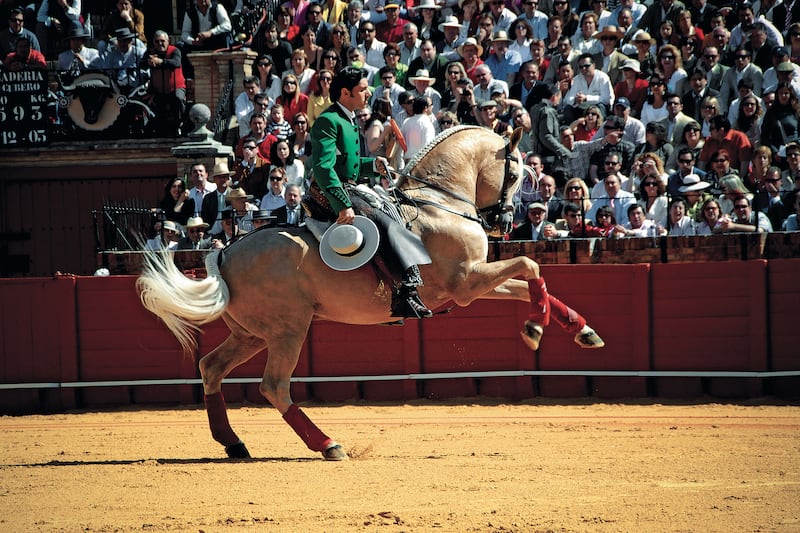
Matador Diego Ventura shows off on horseback.
Antonio del Junco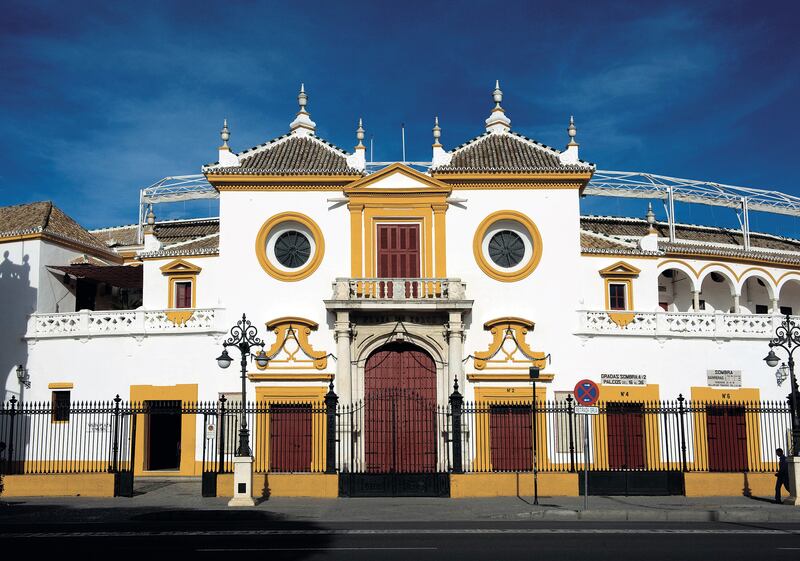
The Prince's Gate at the Maestranza.
Antonio del Junco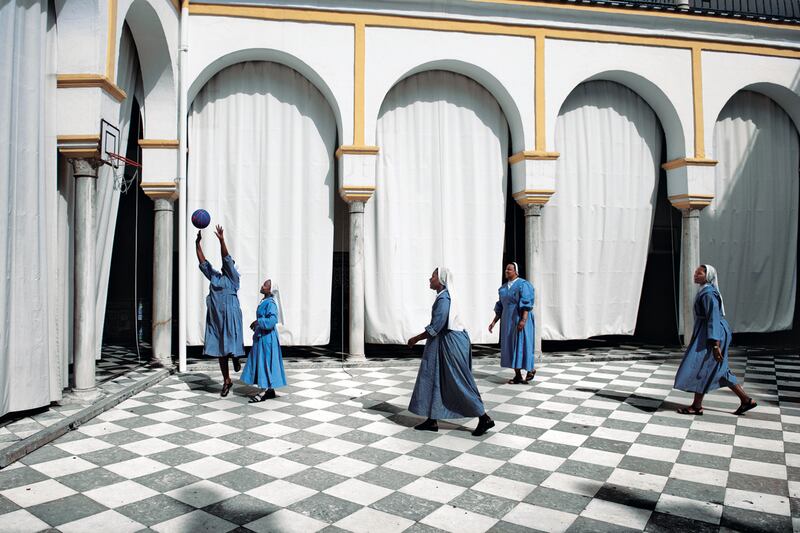
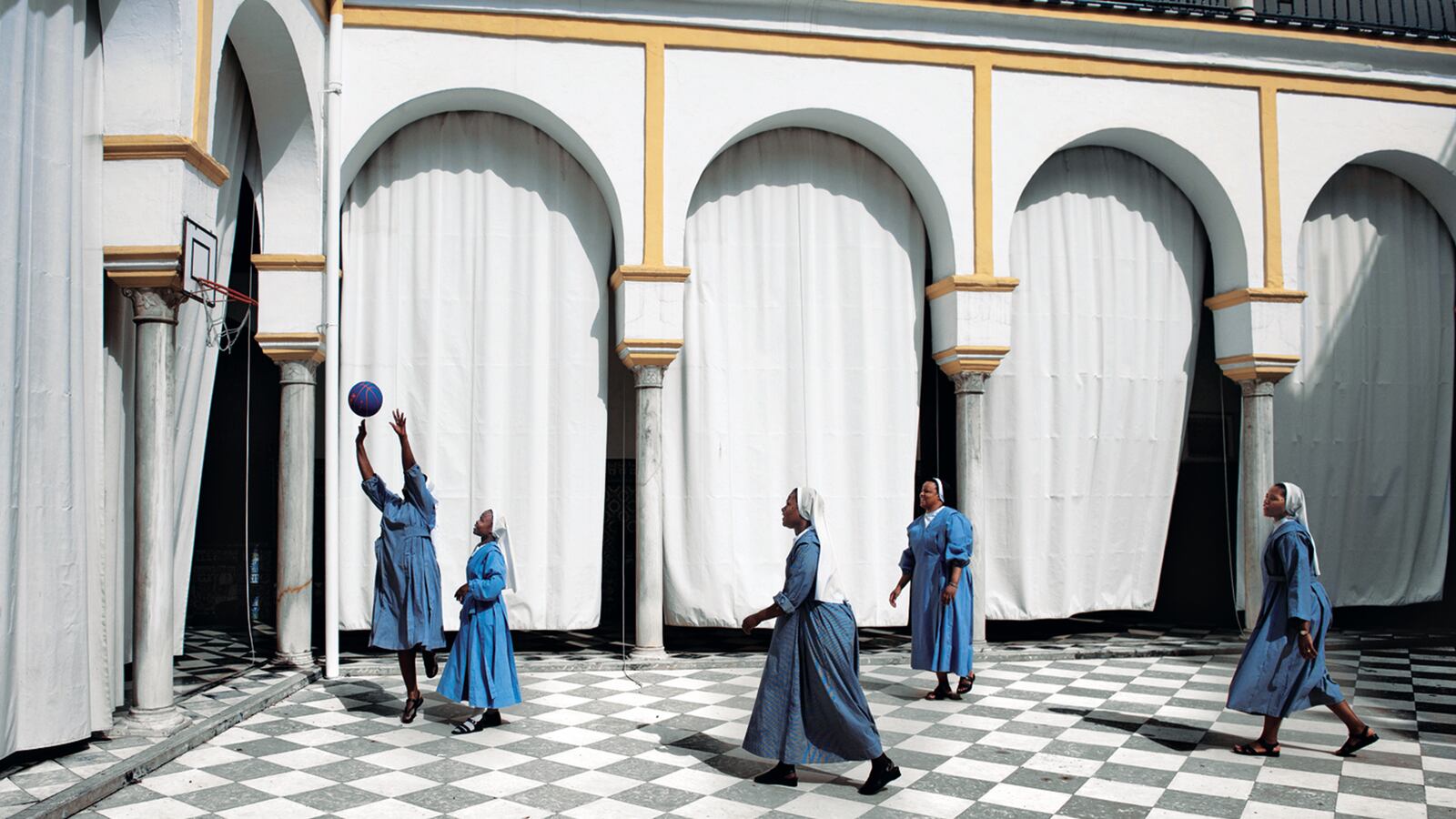
Nuns play basketball in the cloister at the convent of San Leandro.
Antonio del Junco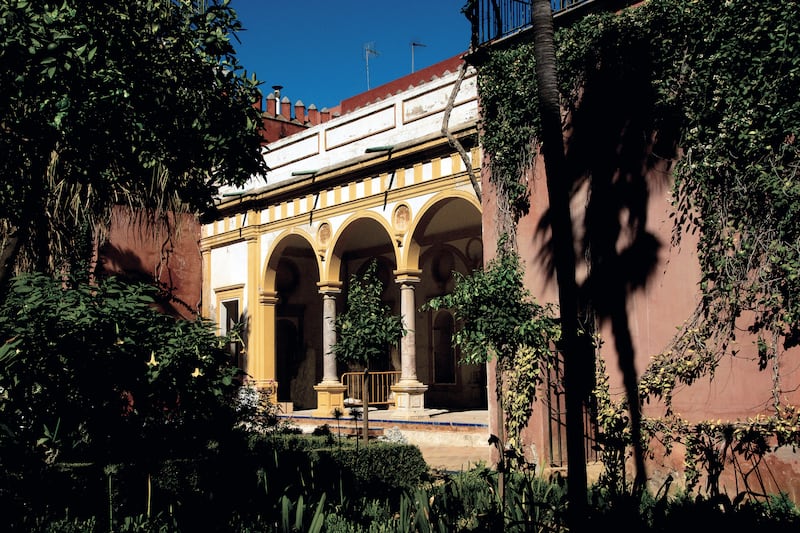
Loggia in one of the gardens in the Casa de Pilatos.
Antonio del Junco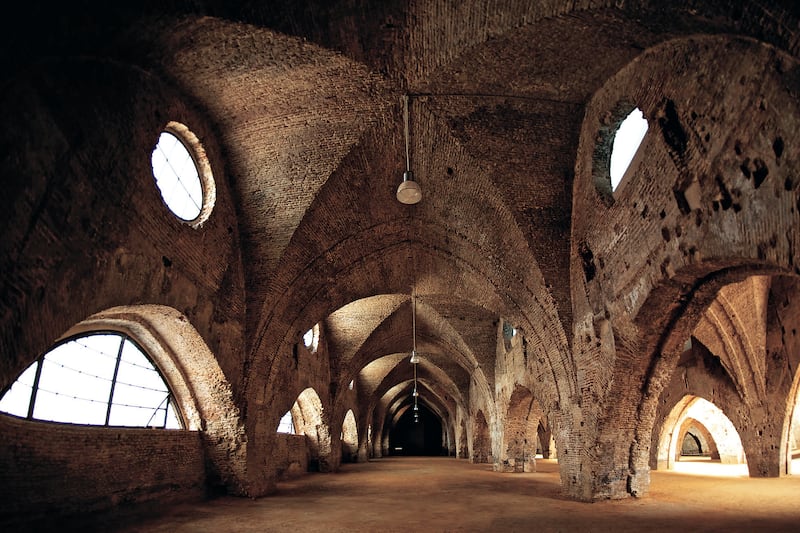
Inside the Royal Alfonsine Shipyards.
Antonio del Junco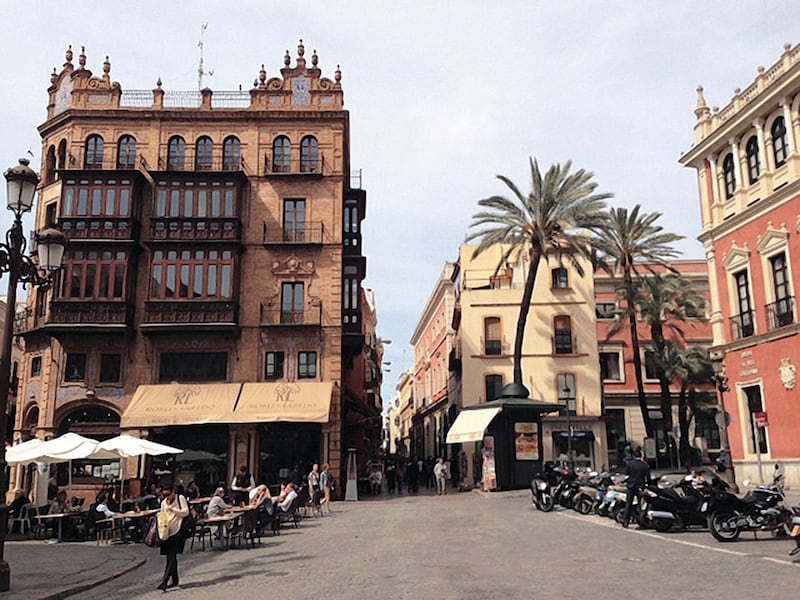
Plaza de San Francisco
Antonio del Junco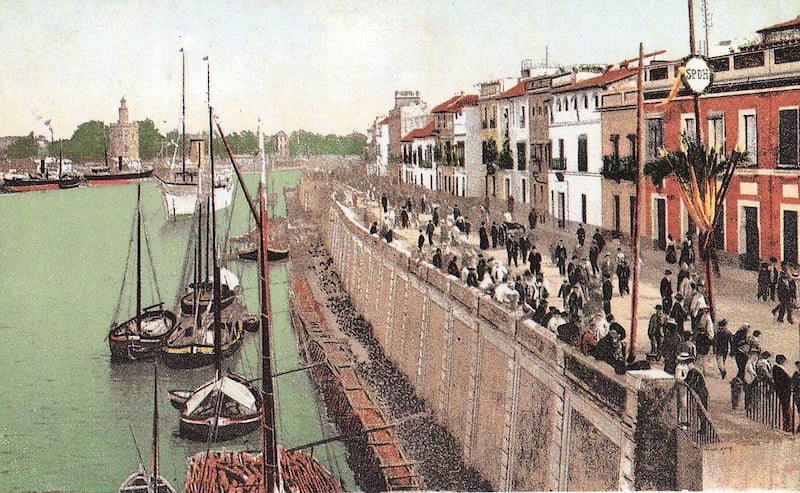
A nineteenth-century photograph of the Torre de Oro, the river, and Betis Street in Triana
Antonio del Junco