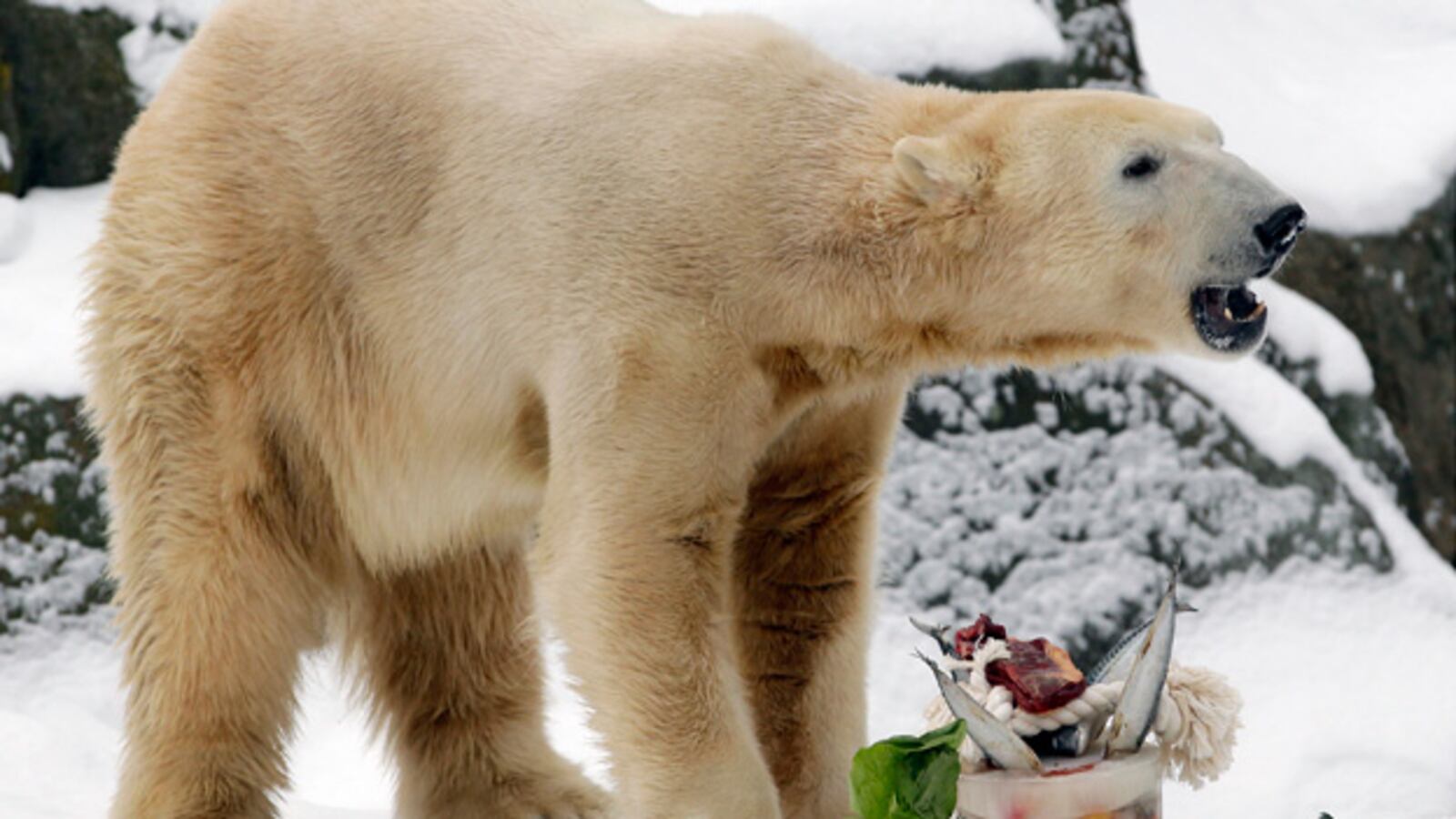
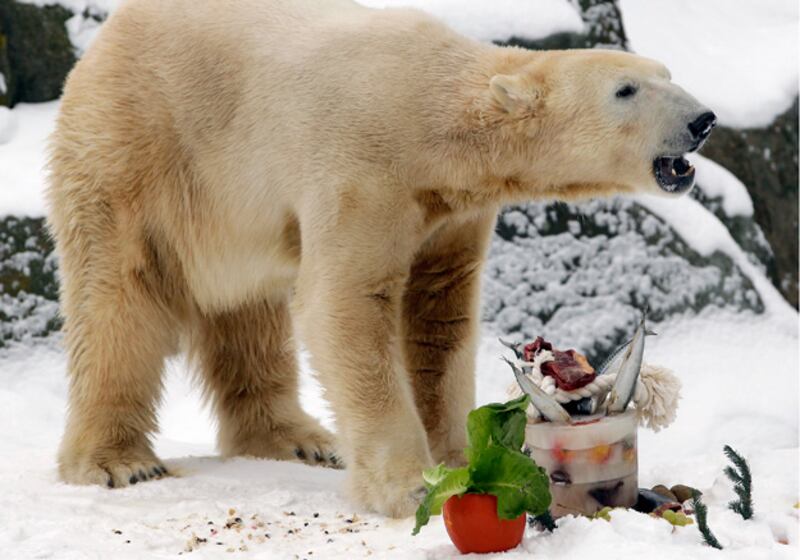
Perhaps no zoo animal achieved fame at such dizzying heights at Knut the German polar bear. Born in 2007 at the Berlin Zoo, this über-adorable polar bear cub dubbed
“Cute Knut” was raised by a zookeeper after his mother rejected him and his brother died. The public loved him, animal-rights activists resented his upbringing, and the Berlin Zoo’s shares doubled in value when they made the cuddly cub a brand trademark. In short, Knut quickly became a media celeb with his own TV series and video podcast—and officially reached stardom when he was
shot by Annie Leibovitz for for the cover of Vanity Fair. Alongside Leonardo DiCaprio, to boot!
Sadly, Knut
died at age four. The cause of his death is still unknown.
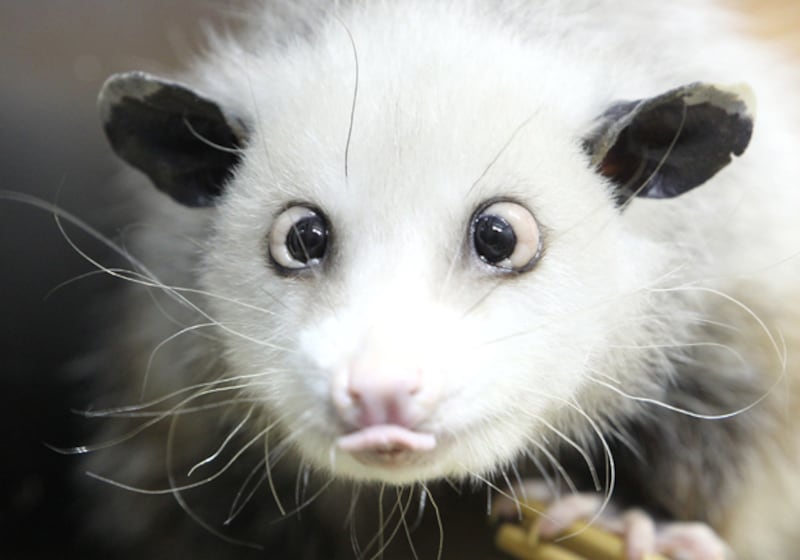
She won't make her first public appearance until July, and already, Germans are celebrating with stuffed-toy replicas. What is she? A crossed-eyed opossum named Heidi. The craze started when photographers from a German tabloid took photos of animals to be featured in an upcoming zoo exhibit in Leipzig. Heidi, with her permanent expression of deranged concentration, became an overnight sensation. The zoo created a new page on its website answering questions about her. A German songwriter who saw Heidi on television hired three young girls to record an original song about her, complete with techno beats, Chipmunk-style voice distortion and slightly unsettling visuals.
Sebastian Willnow / AP Photo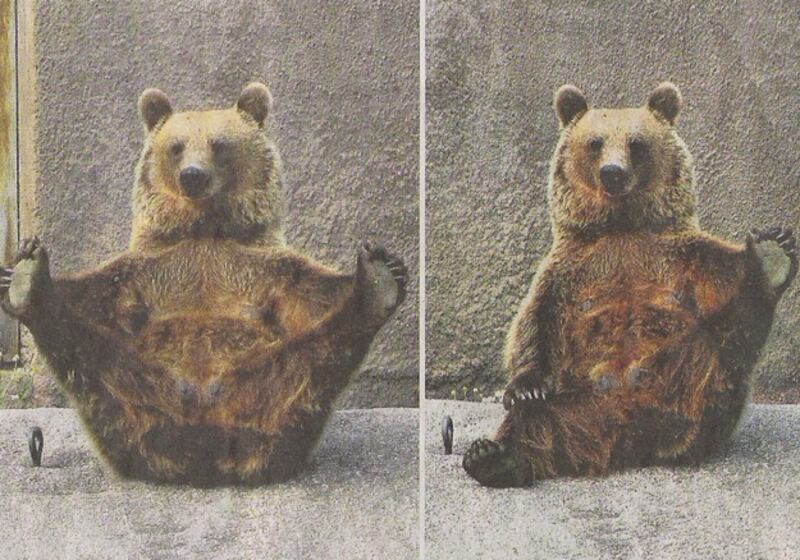
This September, a female brown bear at the Ahtari Zoo in Finland proved to be a real “Yogi”: To the delight of tourists, Santra the bear demonstrated a 15-minute series of postures from the notoriously challenging Ashtanga discipline of yoga, including balancing Upavistha Konasana and other forward-bending poses. “She looked pretty into it, a really straight face, no looking around just very serious and calm and kept her eyes slightly opened and focused,” said a Slovenian tourist who snapped photos of Santra doing her practice.
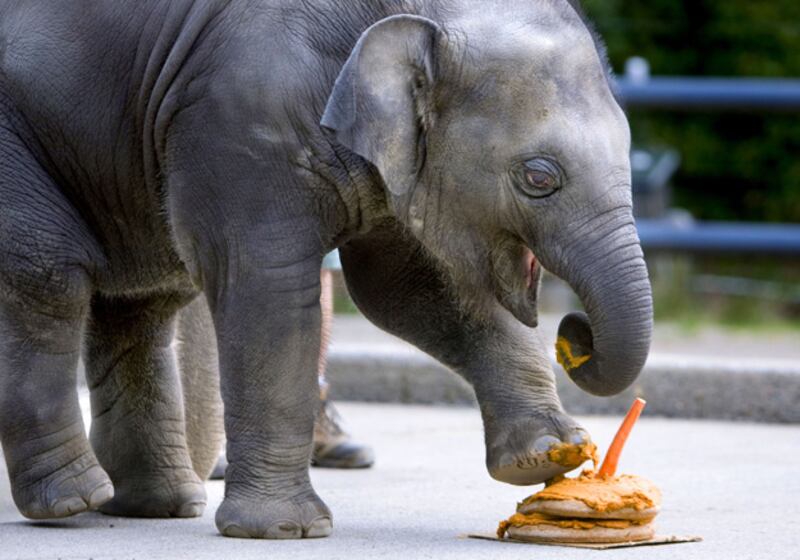
Almost trampled by his confused mother after being born at the Oregon Zoo in August 2008, this infamous baby elephant who loved taking baths was fittingly named Samudra, meaning “Lord of the Ocean” in Hindi. Some 17,000 votes for name preferences were submitted to the zoo when the baby elephant was born, and 23 percent of them were for Samudra. The popular calf, who went by Sam to many of his admirers, was the first third-generation elephant to be born in the United States.
Bruce Ely / Landov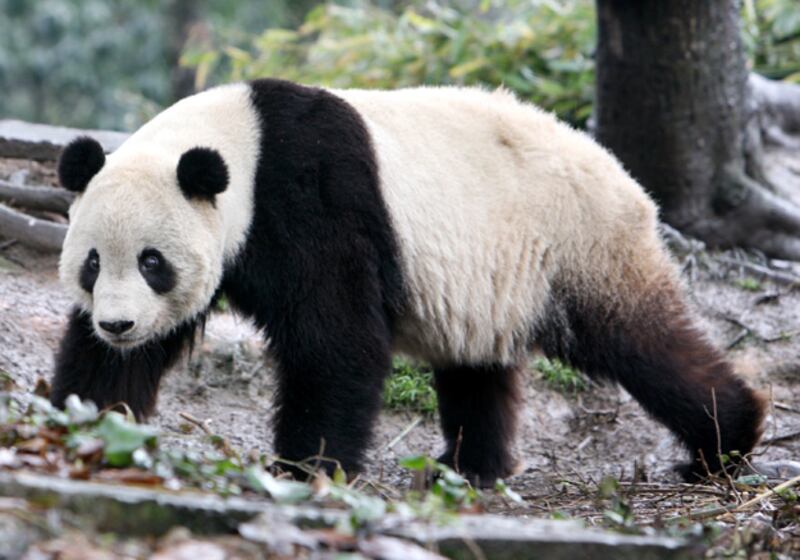
Tai Shan was America’s favorite panda for four years, from the moment he was born at Washington’s National Zoo as a little pink, hairless thing to when he grew up to be a lovable giant. “Tai Shan’s a very laid-back animal. I’ve never seen him angry or upset about anything. He just kind of takes everything in stride,” said Nicole Meese, who took care of the panda from the time he was six months old. Technically Chinese property, Tai Shan had to leave The National Zoo in February of last year, much to his fans’ dismay.
Liu Zhongjun / AP Photo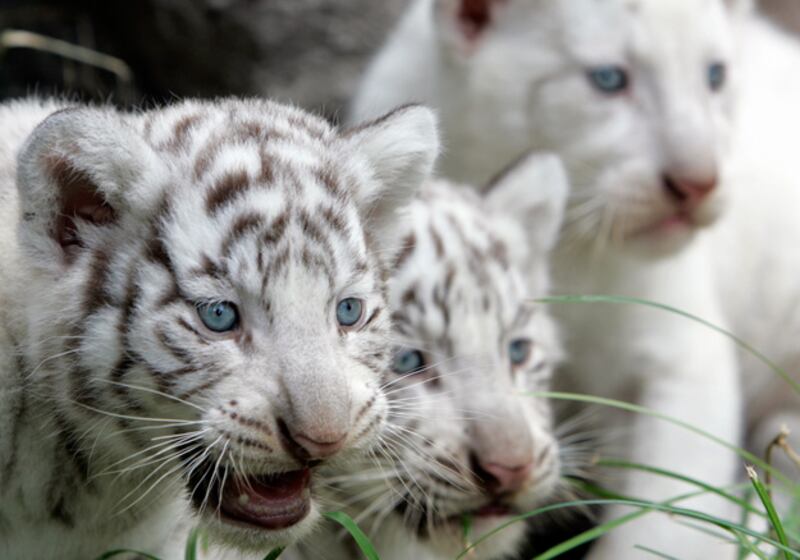
In February 2007, three rare white tiger triplets made their public debut in front of a cooing crowd at the Buenos Aires Zoo. Aside from the obvious adorable factor, though, the birth of these blue-eyed Bengal cubs was a milestone for the endangered species. All tigers run the risk of becoming extinct: 100,000 of them roamed free in the wild at the start of the 20th century, yet only 5,000-7,000 remain there today.
Marcos Brindicci / Reuters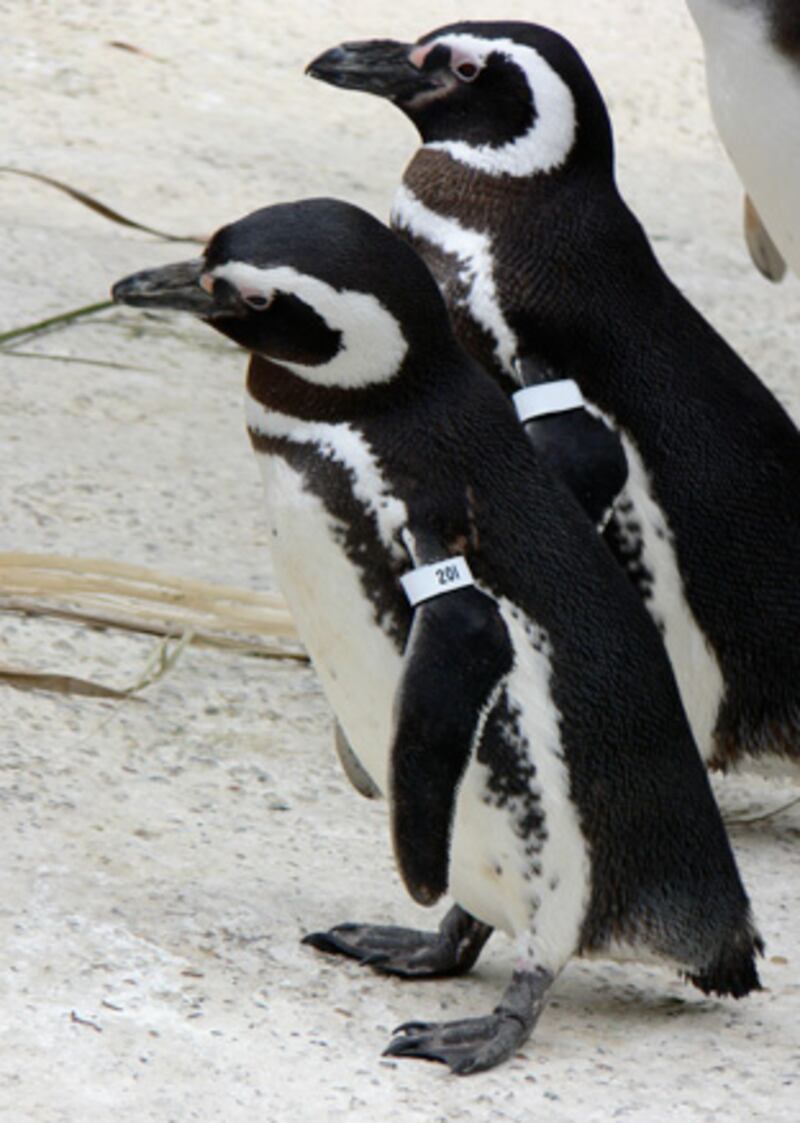
This compatible pair of penguins at the San Francisco Zoo were quick to pick up on the city’s gay-friendly vibe. As of the summer of 2008, the couple known as “Harry & Pepper” had been nesting together for several seasons. And they make a great couple, too, based on their success as parents. According to a zookeeper, the chick they were given to raise was by far the fattest and happiest on the island. “They are great parents,” says the zookeeper.
Jodie Wilson / Flickr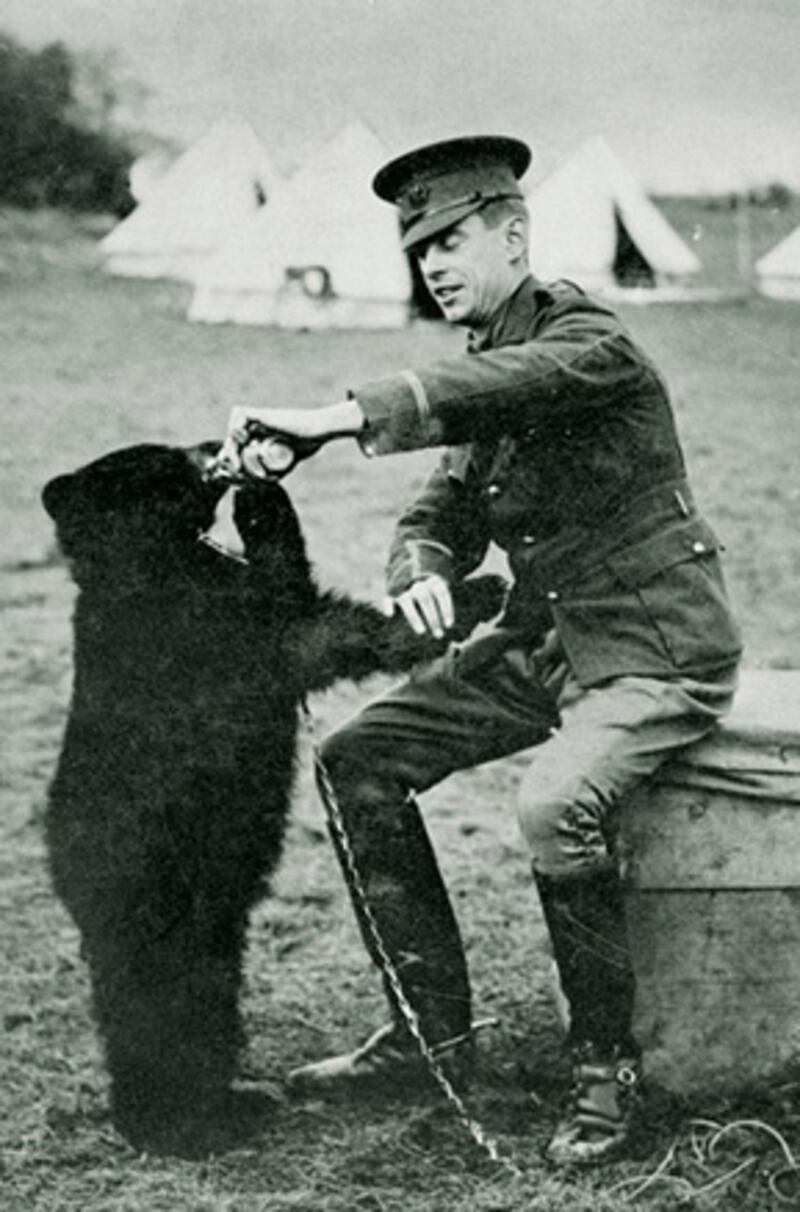
Smuggled into Britain during World War I as his regiment’s unofficial mascot by a Canadian lieutenant who took a liking to her, the black bear cub he named Winnipeg was eventually handed over to the London Zoo. Once there, Winnipeg had many visitors and admirers, including author A.A. Milne, whose son Christopher Robin took a special liking to her. The Canadian bear became the inspiration for the boy’s teddy bear Winnie. The rest is literary history.
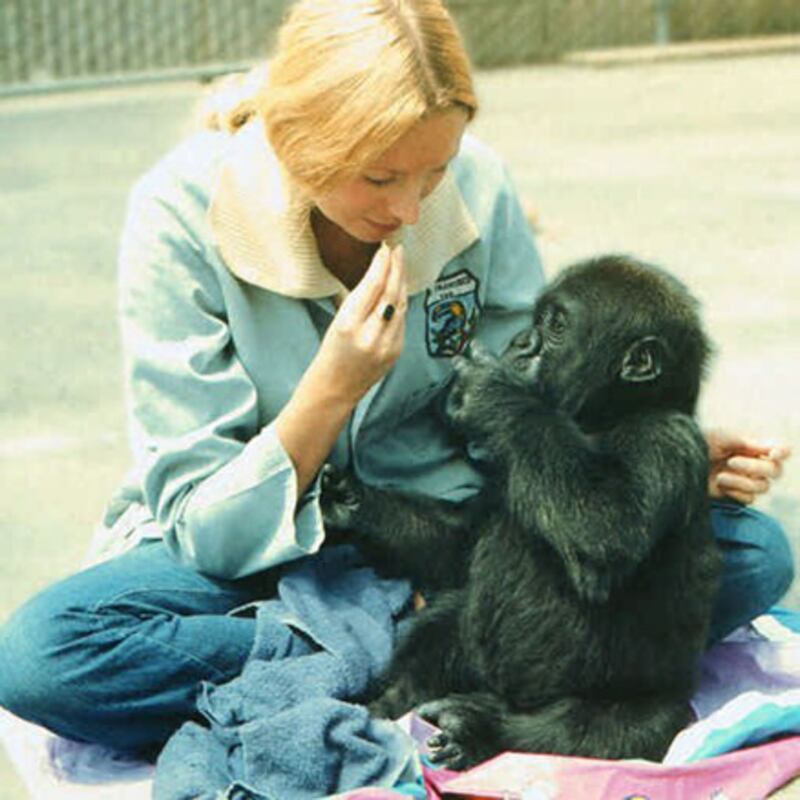
Koko the Gorilla learned to speak American Sign Language when she was a baby. Thirty-eight years later, she has a vocabulary of more than 1,000 signs, and even understands spoken English. Taught by Dr. Penny Patterson of Stanford University, Koko exhibits humanlike qualities, a remarkable brain capacity—and just may be the smartest ape out there.
Gorilla Foundation / AP Photo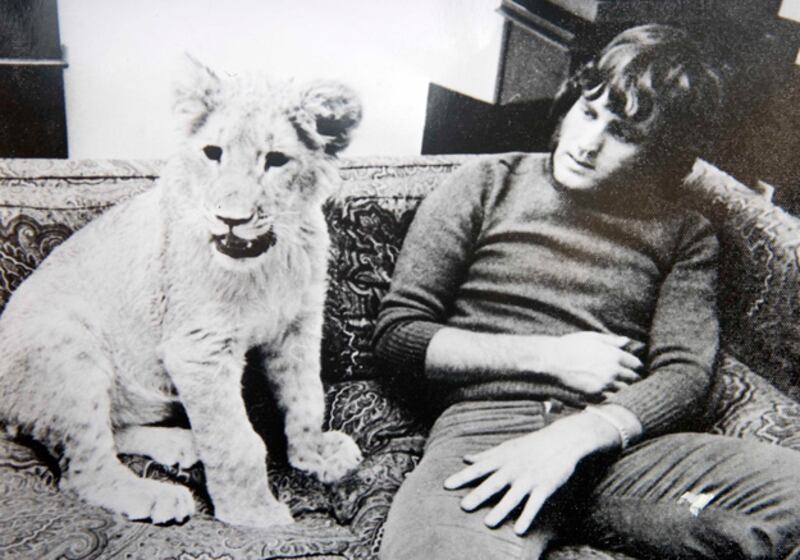
In 1969, Christian the Lion was purchased from the “exotic animals” department at British mega-store Harrods by John Rendell and Ace Berg, who adopted the young cub as a pet and housed him in their furniture shop in Chelsea. Within a year, Christian became one of London’s biggest Fat Cats: He traveled by Bentley, dined in fancy restaurants, and was photographed in fashion advertisements. Gentrified as he was, Christian eventually grew too big to live on King’s Road, and was rehabilitated into the wilds of Kenya.
Newscom