

Claudia Julieta Duque, Colombia
Stan Honda / IWMF
First they threatened to
burn Claudia Duque's daughter. Now her mother receives anonymous calls. Even after going into exile three times, Duque, 39, continues to return to Colombia to work as an investigative journalist and correspondent for Radio Nizkor.
She won an International Women's Media Foundation Courage Award this year because she does not stop tackling Colombia's most important—and dangerous—stories. From child trafficking to her crusade of the murder of Jaimie Garzon, a political humorist and journalist, it seems that death threats leave her unfazed. A paramilitary officer was eventually arrested for Garzon's murder, but the threats haven't stopped.
"The freedom of expression has become synonymous with terrorism," she said of Colombia as she accepted her award. Then she went on to pass the honor to her daughter, who has been begging for a normal life since she was a little girl. "We are still far away from a normal life."
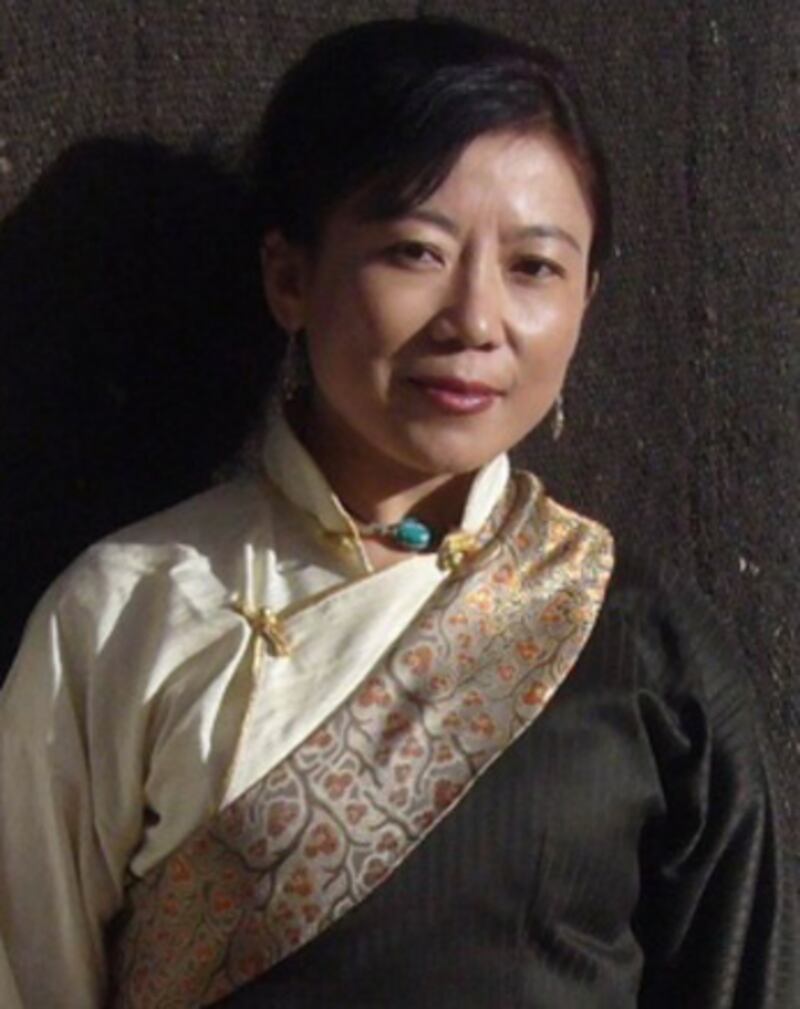
Tsering Woeser, Tibet
Tsering Woeser accepted her courage award via video, since the Chinese government would not grant her a passport. She is confined to her apartment in Beijing but
continues to write for both a Tibetan and Chinese audience. Soon after publishing her collection of short stories and prose, Xizang Biji (Notes on Tibet), in 2003, she joined the ranks of intellectuals monitored and harassed by the Chinese government.
Woeser, 44, blogs for Invisible Tibet, among other sites. Entries are often straight reporting of demonstrations and gatherings. In
one translation on the Epoch Times, she writes, "Hundreds of herdsmen at Jiuzhi County staged a protest. Some of the retail stores and police cars were destroyed. After lamas from the local temple persuaded them not to resort to violence, they stopped. Authorities dispatched military police who arrived at Jiuzhi County on the same day in the evening and imposed a curfew."
Woeser was originally brought to Beijing for "re-education," since her stance against human rights abuses in Taiwan went against the government line. Though she was fired from her job at a literary magazine, and though her Twitter and Skype accounts are hacked, she continues to write. "I am a one-person medium," she said from her living room. "My spirit cannot be locked up."
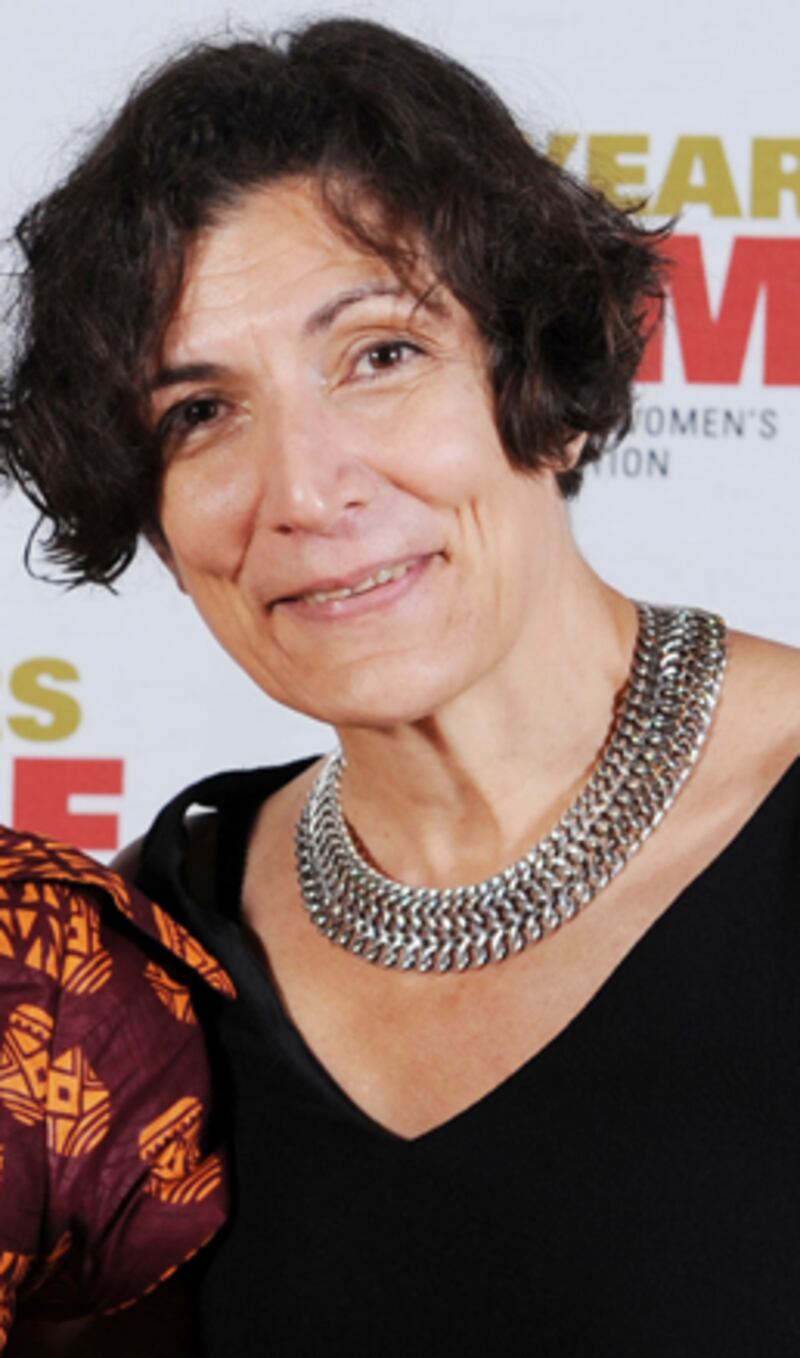
Alma Guillermoprieto, Mexico
Stan Honda / IWMF
Alma Guillermoprieto was one of few reporters to investigate the mass killings of U.S.-supported Salvadoran army in El Mozote, El Salvador, in December 1981. The Reagan administration dismissed the reporting as propaganda at the time, even though as many as 1,000 civilians were killed.
"This is a tremendous cure for the loneliness of our craft," she said, as she accepted her courage award.
Guillermoprieto describes herself as a writer who happens to do a lot of reporting, so it's apt that she still writes often for The New Yorker and The New York Review of Books.
She has also worked for The Washington Post, The Guardian, and Newsweek, and has written several books, including The Heart That Bleeds, which gathers stories from Colombia, Nicaragua, and Argentina's "Dirty War." Her vast body of work earned her the International Women's Media Foundation's lifetime achievement award this year.
She started out as a dancer, calling her memoir Dancing with Cuba.
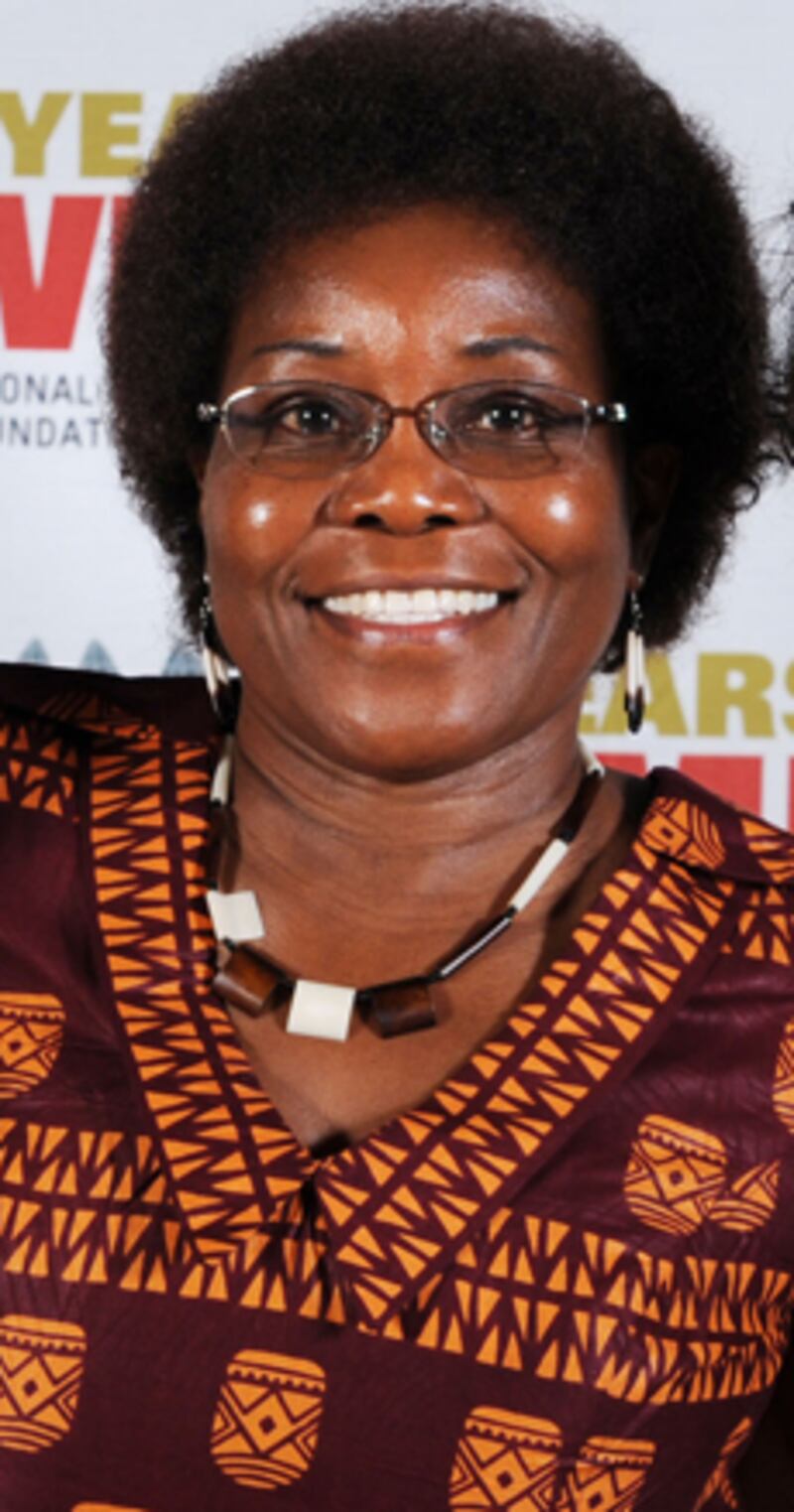
Vicky Ntetema, Tanzania
Stan Honda / IWMF
Using an albino person's legs, arms, hair, and other body parts in potions, or as offerings, is said to bring success in business and love in some parts of Tanzania. As a result, albinos have been systematically killed over the years. But Vicky Ntetema, 52, one of the winners of the International Women's Media Foundation's Courage Awards, went undercover and exposed the gruesome practice through her reporting—not without severe consequences.
"I am living in hiding after I received threats because of my undercover work exposing the threat from witch doctors to albinos living in Tanzania. I do not regret it, even if I am very scared,"
she wrote in 2008. She was writing from exile, forced to flee her home after receiving death threats because of her work. The story so engrossed Ntetema that she left the BBC, where she worked, in April to work for
Under the Same Sun, a nonprofit organization that supports albinos. Fifty-eight albinos have been killed since 2006, of an estimated 170,000 in Tanzania.