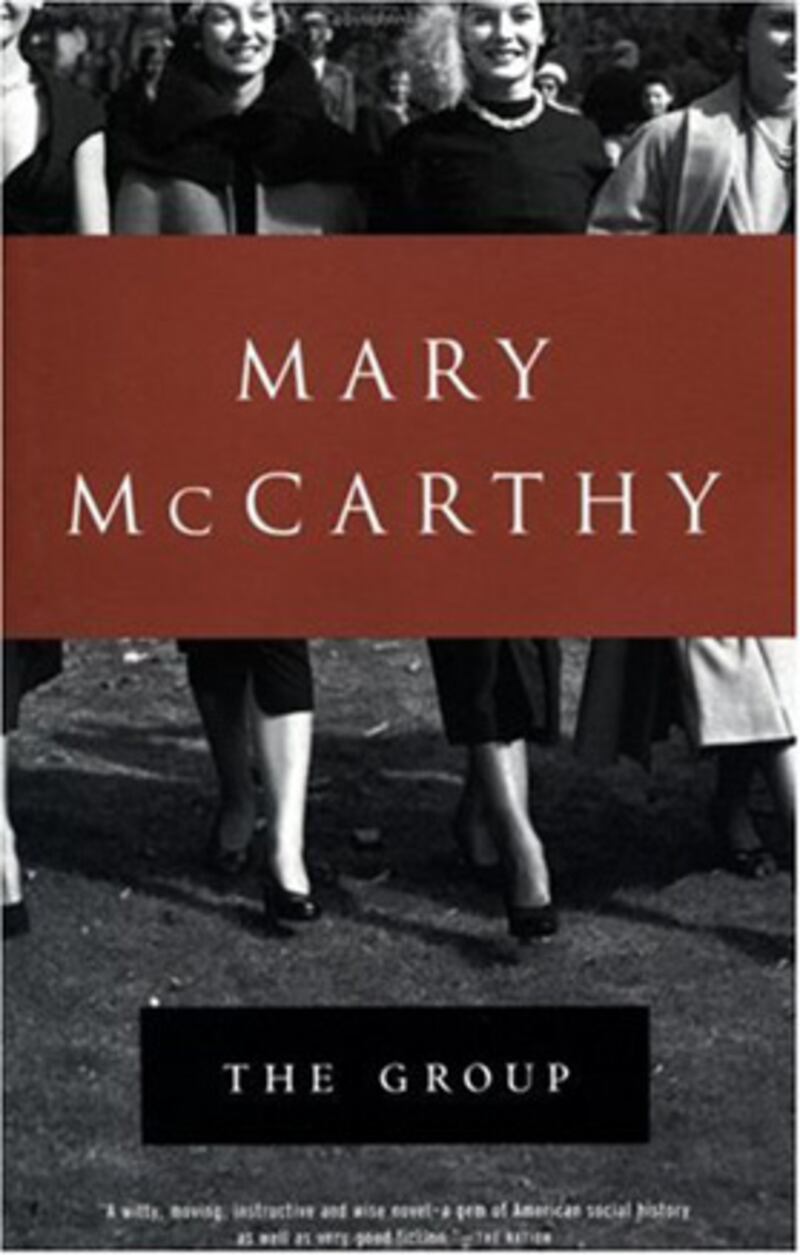
I read Mary McCarthy’s The Group when I was in my 20s, and it taught me more about growing up as a young woman than any other book I’d come across, although the setting was so utterly different from my own, and the period earlier. I learned about babies, contraception, marriage, cooking, careers, disappointments, loyalties, friendships. I met McCarthy on several occasions, and was much in awe of her. She must have influenced my novel The Radiant Way.
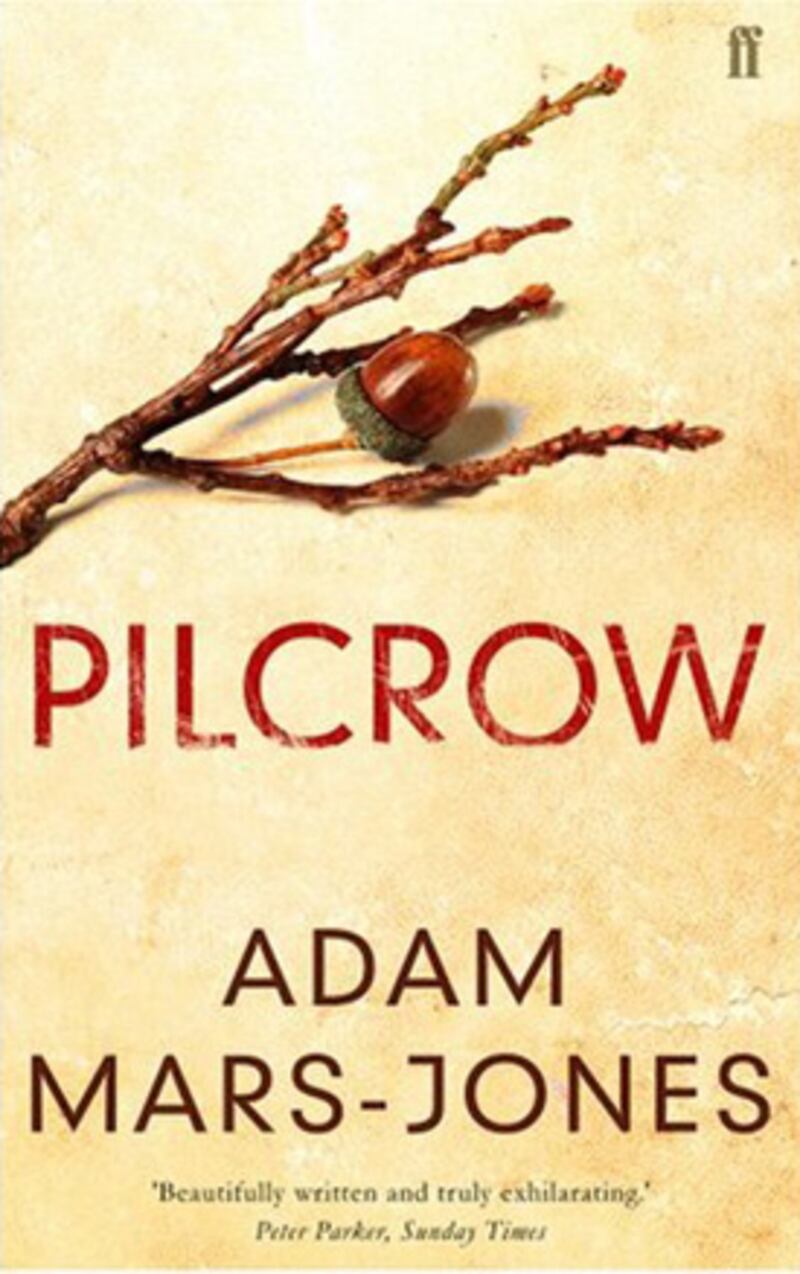
Pilcrow, by Adam Mars-Jones, narrated by a young man struck down as a child by a paralyzing illness, is a remarkable novel. I read it last year, as I was meeting him at the Oxford Festival. It is intelligent, fluent, witty, and engaging. How he contrives to make his obsession with ill health and his addiction to medical textbooks so life-enhancing is a mystery to me. Proust is the nearest parallel, and Mars-Jones’ narrator’s description of his grandmother’s virtuoso scrambling of eggs deserves to stand by Proust’s two-page description of the boiling of a pan of milk.
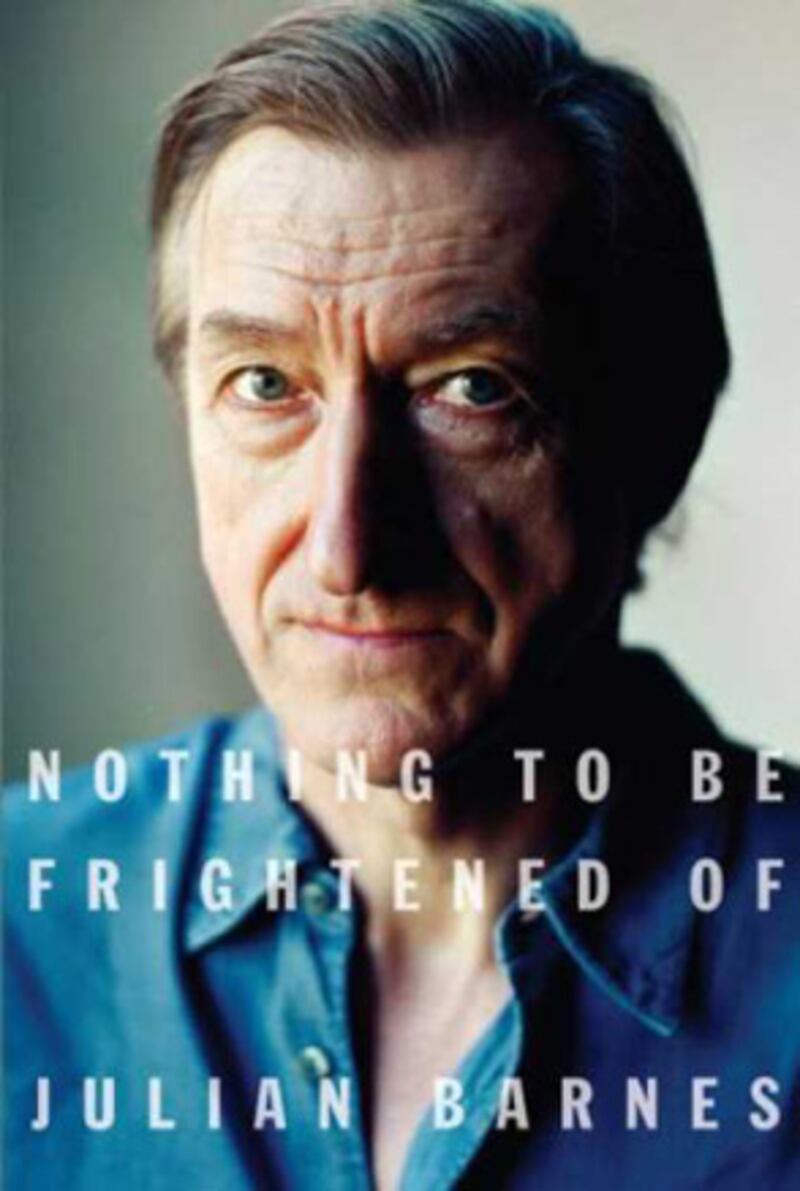
Nothing to Be Frightened Of, by Julian Barnes, is part memoir, part meditation on the fear of dying, to which a great poignancy is added by the knowledge that Barnes’ wife, my late and much missed agent Pat Kavanagh, died unexpectedly and tragically shortly after the book was written. She is present in the text, but never in the forefront of it. Barnes does not spare his own family, and the portrait of his mother is merciless. A painful and memorable work, which I read with grief and admiration.
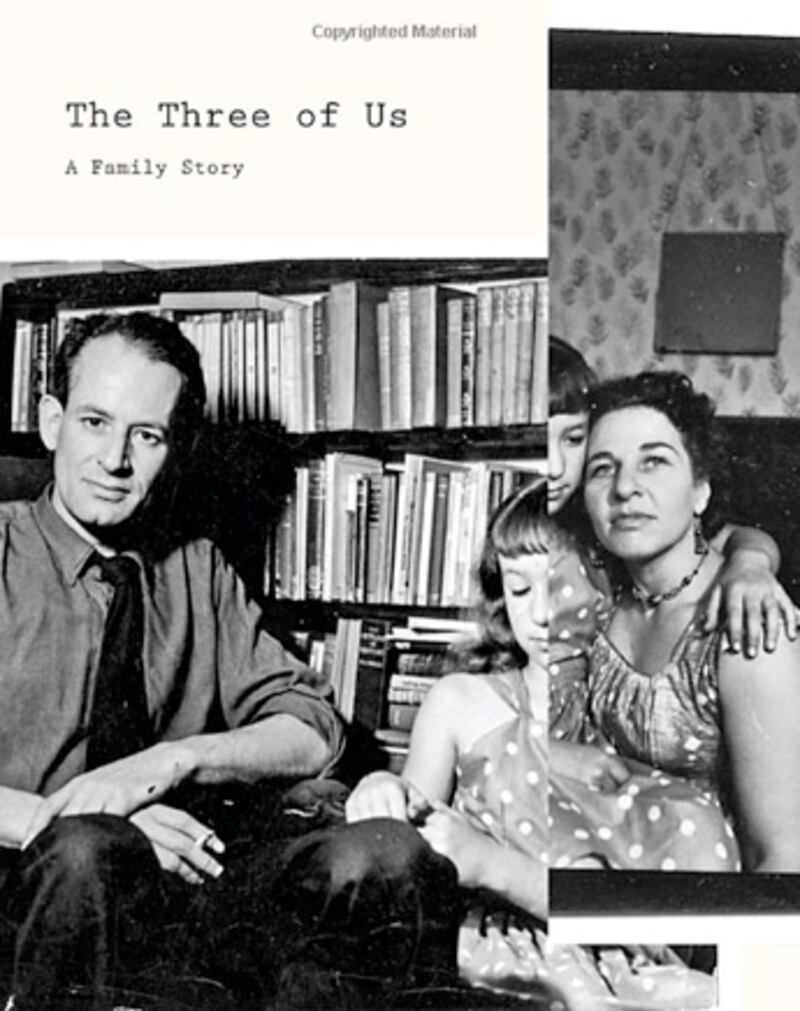
The Three of Us, by Julia Blackburn, is also a memoir, and her mother is as monstrous as Barnes’, but much more life-enhancing. This frank story of a Bohemian, artistic, and eccentric family and a mother-daughter-lover threesome has just won the 2009 Ackerley Prize for autobiography. It is forgiving and brave. Blackburn writes with a painter’s eye, inherited perhaps from her mother, and her prose glows with color, as does her fiction. We did a program together about mothers at a festival, which is why I read it, but I’ve since devoured a lot of her work.
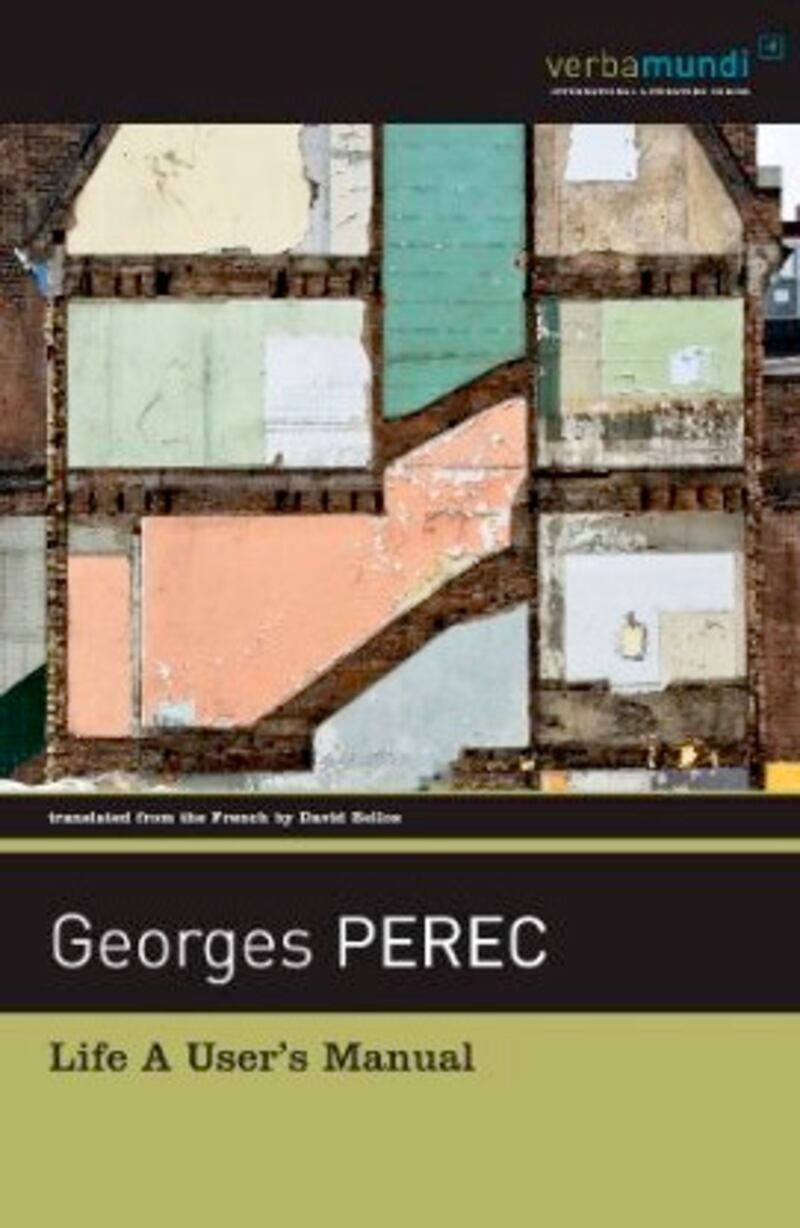
Life, a User’s Manual, by Georges Perec, is a wonderfully rich and intricate novel, set in an apartment block in Paris in the 1970s. I discovered it when doing research on the history of the jigsaw puzzle for my most recent book, for the jigsaw provides the central motif of Perec’s plot, as it does of my memoir. Perec himself loved jigsaws and did them obsessively, like I do, but unlike me he also liked word games, chess, crosswords, and all kinds of verbal play. I was surprised to find a French experimental novel so enjoyable and accessible. It was recommended by a friend of my son.