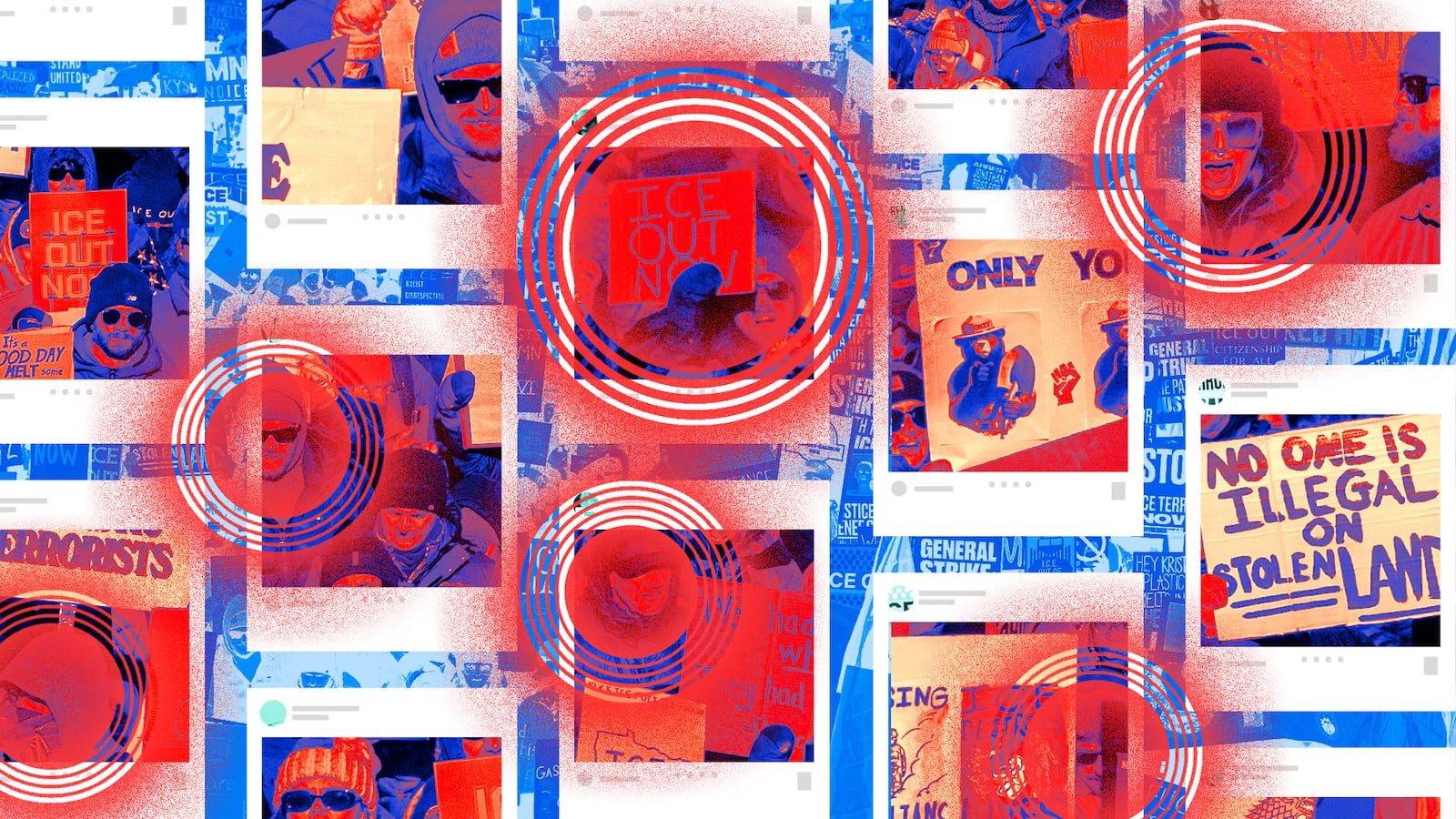
The Department of Homeland Security is pushing Silicon Valley to strip anonymity from Americans who track or criticize Immigration and Customs Enforcement.
The agency has fired off hundreds of subpoenas demanding names, email addresses, and phone numbers tied to anti-ICE social media accounts, the New York Times reported Friday.
Unlike traditional warrants, administrative subpoenas do not require approval from a judge before they are issued. Instead of seeking court authorization first, DHS can sign and send the demands directly to tech companies—a power civil liberties advocates say is now being deployed far more aggressively.
Google, Meta, Reddit, and Discord received subpoenas targeting anonymous accounts that posted about ICE activity, the Times reported.

The paper reviewed two sent to Meta and said some companies complied, while others alerted users and gave them 10 to 14 days to fight the requests in court.
DHS said it has “broad administrative subpoena authority” but did not directly address questions about the scope or frequency of the requests.
In court filings, department lawyers have argued that the subpoenas are intended to help “investigate threats to its own officers or impediments to their officers,” and to keep ICE agents safe in the field.
One of the accounts targeted was “Montco Community Watch,” a Facebook and Instagram pages that post bilingual alerts about ICE sightings in Montgomery County, Pennsylvania.

After Meta notified the account holders of the subpoena, the American Civil Liberties Union moved to block it in federal court, arguing the government was targeting protected speech. DHS later withdrew the request before a judge could rule.
“The government is taking more liberties than they used to,” said Steve Loney, a senior supervising attorney with the American Civil Liberties Union of Pennsylvania, who has represented individuals whose account information was sought by DHS.

“It’s a whole other level of frequency and lack of accountability.”
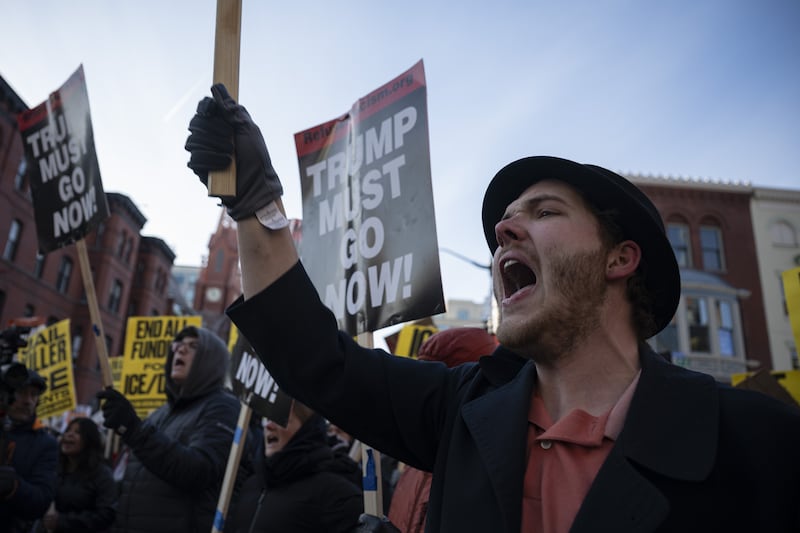
The move comes amid a broader push by the Trump administration to tamp down criticism of ICE.
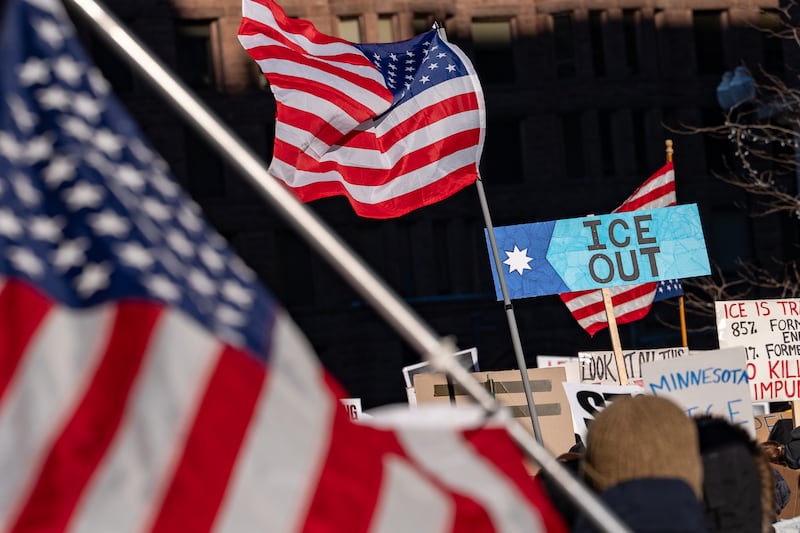
Agents have told protesters in cities including Minneapolis and Chicago that they were being recorded and identified.
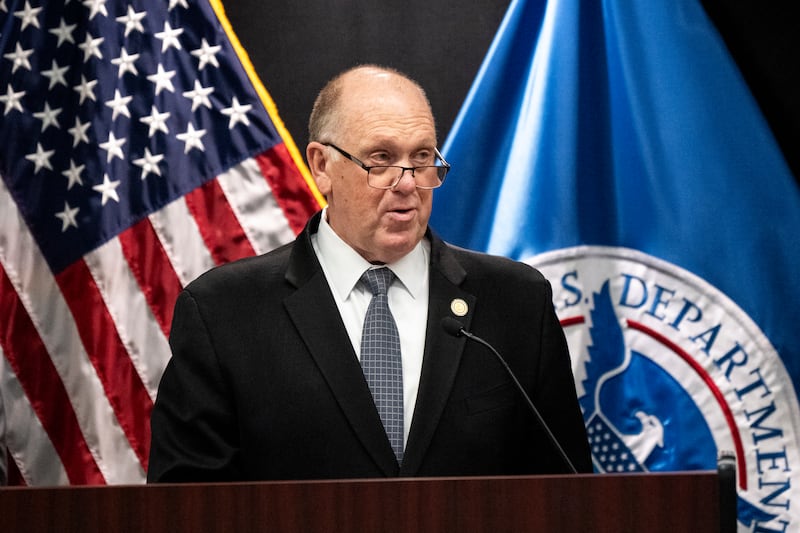
White House border czar Tom Homan has previously publicly discussed creating a database of people arrested for interfering with immigration enforcement.
“We’re going to make sure everyone knows who they are...we’re going to broadcast every one of these people [that] we arrest,” he told Laura Ingraham last month.
The expanding use of administrative subpoenas to unmask online critics has alarmed privacy advocates, who warn it could chill speech.
Once largely confined to serious criminal investigations, the tool is now being used to pierce anonymity — a move critics say pushes federal power into protected expression.

Tech companies have pushed back before. In 2017, Twitter (now X) sued the federal government to block an administrative subpoena seeking to unmask an account critical of the first Trump administration. The subpoena was ultimately withdrawn.
But the scale of the current effort suggests a far more aggressive test of those boundaries.
Whether Silicon Valley resists or complies may help determine how much anonymity survives for Americans criticizing government policy online.