Gardens are places of awesome brutality. We sow, we tend, we nurture, we encourage life, and then we kill, we eat, we admire. We have dominion over the lilies of the field. We revel in their color, their voluptuous form, their discreet convolutions, their suggestive organs.
Courtesy of Dominique Browning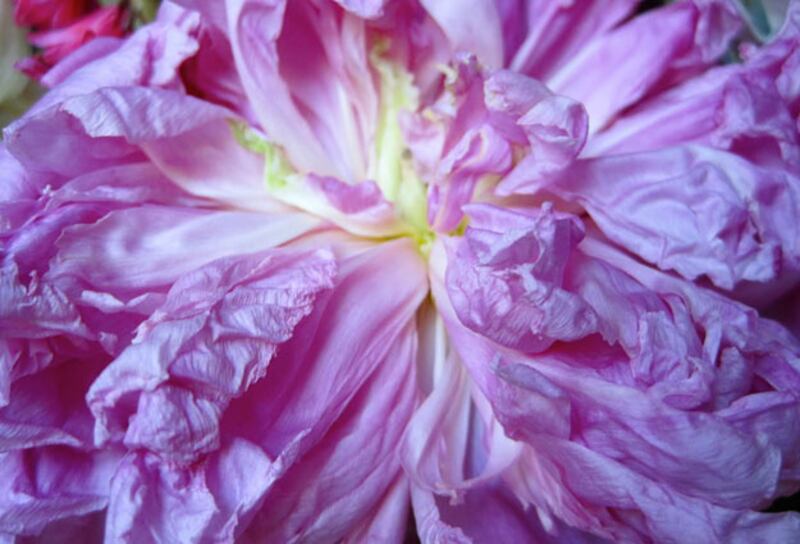
When they are freshly cut, flowers are bouncing with charm. But that doesn’t last long, no matter how many sugar cubes you dissolve in the water. It is just a matter of days before the intransigence of death asserts itself.
Courtesy of Dominique Browning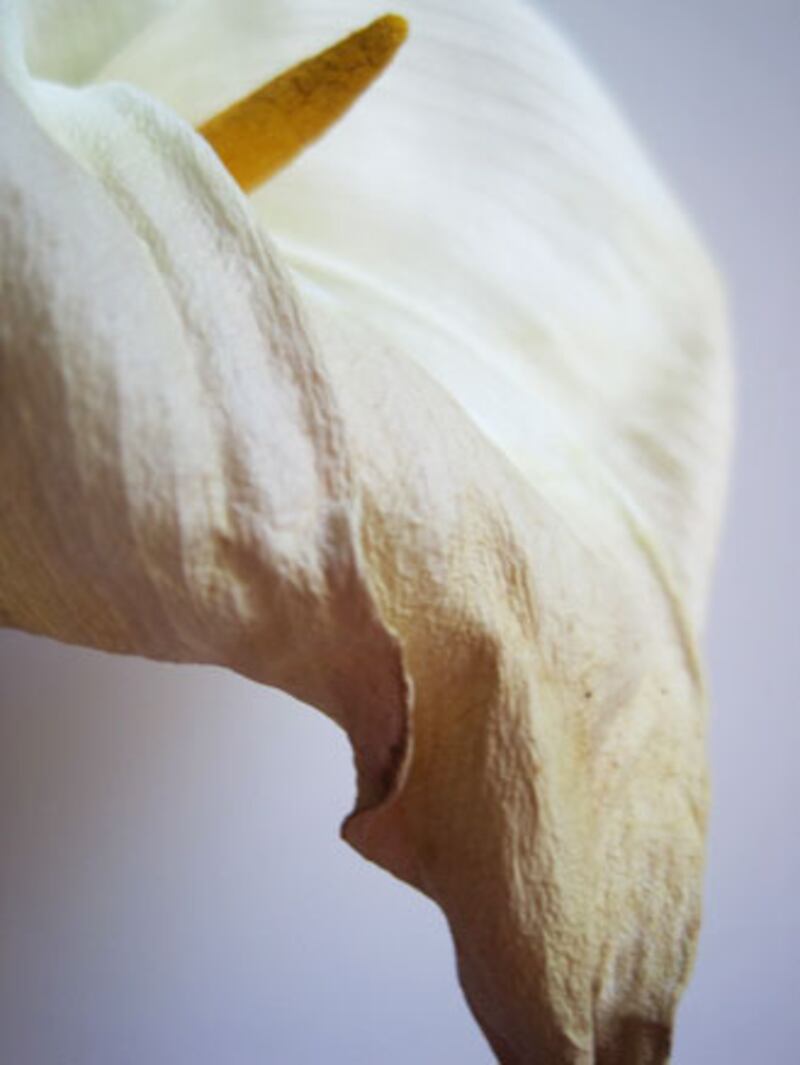
Quickly, too quickly, the flowers gyrate, droop, snap, or flop. This is when things get interesting. I move my aging bouquets closer to wherever I am working, so that I can gaze at the rapid transformations.
Courtesy of Dominique Browning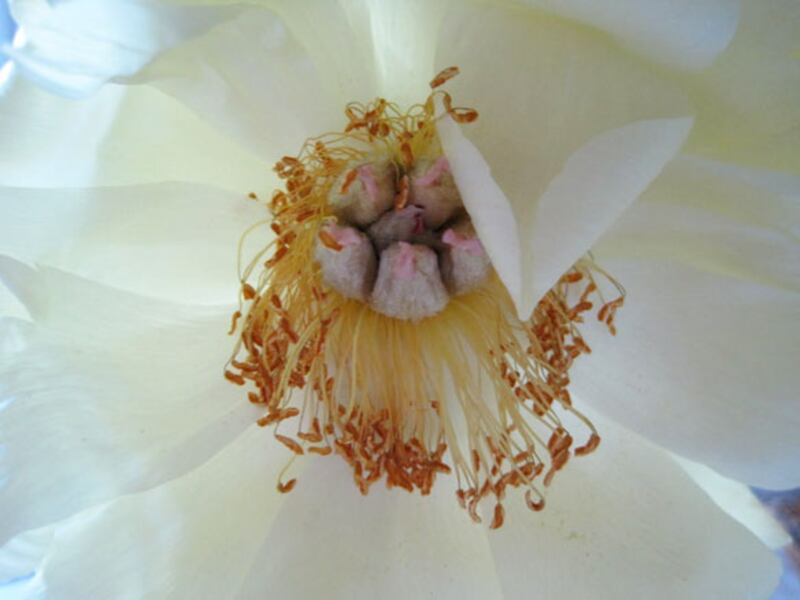
I’m particularly fascinated by peonies, which hold onto their petals past exhaustion. The colors soften and fade, the tissue creases, thins, and becomes transparent. The petals begin to curl gently in on themselves, as though trying to return to bud. One buttery blonde with a stray petal drooping across her face made me think of a kittenish Marilyn Monroe.
Courtesy of Dominique Browning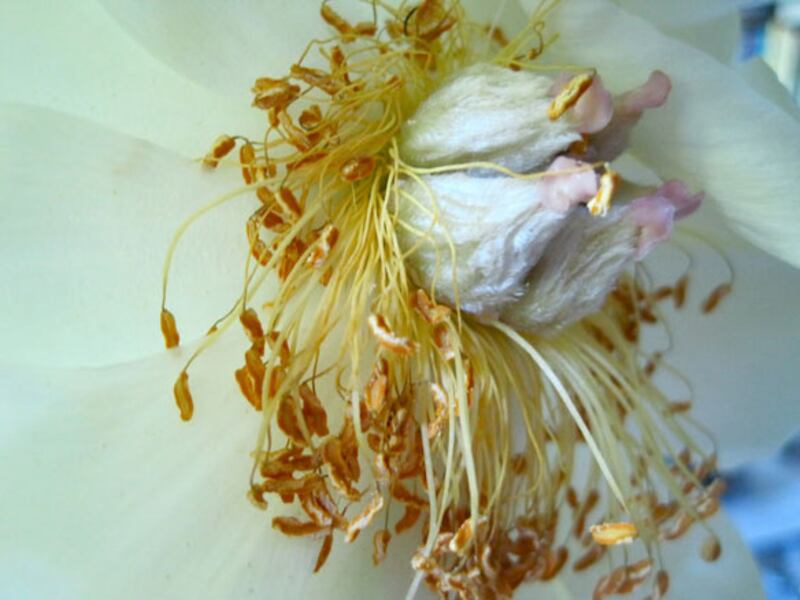
The crown of golden filaments loses its elasticity; it hangs limp, slipping down the flower’s forehead, as though the weight of the tiny golden stamens were too much to bear. The mammillate carpels, with their downy sheathes, swell, nipples pink and crusty.
Courtesy of Dominique Browning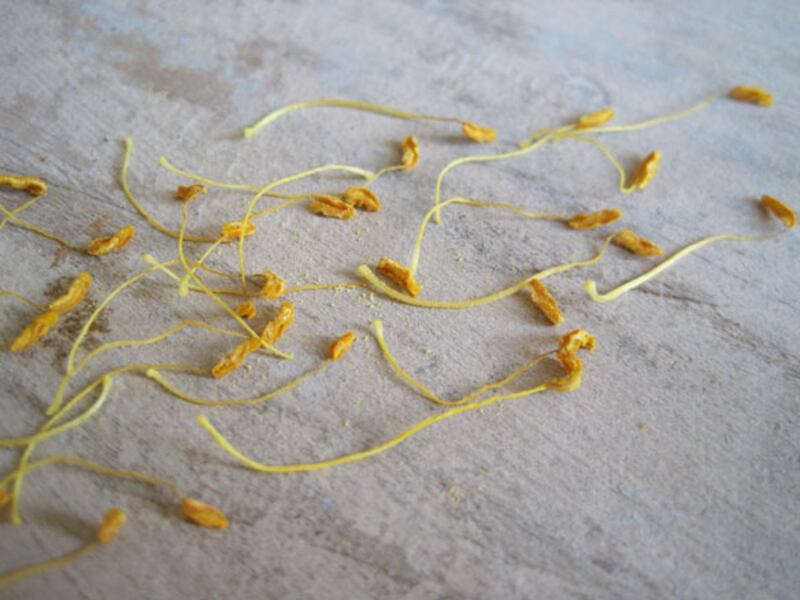
Gravity takes the day. Petals fall out in clumps that plop heavily onto the table, filaments and stamens drizzle over the pile.
Courtesy of Dominique Browning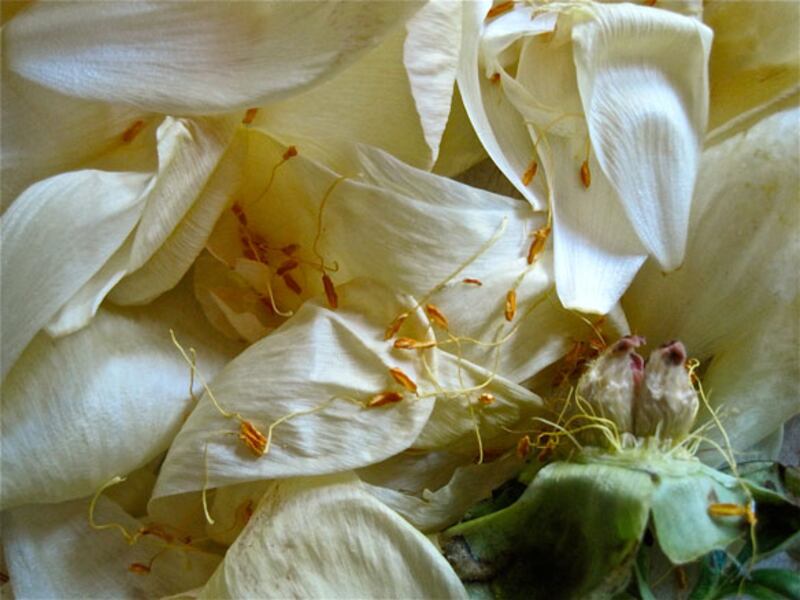
Aging bouquets are mesmerizing. The calla lilies have petals that look like the expensive peau de soie of the finest wedding gowns before they wrinkle and darken. The tissue of old flower petals resembles the loose, milky, mottled skin of withering Southerners, those beautiful old ladies who know to rub calendula into the backs of their hands at night, and wear white gloves in the day.
Courtesy of Dominique Browning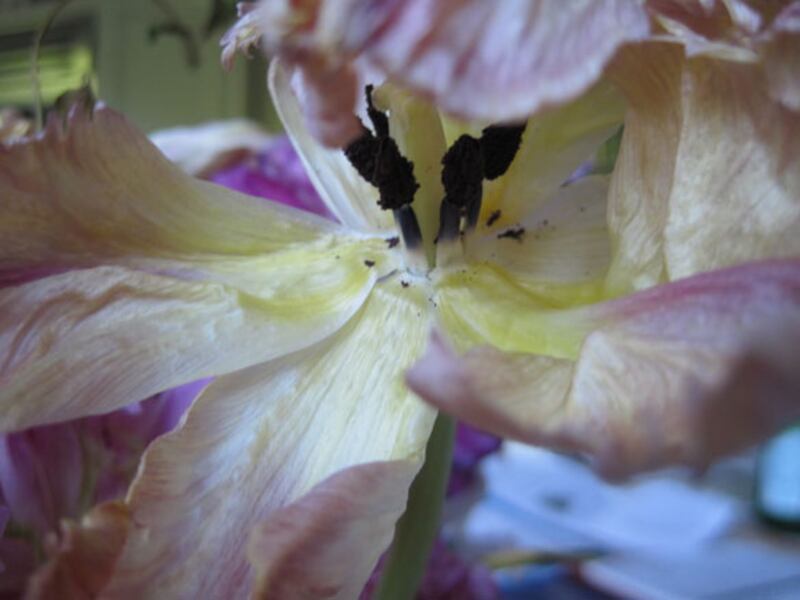
The stamens of a tulip look charred, but stand erect in the burnt forest, reaching for sunlight.
Courtesy of Dominique Browning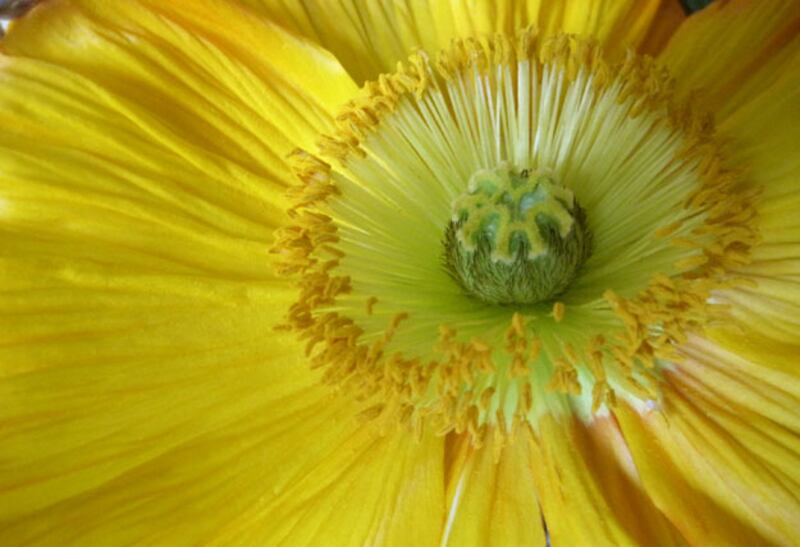
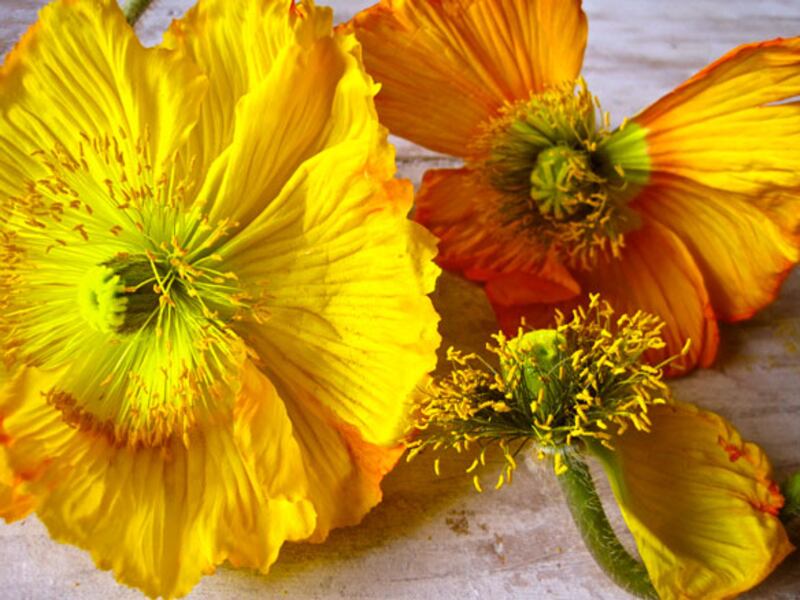
The corolla of the poppy flattens, thrusting forward the whorl of stamens. One last chance? Those remain springy, guarding the treasure of the poppy pod, a superior ovary if ever there was one, with its fuzzily receptive lobed stigma. The grains of pollen, male sex dust, explode from the anthers at the tip the stamens; the pollen is rich and plentiful and stains my fingers.
Courtesy of Dominique Browning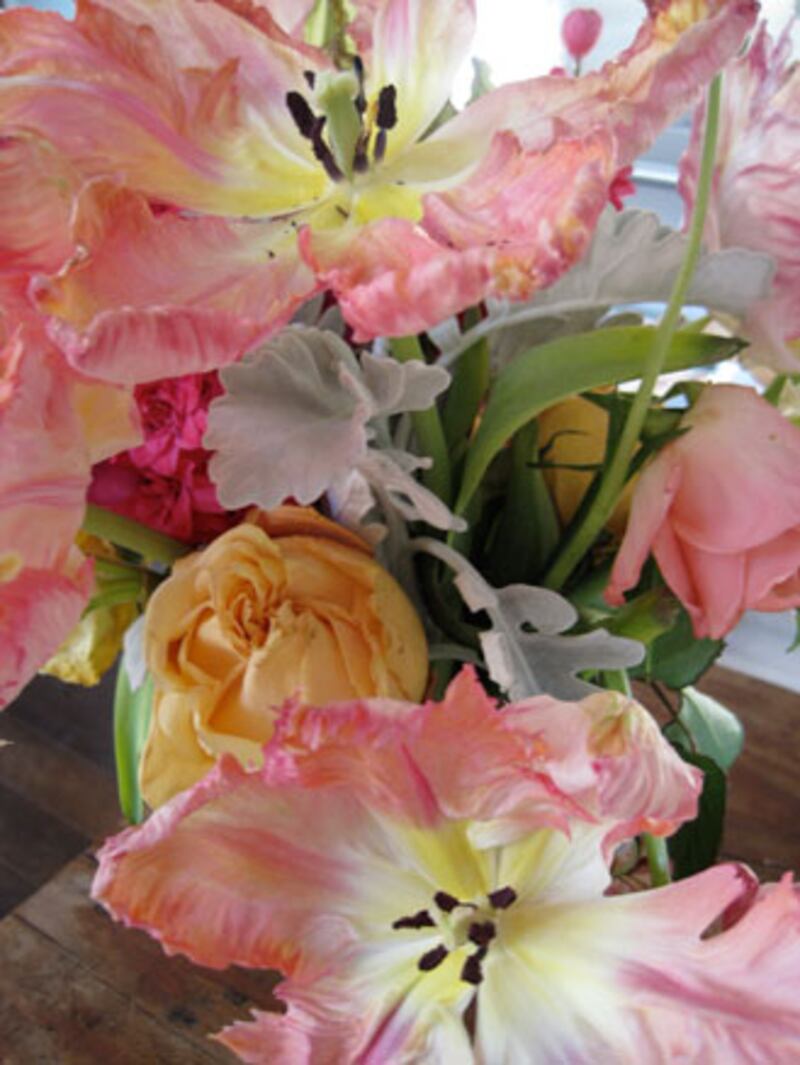
Opium comes from the milky exudation—what a lovely term—from unripe fruits. But no one these days is sending opium poppy bouquets.
Courtesy of Dominique Browning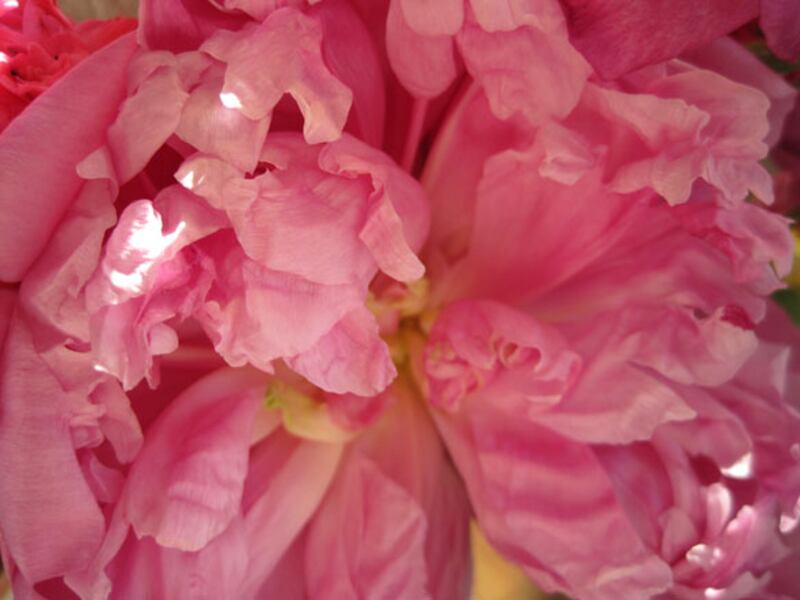
Even in death, every flower has a distinct personality, a signature style of leave taking.
Courtesy of Dominique Browning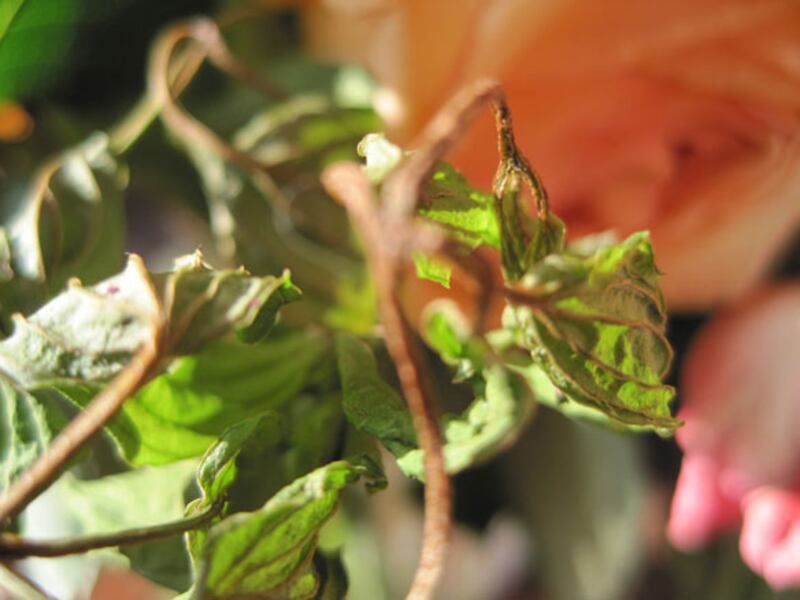
Decay is stunningly beautiful. You have to let go of what might be a natural aversion to watching death steal across beauty.
Courtesy of Dominique Browning