The maker of a shoe brand so beloved by Donald Trump that he foists its footwear on his Cabinet members has blasted the president’s chaotic and economically devastating signature economic policy.

Trump, 79, is so fond of Florsheim leather oxfords that he reportedly buys them for his inner circle after guessing their size, forcing them to wear ill-fitting shoes or else risk the president’s ire.
Vice President JD Vance, Secretary of State Marco Rubio, and Defense Secretary Pete Hegseth, along with Fox News host Sean Hannity and Sen. Lindsey Graham, have all received the shoes, which retail for about $145.
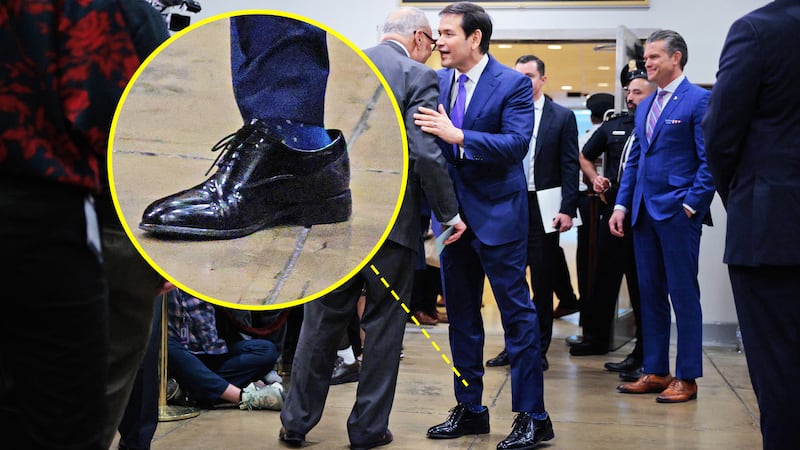
Now the company’s founder’s great-great-grandson Thomas Florsheim Jr. is speaking out about how the president’s ever-changing tariffs—some of which have been struck down by the Supreme Court—have wreaked havoc on his business.
“The tariffs have changed 15 times,” said Florsheim, CEO of Weyco Group, a publicly traded company that owns the brand, in an interview with The Bulwark.
“I think that many businesses felt that the Trump administration was going to be pro-business,” he added. “And, you know, with the tariff situation, somehow the pro-business thing got lost.”
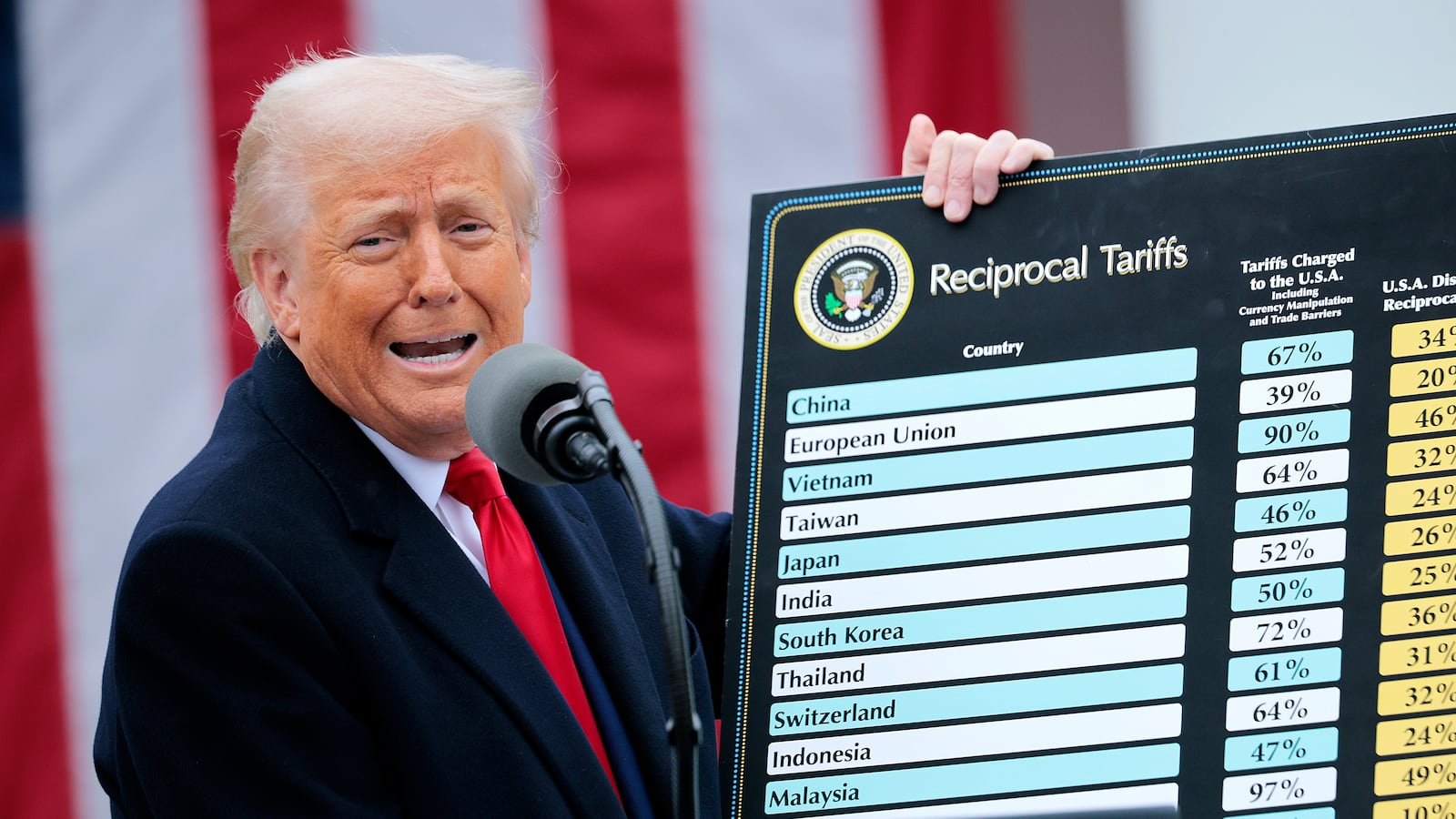
Trump in April 2025 announced sweeping “Liberation Day” tariffs on products from dozens of U.S. trade partners, along with a universal tariff and additional sector-specific tariffs.
The duties are a type of import tax paid by American companies, which must either eat the costs or pass them along to their customers.
With Trump’s various tariffs stacked on top of one another, overall duties on Weyco’s shoes—which like 99 percent of the country’s footwear are manufactured abroad—reached 161 percent at various times last year, according to The Bulwark.
The company paid about $21 million in import duties, only to be hit with a surprise bill for another $1 million.
Florsheim said that although Weyco employs about 350 people in the U.S. working in design, accounting, warehousing, IT, sales, marketing, logistics, and customer service, it wouldn’t make sense to reshore the entire shoe manufacturing sector.
The industry shifted overseas decades ago because making shoes requires demanding, labor-intensive work that is prohibitively expensive at U.S. wages.
“You really can’t make shoes and sell them in the U.S. unless you want to sell shoes for more than $300,” Florsheim said.
That means the only thing Trump’s trade war has accomplished is jeopardizing the jobs of the hundreds of Americans who work for companies like Weyco doing 21st-century jobs, according to the Bulwark.
Weyco was one of the companies that successfully sued the Trump administration to block his Liberation Day tariffs and qualify for a combined $35.5 billion in refunds.
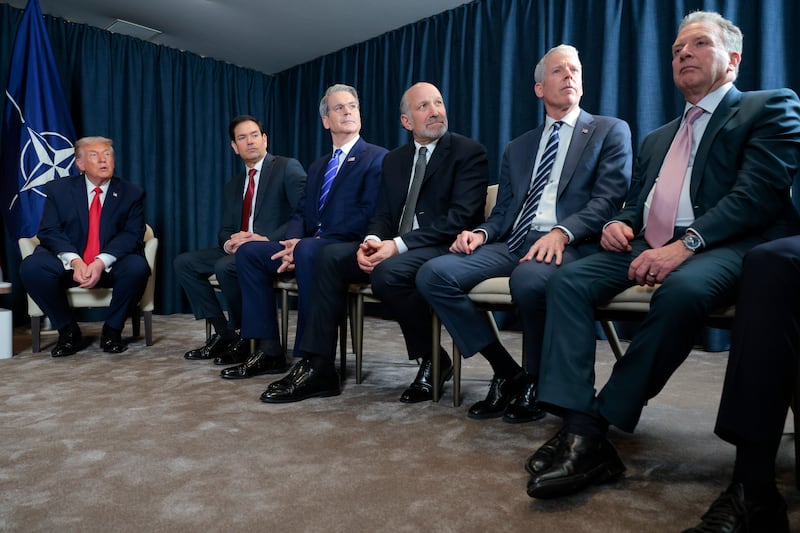
Last week, Florsheim received the first $1.5 million in tariff refunds, but he’s still waiting for the rest.
In the meantime, Trump is trying to impose new tariffs using new statutory authorities.

In a statement, White House spokesman Kush Desai said that Trump’s tariffs had ended “unfair foreign trade practices” that “consistently undermined” American workers and businesses.
“The Trump administration is making America the most dynamic economy in the world with a pro-growth, pro-worker agenda of tax cuts, deregulation, and fair trade deals,” he said.