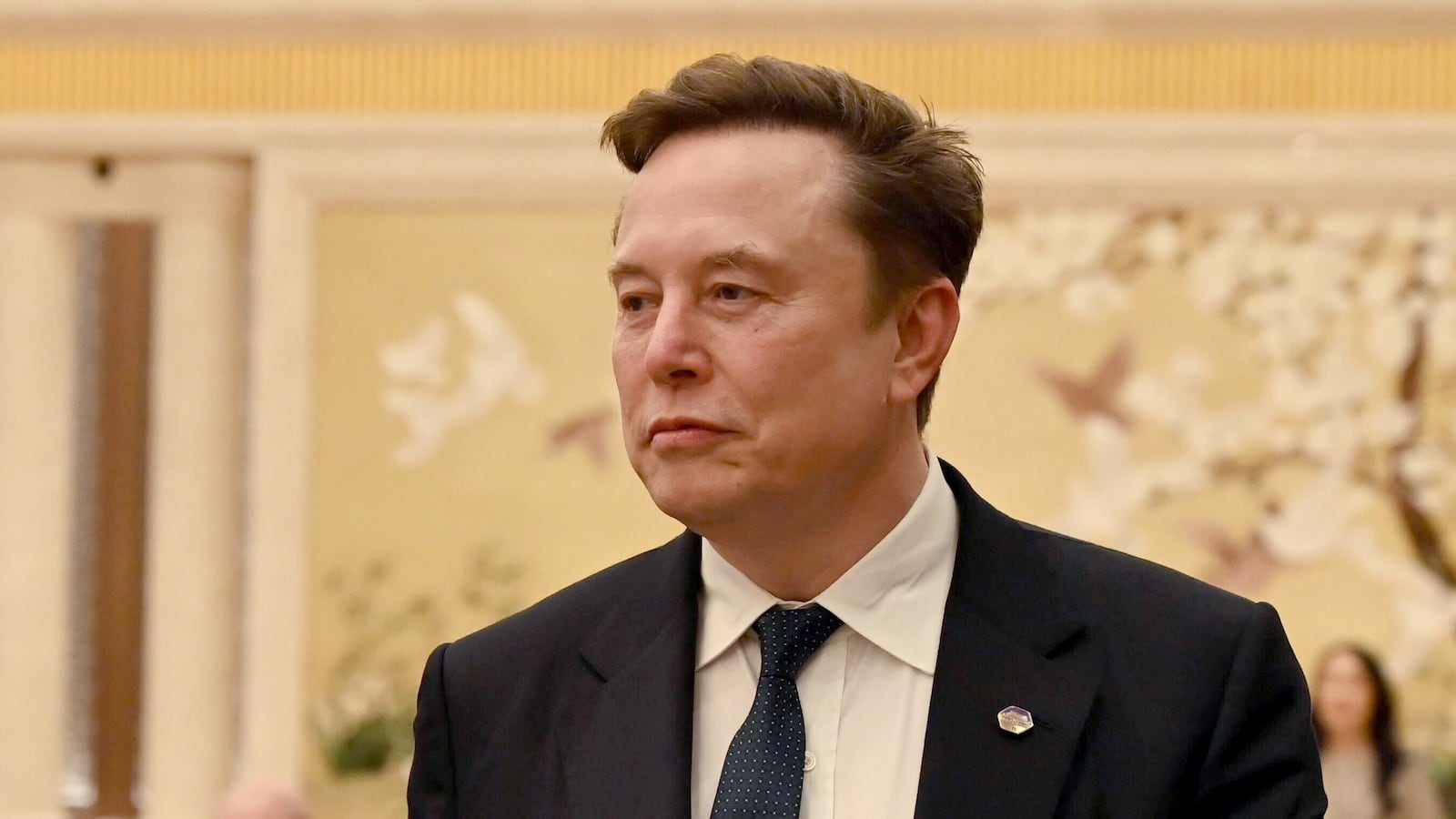
Billionaire entrepreneur Elon Musk has built a reputation on making bold promises about the future, but many of his most ambitious targets have repeatedly slipped.
According to analysis by The New York Times, of the more than 600 public predictions and commitments Musk has made over the years in statements, social media posts, and investor calls, fewer than one in five were delivered as promised.
The data also suggests Musk’s track record has worsened over time. In 2015, he fulfilled nearly three-quarters of the goals he announced.
By 2020, however, fewer than half of his promises were completed on schedule, with some still awaiting their target dates years later.
“He has become, in recent years, not too careful about how close his remarks are to the truth,” Robert Zubrin, an aerospace engineer and a former friend of Musk’s, told the Times.
The Daily Beast has contacted representatives of Musk for comment.
Some of the billionaire’s unfulfilled promises relate to his biggest ventures, from Tesla to SpaceX.
In 2018, Musk said he had secured funding to take Tesla private at $420 a share, but no financing was in place and the deal never happened. The Securities and Exchange Commission later charged him with securities fraud, accusing him of misleading investors. Musk and Tesla settled the case for $40 million without admitting or denying wrongdoing.

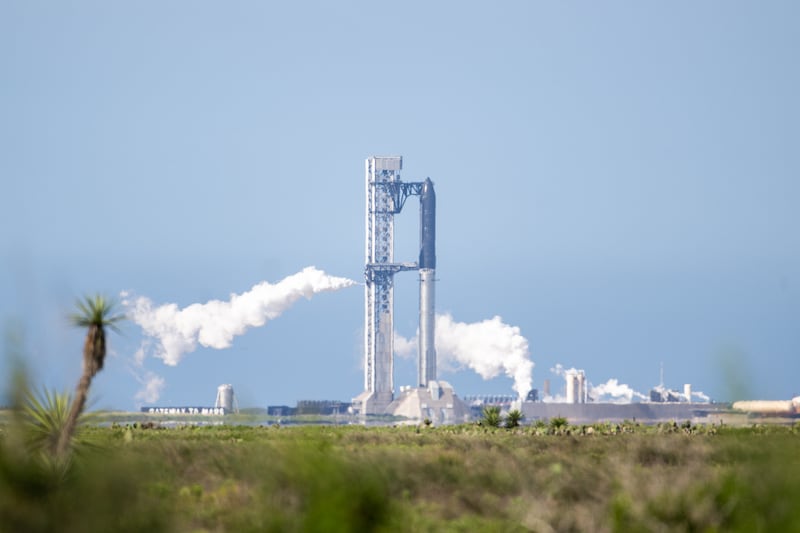
SpaceX has also been central to Musk’s long-term ambitions, particularly his goal of building a human colony on Mars.
He has referenced Mars-related targets 19 times in public statements, according to the Times’ analysis.
Over the years, he has repeatedly shifted timelines for reaching the Red Planet: In 2011 he suggested a 10- to 20-year timeframe, while in 2024 he said Starship could reach Mars within five years, and later that it might launch “at the end of next year.”
He has also said a Mars city could support 1 million people within 20 years, though he later revised that to “20+ years.” NASA, by contrast, has suggested a more cautious timeline, with human missions likely in the mid-2030s.
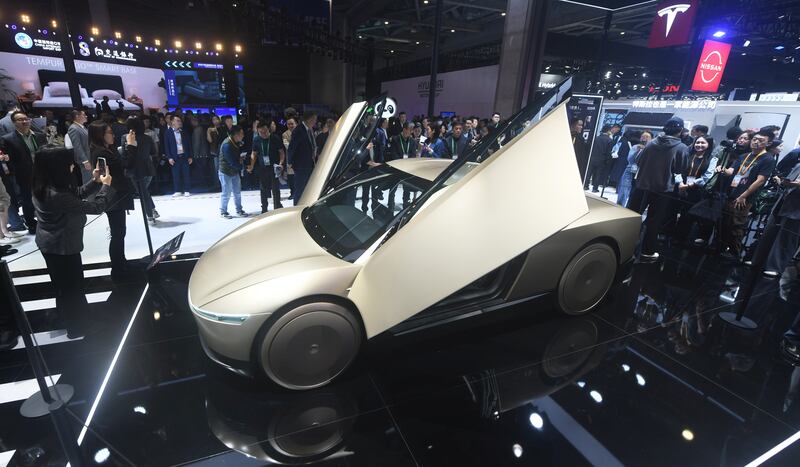
On Earth, Musk has also repeatedly promised major advances in autonomous driving. He has said Tesla vehicles would achieve full self-driving capability, with more than 60 of his 600-plus goals tied to autonomy and robotaxi plans. Yet that goal has remained unrealized since it was first promised in 2016.
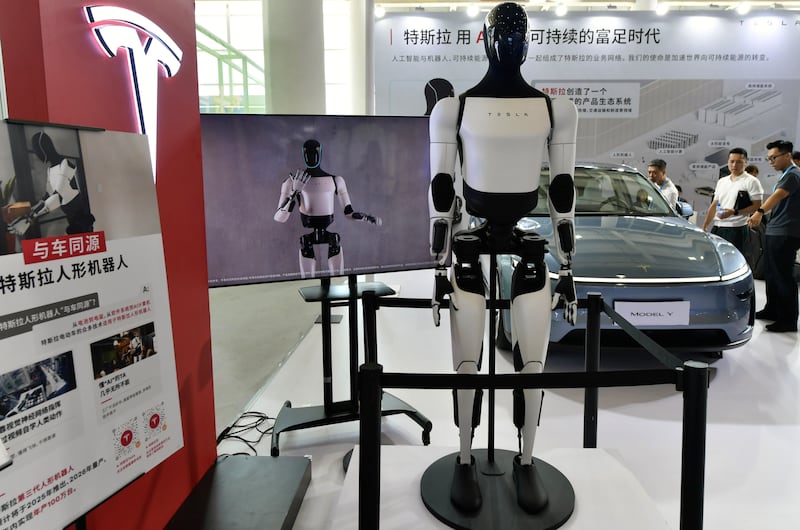
The billionaire has also made claims about Tesla’s humanoid robots, including that they would be dexterous enough to thread a needle. None of these milestones have been achieved.

And his list of unfulfilled promises could be about to get longer after his company SpaceX revealed its plans to go public in the U.S.
The company’s initial public offering is expected to break records on Wall Street, becoming the largest listing in U.S. market history.
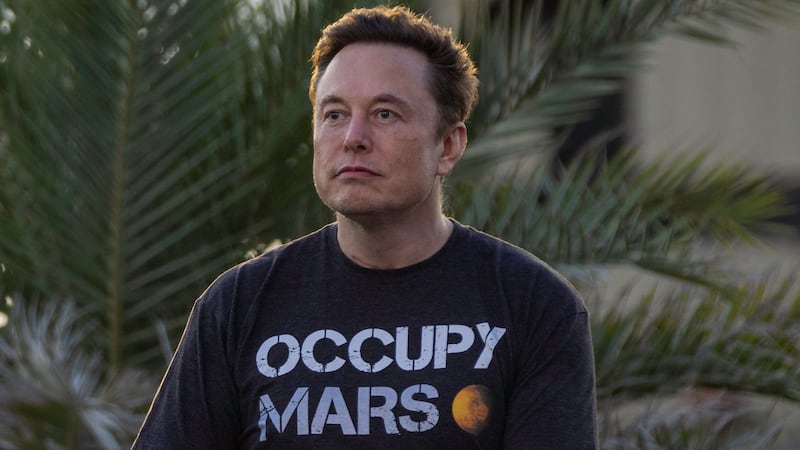
The billionaire has set ambitious goals for SpaceX, including the idea of placing AI data centers in orbit. However, the New York Times analysis suggests the company has a mixed record on delivering on its long-term plans.
Of roughly 150 SpaceX-related goals identified in Musk’s public statements, about 32 percent were completed within a year of their stated target.
Around 19 percent were either more than a year late or never achieved at all.