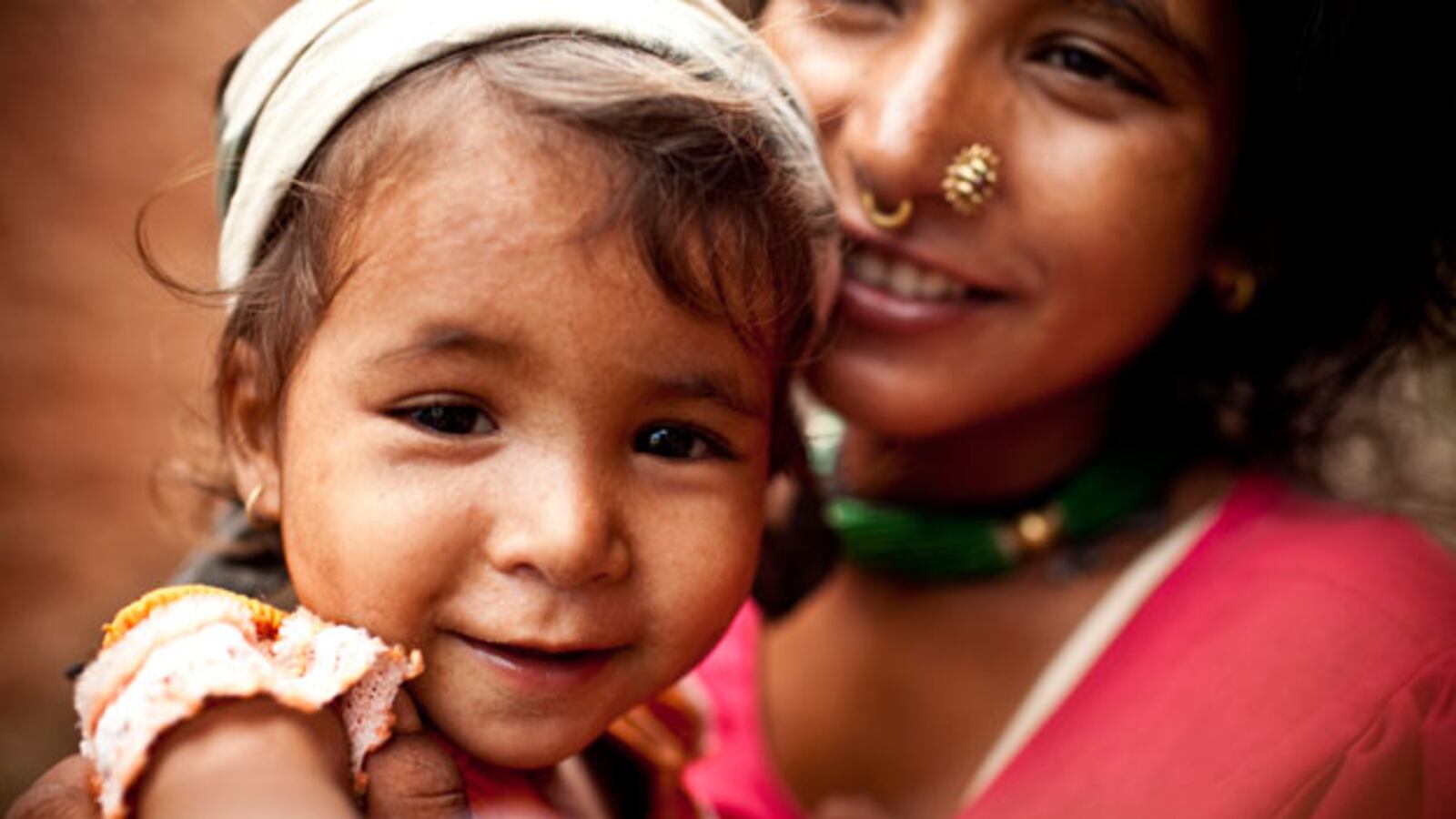
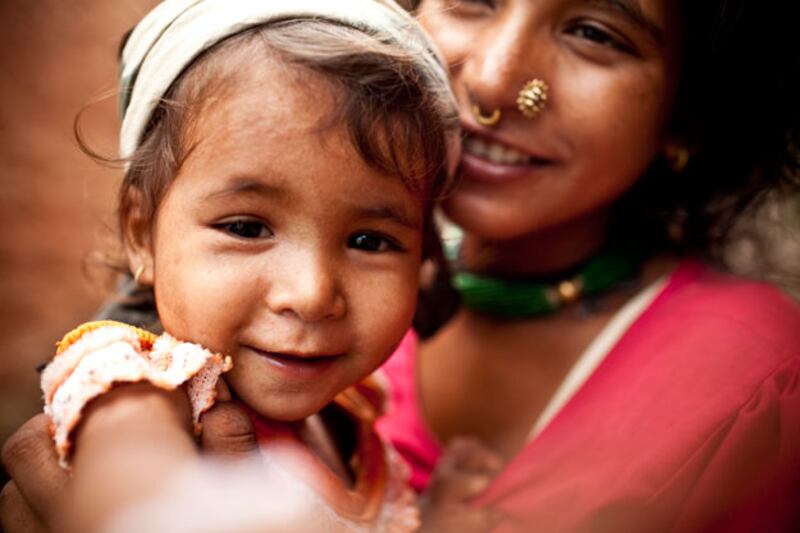
Nineteen-year old Maheshwori Devi Bishwokarma is a goat-herder in rural Nepal, pregnant with her second child. Her husband lives and works in India and only visits his family once a year.
Courtesy of the Bill & Melinda Gates Foundation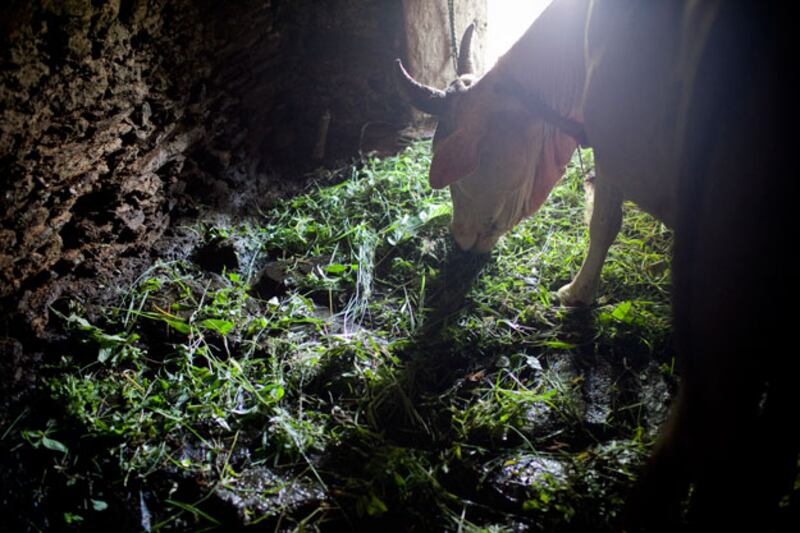
Bishwokarma gave birth to her first daughter inside this cow shed, in part because of traditional beliefs that regard menstruating or laboring women as impure. But her fetus is in a breach position. An aid worker convinces village elders to allow Bishwokarma to be attended to by a skilled midwife, in a more sanitary setting.
Courtesy of the Bill & Melinda Gates Foundation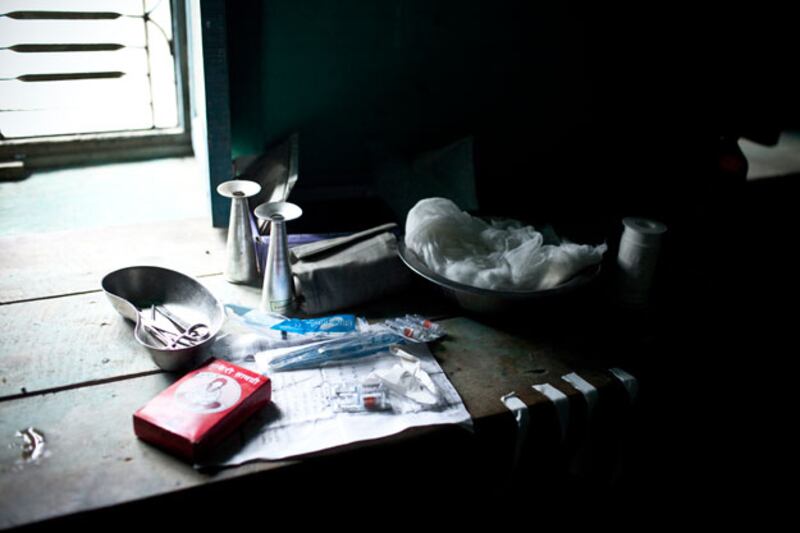
Yasodha Ojha, a midwife from a neighboring village, is able to bring with her a clean delivery kit provided by foreign aid. It is a simple, but essential tool: a small bar of soap for washing hands, a plastic sheet to serve as the delivery surface, clean string for tying the umbilical cord, a new razor blade for cutting the cord, and pictorial instructions that illustrate the sequence of delivery events and hand-washing. The goal is to avoid infection.
Courtesy of the Bill & Melinda Gates Foundation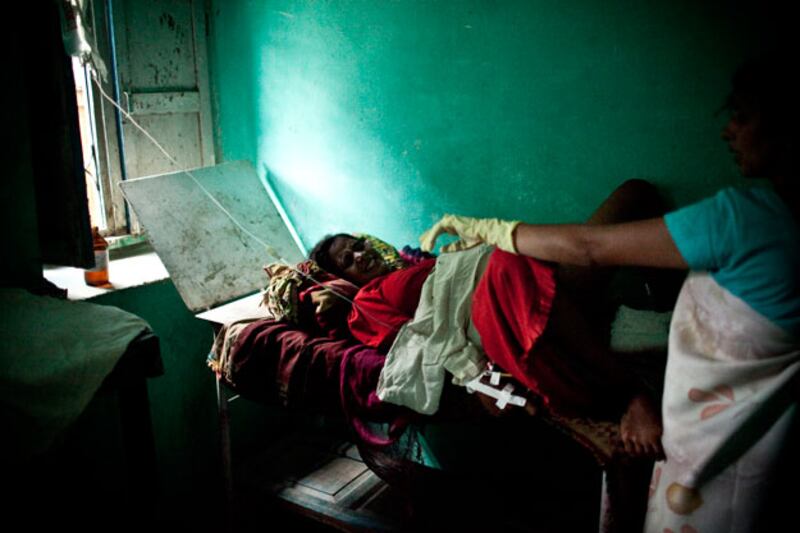
Maheshwori in labor.
Courtesy of the Bill & Melinda Gates Foundation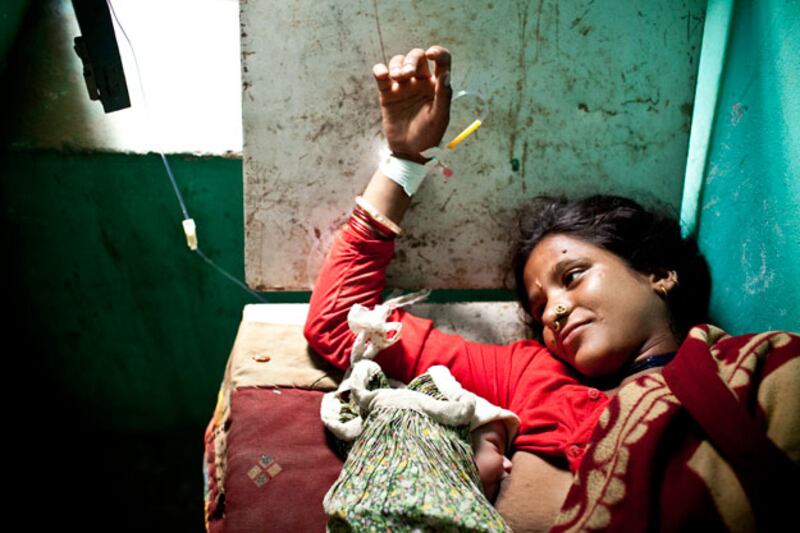
Maheshwori and her newborn, Seema. Maheshwori is lucky: In Nepal each year, 6,000 women die during childbirth.
Courtesy of the Bill & Melinda Gates Foundation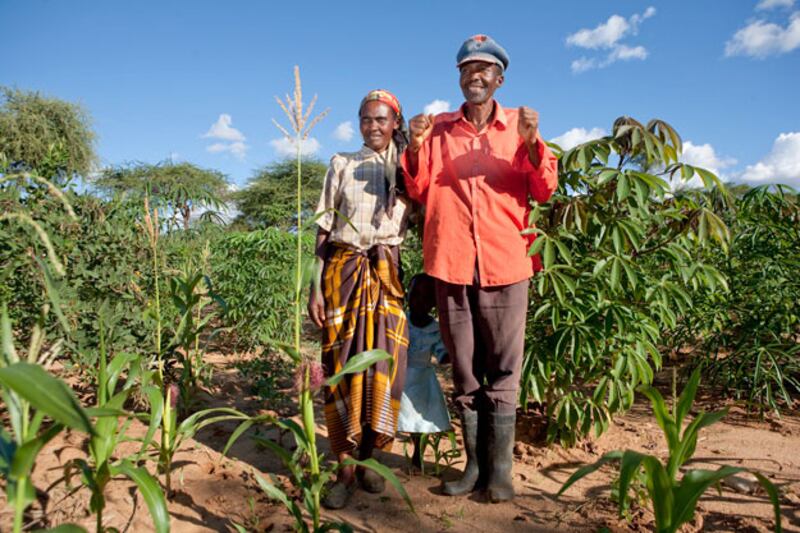
Quality seeds are critical for a good harvest, but hundreds of millions of farmers throughout Africa lack access to seeds that can withstand harsh climate conditions. As a result, they get poor yields, low incomes, and insufficient nutrition.
Here, Francis and Juliana Mutungi stand with their granddaughter on their farming cooperative in Kenya. The new disease-resistant cassava they planted earlier in the year will result in a bumper crop—enough not only to eat, but to sell to the local bakery. With the additional income, the hope is they will send their children to school.
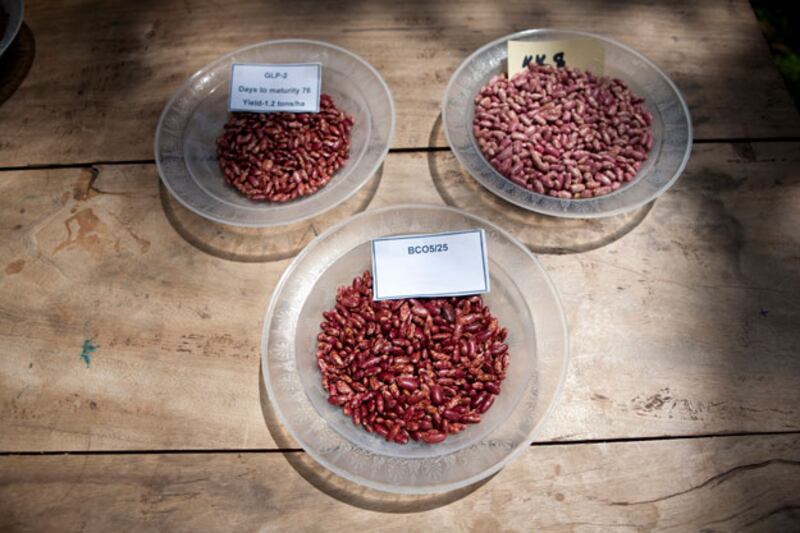
The common bean is a critical crop in Africa. Called the “meat of the poor,” beans are consumed at most meals in Kenya and deliver important nutrients such as amino acids, vitamin B, iron, and zinc. Beans don’t require much water, and they grow quickly—plant a bean seed, and three months later you’ll have food. Little research has been done on beans, so most farmers don’t have access to quality varieties.
Courtesy of the Bill & Melinda Gates Foundation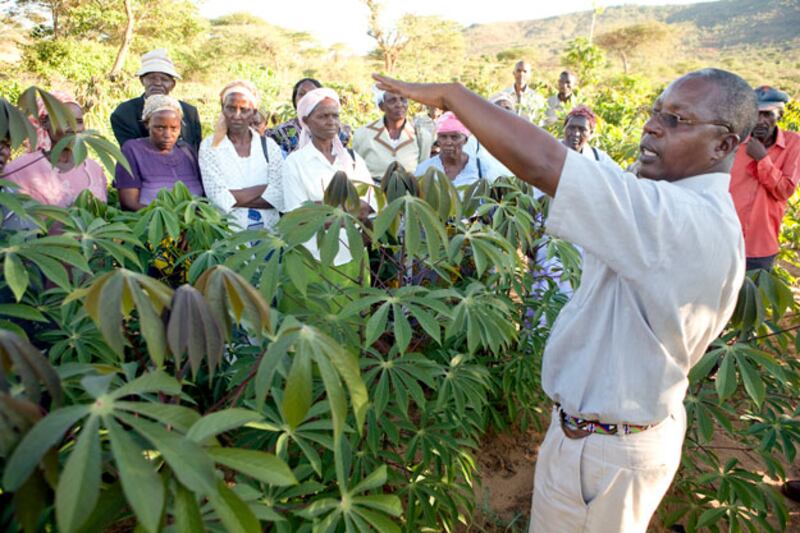
Here, agriculture expert Joseph Kamau trains local farmers on the new bean varieties, and also elicits their feedback. “If your statistics tell you one thing and the farmers tell you another, you've got to go back to the farmers,” he says.
Courtesy of the Bill & Melinda Gates Foundation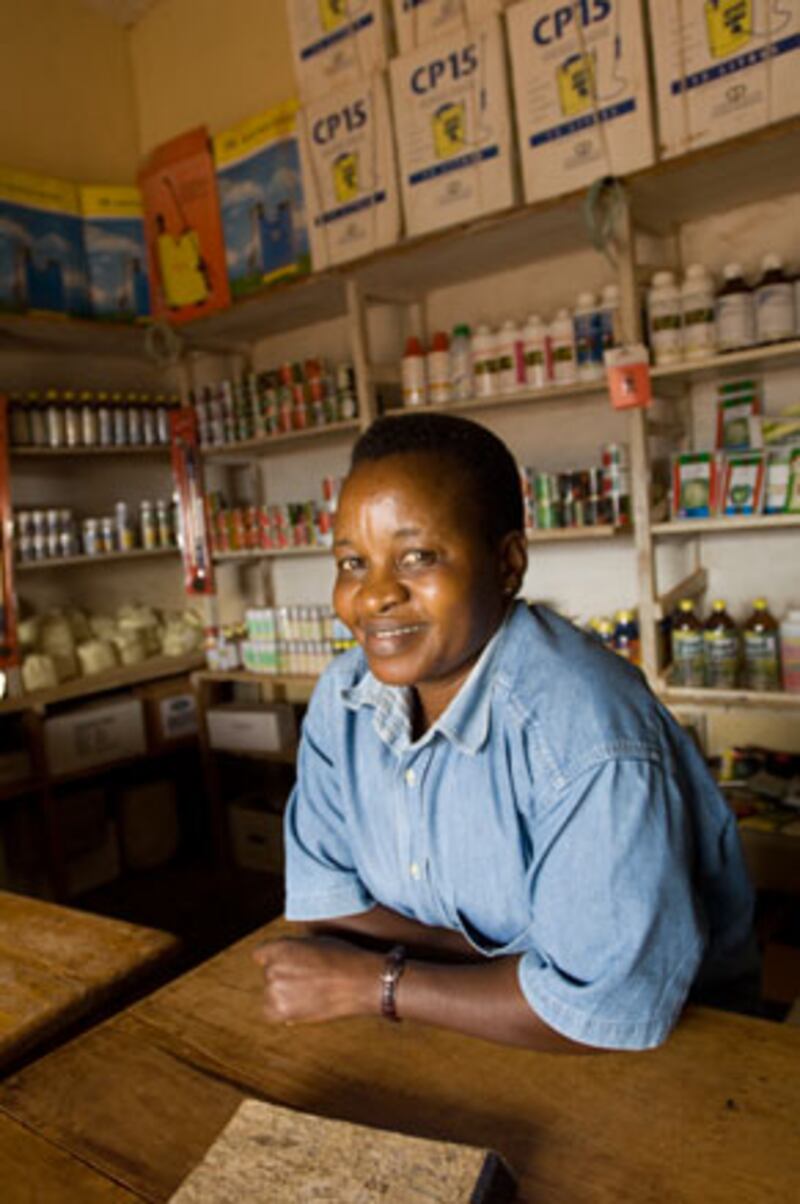
Annet Mubiru is an “agro-dealer”—a businesswoman who provides farmers in the village of Mityana, Uganda with quality seeds and fertilizer. She has been trained to do so by the Alliance for a Green Revolution in Africa.
Courtesy of the Bill & Melinda Gates Foundation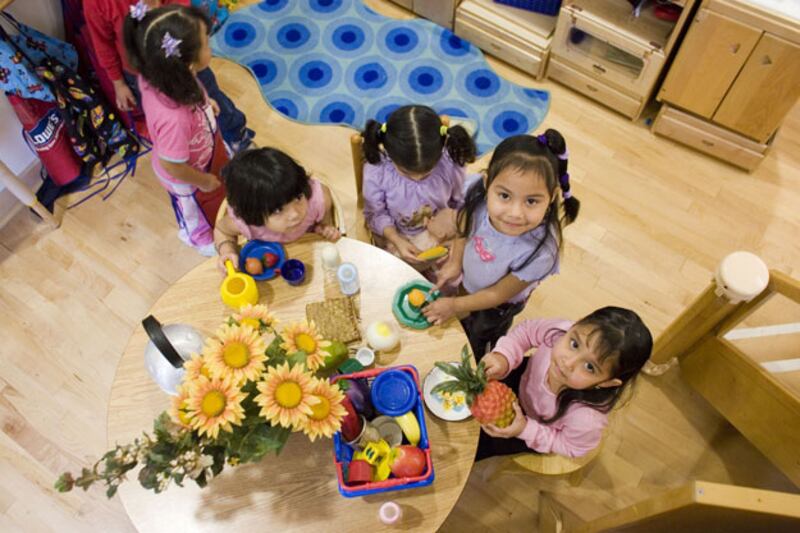
Washington State is the Gates Foundation’s home, and the only state where all of its domestic programs are active, including efforts on early childhood education, homelessness, and adult education.
Courtesy of the Bill & Melinda Gates Foundation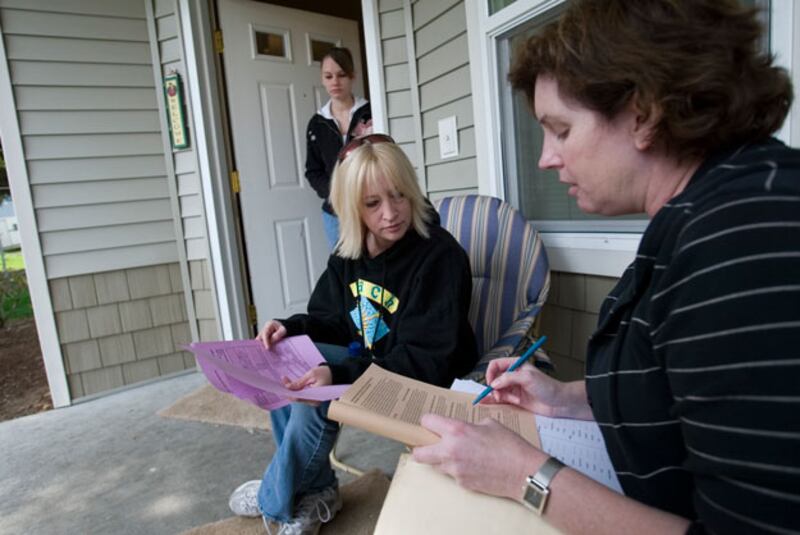
One goal is reducing family homelessness in the Puget Sound region by 50 percent within 10 years. The idea is to break the poverty cycle by providing families with a case manager who consistently connects them with social services and education, employment, and job training opportunities.
Courtesy of the Bill & Melinda Gates Foundation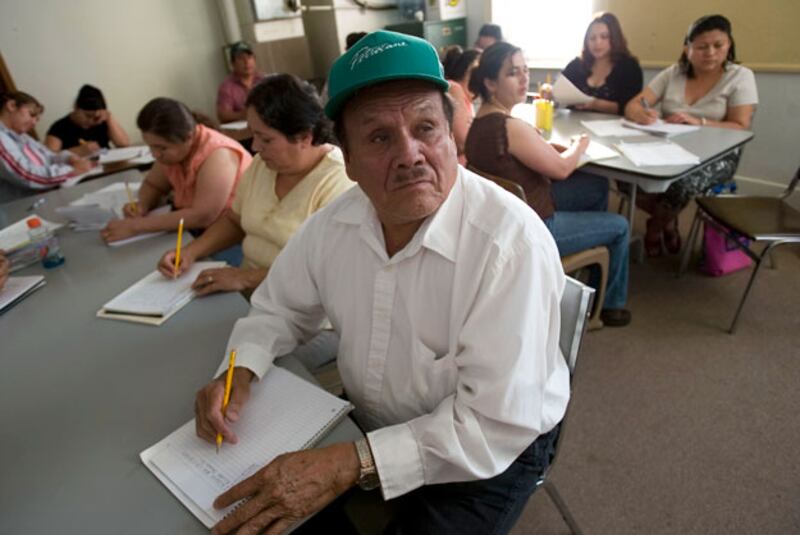
An adult education class for recent immigrants.
Courtesy of the Bill & Melinda Gates Foundation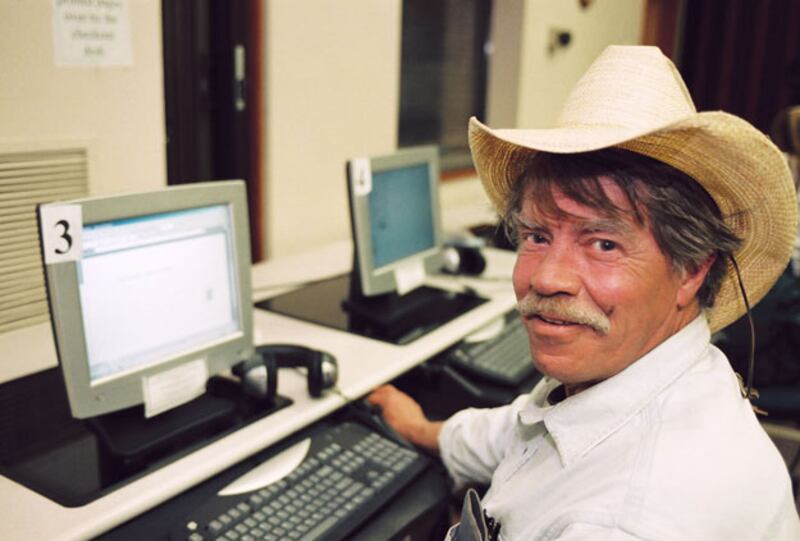
The foundation’s libraries initiatives aim to give more low-income people access to the Internet.
Courtesy of the Bill & Melinda Gates Foundation