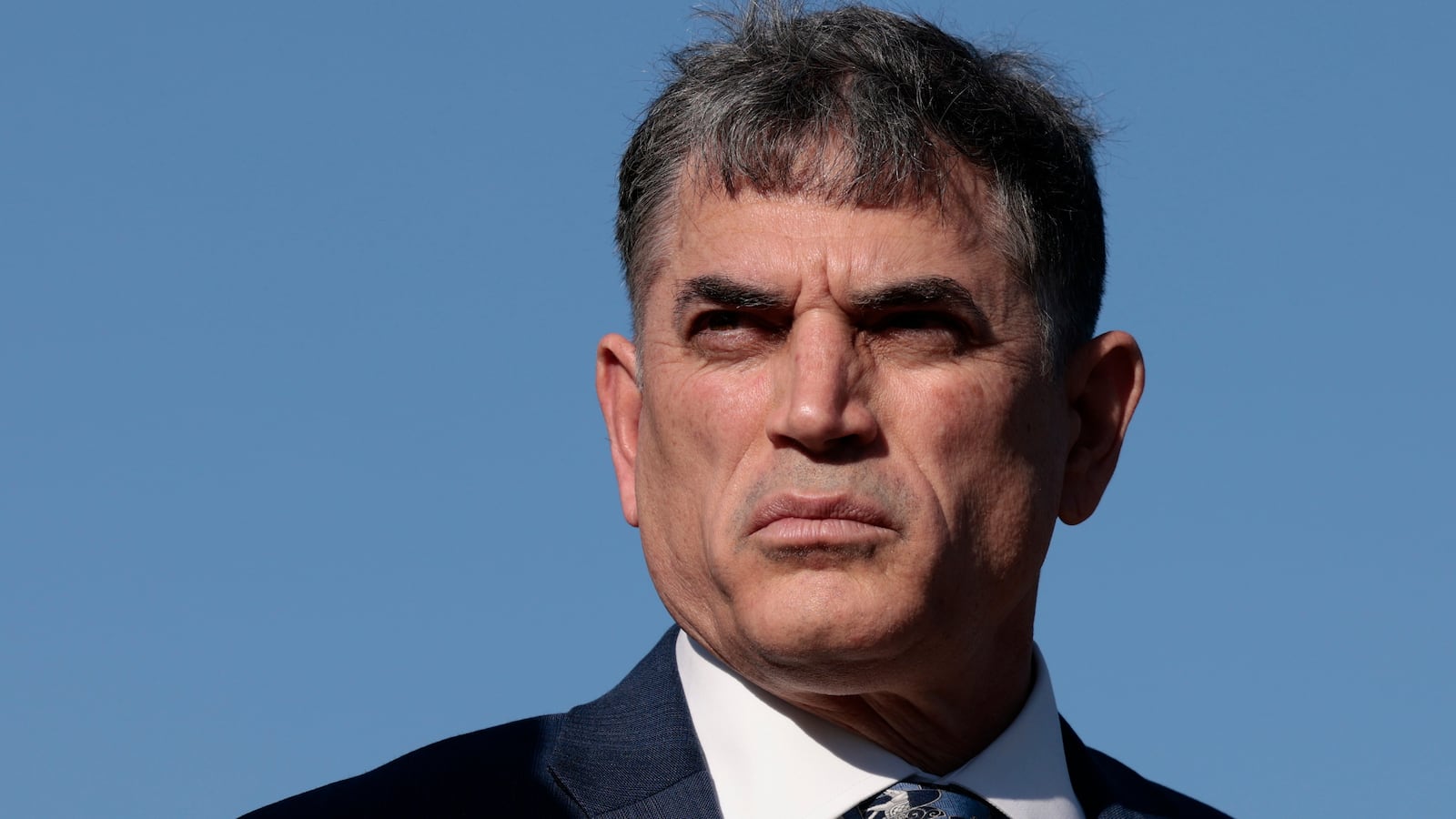
A MAGA Congressman has thrown his support behind Donald Trump’s $1.8 billion anti-weaponization fund—and suggested he could seek a cut for himself.
As a GOP civil war erupted on Thursday over the slush fund, Georgia Rep. Andrew Clyde declared his support for the scheme and didn’t rule out also applying for a payout.
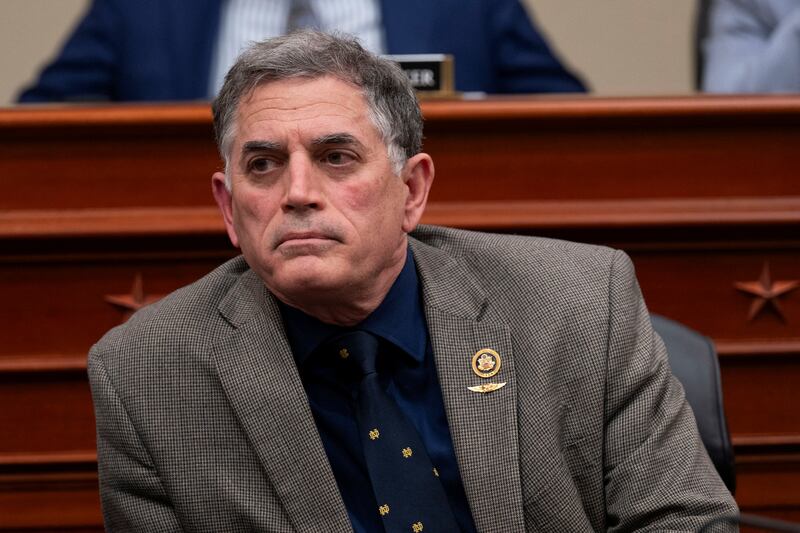
Such a move would put Clyde, who was previously embroiled in a messy legal battle with the Internal Revenue Service, in line with January 6 rioters and other Trump allies who are now eyeing compensation from the controversial fund.
Speaking to Politico on Thursday, Clyde said the fund’s aim was to “make whole” those who claim they were unfairly targeted by investigations conducted by previous administrations.
Asked whether he would pursue compensation himself, he noted that the fund was for “anyone” who had been the victim of government weaponization.

Clyde’s office did not immediately return the Daily Beast’s request for comment. The gun store owner previously fought the IRS in court after he was subject to the forfeiture of $940,000 of civil assets in 2013.
Though he received a $900,000 refund, he said he has had to pay legal fees totaling upwards of $100,000, according to the Washington Examiner.
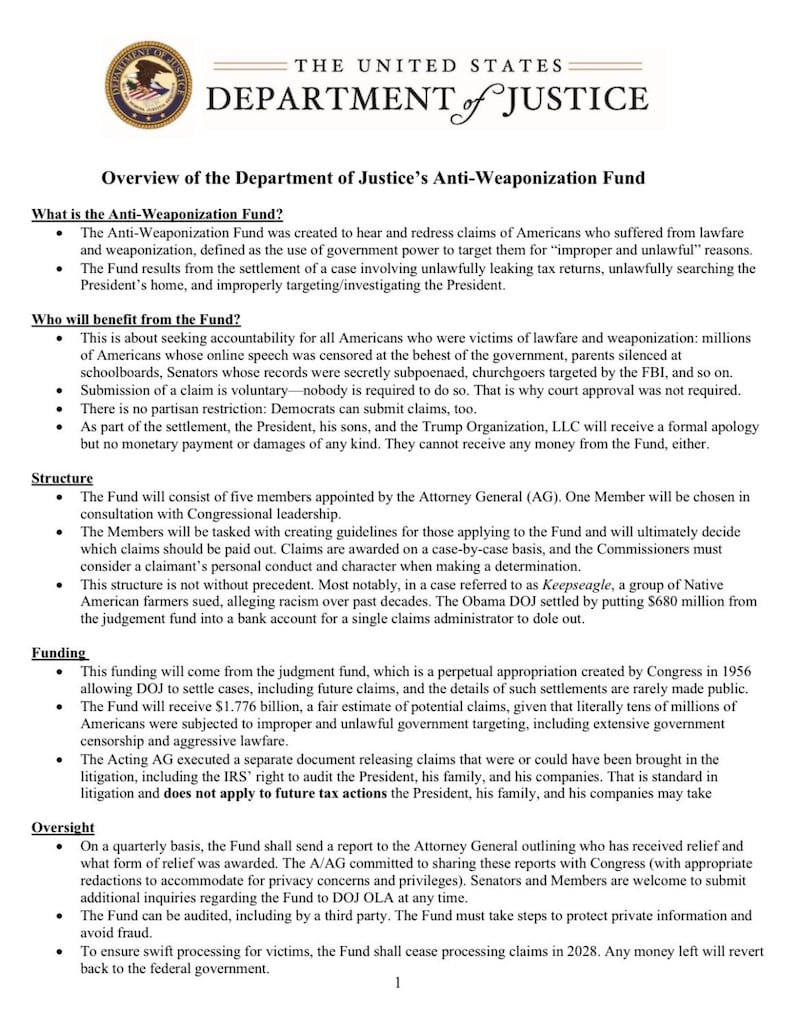
Clyde’s comments on the slush fund came as the Justice Department issued a new memo on Thursday detailing how the scheme would work, amid a growing bipartisan backlash.
Concerns over the fund also threw Congress into chaos as Senate Republicans abandoned plans to advance major immigration enforcement legislation after furious internal disagreement over a proposed slush fund.
The collapse was a major blow for Trump and party leaders, who had hoped to pass roughly $70 billion in funding for ICE, Border Patrol, and other agencies before lawmakers began a week-long recess.
According to the DOJ memo, the fund was created to help people “who were victims of lawfare and weaponization,” including millions of Americans “whose online speech was censored at the behest of the government, parents silenced at school boards, Senators whose records were secretly subpoenaed, churchgoers targeted by the FBI, and so on.”

It did not specify how the fund would be enforced, but Democrats could also apply, as there “is no partisan restriction,” the memo said.
And while a report would be provided to the attorney general quarterly outlining who had received compensation, it would be up to the attorney general to determine how much of those reports could be released to Congress and how much would be redacted.
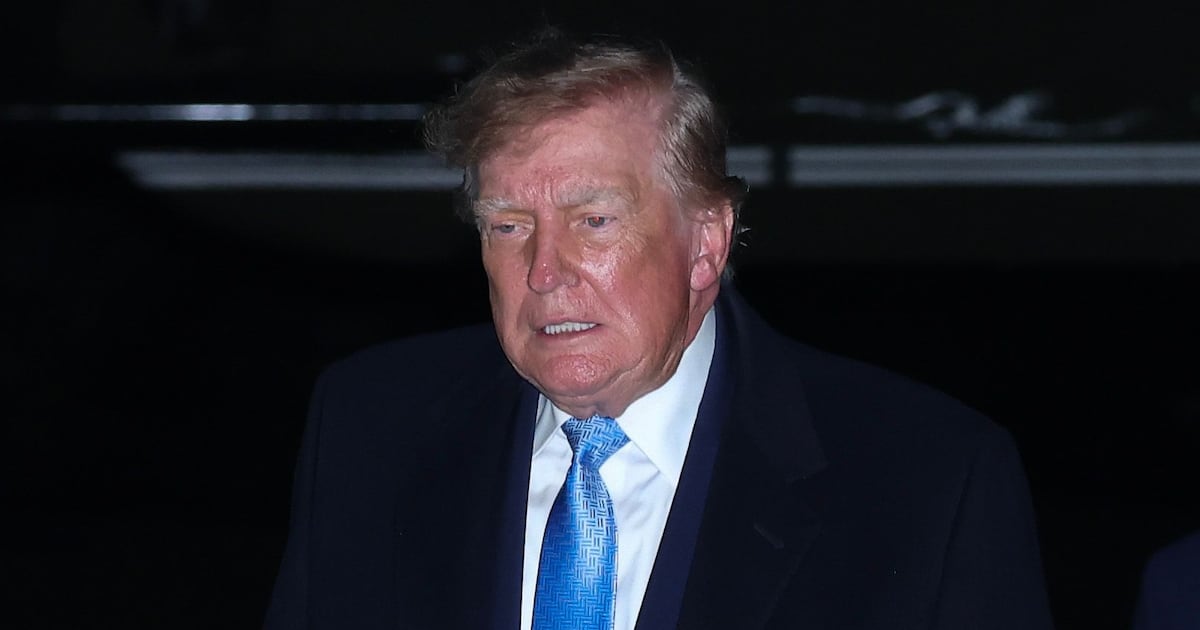
The fund was announced this week as part of a backroom deal with the Justice Department after Trump agreed to drop a $10 billion lawsuit against the Internal Revenue Service over the leaking of his tax records.
But critics say the structure of the fund gives Trump and his allies enormous influence over who receives taxpayer money, including the potential to compensate January 6 rioters who assaulted police.
In another stunning development, Acting Attorney General Todd Blanche also signed an agreement on Tuesday declaring the federal government was ”forever barred and precluded" from examining or prosecuting Trump, his sons, and the Trump organization’s current tax issues as part of the deal.
“I think this is one of the most outrageous, unethical things I have yet to see this administration do,” Michigan Congresswoman Debbie Dingell told CNN.
Asked about the backlash on Wednesday, Trump defended the scheme as “peanuts” for taxpayers because DOJ’s weaponization under previous administrations “destroyed the lives of many, many people.”
The president, who was criminally indicted four times and convicted for falsifying business records to cover up a sex scandal with a porn star, has long believed he is one of those people.
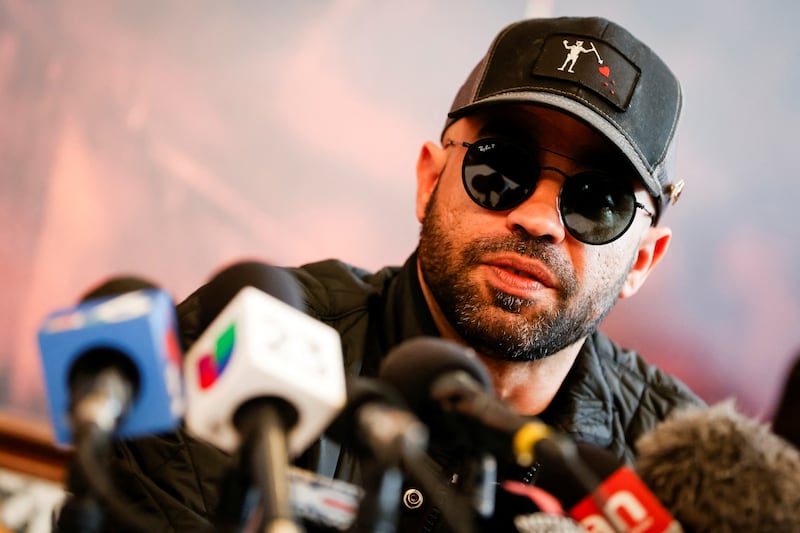
MAGA acolytes have already said they would be applying for compensation.
Among them is Mike Lindell, the CEO of MyPillow and a leading advocate of Trump’s claim that the 2020 election was stolen, who argues that his company lost $400 million because of perceived government weaponization.
Enrique Tarrio, the former Proud Boys leader who was sentenced to 22 years for “seditious conspiracy” in relation to the January 6 attack, also said he would apply, estimating his claim could be worth between $2 million and $5 million.
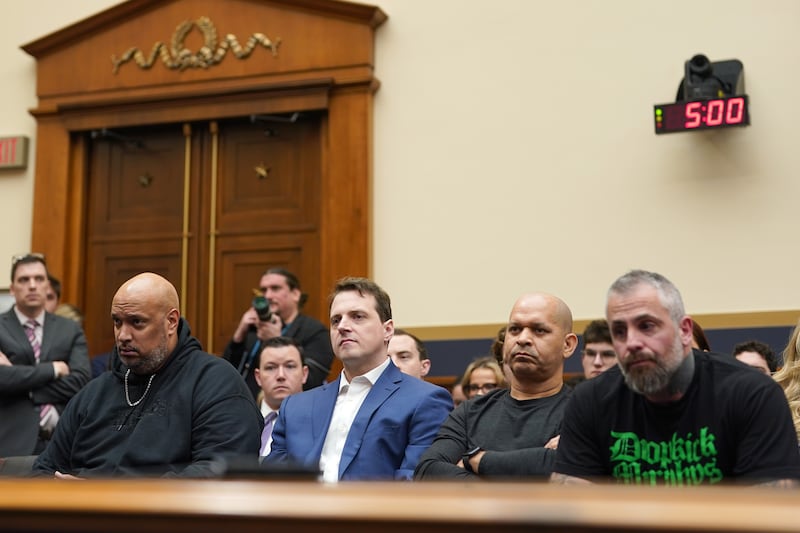
The fund has also prompted a federal lawsuit from former Capitol Police officer Harry Dunn and Metropolitan Police officer Daniel Hodges, who argued the initiative amounts to “the most brazen act of presidential corruption this century.”
The officers claim the fund could effectively finance extremists and embolden future political violence.