Far-right Canadian separatists trying to break up the country have spilled wild details of meetings with senior Trump officials.
The Alberta Prosperity Project, seen by many Canadians as “attention-seekers,” says that during the clandestine summits, they discussed everything from switching to the U.S. dollar to something much more sinister, according to NBC News.
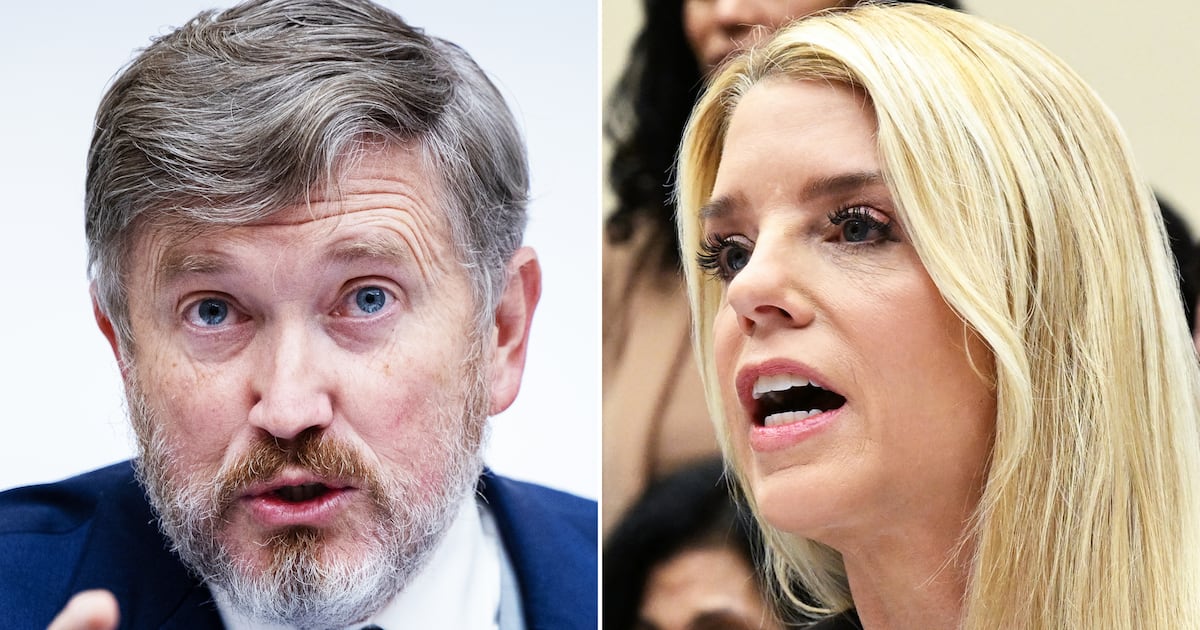
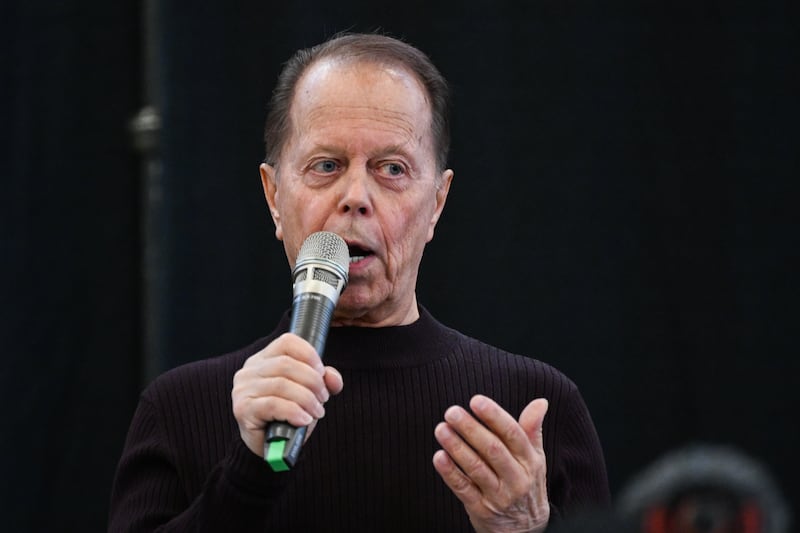
Dennis Modry, a co-founder of the group, told NBC News that border security, the Canadian pension plan, taxes, national debt, and the possible currency revamp were on the table. So was “the development of an independent military,” according to him.

“Alberta will also need its own military,” Modry said, adding, “And would the U.S. be willing to work with Alberta in the development of an Alberta military? That’s on the table for discussion.”
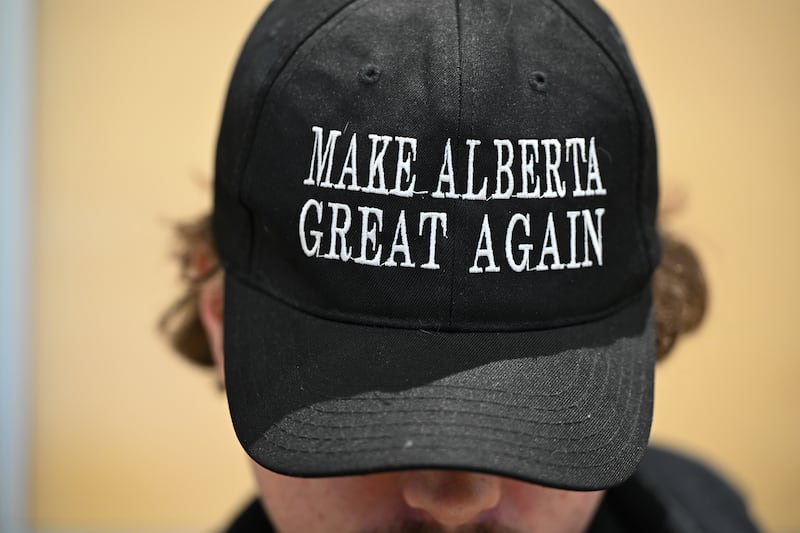
The group is a nonprofit organization and not a political party. Its goal is to shatter the union of modern Canada and become an independent sovereign nation because of what it sees as overtaxation and overregulation in Alberta, the conservative-leaning oil-rich province often described as the Texas of Canada.
The organization’s members are also rankled by concerns familiar to MAGA voters, namely immigration and a growing partnership between Canada and China.

Group leadership claims to have met with “very, very senior” officials in the Trump administration three times, with a fourth meeting slated in the coming weeks.
Modry said he attended the trifecta of meetings last year: one in April, one in September, and one in December. The separatists’ attorney, Jeffrey Rath, claimed the meetings were hosted at the State Department’s headquarters in Washington, D.C.
A senior State Department official said there will not be another meet-up. They also told NBC that no senior officials were present at the meetings, nor were any commitments made. The Daily Beast previously reported that the APP was seeking a $500 billion credit facility to help prop up the province financially if a yet-to-be-called independence referendum passes.
Both Modry and Rath refused to name what officials were present, which they claimed was a pre-determined condition of the covert summits. Modry also said the meetings were intended “to clarify that we were not advocating for Alberta to become the 51st state” of the U.S.
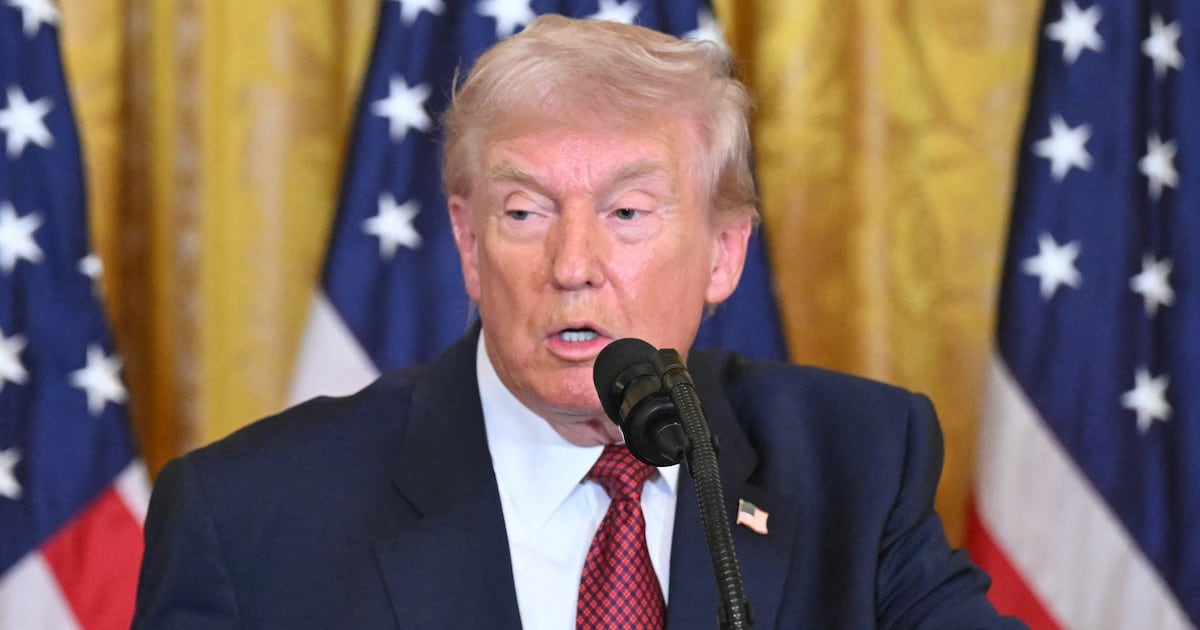
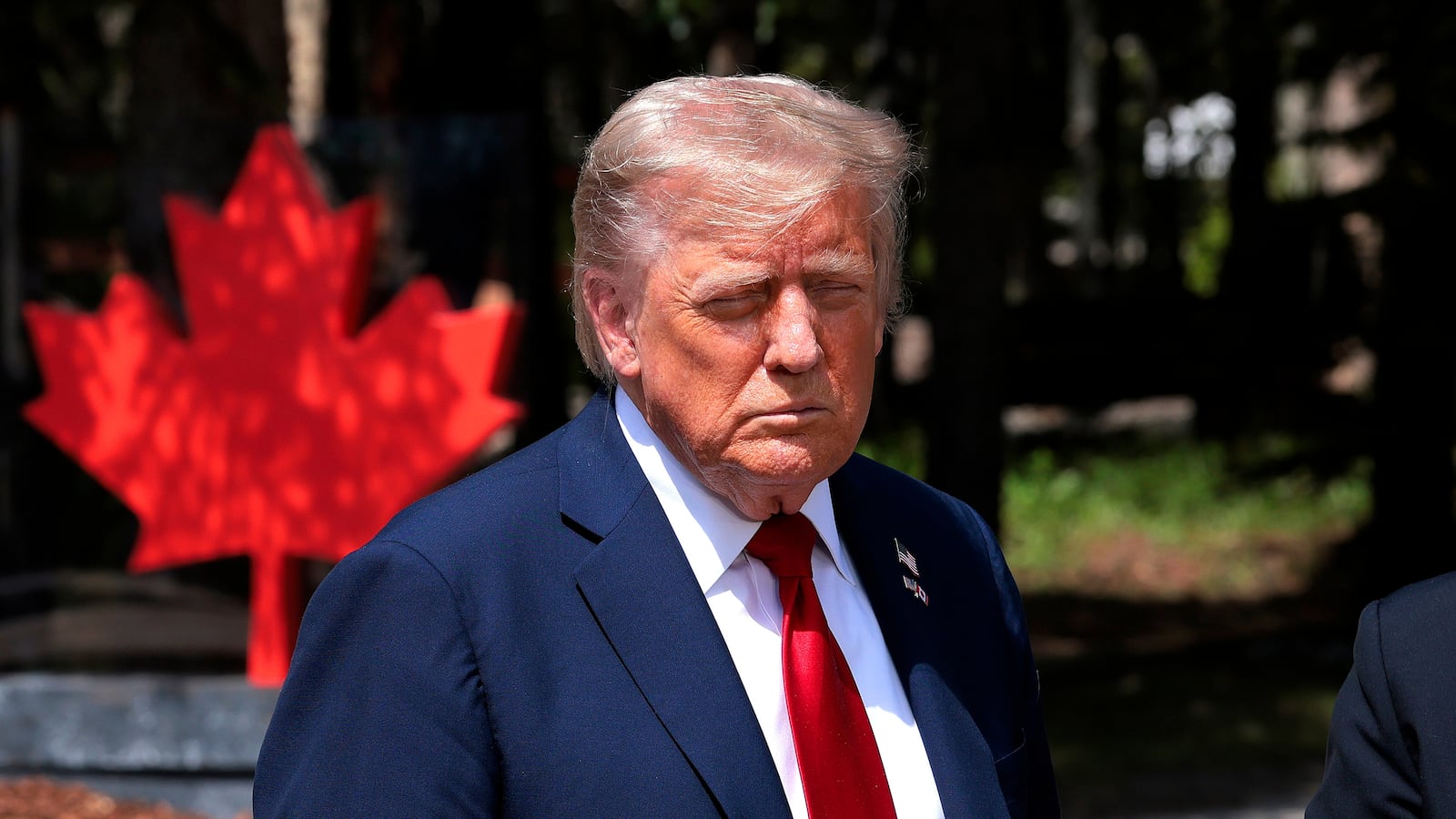
Early in his second term, President Trump famously had an obsession with making Canada the latest part of the union, and his administration has frequently butted heads with the Canadian government.
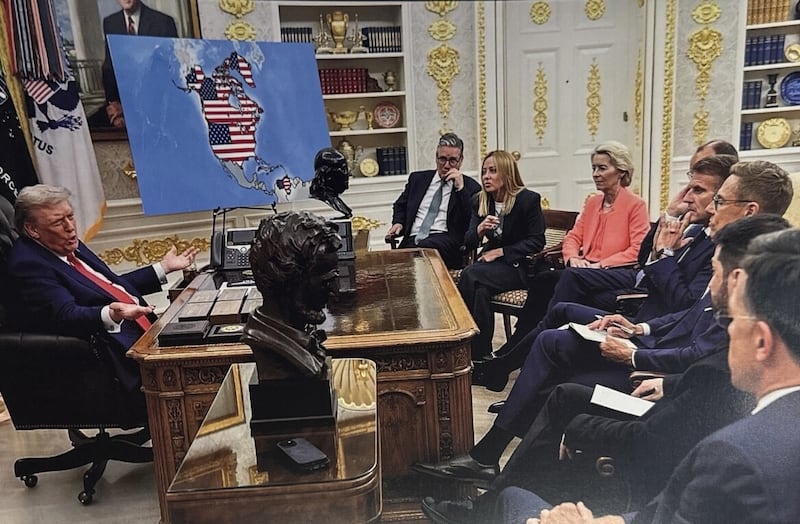
On Monday, the president posted to Truth Social moaning that Canada “has treated the United States very unfairly for decades.”
A former senior career U.S. diplomat described the secret meetings with separatists as “irresponsible as hell” and “highly unusual,” especially with a country so deeply intertwined with the U.S.
“It’s really irresponsible for the United States to be engaging with these kinds of people, because it just encourages behavior that cannot be in the U.S. national interest,” they told NBC News.
“The key issue here is how the current administration sees the use of radical conservative groups as part of its foreign policy strategy,” said Michael Williams, a politics professor at the University of Ottawa.
Canadian Prime Minister Mark Carney used a speech in Davos, Switzerland, last month to call out Trump for creating a “rupture” in the existing world order. He also told reporters at the end of January that he expects “the U.S. administration to respect Canadian sovereignty.”
Also at Davos, Treasury Secretary Scott Bessent appeared to try to stoke the flames of a rift in an interview with right-wing streaming channel Real America’s Voice. Handing the APP a boost, he said: “They have great resources. The Albertans are very independent people; rumor [is] that they may have a referendum on whether they want to stay in Canada or not.”

“Sounds like you may know something up there?” host Jack Posobiec responded.
“People are saying, people are talking,” Bessent said. “People want sovereignty. People want what the U.S. has got.”
Ipsos polling conducted last month, however, suggests that more Albertans are happy being part of Canada than not.