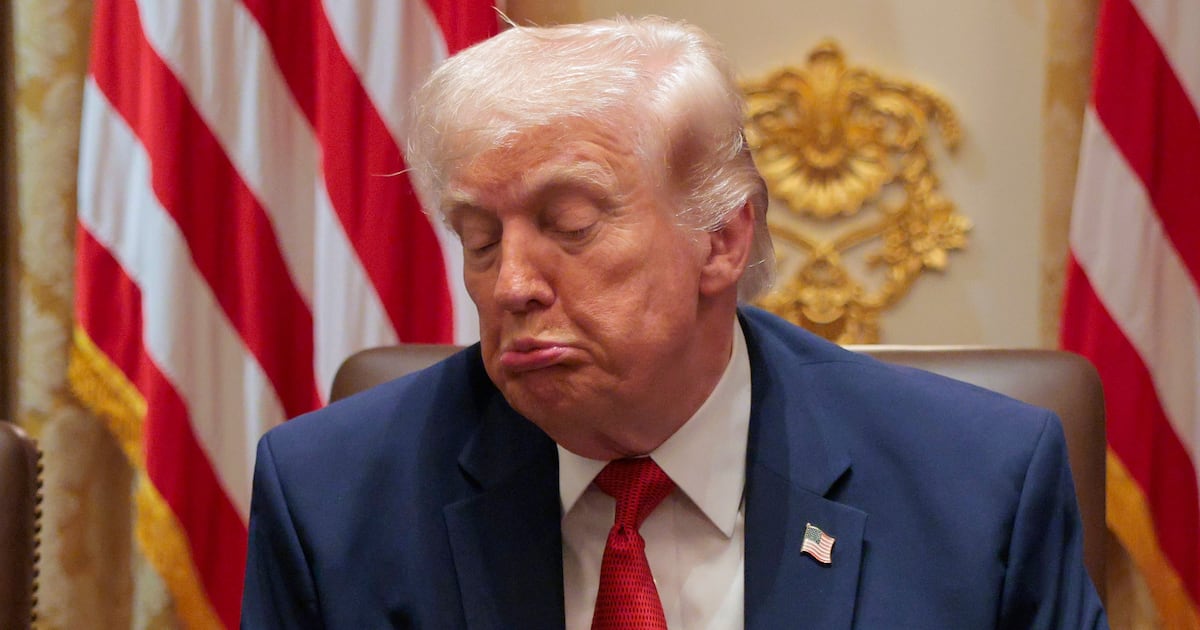
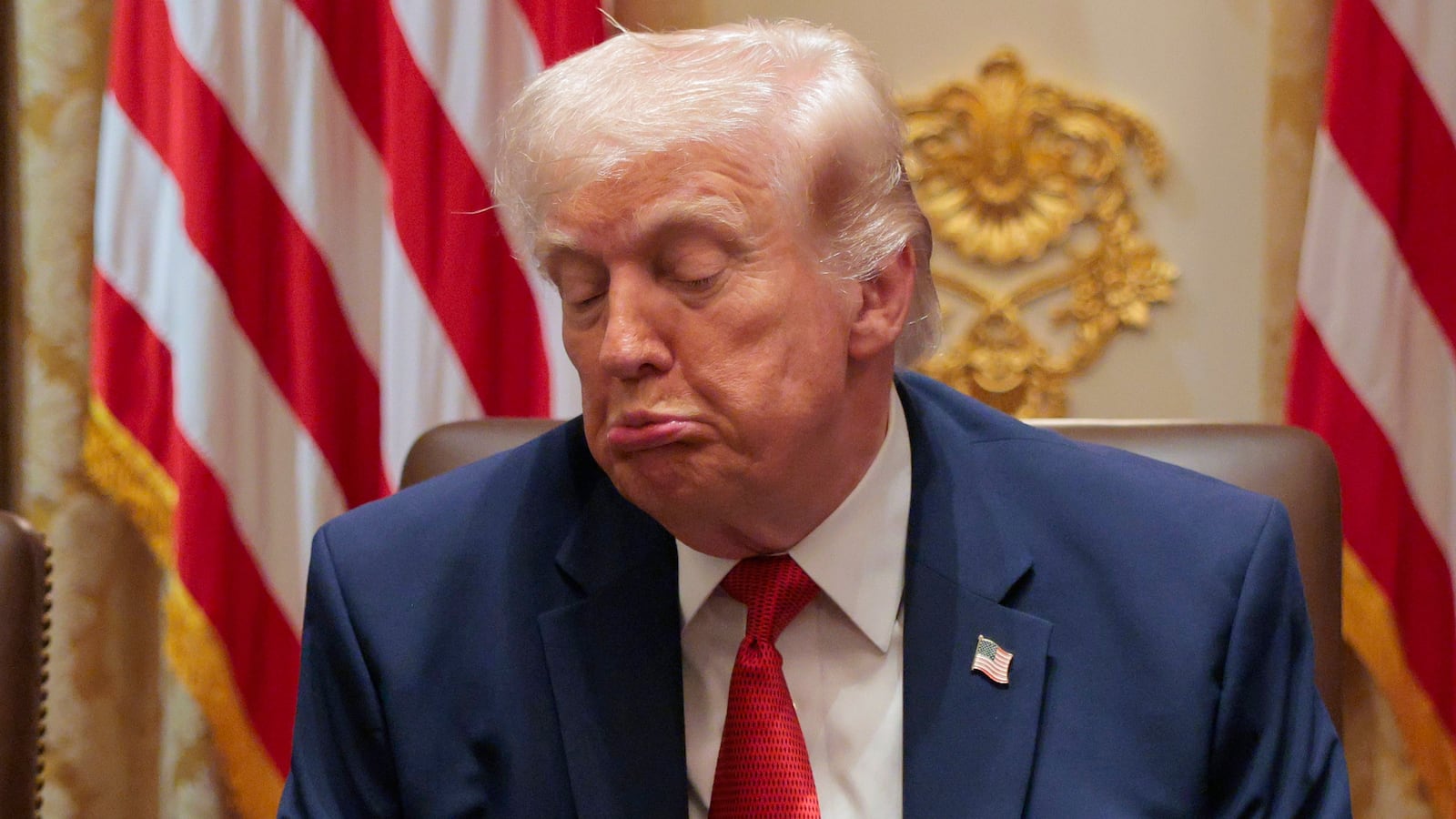
Donald Trump abruptly exited the Supreme Court on Wednesday after some of his own conservative justices did not appear convinced by his bid to upend birthright citizenship in America.
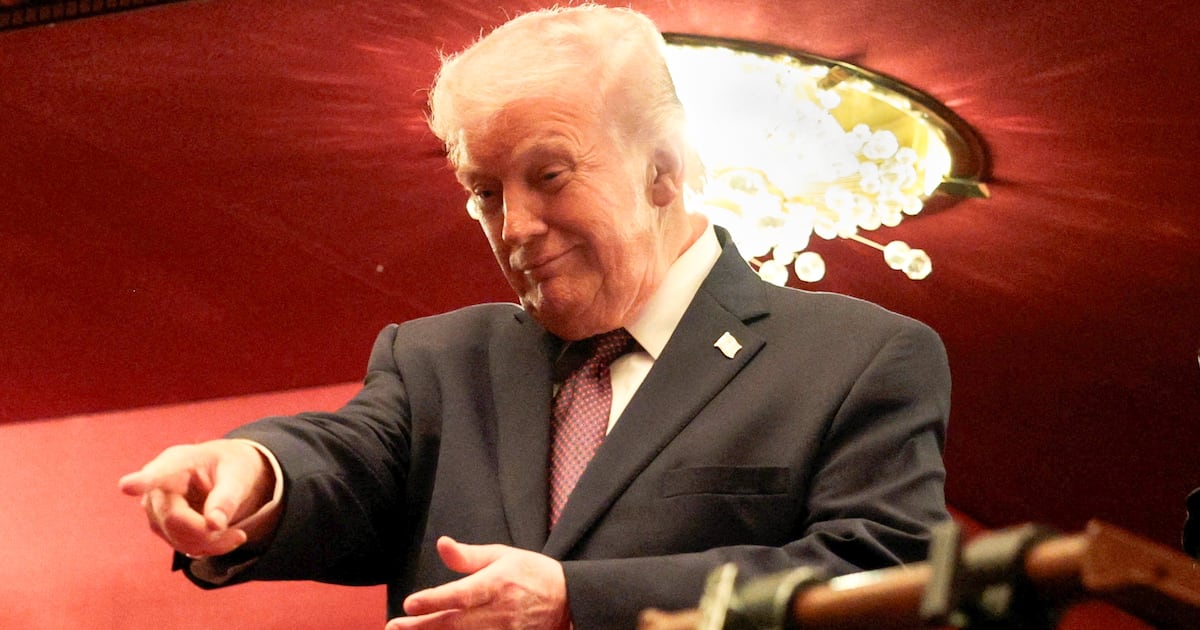
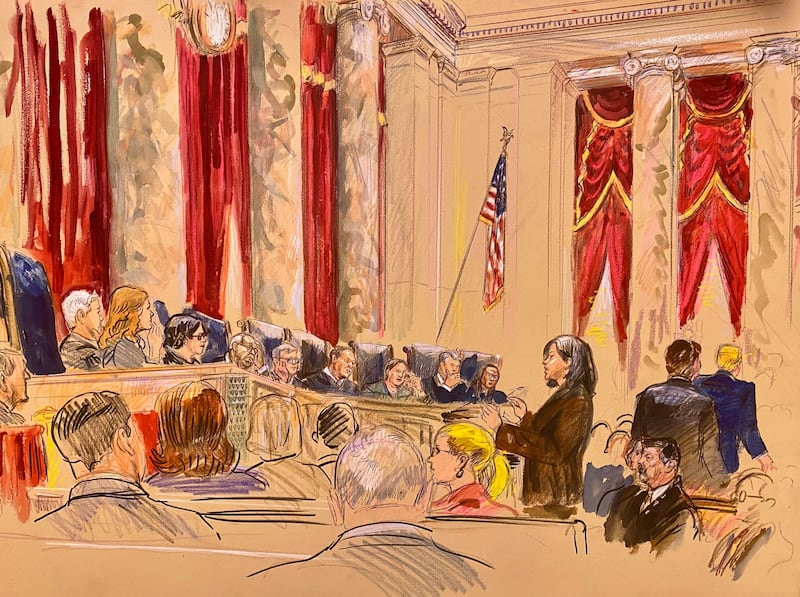
Trump made the unprecedented decision to sit in on oral arguments, staring down the court’s nine justices as they quizzed his lawyers on one of the most consequential constitutional questions they face this year: whether all children born in the United States can continue to automatically receive citizenship.
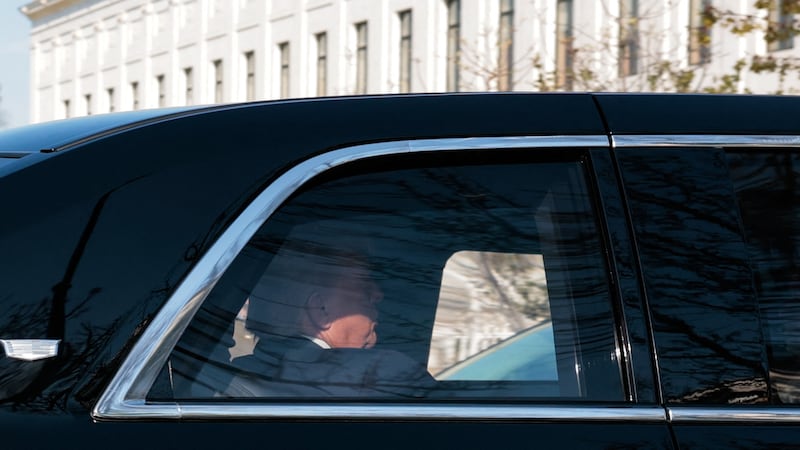
But after less than 90 minutes of watching several of his own handpicked justices tear his arguments apart, the president abruptly left.
The Daily Beast watched as his motorcade exited the Supreme Court and zipped down Independence Avenue at about 11.25 am.
“We are the only Country in the World STUPID enough to allow “Birthright” Citizenship!" he posted on Truth Social after returning to the White House, ignoring the fact that dozens of countries confer citizenship at birth with no conditions.
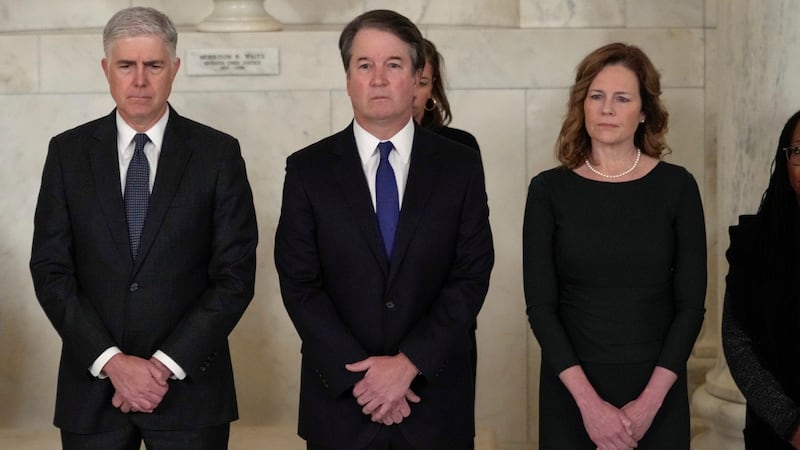
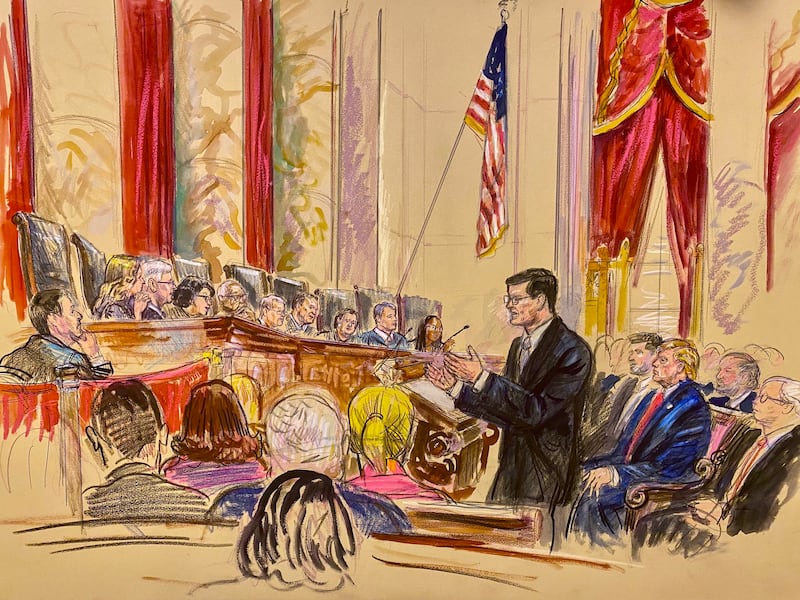
The president, who believes that the Constitution does not guarantee automatic citizenship to all individuals born on U.S. soil, sat silently as justices—including several of his own appointees—openly questioned the legal foundation of his claims.
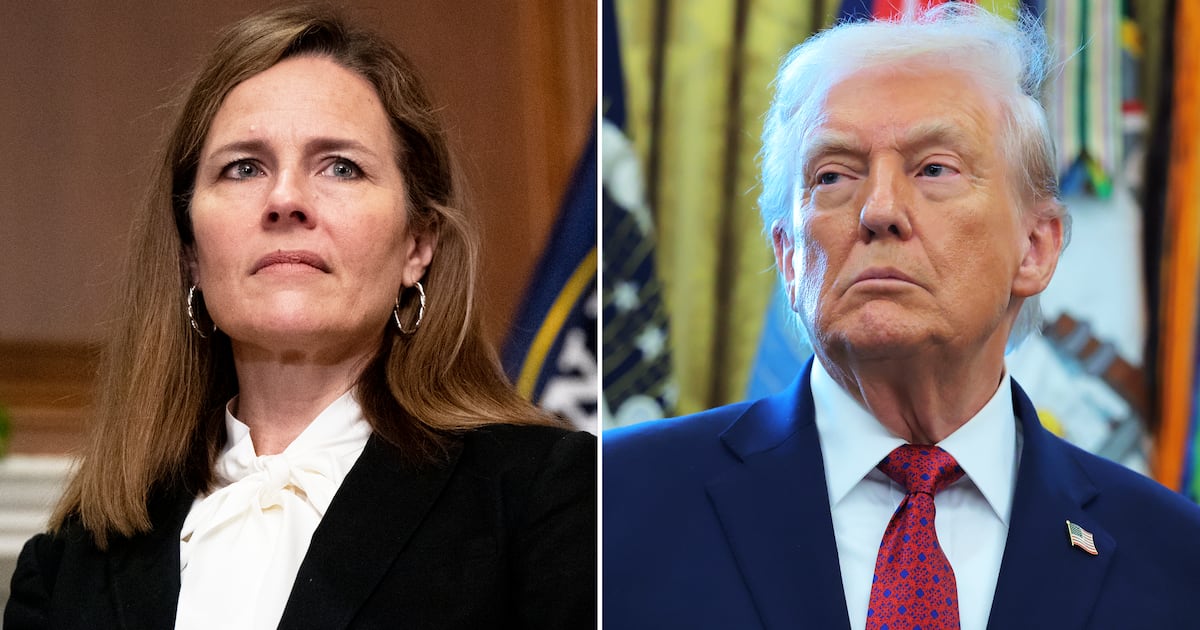
At the center of the skepticism was Trump appointee Amy Coney Barrett, who pressed Trump’s lawyer, John Sauer, on the historical understanding of the 14th Amendment.
This was adopted in 1868 after the Civil War to ensure that formerly enslaved people, and all persons born in the U.S, were granted full citizenship and protection under the law.
“You say the purpose of the 14th Amendment was to put all newly freed slaves on equal footing and so they would be citizens,” Barrett said. “But that’s not textual. So how do you get there?”

Justice Neil Gorsuch, who was also appointed by Trump, added to the pressure Sauer faced, asking the seasoned Solicitor General: “Do you think Native Americans are birthright citizens under your test?”
“Ah, I think... so,” he replied, somewhat unconvincingly. “I’ll have to think that through.”
And Chief Justice John Roberts, another conservative on the bench, also had something of a mic-drop moment when Sauer tried to make the point that “we’re in a new world where eight billion people are one plane ride away from having a child who’s a U.S citizen.”
Roberts replied: “It’s a new world. It’s the same Constitution.”
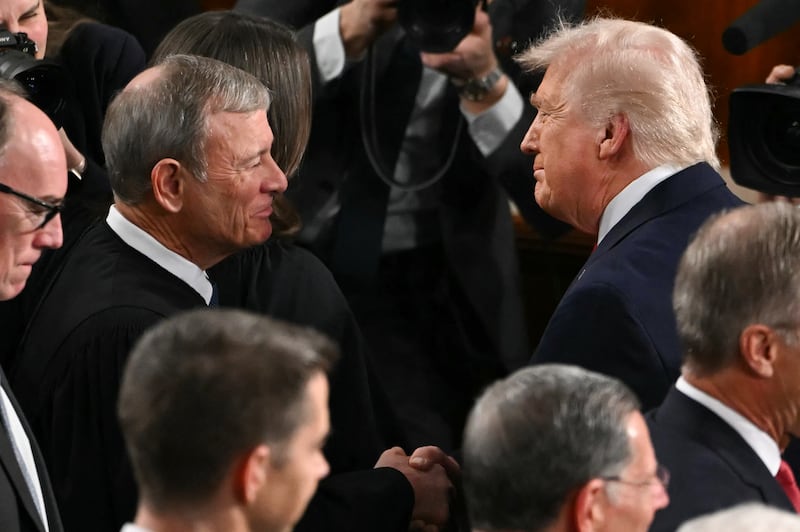
Wednesday was not the first time Trump has left a court hearing when things were not going his way.
In January 2024, during closing arguments in the E. Jean Carroll damages trial against him, Trump abruptly stormed out of the court as Carroll’s lawyer Roberta Kaplan was telling jurors he was a liar who thinks “the rules don’t apply to him.”

E. Jean Carroll and her attorneys Shawn Crowley and Roberta Kaplan react outside the Manhattan Federal Court, after the verdict in the second civil trial was reached after she accused former President Donald Trump of raping her decades ago, in New York City on Jan. 26, 2024.
Brendan Mcdermid/ReutersThis time, the president arrived at the court with Attorney General Pam Bondi shortly before the hearing began at 10am, but left not long after the ACLU’s lawyer began making arguments to counter the administration’s.
The next appointment on his schedule, an Easter lunch at the White House, which is mere minutes from the court in a motorcade, was not for another hour.
Outside, protesters demonstrated with signs with words such as “Due Process” and “Born in the U.S.A. = true American.”
“The 14th Amendment needs to be protected so I wanted to be here with my family and my colleagues to make sure that we’re standing up for our rights,” Roslyne Shiao told the Daily Beast.
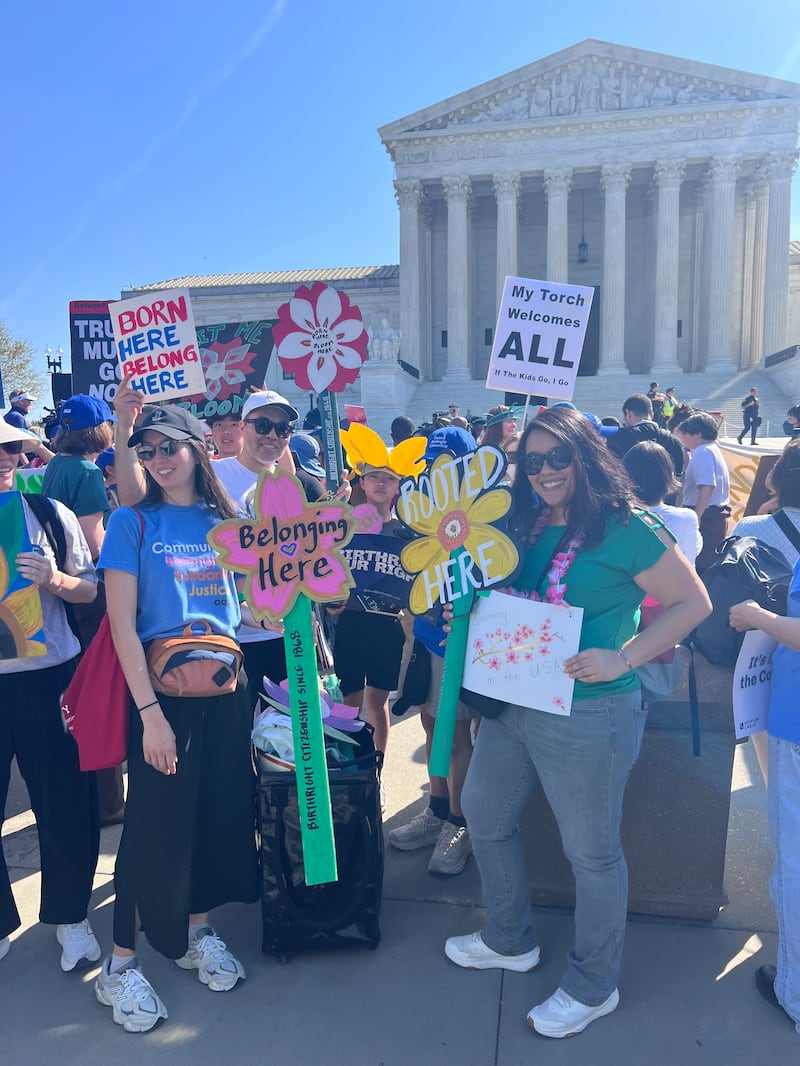
Asked about Trump’s decision to attend the hearing in person, she said she was surprised “but at the same time, he’s such a bully, so in a sense I’m not surprised at all.”
The hearing at the Supreme Court centers on Trump’s 2025 executive order directing federal agencies to deny citizenship to children born in the United States unless at least one parent is a citizen or lawful permanent resident.
Trump’s executive order upends the traditional understanding of the provision of the 14th Amendment known as the citizenship clause, which states “all persons born or naturalized in the United States, and subject to the jurisdiction thereof, are citizens of the United States. The phrase “subject to the jurisdiction thereof” is now being questioned.
Lower courts have blocked the order as unconstitutional, citing the Supreme Court’s 1898 ruling in United States v. Wong Kim Ark, which affirmed birthright citizenship for children born to noncitizen parents.
A ruling in Trump’s favor, while highly unlikely according to legal scholars, could fundamentally redefine the meaning of citizenship in the United States, affecting as many as 250,000 children born each year.
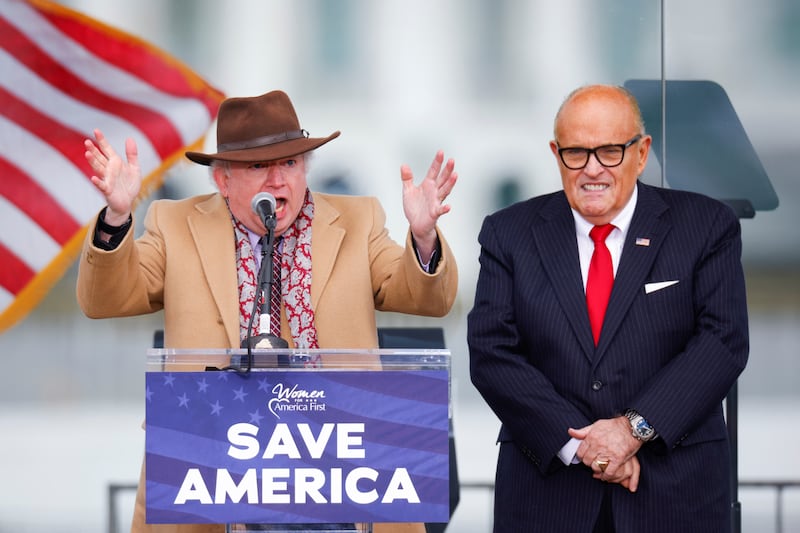
Behind the legal push is John Eastman, a conservative attorney who has long promoted a fringe theory that the Constitution does not guarantee citizenship to children of noncitizens. Eastman, who was disbarred over his role in efforts to overturn the 2020 election, was spotted outside the court on Wednesday.

Celebrity chef and activist Jose Andrés was also outside the court and gave a rousing speech to the crowd.
“Today is not about defending a constitutional right,” he said. “Today is about so much more: today is about defending the pure idea of what America is and will be.”