An American citizen said ICE agents smashed his car windows and jailed him for eight hours for monitoring their operations—then dangled cash to get names of relatives and protest leaders.
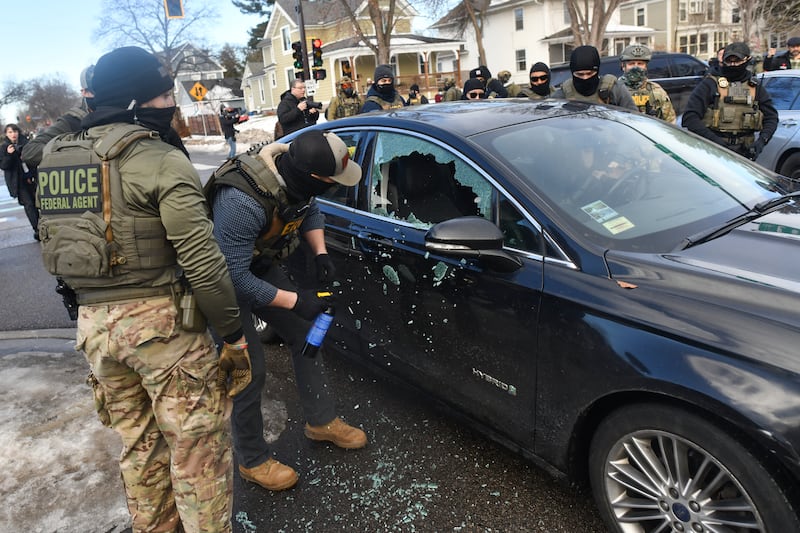
Brandon Sigüenza, 32, and his friend Patty O’Keefe, 36, were pulled out of their vehicle after its windows were smashed and then taken into custody for observing the agents in Minneapolis, he said.
Along with detailing what he described as appalling conditions inside the jail, Sigüenza alleged that three agents from Homeland Security Investigations—ICE’s criminal investigations arm—made an offer that “shocked” him.
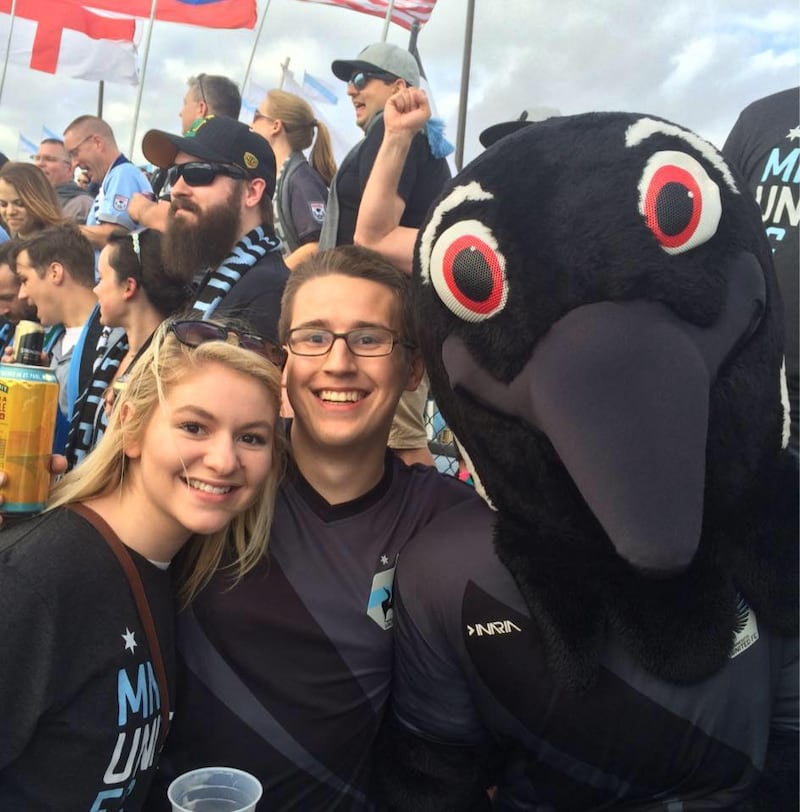
“They insinuated that they could help me out... that they could offer undocumented family members of mine legal protection if I have any (I don’t), or money, in exchange for giving them the names of protest organizers, or undocumented persons. I was shocked, and told them no,” Sigüenza wrote on Facebook.
His claim comes amid the largest immigration enforcement push ever mounted in Minnesota, with about 2,000 agents deployed as part of Operation Metro Surge, and just days after ICE agent Jonathan Ross shot dead 37-year-old mother Renee Nicole Good in Minneapolis—a killing that has fueled mass demonstrations.

Sigüenza’s experience, he wrote, began while he and O’Keefe were “doing legal observation” of an ICE operation—that is, standing near a protest, police operation, or immigration raid to watch and document what law enforcement is doing, rather than taking part in the protest itself—as they had done before.
He wrote that ICE agents then “stopped their cars to harass” the pair, adding: “They sprayed pepper spray into the vent of our vehicle.

“They surrounded us, smashed the windows of our car, opened the doors (they were unlocked), ripped my friend and I out of the car and arrested us on charges of obstruction.”
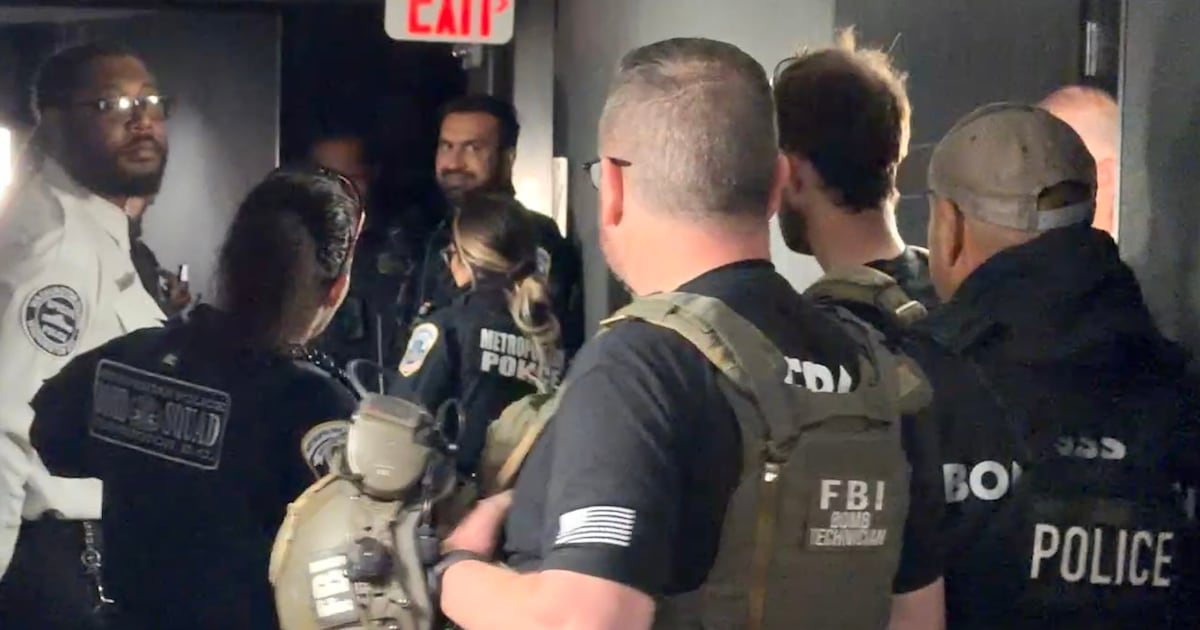
Sigüenza said he was separated from O’Keefe, shoved into an unmarked SUV, and taunted as agents tore a whistle from his neck and refused to buckle his seatbelt or loosen tight handcuffs. Inside the Bishop Henry Whipple Federal Building at Fort Snelling, he said he watched what looked like a deportation machine in overdrive.
“I saw dozens of brown people being processed in an unheated garage,” he wrote. Agents appeared “confused and overwhelmed,” unable to open doors or work phones and complaining about poor cell service.
From his small cell for U.S. citizens, Sigüenza said he could see and hear terrified detainees. “The people in the cells were extremely scared. We heard people screaming ‘let me out!,’ crying, wailing and terrified screams,” he wrote.
“I distinctly remember seeing a desperate woman… staring at the ground with her head in her hands crying, hopeless, while her friend or family member sat on a bathroom seat observed by 3 men.”
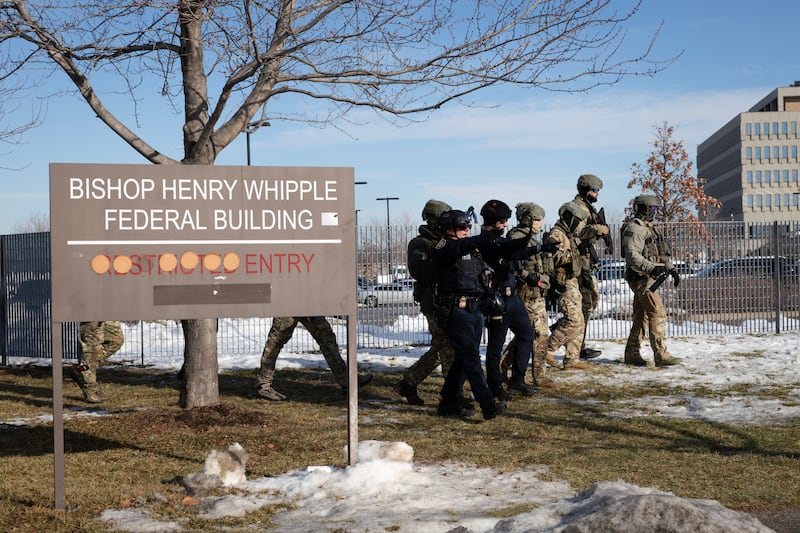
Sigüenza claimed access to food, water, and bathrooms was erratic at best. Intercom pleas went unanswered. In his cell, he recounted, agents brought in other men with injuries from their arrests—one with his shirt ripped open and an injured toe, another with “a cut on his head” after being tackled by several officers—who, he wrote, were never offered medical care.
Then came what Sigüenza, who is Hispanic, described as the crude attempt to turn him into an informant, which he rejected out of hand.
After about eight hours, Sigüenza said he was released without charge, but was initially denied the chance to call his wife. He was eventually allowed to use an agent’s phone and was then escorted toward a protest area outside the building. Within minutes, he wrote, tear gas was fired, and he was struck by a paintball round.
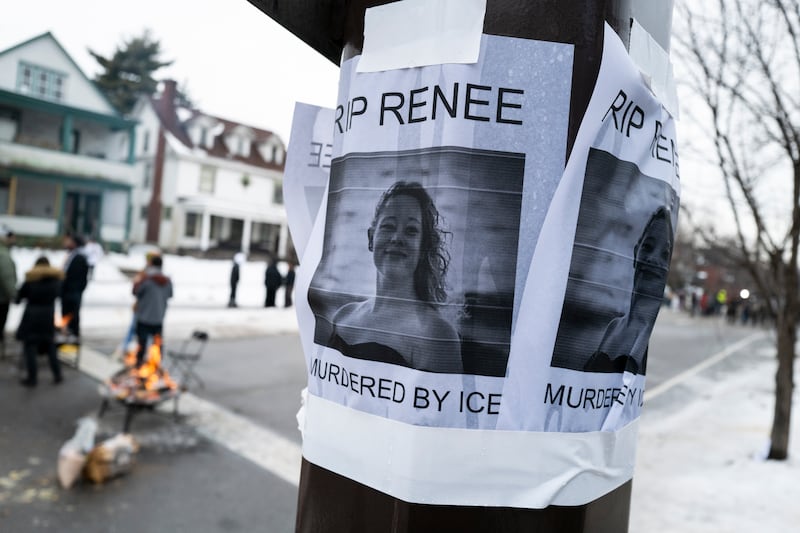
Sigüenza said that at no point did he feel concerned for himself as “I knew that I was being released... that as a citizen of the United States I have legal protection.”

But, he added: “The hundred or so other people being detained had no such protection.… If this is happening to me, an American citizen born in the United States, then what is happening to the people in here that have no one calling lawyers on their behalf?"
Speaking to KARE 11 News on Tuesday, Sigüenza said of his experience, “They tried to make me feel powerless, and I left feeling very powerful. They tried to make me feel hopeless and I left feeling very hopeful. I don’t think this can last.”
The Daily Beast has contacted the Department of Homeland Security for comment.