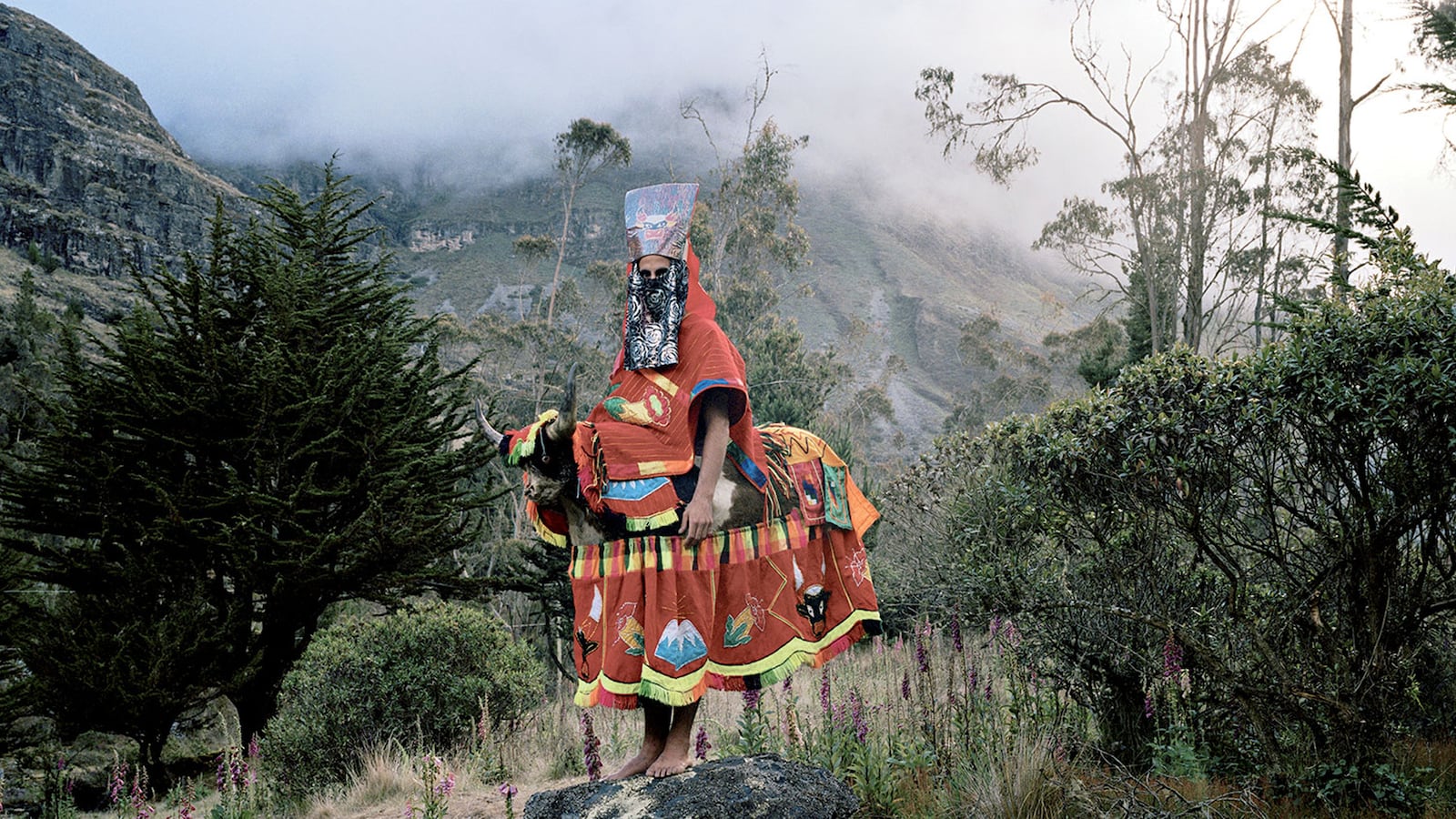
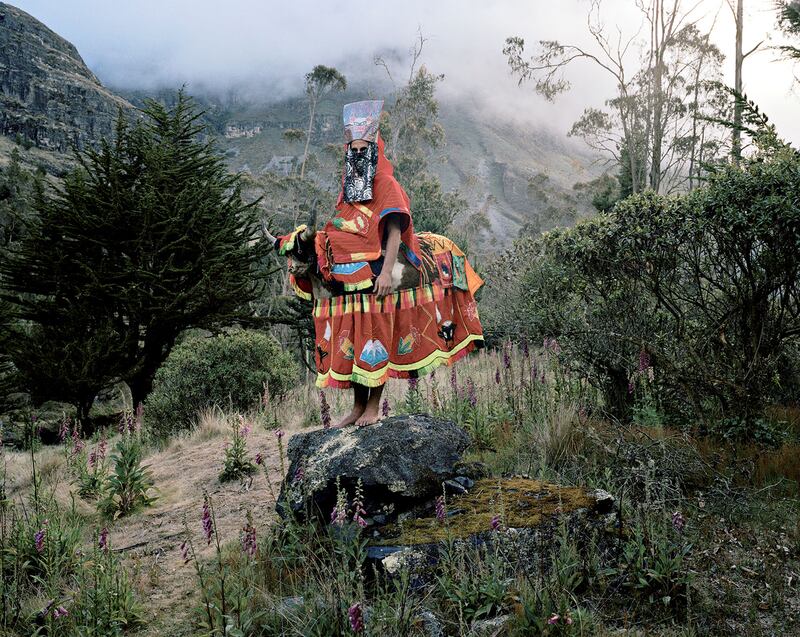
In a trip to the Altiplano region of Bolivia, photographer Thomas Rousset and designer Raphael Verona created dreamy images of fantastic costumes of the Orureños people, from Oruro, an indigenous people who practice a blend of Roman Catholicism and Aymara mythology, including a worship of the Mother Earth.
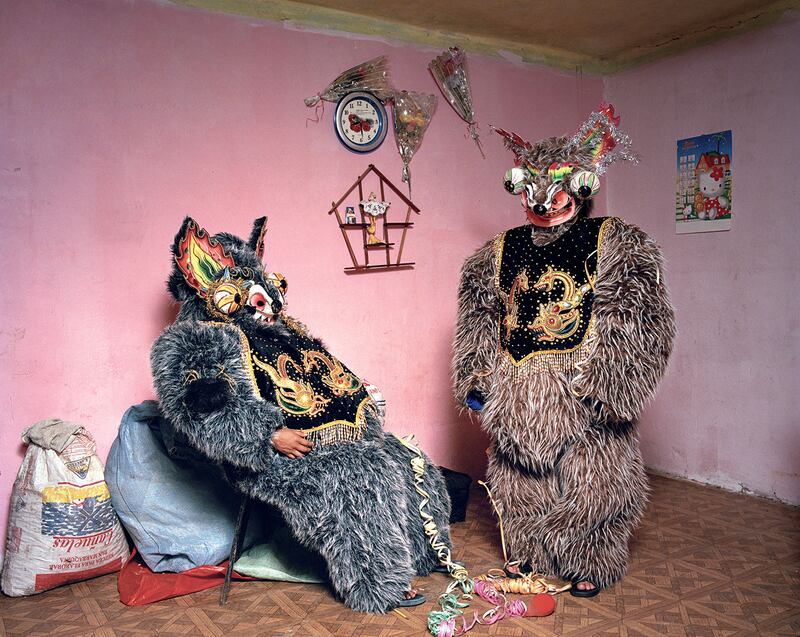
The artists posed the people, often in scenes from their everyday lives, but in their ceremonial costumes — worn usually only in festival season — to create a blend of dreaming and waking, myth and reality.
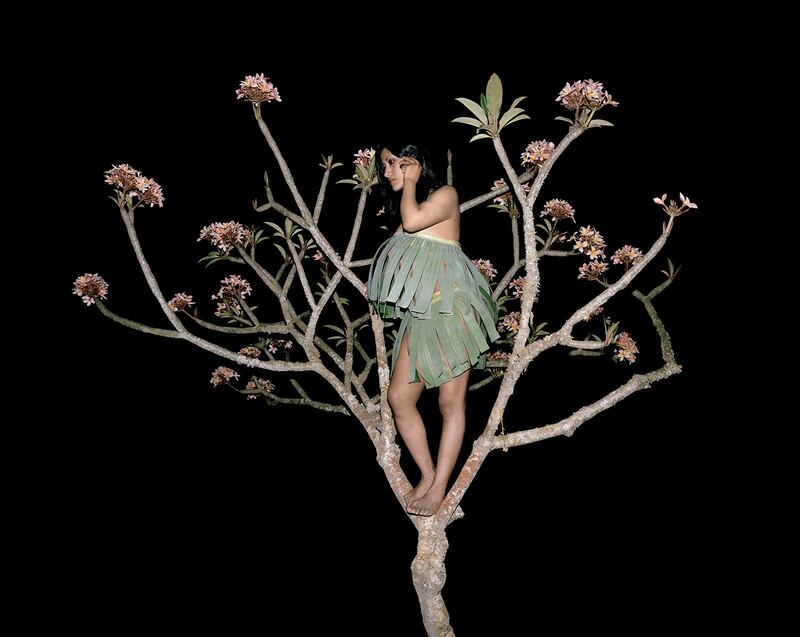
They published the photos in a book called "Waska Tatay," described by the publisher as wanting to "question our relationship to reality: we were struck by how myths come to life when they are shared in the collective unconscious, which is mainly what we wanted to show."
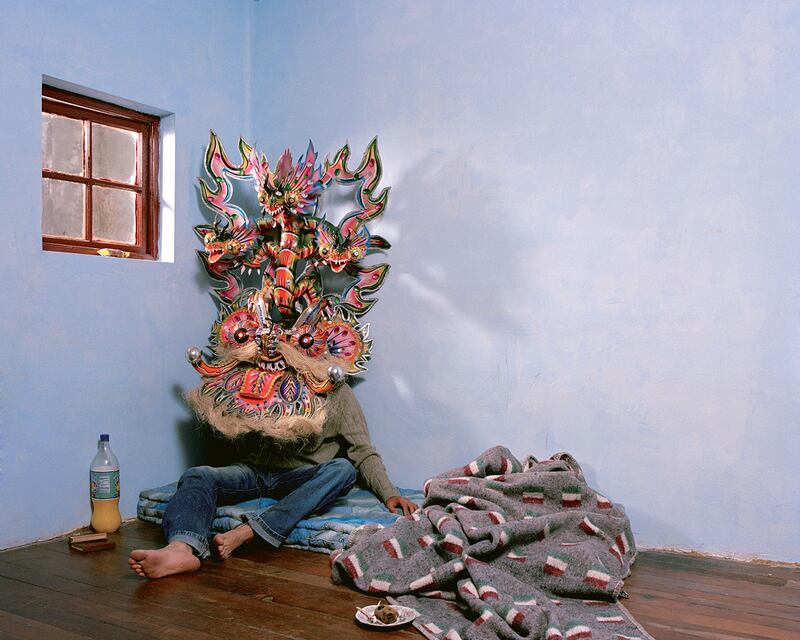
"Waska Tatay," true, focuses on Bolivian witch doctors (yatiris), but also on the role in everyday life played by myth, legend and belief.
Raphael Verona and Thomas Rousset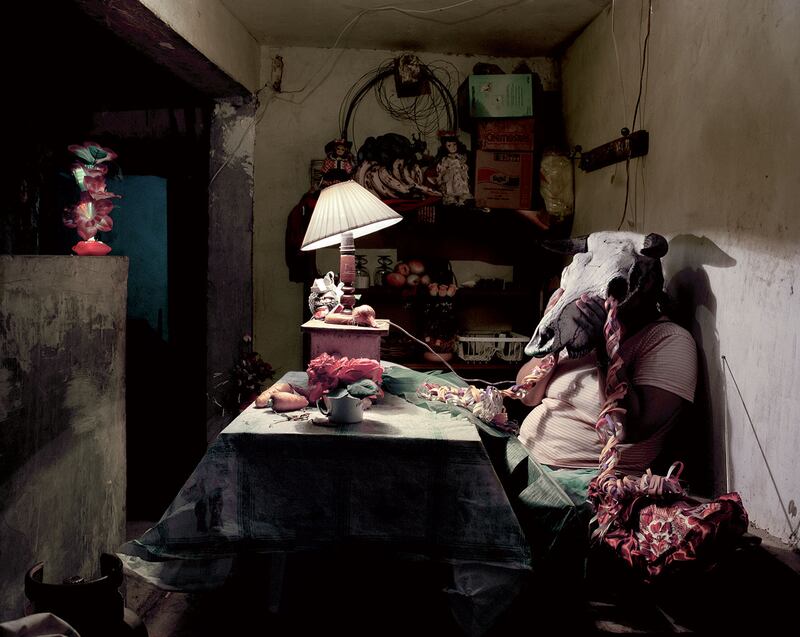
Yatiris are shamans and healers of the Orureños people, and often tell fortunes as well. In the markets of La Paz, plant leaves and animal parts can be bought as offerings for the yatiris.
Raphael Verona and Thomas Rousset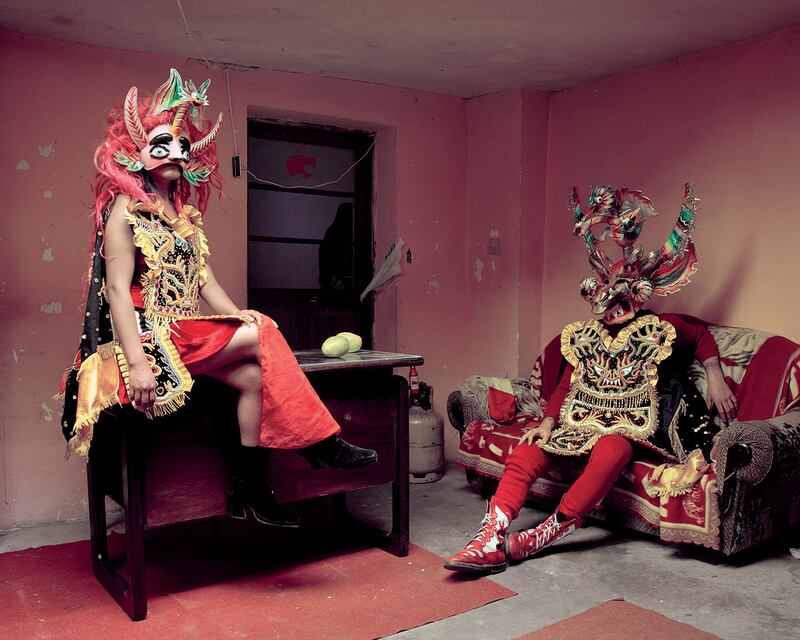
"Tuesdays and Fridays, ordinary people are more vulnerable to harmful spirits and to the evil eye. The world of mortals is then porous. Sorcerers invoke and liberate harmful forces in the Kay Pacha, this world; the air becomes saturated with these cruel designs that become almost palpable." — From "Waska Tatay"
Raphael Verona and Thomas Rousset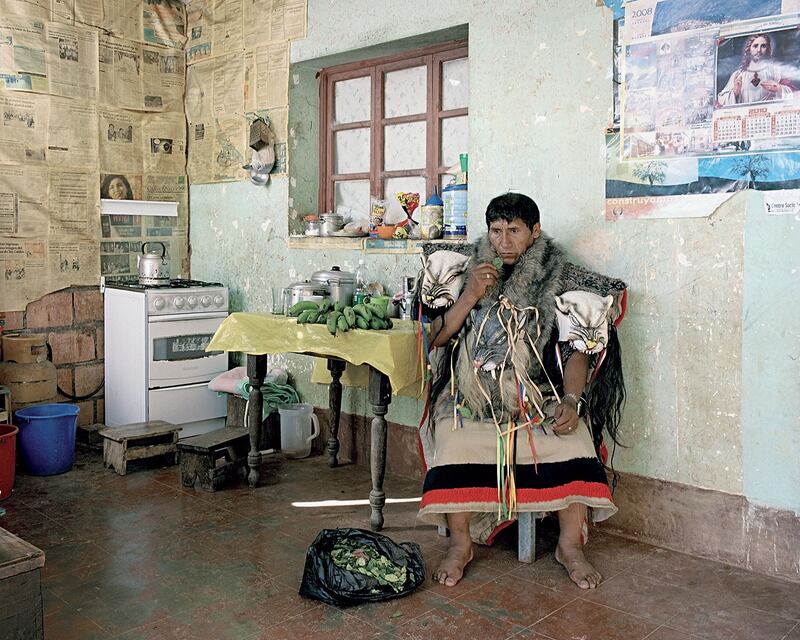
"To conjure the evil eye, you must not fall asleep before the start of the following day. Sleeping makes you softer, and you would then be at his mercy. You must gather with your peers—compadres and comadres—converse, discuss together and smoke tobacco." — from "Waska Tatay"
Raphael Verona and Thomas Rousset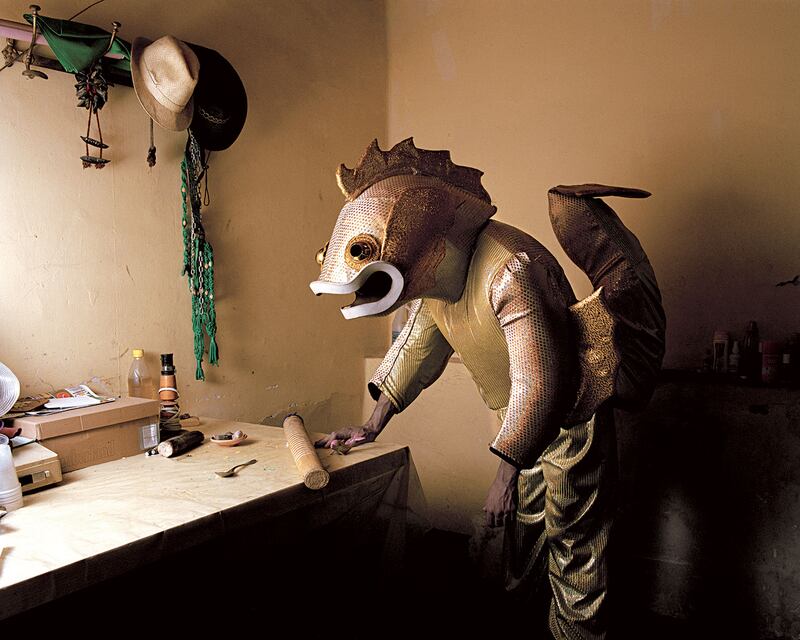
"You must smoke on Tuesdays and Fridays. When exhaling the smoke, you send back the air charged with evil spells to the sender." — "Waska Tatay"
Raphael Verona and Thomas Rousset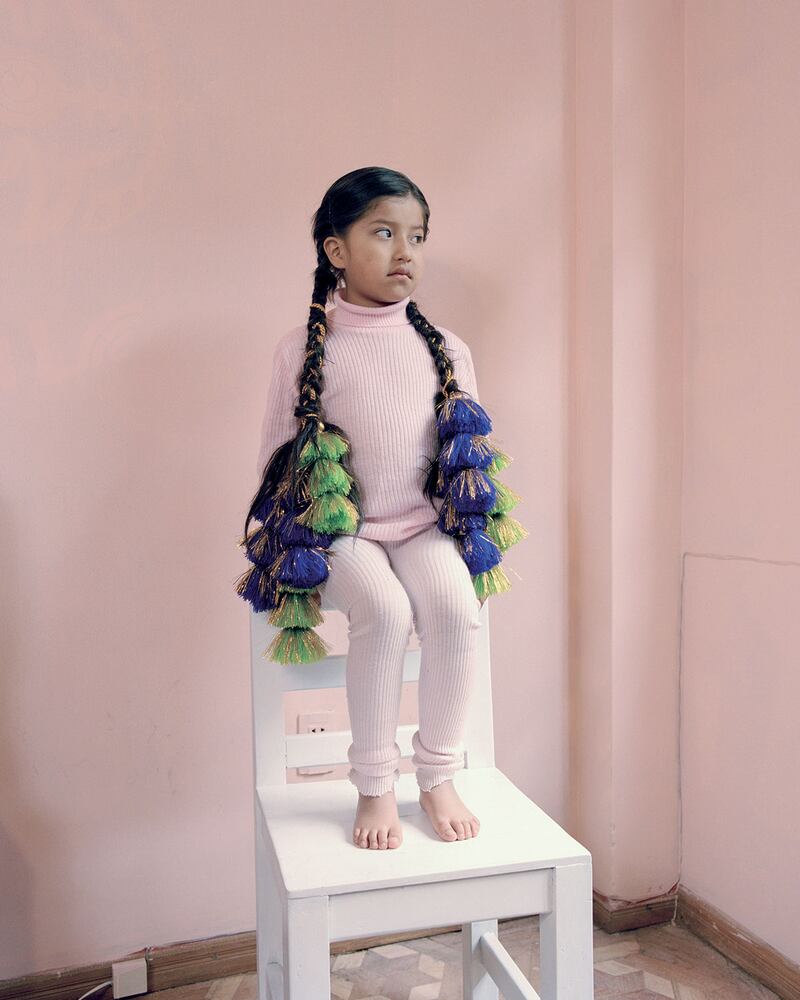
"Today’s Oruro inhabitants, descendants of the Urus, inherit the enduring memory of Wari’s sentence generation after generation. The unexpected intervention of the divine Ñusta who saved their ancestors was simulta- neously rooted in their memories. The Ñusta had petrified the calamities launched by the revengeful god—their geological imprints."
Raphael Verona and Thomas Rousset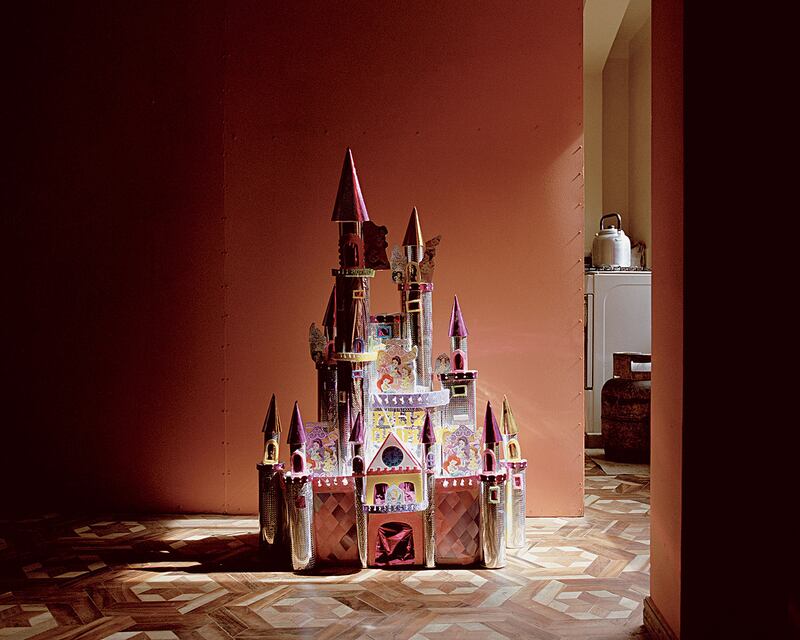
"His presents are not only material goods, shining cars or comfortable apartments; not only does he offer employment contracts and success guaranteed in business, support for obtaining university diplomas and Green Cards, but he also sows marriages and divorces."
Raphael Verona and Thomas Rousset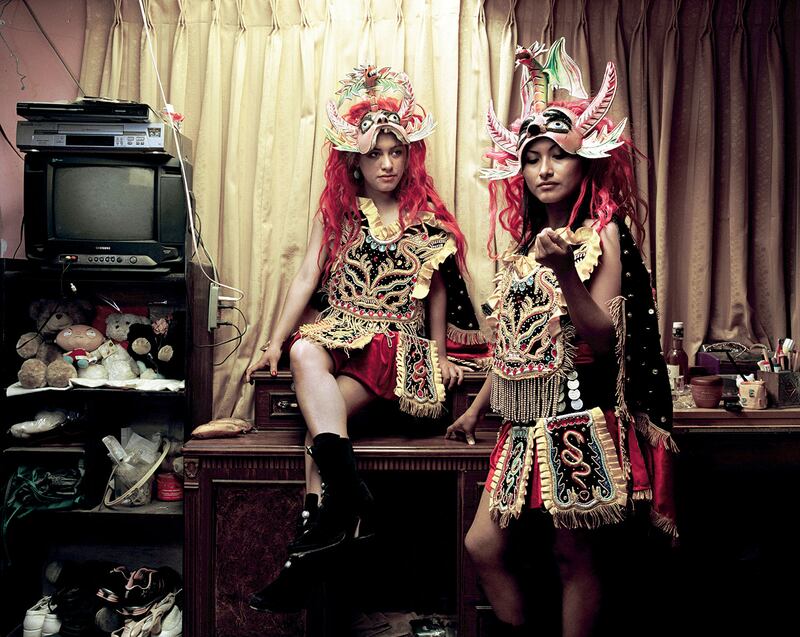
"Over the course of the year, the new costumes realized by the best hands blossom; the entire city is bustling with all these preparations.
"Until finally, the new extravagant orna- mented costumes shine in daylight.
"It is carnival."
Raphael Verona and Thomas Rousset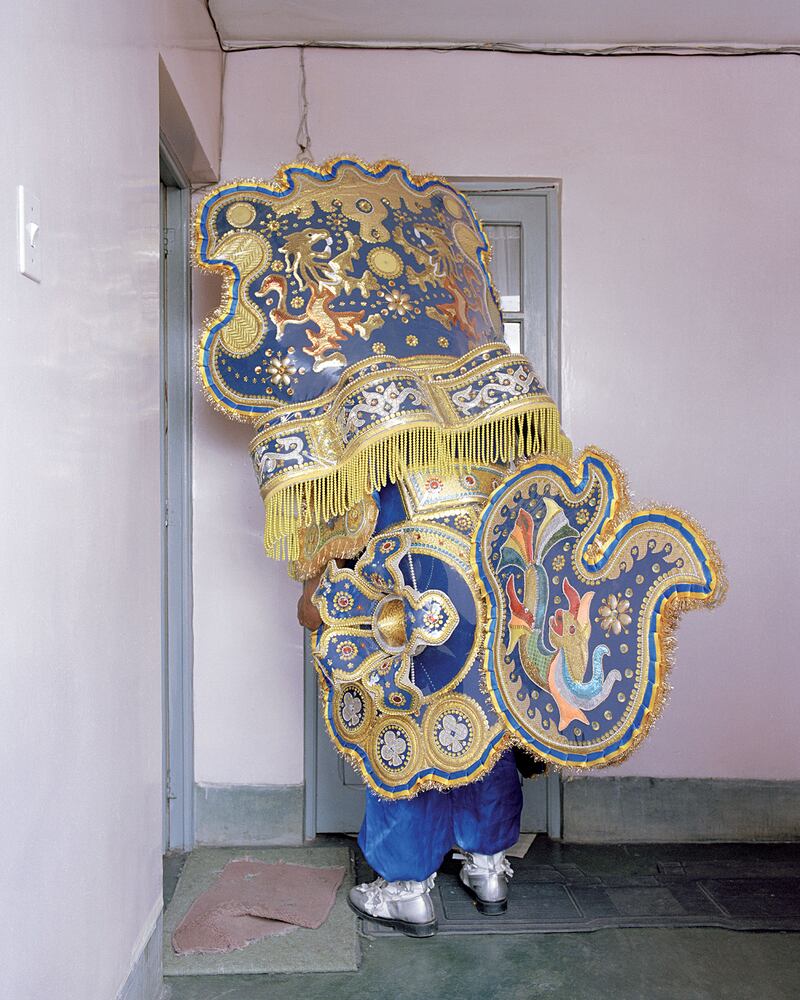
“Waska Tatay” is published by IDPURE éditions and available for purchase on its Web site.
Raphael Verona and Thomas Rousset