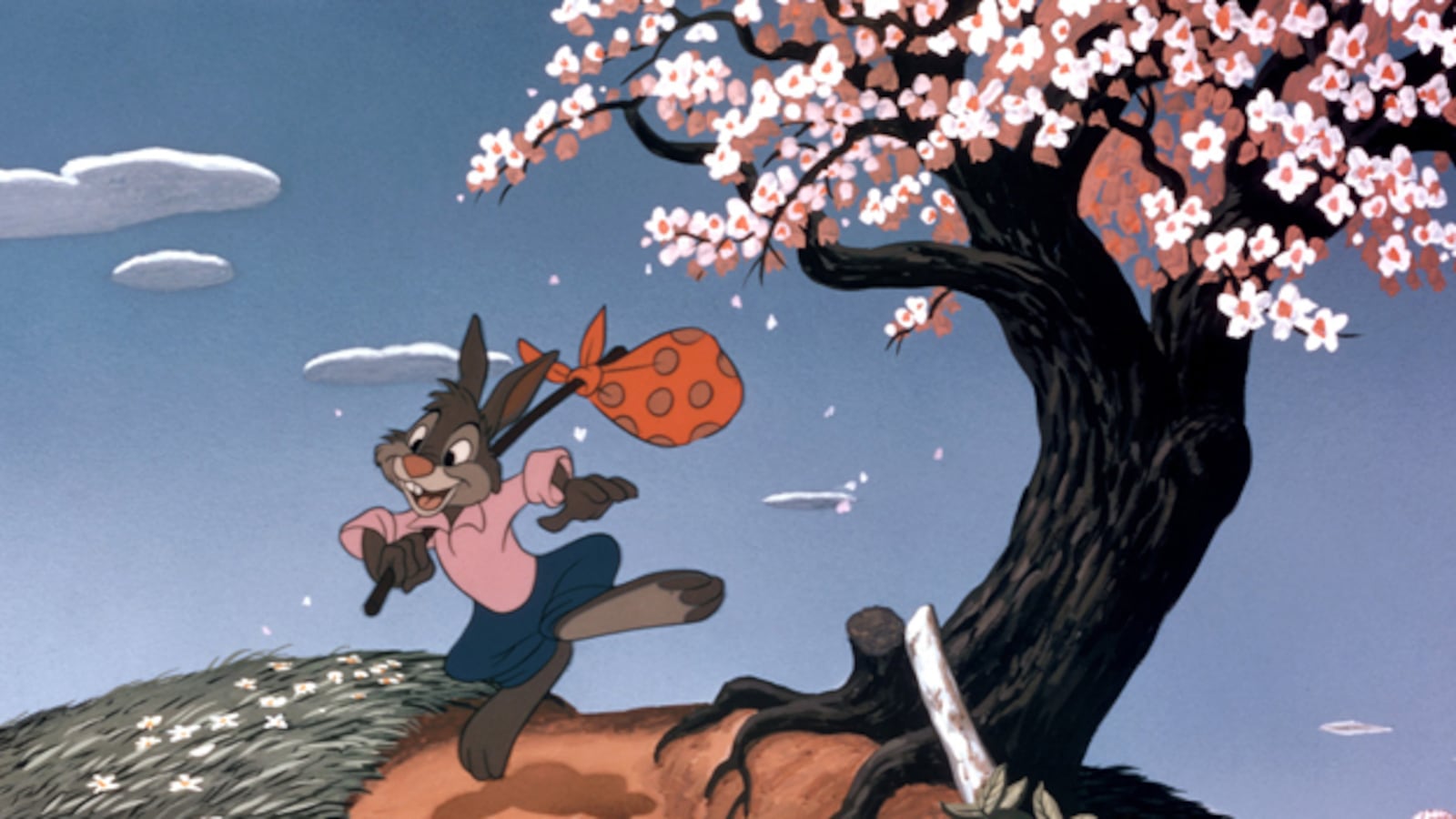
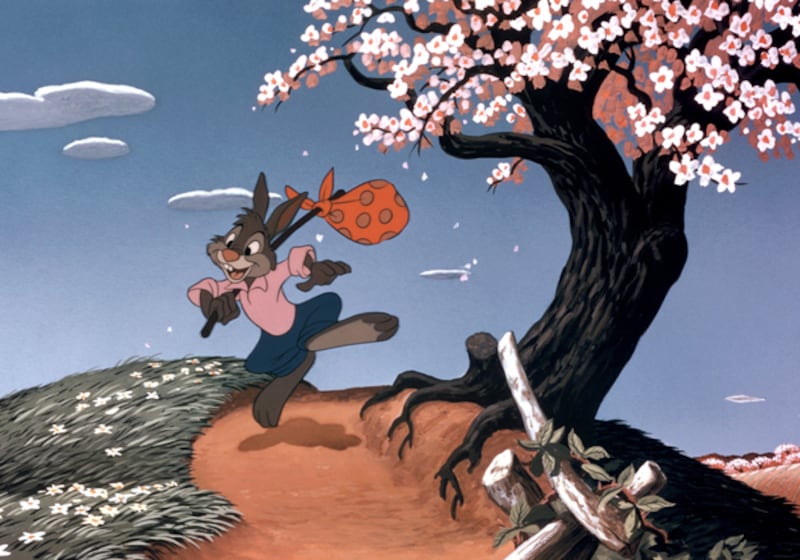
Br'er Rabbit is a central character in the Uncle Remus folktales adapted by Joel Chandler Harris and published in 1881. The stories originated from Cherokee myths and African-American tales in which Br'er Rabbit is a trickster figure, constantly outsmarting his adversaries, Br'er Fox and Br'er Bear. In 1946, Walt Disney adapted several of the stories in the animated movie, Song of the South, including "The Laughing Place," "The Tar Baby," and "The Briar Patch." Disney's version of the stories is more humorous, with Br'er Rabbit surfacing as lovable trickster and the movie's folk hero. The Uncle Remus stories occasionally cast Br'er Rabbit in a sinister light as a trickster whose clever cons aren't always admirable. They also incorporate more direct references to slavery and racism.
Everett Collection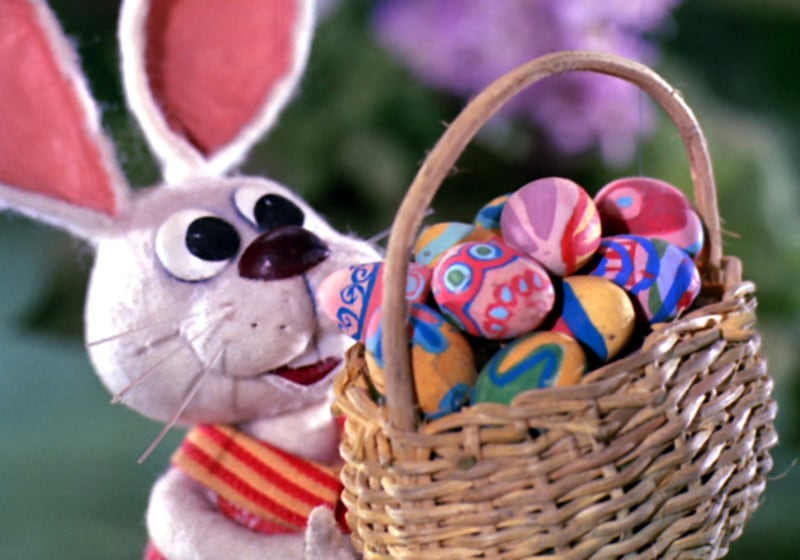
Peter Cottontail was originally conceived in 1914 by children's story writer Thornton W. Burgess. But Thornton's adventuresome bunny really rose to fame in 1949, when Steve Nelson and Jack Rollins wrote the catchy tune, "Here Comes Peter Cottontail." In 1971, Thornton co-wrote a TV special of the same name, based on a 1957 book entitled The Easter Bunny That Overslept. In 2005, the show was made into a far less memorable movie sequel.
Everett Collection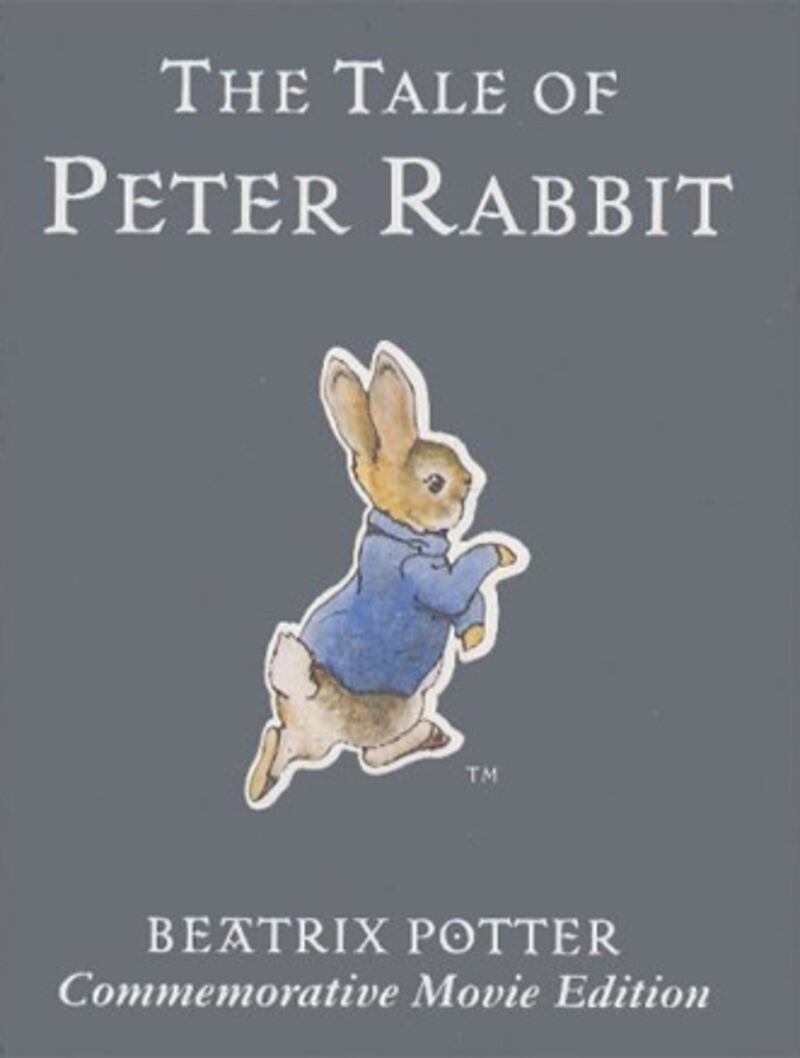
We have Beatrix Potter to thank for the classic children's stories featuring the anthropomorphic character Peter Rabbit, along with his mother Mrs. Josephine Rabbit and three sisters: Flopsy, Mopsy, and Cotton-tail. In 1902, Potter brought Peter to life in The Tale of Peter Rabbit, in which a naughty Peter sneaks into Mr. McGregor's garden where he "ate some lettuces and some French beans; and then he ate some radishes." Peter is chased out by Mr. McGregor and loses his jacket and shoes while running away. He returns home without his clothes and with a tummy ache to Mrs. Rabbit's chagrin, and is sent to bed with a dose of chamomile tea. Arguably one of the bestselling children's books of all time (it has sold 40 million copies worldwide), The Tale of Peter Rabbit is a staple in all family bookshelves, along with Beatrix Potter's many other stories such as The Tale of Benjamin Bunny, The Tale of the Flopsy Bunnies, and The Tale of Mr. Tod.
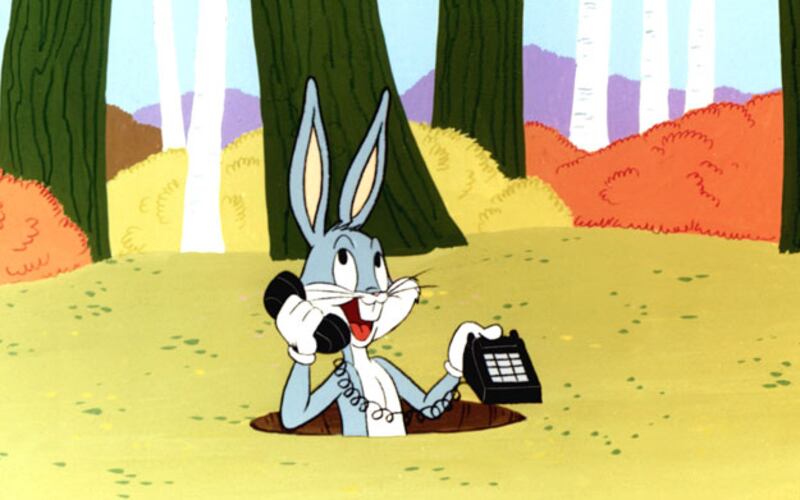
Bugs Bunny was one of the original characters of the Looney Tunes cartoon series, making his first real appearance on the show in 1940. In his debut episode, A Wild Hare, Bugs is pursued by hunter Elmer Fudd, who he torments when he emerges from his hole to say tauntingly, "What's up, Doc?" It's still the trademark phrase of this famous "wabbit," and Bugs is the biggest face of the show today.
Everett Collection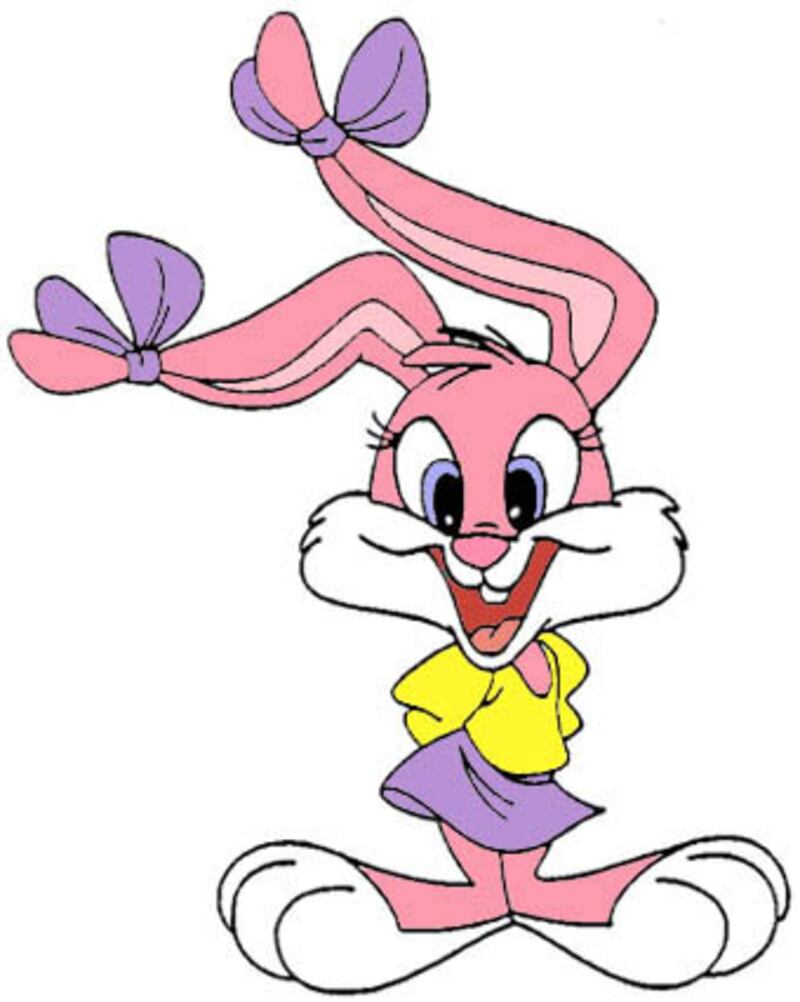
Barbara Anne "Babs" Bunny, along with her best friend Buster, is the star of the Warner Bros. series, Tiny Toon Adventures. Though she's only a teenager, Babs is a natural performer known for her comedic impersonations of other fictional characters like Wonder Woman, in addition to real-life celebrities. Among those often parodied in her comic routine are Charlie Brown, Popeye, Roger Rabbit, along with Dolly Parton, Marilyn Monroe, and Margaret Thatcher. Babs often transforms her long floppy ears into wigs, hats, and other props during her performances. She's sassy, smart, and the most popular girl at Acme Looniversity. But she's got a weakness for her co-host Buster: In It's a Wonderful Tiny Toon Christmas Special, she melts into a pink puddle after he gives her a big smooch as a Christmas gift.
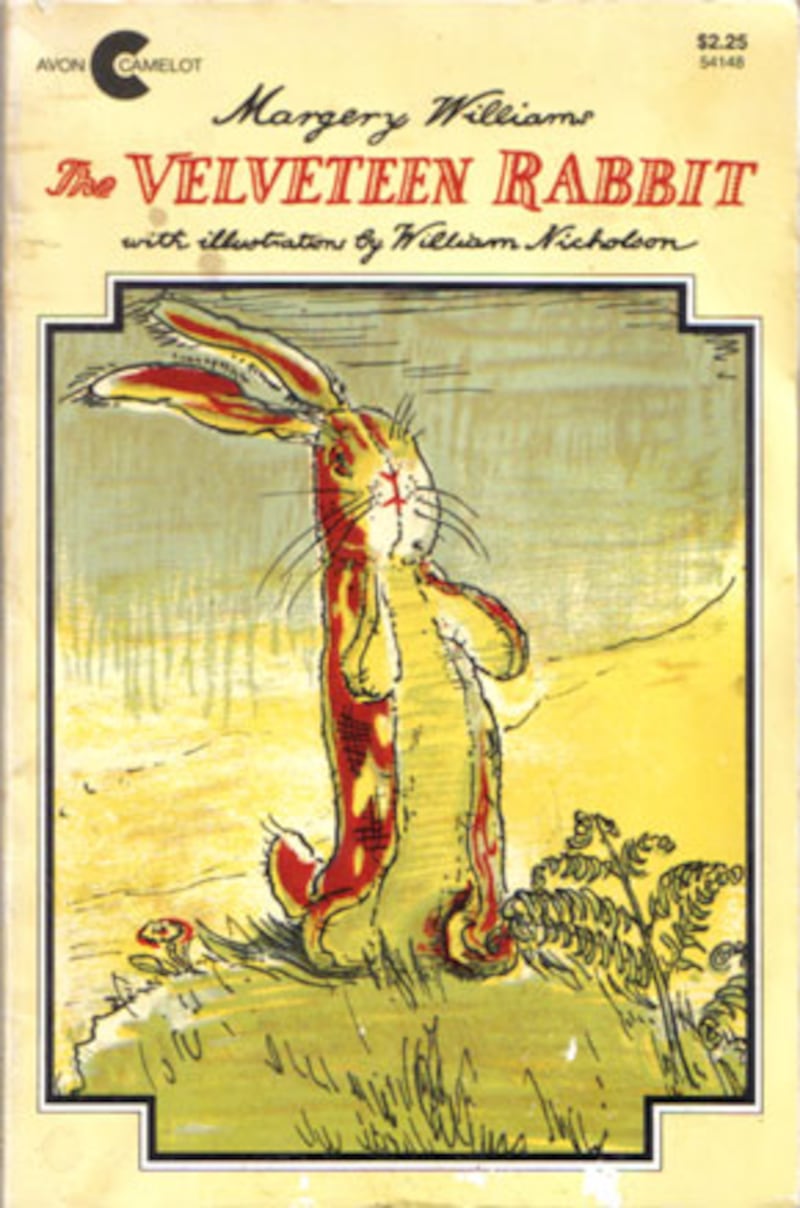
First published in 1922, Margery Williams' The Velveteen Rabbit tells the story of a little boy's stuffed animal rabbit and his desire to be a real bunny. The Velveteen Rabbit is ostracized by his owner's other, more sophisticated toys who imagine themselves to be real. One day he confides to the Skin Horse about his secret dream, and the wise horse tells him that a toy can only become real if its owner truly loves it but warns, "once you are real you can't become unreal again." The Velveteen Rabbit is a bittersweet tale that resonates for both children and adults. In 1985, the book was adapted into a video recording narrated by Meryl Streep with accompanying music by George Winston The video recording was nominated for a Grammy that year.
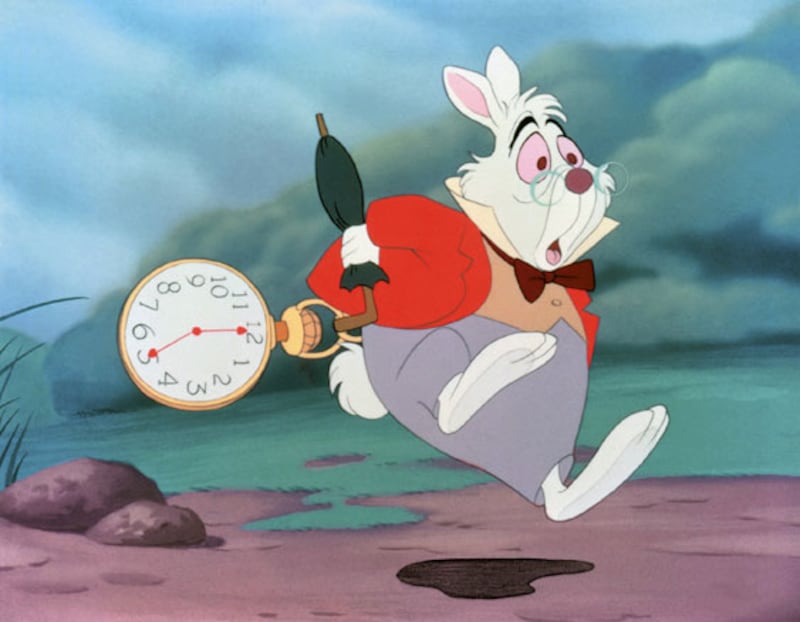
In Lewis Carroll's Alice's Adventures in Wonderland, The White Rabbit's most notorious trait is his tardiness. "I'm late. I'm late. For a very important date," he says to Alice before she follows him down the rabbit hole into Wonderland. Like most of the characters in Carroll's nonsense story, The White Rabbit has contradictory qualities—he acts rudely superior to his servants, but is brown-nosing toward the King and Queen of Hearts, and in the last few chapters he appears as a servant himself. But in the original Disney animated version of the book, the White Rabbit is portrayed as the most logical of the bunch—next to Alice, of course. In Tim Burton's 2010 film adaptation of the book, British actor Michael Sheen was the voice of the mysterious cottontail. "It's such an iconic character. When I imagine the White Rabbit I imagine someone who's quite timid, nervous, and anxious," he said when asked to describe his voice in the film.
Everett Collection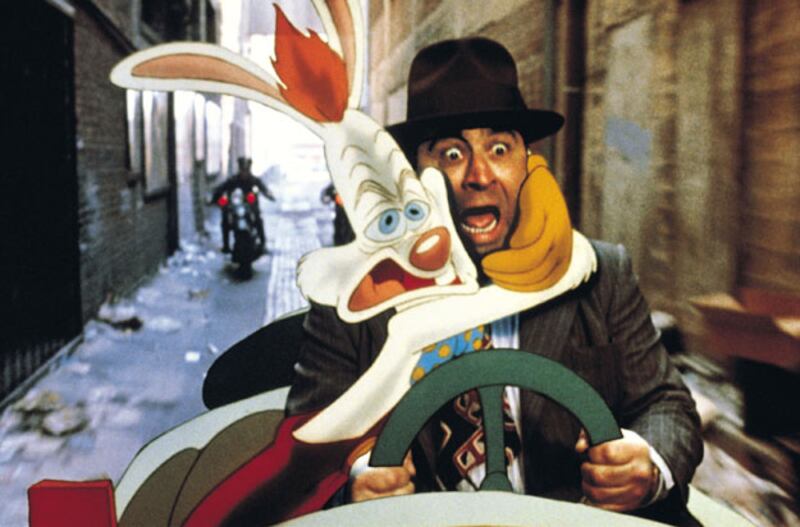
First introduced in the 1981 mystery novel Who Censored Roger Rabbit?, written by Gary K. Wolf, that tome was adapted into the 1988 Oscar-winning film, Who Framed Roger Rabbit, produced by Steven Spielberg. A product of Walt Disney Animation Studios, Roger is a manic over-anxious white rabbit who alternates between stuttering and screaming. He's quite clownish, sporting an oversize bow tie, overalls, and a gap between his front teeth. In the film, which combines live-action with animation, Roger Rabbit is framed for murder and seeks out private eye Eddie Valiant (Bob Hoskins) to clear his name. He's married to the sultry Jessica Rabbit (voiced by Kathleen Turner), a human, and is a regular fixture at Walt Disney theme parks.
Everett Collection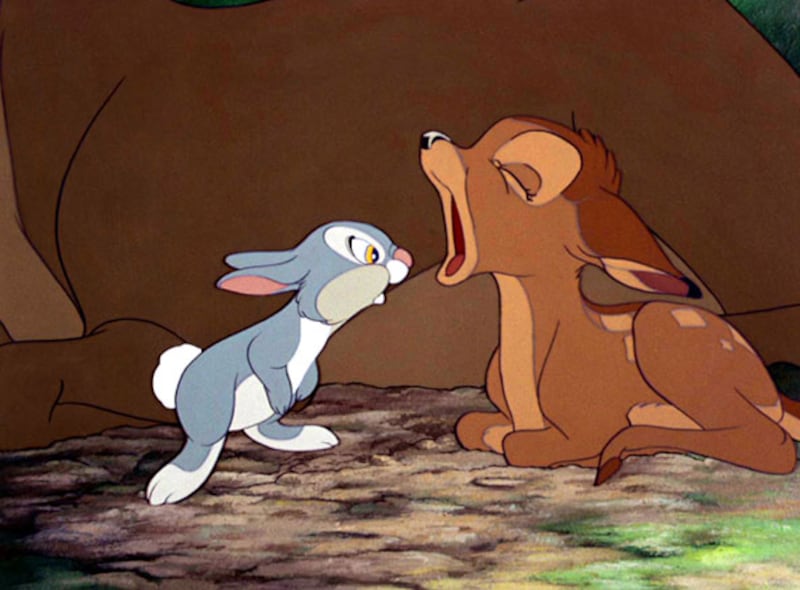
The lovable rabbit from Disney's animated movie Bambi, Thumper is known for his habit of rapidly thumping his left hind foot. When Bambi is first presented to the forest creatures, Thumper says he's "kinda wobbly," leading his mother to remark, "If you can't say something nice, don't say nothing at all." The moral is now known as "Thumper's rule," and various iterations of it are taught to children by their parents to this day. Thumper eventually teaches Bambi to talk. In popular culture, "Bambi" and "Thumper" appeared as the names of two buxom female bodyguards in the James Bond film, Diamonds Are Forever, and the name was even used for a project by General Electric Company concerning ways to defend the U.S. against German ballistic missiles during WWII.
Everett Collection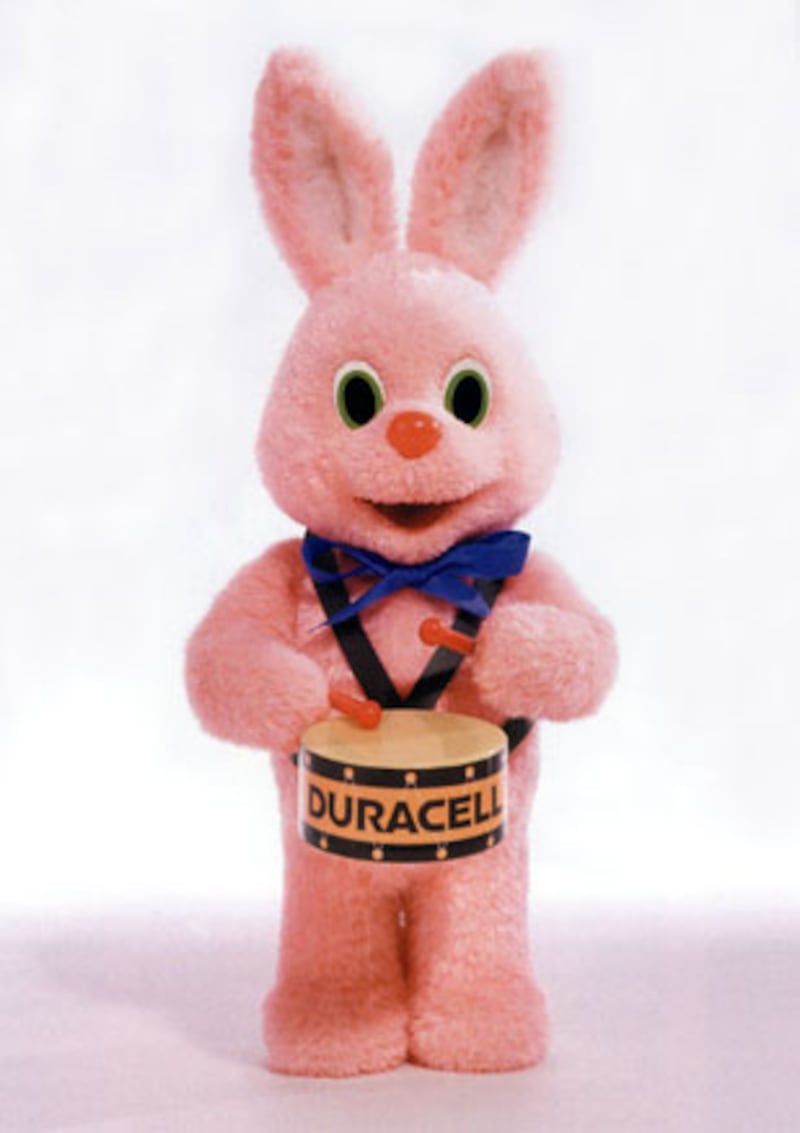
The Duracell Bunny campaign was launched in 1973 and actually predates the Energizer Bunny, which debuted in 1988 as a parody of Duracell's pink, battery-powered rabbit that can function for an incredibly long period of time. While the Energizer Bunny also beats a drum, the Duracell Bunnies are not a single rabbit, but actually an entire species. They're usually seen competing in advertisements, such as a race or a game of football. While the Duracell Bunnies still appear in Europe, they are forbidden from appearing in North American ads due to a trademark claim filed by Energizer for marketing use of a "battery bunny" in North America. Duracell had a U.S. trademark on the bunny, but failed to renew it, and that's where Energizer stepped in.
Getty Images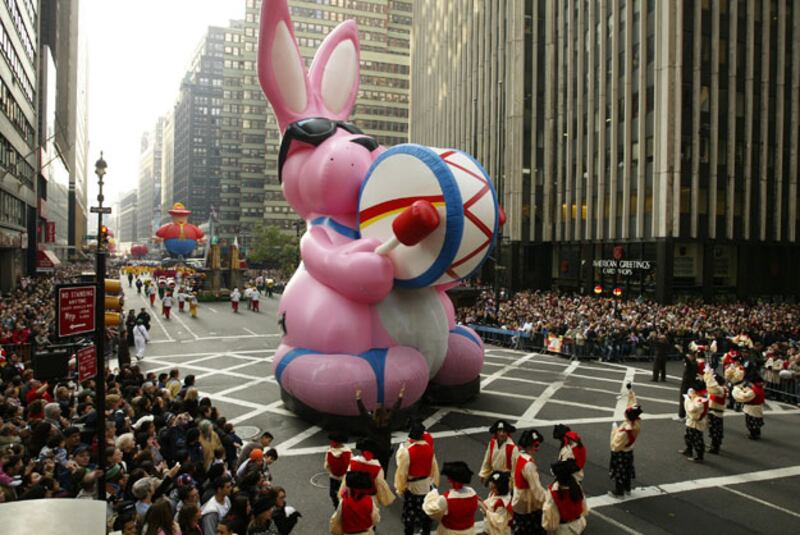
Far and away the most energetic bunny of all time, the mascot of Energizer batteries is a pink bunny sporting shades, sandals, and beats a bass drum incessantly. The Energizer Bunny has been appearing in North American TV commercials since 1988, but actually began as a parody of the Duracell Bunny, which launched in 1973. The bunny is known for its near-endless amount of energy, powered by the long-lasting Energizer batteries, and the term "Energizer Bunny" has even entered into the vernacular as a term for something that continues endlessly. In 2005, former President George H.W. Bush said of former President Bill Clinton as they traveled across the world together to raise funds for victims of the Asian tsunami, "You should have seen him going, town to town, country to country, Energizer Bunny here."
AP Photo