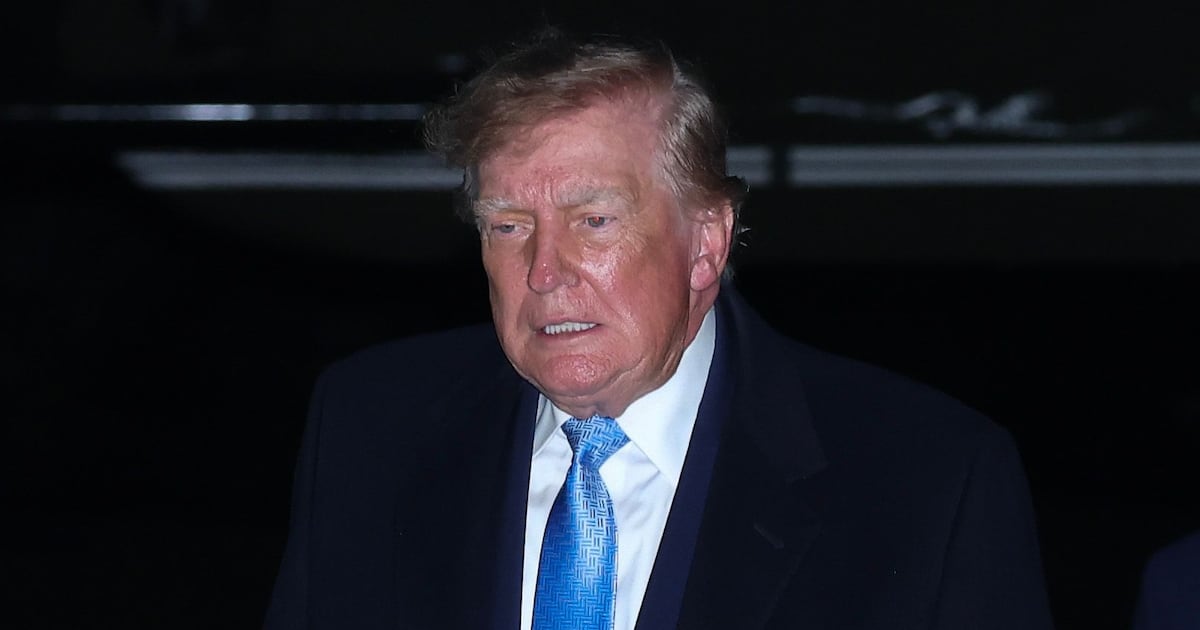
Kash Patel’s FBI began investigating a reporter at the New York Times after her reporting caught the ire of the director’s girlfriend.
Federal agents queried databases on reporter Elizabeth Williamson after she wrote a story for the Times, which revealed that Patel used bureau personnel to provide his girlfriend, Alexis Wilkins, with government security and transportation, the New York Times reported.
The probing prompted concerns from officials at the Justice Department, who saw no legal basis to proceed with the investigation based on her reporting.
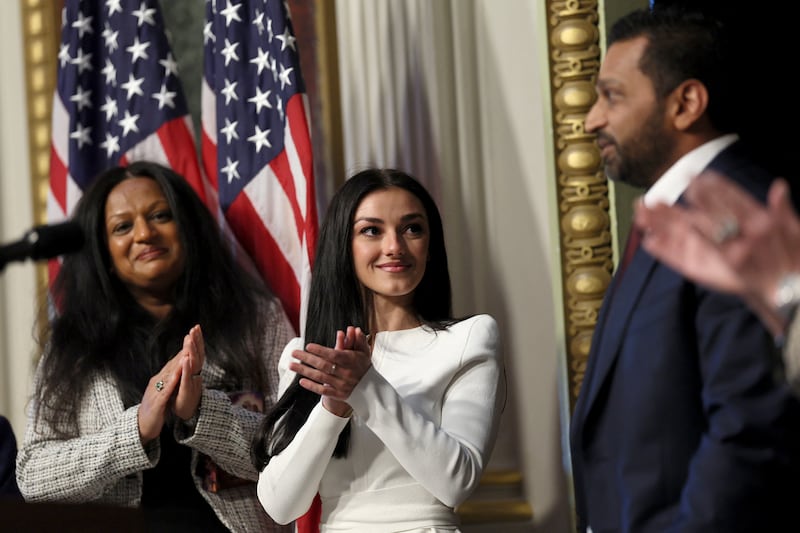
The article, published by the Times in February, detailed that Wilkins enjoys full-time protective detail of Special Weapons and Tactics team (SWAT) members, who are made up of personnel from FBI field offices around the country.
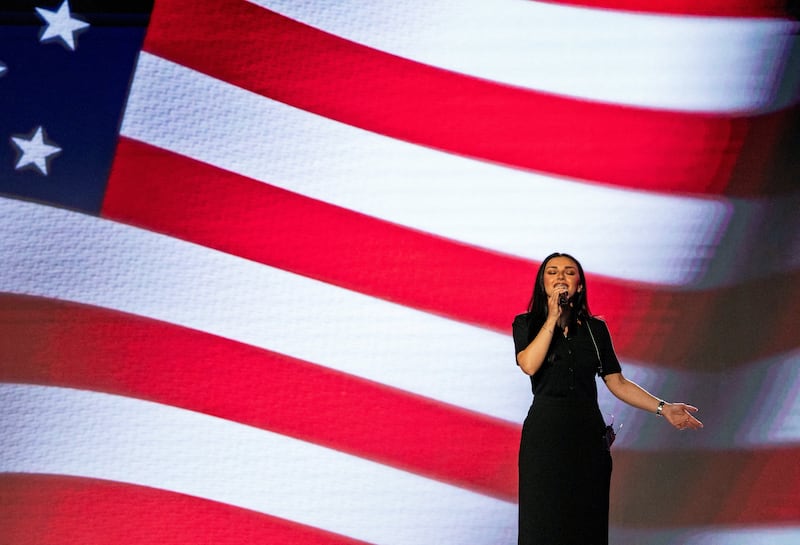
They have accompanied her to singing appearances, as she is attempting to make a country music career, and have taken her to a hair appointment.
SWAT teams are typically reserved for “extremely high-risk situations” such as “a special mission, a dangerous takedown, [or] a dignitary that needs protection.”
Patel, 46, and Wilkins, 27, have been dating for three years.

The Times reported that several days after the report was published, Wilkins was interviewed by the FBI, in which she disclosed that the report had made her unnerved. She had also raised those concerns with the bureau when Williamson first contacted her for the story.
After the interview, the FBI looked through federal databases to find out if the federal government had any information on Williamson that could make the argument that she needed to be further scrutinized.
The FBI then recommended moving forward with a preliminary investigation after their initial probing into Williamson, to determine if she broke federal stalking laws, a person briefed on the matter told the Times. At that point, the FBI ran into roadblocks as DOJ officials determined there was no legal basis to proceed with the investigation. The Times nor Williamson was informed of the steps taken by the FBI.
At the time of the report, the FBI said that the protection for Patel’s girlfriend was necessary due to “hundreds of credible violent death threats” made against her, “including graphic threats to rape, murder, and violence, including ‘slit her throat’ – many of which are publicly available information."
The Times reported that in Williamson’s reporting process for the article, Williamson contacted several people who knew Wilkins, which is standard reporting practice.
She had one call with Wilkins herself, during which Wilkins demanded that it be an off-the-record call, meaning her statements cannot be published, quoted, or attributed to the source. Williamson and Wilkins exchanged emails before the report was published.
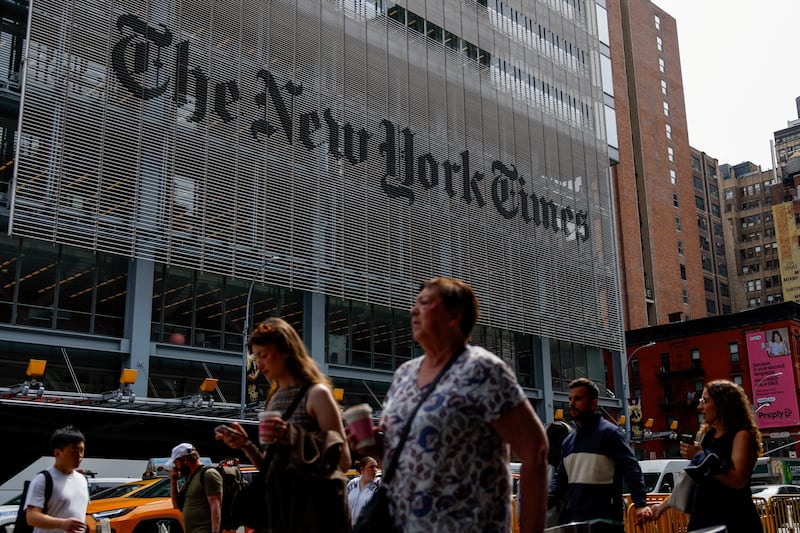
A spokesman for the FBI told the Times that it’s “false” that the bureau investigated Williamson. The outlet reported that Wilkins received a threatening email on the day that the article was published from an anonymous sender, which Wilkins forwarded to the FBI. The FBI spokesman told the Times that the inquiries were spurred by the threat Wilkins had received.
“Ms. Wilkins was interviewed by F.B.I. agents in relation to a death threat in Boston, which specifically referenced an article published by Williamson the previous day,” the spokesman told the Times. “During this questioning, the agents inquired about the related reporting. While investigators were concerned about how the aggressive reporting techniques crossed lines of stalking, no further action regarding Williamson or the reporting was ever pursued by the F.B.I.”
Joseph Kahn, the executive editor of The Times, criticized the FBI for probing a reporter. “The F.B.I.’s attempt to criminalize routine reporting is a blatant violation of Elizabeth’s First Amendment rights and another attempt by this administration to prevent journalists from scrutinizing its actions,” Kahn said. “It’s alarming. It’s unconstitutional. And it’s wrong.”
The Daily Beast reached out to the FBI, the New York Times, and Wilkins for comment.
Before the article was published, Wilkins went on a social media tirade against Williamson for her reporting.
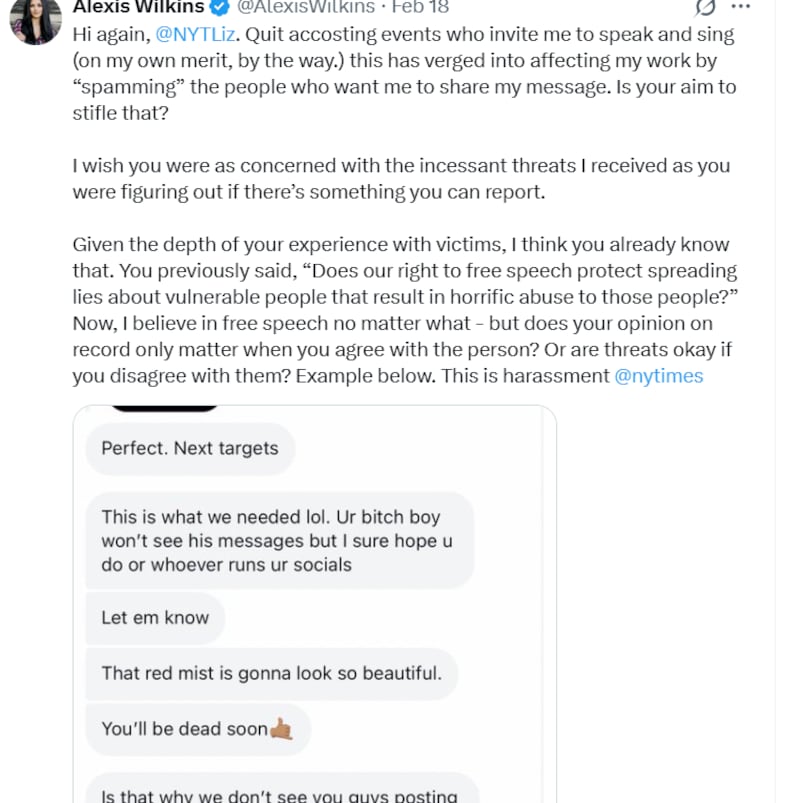
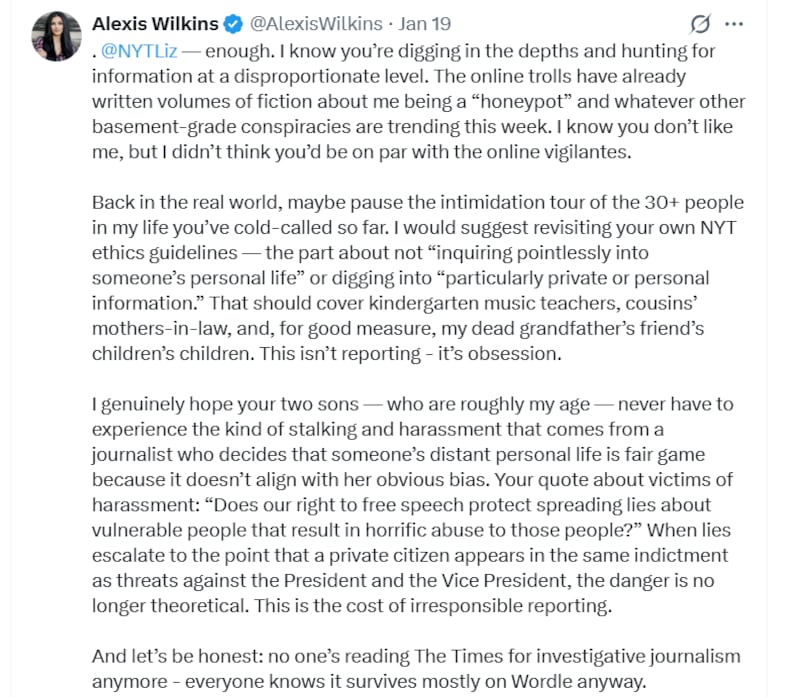
Later Wednesday, Patel echoed the FBI’s earlier statement, telling Fox News that the FBI had “absolutely not” ordered an investigation into Williamson.
Williamson is just the latest example of the Trump administration seeking to punish the press for its reporting.
Earlier this year, the FBI raided the Virginia home of Washington Post reporter Hannah Natanson as the paper investigated a government contractor’s alleged handling of classified materials.
President Donald Trump has sued several outlets, including ABC News, CBS News, The New York Times, and the Wall Street Journal, over reporting he does not like.
The Trump White House additionally punished The Associated Press, cutting off its access to press events, over its refusal to call the Gulf of Mexico Trump’s preferred name, the Gulf of America.