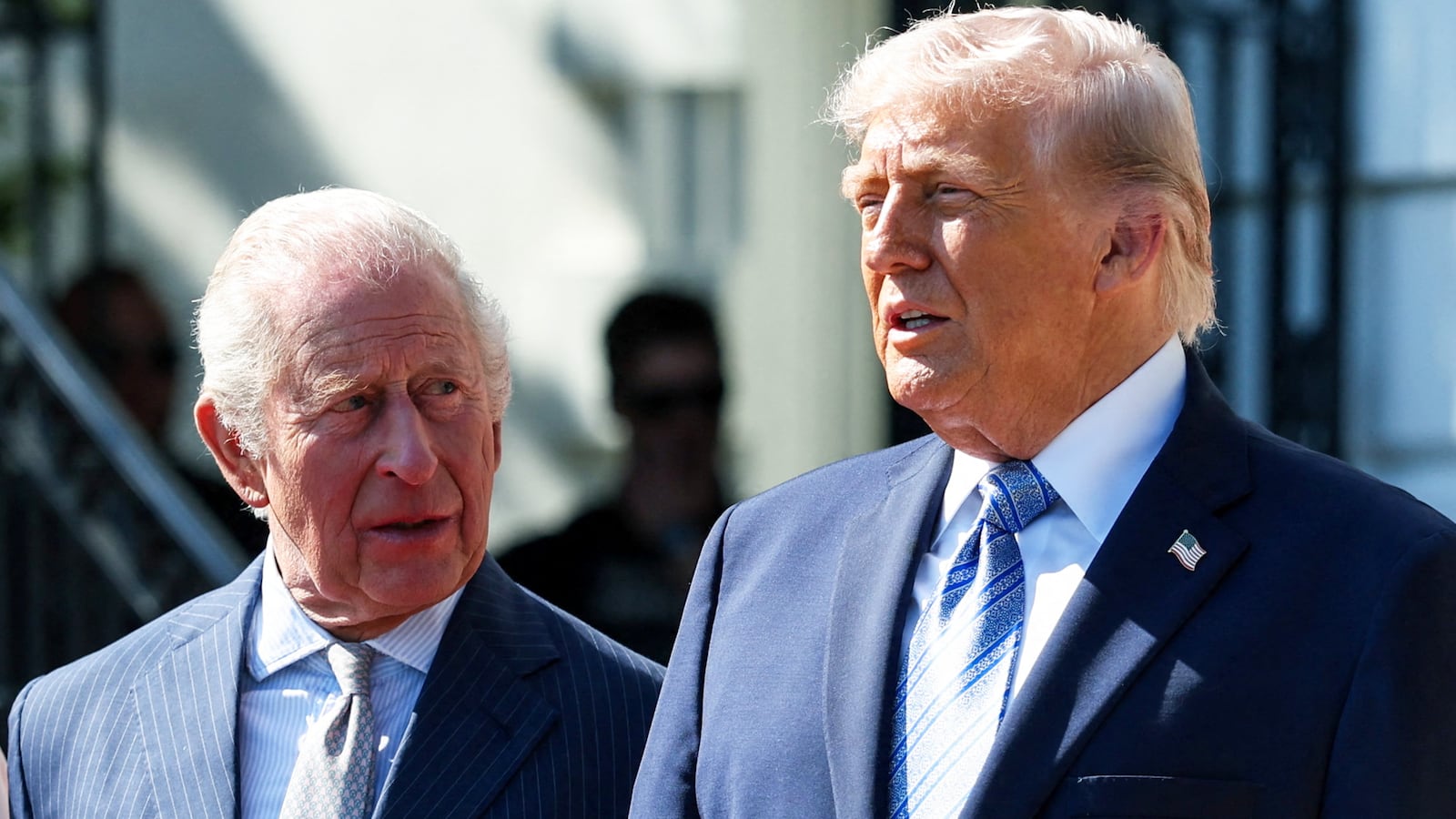
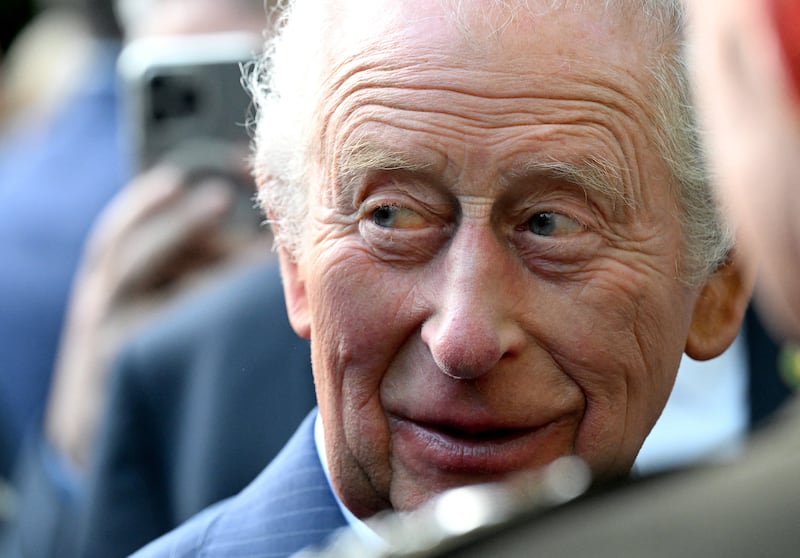
King Charles III will draw a brutal contrast with President Donald Trump as he plans to call for “reconciliation” in a historic speech to Congress.
The British monarch, 77, is in the U.S. on an official state visit against the backdrop of frayed relations between the political leaders of the two countries over the war with Iran.

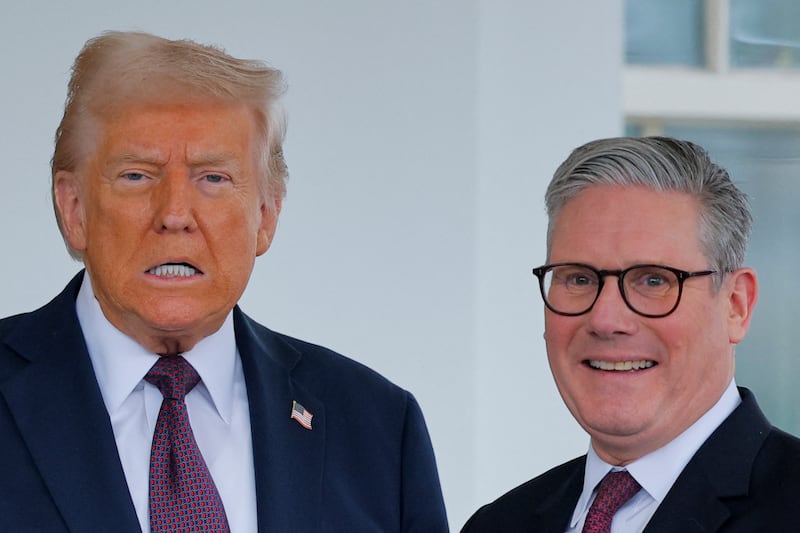
Trump has repeatedly fumed at Prime Minister Sir Keir Starmer for not going all-in on his conflict in the Middle East, with the Brit reluctant to send naval support and initially refusing to allow the U.S. to use its airbases.
Appearing in Congress on Tuesday afternoon, Charles is expected to call for “reconciliation and renewal”—in stark contrast to Trump’s erratic behavior that has seen him threaten to wipe out a “whole civilization” in Iran and start a fight with the pope.
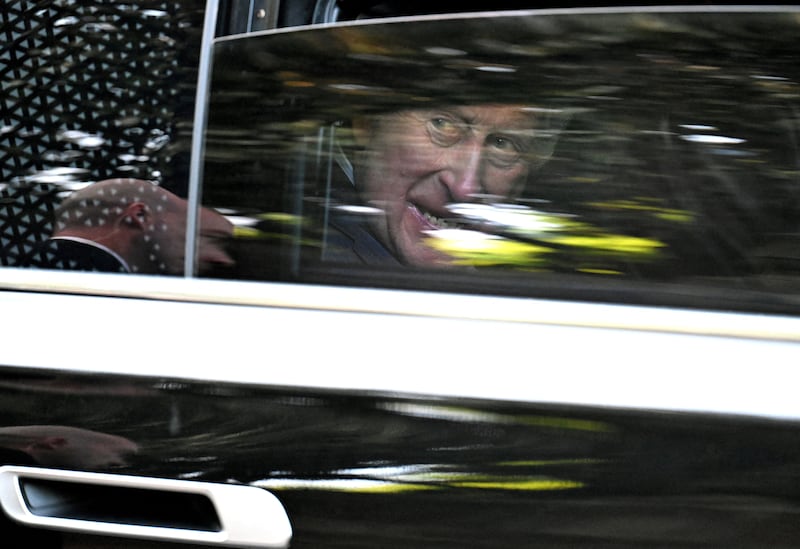
The king, who is head of the Church of England and prayed alongside Pope Leo XIV in a historic first last year, is expected to strike a calming tone as he reminds lawmakers of the “special relationship” between the U.K. and the U.S., saying that despite not always seeing eye to eye, the “two countries have always found ways to come together.”
Aides revealed that the speech to the joint session is expected to last around 20 minutes and will see the king celebrate “one of the greatest alliances in human history,” according to a Buckingham Palace preview cited by the BBC.
The British national broadcaster said he is also expected to spell out the two countries’ commitment to shared values of liberty and equality. Meanwhile, royal sources say he will also refer to the importance of NATO and Ukraine, Politico reports, as well as the trilateral AUKUS alliance.
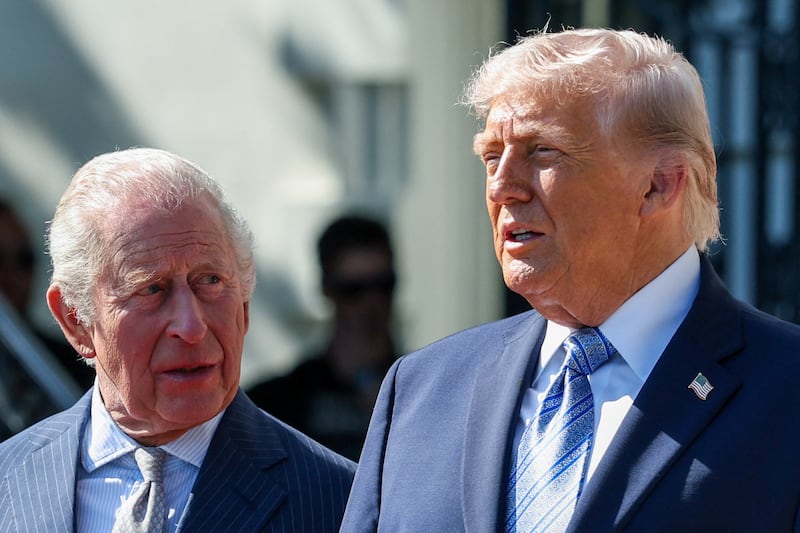
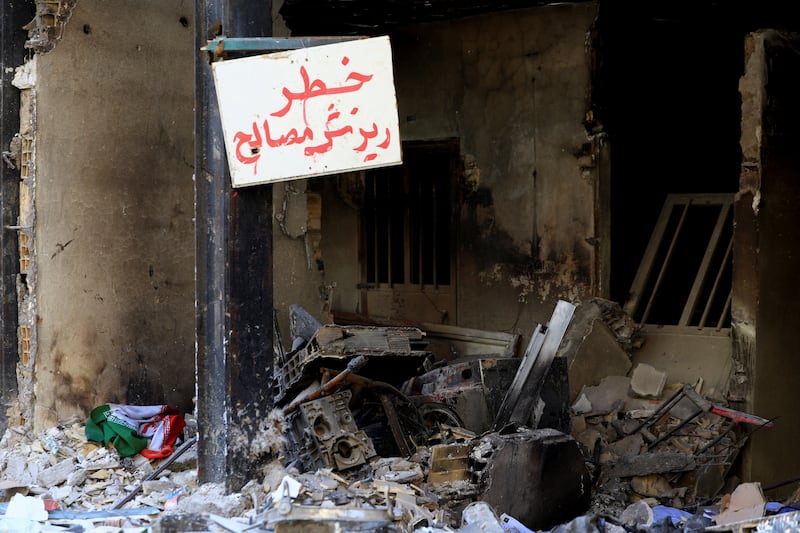
Starmer angered Trump when the U.K. refused to help blockade the Strait of Hormuz, a narrow shipping lane through which around one-fifth of the world’s oil passes. It has been closed by Iran, straining the global oil economy and causing American voters to pay more at the pump.
After peace talks led by Vice President JD Vance collapsed, Trump announced that allies would help with the blockade.
The U.K. quickly put that talk to bed when a spokesperson for the government said: “We continue to support freedom of navigation and the opening of the Strait of Hormuz, which is urgently needed to support the global economy and the cost of living back home.”
“The Strait of Hormuz must not be subject to tolling,” they added.
Earlier in the war, Trump had called on allies to help fight the war with Iran. The U.K., along with the rest of Western Europe, refused.
Speaking at the White House in March, Trump fumed: “We had the U.K. say–this is three weeks ago–‘we’ll send our aircraft carriers,’ which aren’t the best aircraft carriers, by the way. They’re toys compared to what we have. But ‘we’ll send our aircraft carrier when the war is over’. I said: ‘Oh that’s wonderful, thank you very much. Don’t bother. We don’t need it.’”
The president also said Starmer was “no Winston Churchill.”
Trump’s rage at the U.K. has since expanded in its scope.
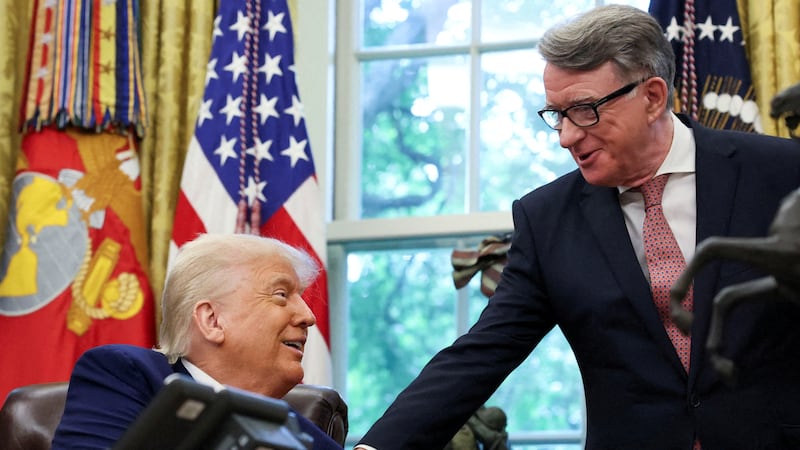
He helped kick Starmer while he was already down, after his pick for U.S. ambassador, Peter Mandelson, was ousted over his connections to late child sex trafficker Jeffrey Epstein.
“Prime Minister Keir Starmer of the United Kingdom acknowledged that he ‘exercised wrong judgment’ when he chose his Ambassador to Washington,” Trump, who knew Epstein for 15 years, said on Truth Social. “I agree, he was a really bad pick.”
Trump has been named thousands of times in the Epstein files, but has denied, and is not accused of, any wrongdoing.
After Starmer’s initial refusal to let Trump use its base in Cyprus, an island in the Eastern Mediterranean, the president also threatened to pull out of a favorable trade deal with the U.K.
In a phone call with Sky News in mid-April, Trump referred to an agreement struck with the U.K. in June in the wake of the far-reaching U.S. tariff policy. “We gave them a good trade deal. Better than I had to. Which can always be changed,” he said. “They’re having a lot of problems.”
Meanwhile, a Pentagon memo leaked to Reuters suggested that Trump’s administration could re-evaluate its view on whether Britain should retain the Falkland Islands, a self-governing British Overseas Territory in the South Atlantic, where King Charles is head of state.
Argentina and the U.K. went to war in 1982 when Argentinian forces invaded the island in a doomed bid to retake the archipelago for Buenos Aires. The king’s younger brother, Andrew, served as a helicopter pilot in the conflict.
According to The New York Times, officials have said they hope the King’s words might soothe tensions between London and D.C.
His four-day visit comes in the aftermath of a gunman attacking the White House Correspondents’ Association Dinner, which saw Trump evacuated and questions asked about security measures. The King is also expected to offer sympathy for the incident in his speech.
The aides’ preview also suggested Charles will call on lawmakers to exercise “generosity of spirit and a duty to foster compassion, to promote peace, to deepen mutual understanding and to value people of all faiths and none.”
Queen Camilla is also across the pond, which coincides with America’s 250th anniversary celebrations and is set to spill across Virginia, Washington D.C., and New York.
The Daily Beast has contacted Buckingham Palace and the White House for comment.