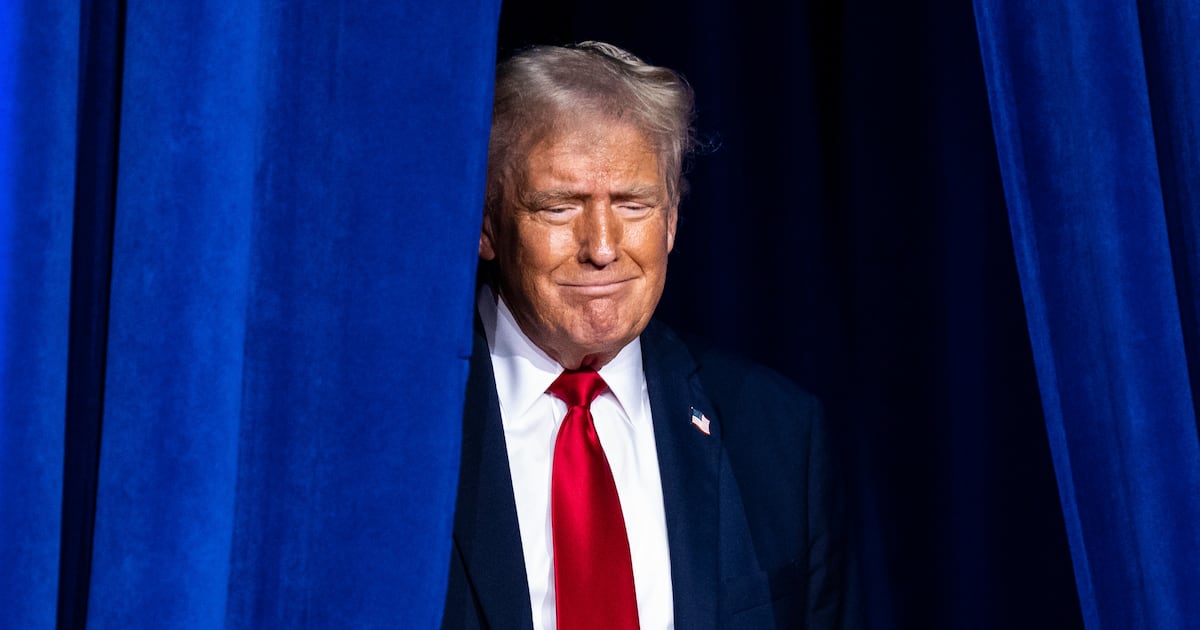
Republicans are tying themselves in knots defending President Donald Trump’s justification for striking Iran—while struggling to explain what, exactly, counts as an “imminent” threat.
The latest stumble came from Rep. Dan Crenshaw, who sidestepped repeated questions on CNN about the administration’s central claim: that Iran posed an immediate nuclear danger serious enough to justify military action.
The 42-year-old was pressed by CNN host Boris Sanchez, 40, to define what makes a threat “imminent.”
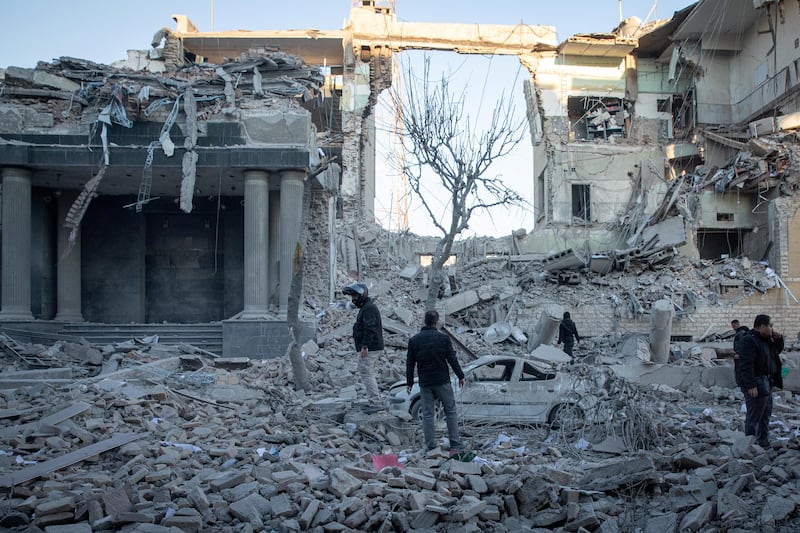
Sanchez pointed to comments from Director of National Intelligence Tulsi Gabbard, who similarly evaded the question—suggesting that only President Donald Trump can ultimately determine what qualifies as an “imminent” threat when it comes to U.S. defense.
“I’d say it’s a persistent threat,” Crenshaw said, brushing off the distinction as largely irrelevant. He argued the word itself is “subjective,” adding that “everyone’s getting hung up on this, and I’m not sure why.
That shrug stands in stark contrast to the administration’s own sales pitch.

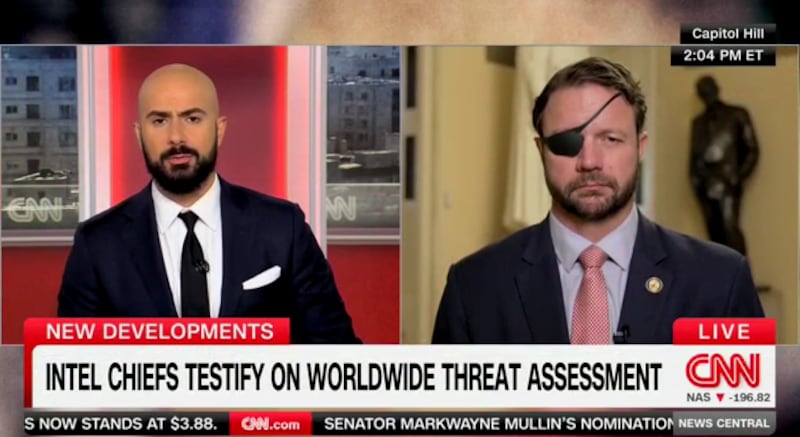
Trump and his allies have leaned heavily on warnings that Iran is building its nuclear capability—framing the threat as urgent enough to justify bypassing Congress and launching military action.
“Our objective is to defend the American people by eliminating imminent threats from the Iranian regime,” Trump said when announcing the military operation on February 28. “Its menacing activities directly endanger the United States, our troops, our bases overseas, and our allies throughout the world.”
On CNN, Sanchez pointed out what he described as an important distinction: an “imminent” threat suggests immediate danger to American lives, while a “persistent” threat describes a long-standing risk that may or may not materialize.

Crenshaw wasn’t buying the distinction.
“I don’t think it’s different at all,” he said. “I think you phrased the same thing in two different ways.”
The exchange mirrors a familiar point of contention for the administration: its rationale for war is being challenged not just by Democrats but also by skeptics within its own party.
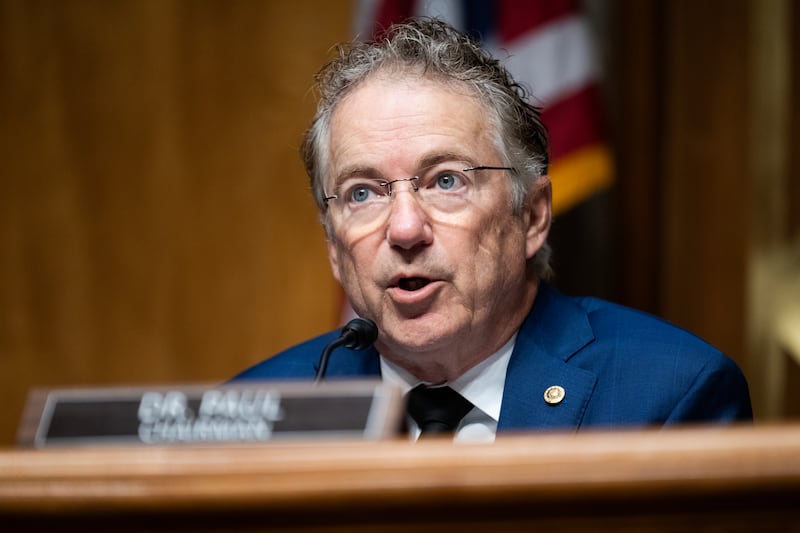
Sen. Rand Paul, 63, has emerged as one of the most vocal Republican critics, openly questioning whether Trump’s justification meets the threshold for military action.
Paul has argued that the threat posed by Iran’s nuclear ambitions has existed for years—and that calling it “imminent” now doesn’t automatically make it so.

“I don’t think those arguments are valid,” Paul said in an interview with Fox last Tuesday, casting doubt on the urgency behind the administration’s claims.
The skepticism isn’t limited to Capitol Hill.
Inside the administration, cracks have begun to show. Joe Kent, a senior counterterrorism official, resigned on Tuesday in protest of the Iran policy, warning that Tehran posed “no imminent threat” to the U.S.
Meanwhile, the administration’s own past messaging is complicating its current argument.
Last year, Trump touted the U.S. covert operation Midnight Hammer as having completely “obliterated” Iran’s nuclear capabilities—raising fresh questions about how the same program could now justify urgent military action. Tehran, for its part, has denied pursuing nuclear weapons.
Global officials are already warning of the potential fallout. Hanan Balkhy, the World Health Organization’s regional director for the Eastern Mediterranean, told Politico on Tuesday that authorities are preparing for a possible nuclear incident, warning that the consequences could last “for decades.”
At the same time, the financial and human costs of the conflict are mounting.
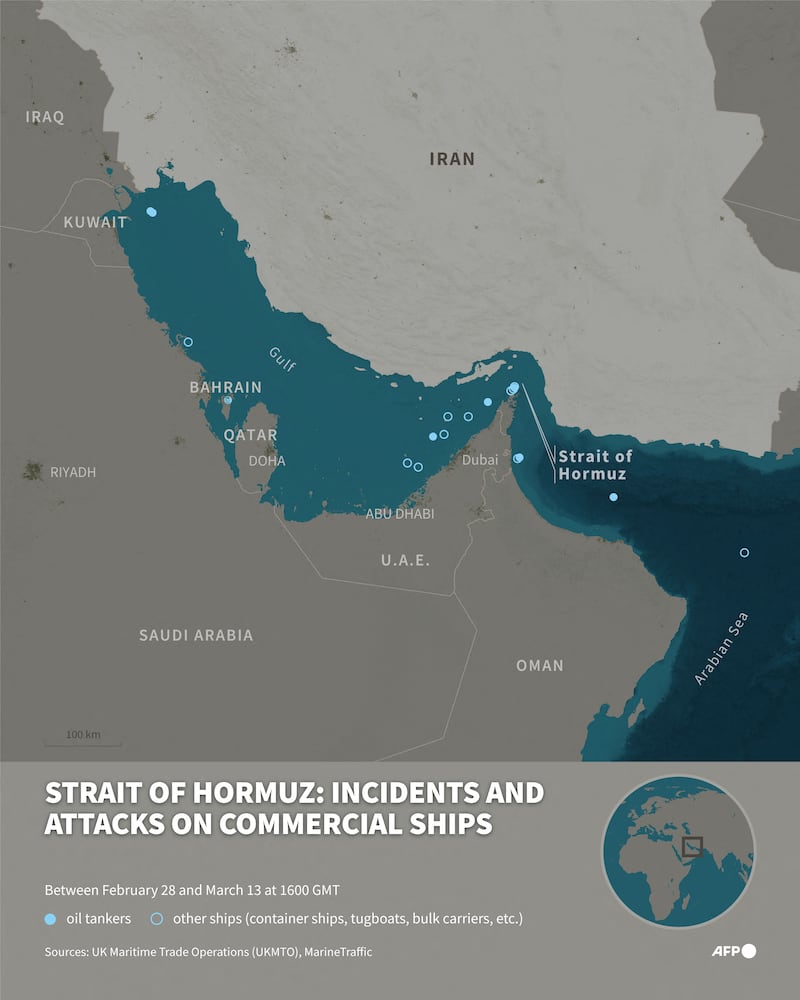
The war effort is estimated to be costing the U.S. billions, while rising tensions in the region have driven up oil prices—particularly as Iran threatens key shipping routes like the Strait of Hormuz. American casualties have also begun to climb, with at least 13 service members reported killed since the conflict escalated.

Even so, Crenshaw made it clear he sees the war as less a sudden decision and more an inevitability.
“I don’t view this as a rash decision,” he said, framing the confrontation as the logical endpoint of years of escalating tensions.