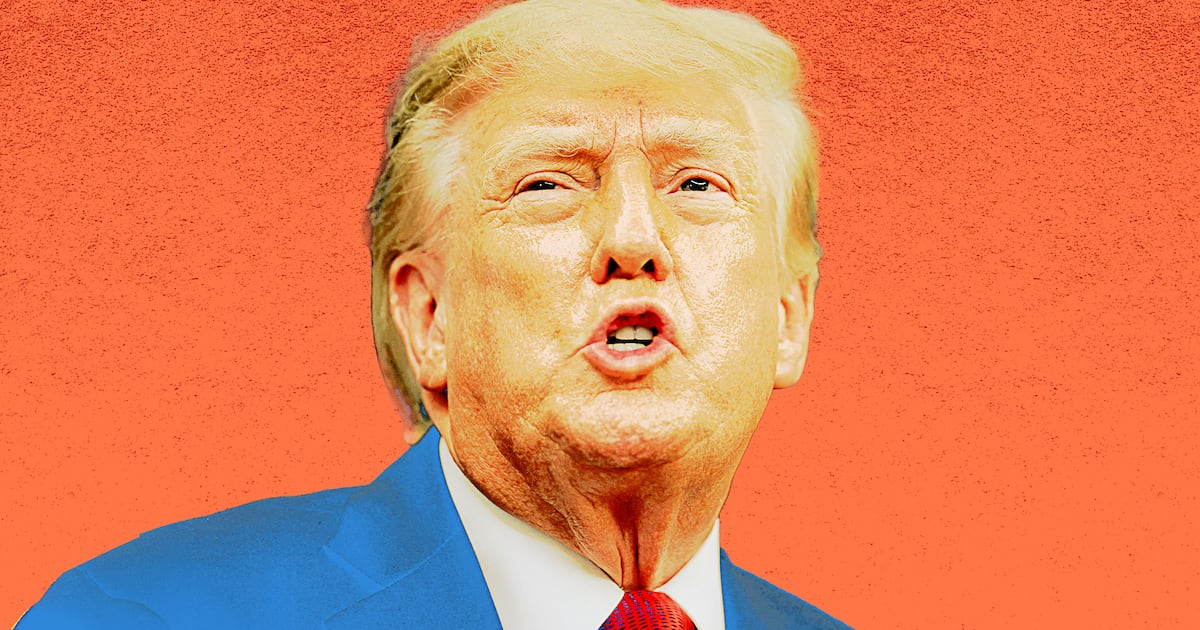
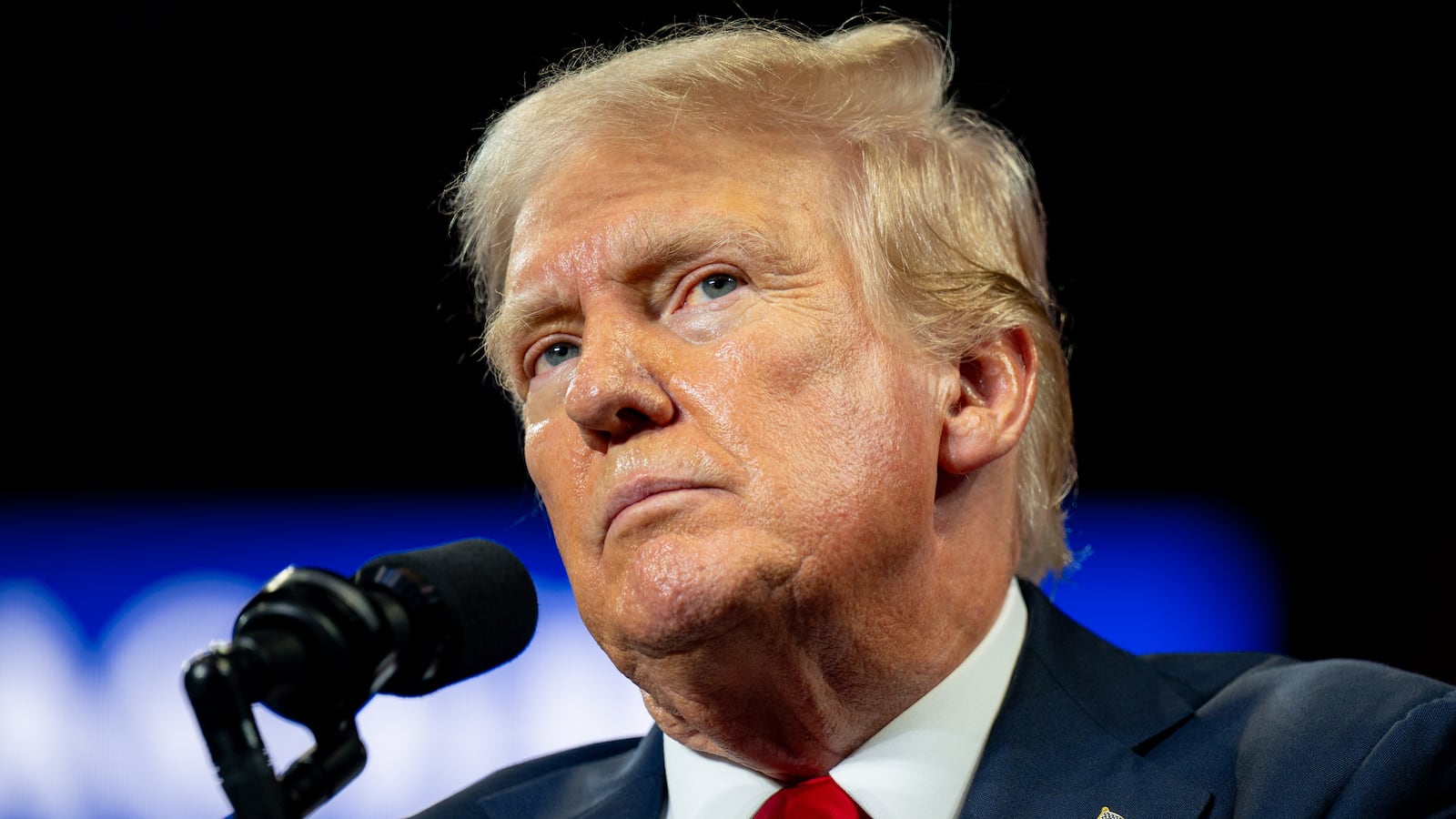
Donald Trump’s plan to tame soaring fuel prices could end up making the crisis even worse, the Wall Street Journal has warned.
Trump is scrambling to contain the political fallout from soaring fuel prices by pushing for a ban on U.S. diesel exports
“I’ve said let’s not send out the diesel. We make a lot of diesel,” President Trump said Tuesday.
But the WSJ’s Editorial Board warns the strategy could hurt Trump’s party, with the midterms just around the corner on November 3.

The Rupert Murdoch-owned paper’s warning comes as Democrats gain ground in polling. Republicans are widely expected to lose control of the House, and possibly the Senate, too.
The latest Reuters/Ipsos poll found Democrats leading Republicans by 8 points among registered voters asked which party they would support in the midterms—43 percent to 35 percent. It was the Democrats’ largest advantage in Reuters/Ipsos polling this year.

Meanwhile, Democrats are ahead in Senate races across Iowa, Ohio, Michigan, North Carolina, Maine, Alaska and Texas, with Kansas and Nebraska also in play. The states largely backed Trump in 2024, but his approval among voters in the region—particularly independents—has since declined.
Trump’s unpopular war with Iran has seen fuel prices skyrocket, and with the economy at the top of voters’ minds, polling is not looking good for the GOP.
Facing bleak midterm prospects, Republicans are pushing to end the Iran war and ban diesel exports in a bid to ease soaring fuel costs.
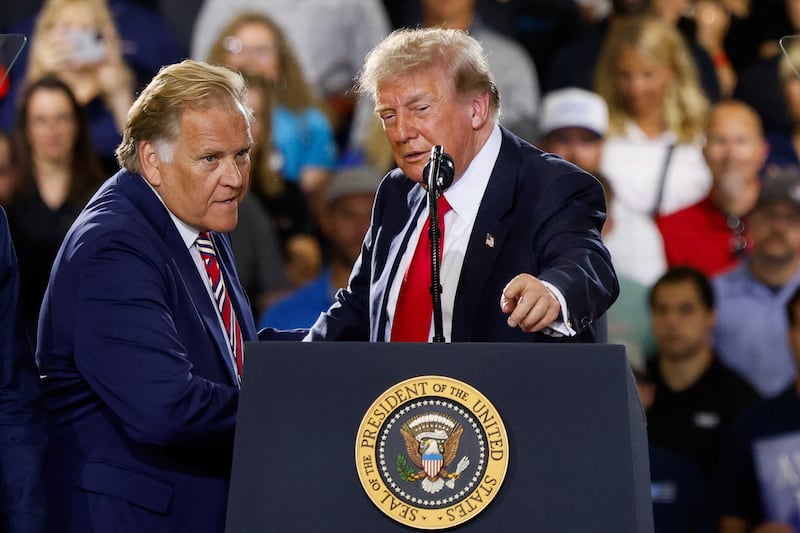
Michigan GOP Senate nominee Mike Rogers, who was endorsed by Trump, said in a video: “The war with Iran needs to end and end quickly. When it does, energy costs will plummet. But Michigan families can’t afford to wait for that to happen. We need to do something now.”
Iowa Representative Ashley Hinson echoed his concerns, saying Iowans “shouldn’t have to foot the bill” for the conflict.
Iowa Senator Chuck Grassley has also backed an export ban, while Senate Majority Leader John Thune said he is open to the proposal.

But the WSJ warned that strategy could play into the hands of the Democrats.
“That won’t help the economy or their political prospects,” the WSJ warned, adding that the “political gambit” will “backfire.”
The U.S. exports around 1.5 million barrels of diesel a day, but limited pipeline capacity means the fuel cannot easily be redirected to other regions. A ban could cause diesel to “pile up in Gulf Coast storage,” the WSJ says, forcing refineries to reduce production and therefore drive up the cost of gasoline and jet fuel.
The policy could also make the U.S. appear to be “an unreliable trade partner,” encouraging allies to seek supplies elsewhere, potentially from China.
With diesel prices soaring, the WSJ argues Republicans should instead consider suspending the renewable fuel standard. The biofuel mandate, they claim, adds “between 30 and 40 cents to every gallon of diesel.”
The WSJ also blames Trump’s Canadian tariffs for price increases, arguing that Republicans should target the unpopular policy as voters increasingly push back against them. An Emerson College poll found that 58 percent of Iowans oppose his latest tariffs on Canada, including 30 percent of Republicans.
However, the WSJ warns that calling for an end to the Iran war could signal to Tehran that “time is on Iran’s side,” potentially encouraging attacks on oil tankers and energy infrastructure—and pushing fuel prices higher.
The broader criticism is blunt: “Republicans lack a policy agenda to run on”—and are now “finding out the hard way what a mistake that is.”
The Daily Beast has contacted the White House for comment.