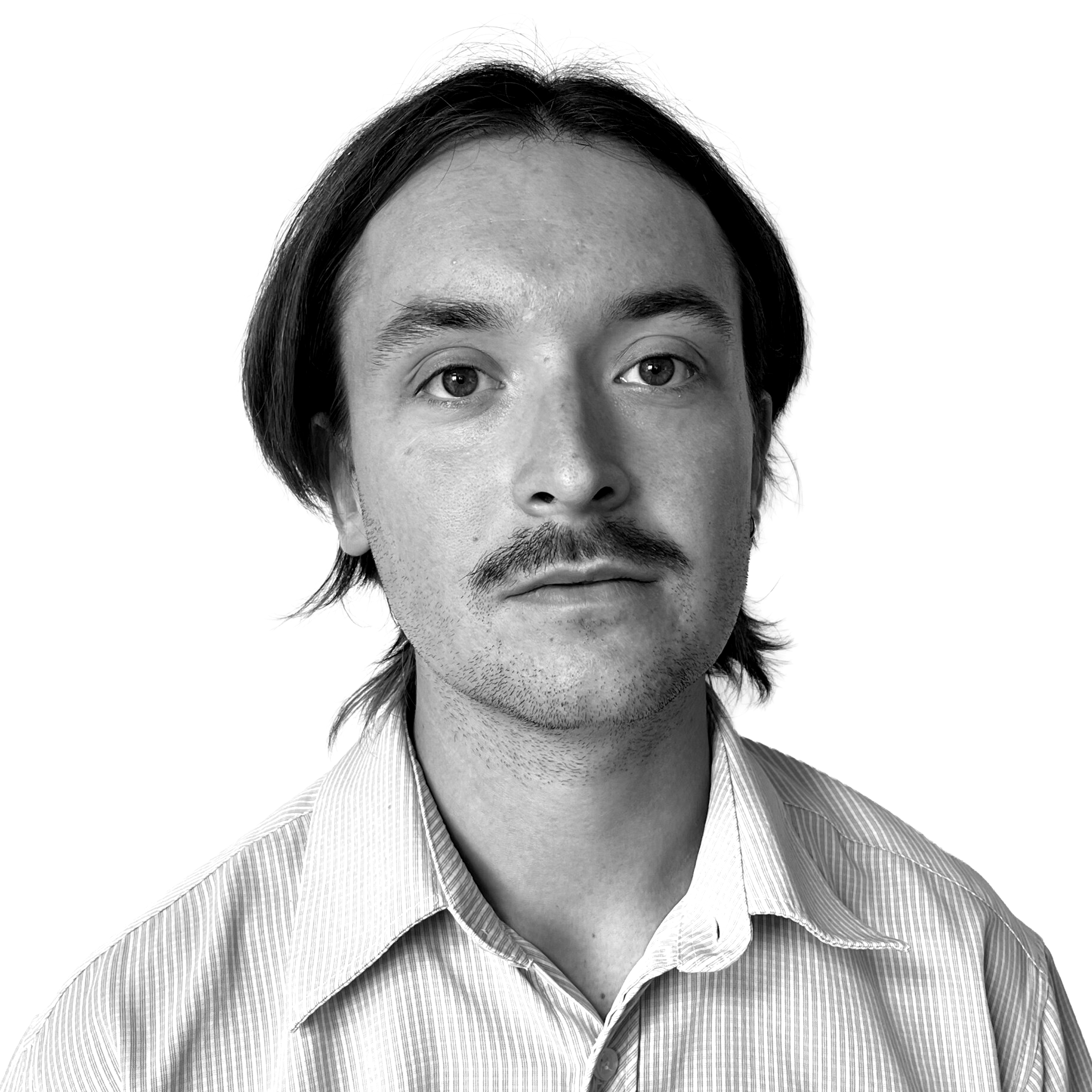

Vladimir Putin is cracking down on political opposition after a rare wave of public anger in Russia.
There was a brief window earlier this year when it looked as if opposition voices living under the authoritarian regime might finally be finding some headway, but now those days are gone.
Russians will go to the polls in September to vote on all 450 seats inside the State Duma—the lower house of the country’s federal assembly—but concern is rising that the names on the ballots will be limited to those serving the Kremlin’s interests.

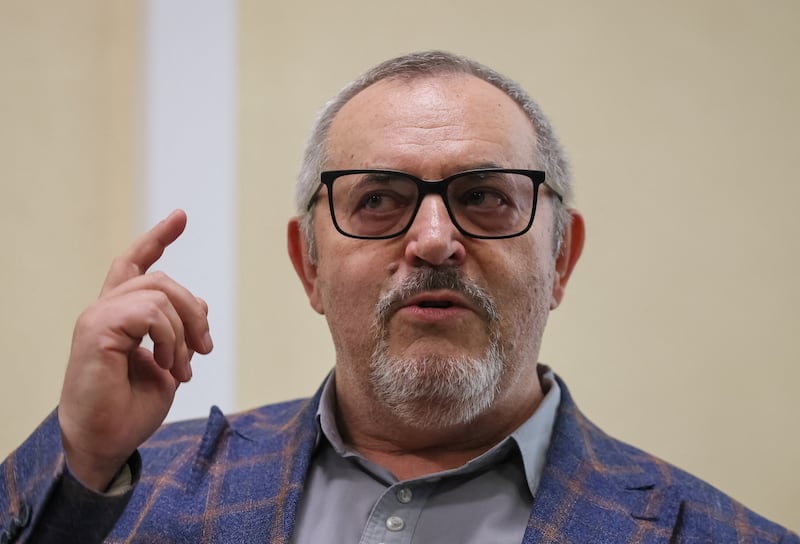
The Washington Post reports that two of the biggest surviving anti-Putin voices in national politics—political party Yaklobo and leading opposition former lawmaker Boris Nadezhdin—won’t be in the conversation.
Rather than entering the running, both have now been marginalized, with Nadezhdin stepping down from public service and complaining that opposing Putin and his regime has become a farce.
Despite trying to run as an independent, he has now been barred by authorities and declared a foreign agent by Russia’s justice department.
Yaklobo, meanwhile, has been dismissed by Putin’s spokesperson Dmitry Peskov, who said the Kremlin doesn’t even regard it as a political party. It has already been barred from standing candidates in several regions across the country in a move expected to bolster United Russia, the Putin-backing majority party in the Duma.
“I wouldn’t even call Yabloko a party. It’s no more than a cell,” Peskov told the Post.
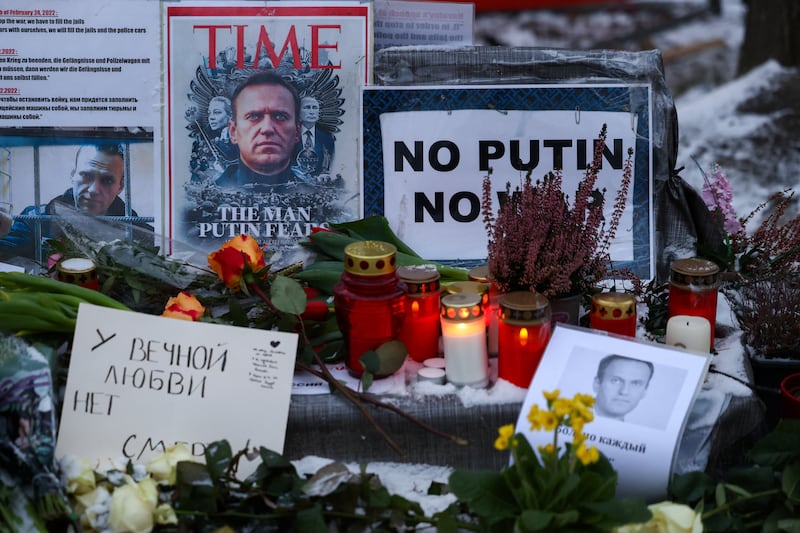
It was barred from entering the race in cultural heartland St. Petersburg last week, accused of displaying extremist symbols. Among the images, the Post reports, was a picture of late opposition leader Alexei Navalny, who died in captivity in Siberia in 2024. Authorities said he fell ill while taking a walk.
In February, several leading NATO governments made a joint statement claiming he was poisoned.
At the heart of Putin’s crackdown is the use of law enforcement.
The Kremlin has long used arrests as a means to silence opposition and dissent, trumping up questionable charges to take down those it regards as a threat.
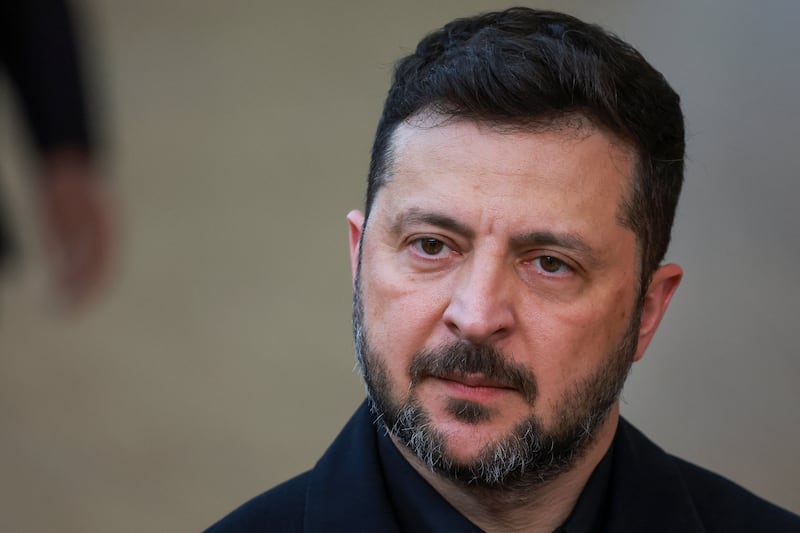
“Those who break the law are under pressure and those who don’t break it freely speak their opinion,” Peskov said.
Speaking to the Post, Moscow-based political analyst Andrei Kolesnikov said authorities “are not going to give any platform to people with anti-war views in the election. There is now not one noticeable voice against the war.”
Russia’s invasion of Ukraine sits at the center of the growing rift between the Kremlin and the people it governs.
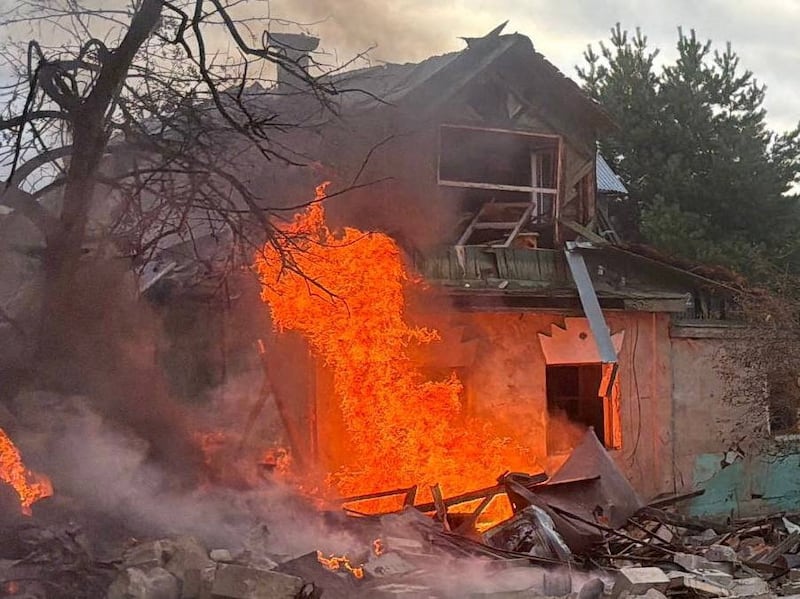
When Russian tanks first rolled across its western border into Ukraine in 2022, support for the war was high.
But in the more than four years that have followed, the cost to average Russians has mounted.
In a new release at the start of July, the Center for Strategic and International Studies said that “The Russian military has suffered 1.4 million battlefield casualties and as many as 450,000 deaths since its February 2022 full-scale invasion.”
The loss of life comes partly down to Russia’s so-called meat-grinder tactics, which see waves of infantry thrown towards well-defended Ukrainian positions in the hope that sheer numbers will eventually overwhelm their smaller forces.
But the tactics have seen more and more of Russia’s sons sent to their deaths, and the Post reports that anxiety has begun to spike amongst citizens that there may be another conscription push after the elections are finished in the fall.
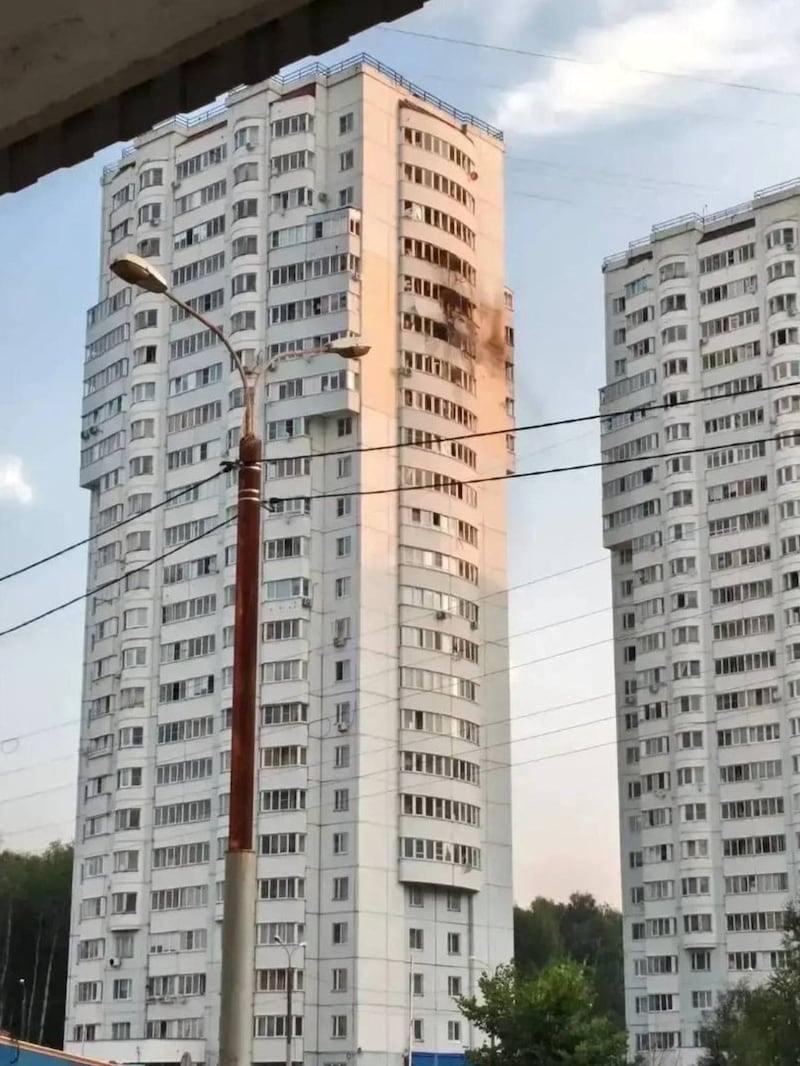
It’s not the only way Russians have found the war coming to their doorsteps.
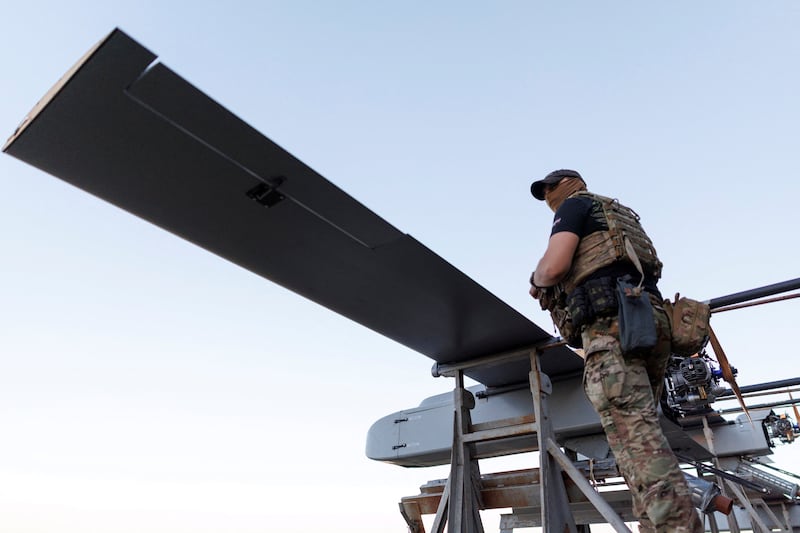
Kyiv has orchestrated a highly effective and escalating blitz of drone strikes on key Russian positions like oil refineries and logistics hubs as deep into the country as Siberia.
Putin was forced to acknowledge a fuel crisis in June in a rare public admission of weakness, with motorists left waiting in lengthy lines to fill up their cars as some gas stations ran dry.
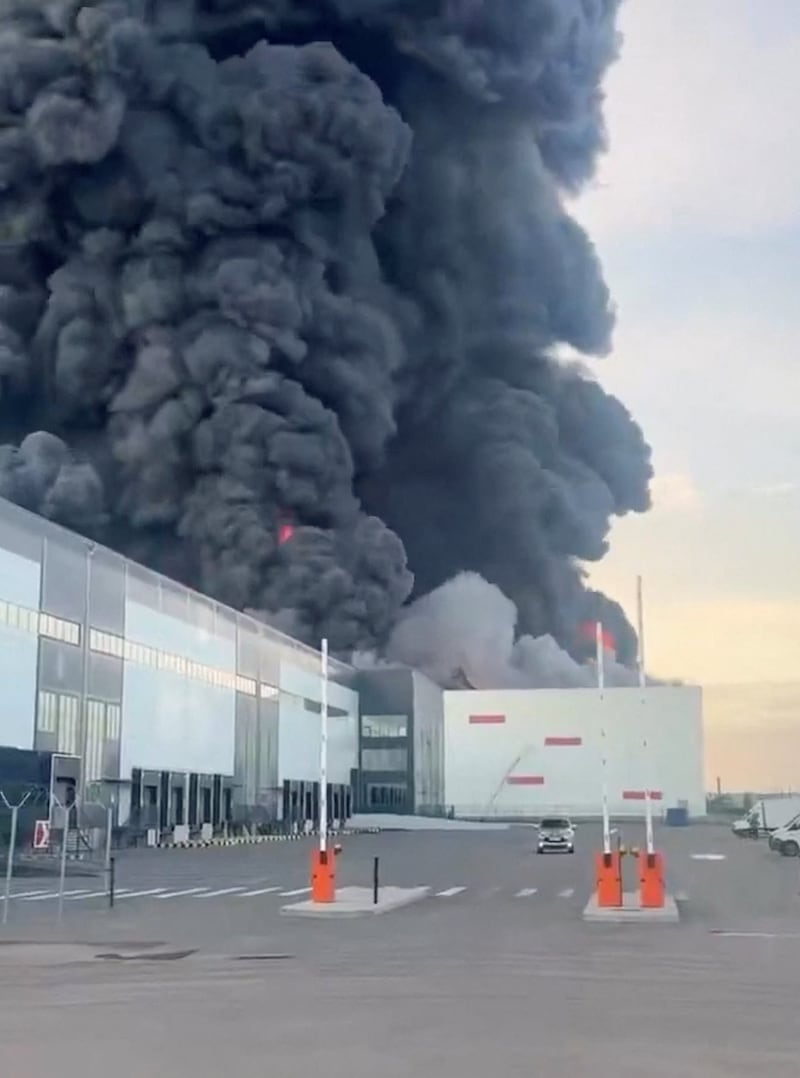
Strikes on two Wildberry warehouses in St. Petersburg in late June covered the city in smoke, canceling flights and coinciding with blackouts caused by further attacks.
Amid it all, Putin has become increasingly paranoid. Several reports have claimed the dictator has become more and more isolated, crippled by the fear of assassination from Ukrainian drone attacks.
His public appearances have dropped off a cliff, even canceling the St. Petersburg Naval Parade this weekend for the second year in a row.