Vladimir Putin’s fuel crisis has taken another grim turn as Ukraine’s drone strikes on Russian oil refineries choke supplies.
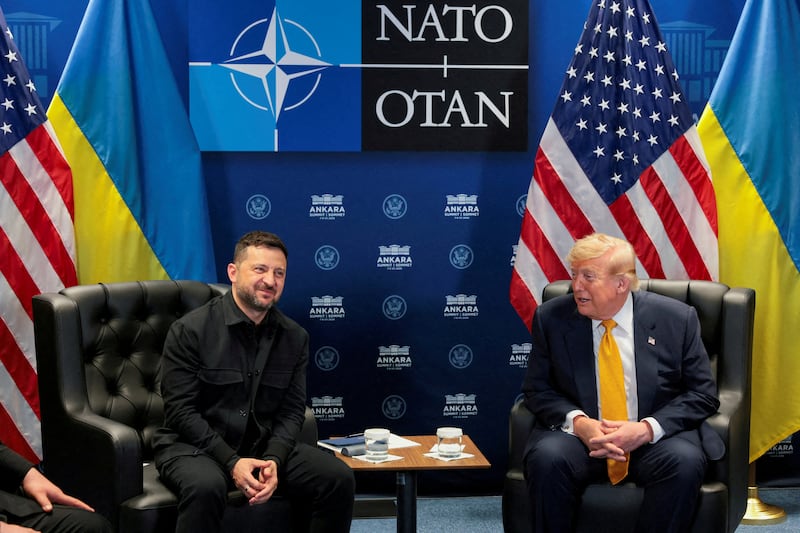
President Donald Trump implored his Ukrainian counterpart, Volodymyr Zelensky, to stop the blitzes on Moscow’s diesel-producing infrastructure because global energy supplies have already been strained by his own war in Iran, the Financial Times reported earlier this week.

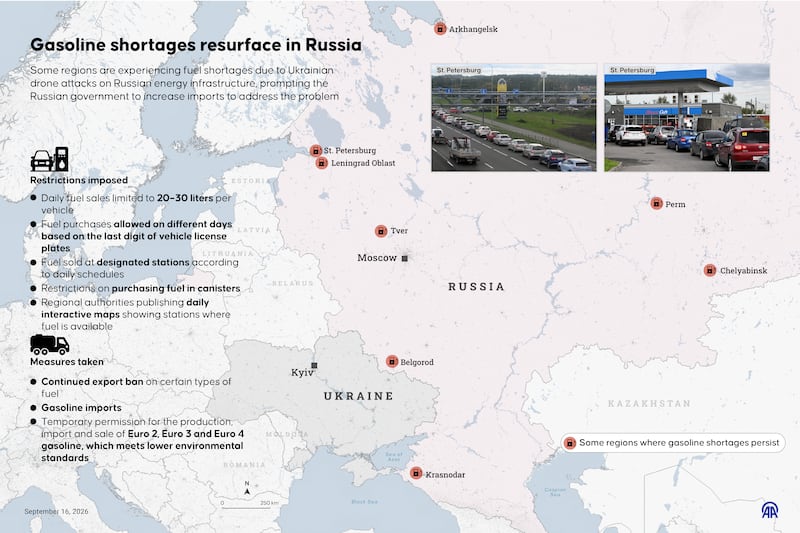
The Ukrainian president, however, has clearly ignored Trump, as strikes have continued. So much so, in fact, that a growing number of regions in Russia have reintroduced fuel rationing measures amid shortages of gasoline and diesel, the Moscow Times reports.
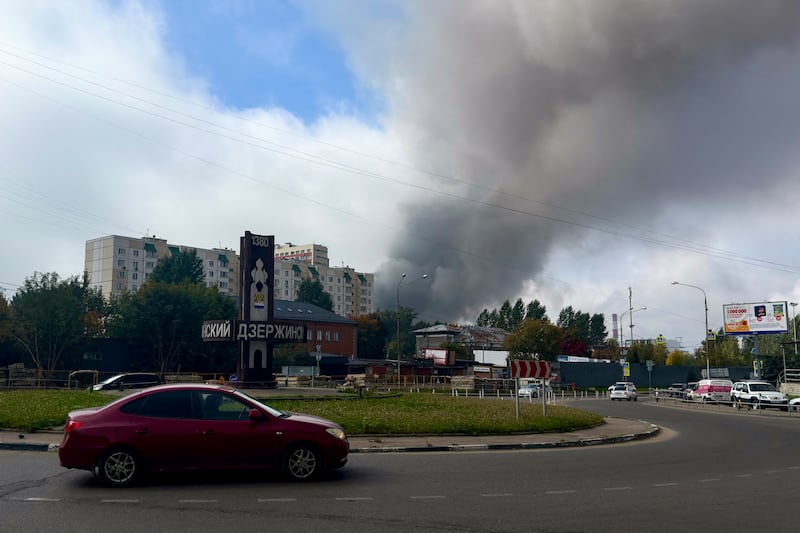
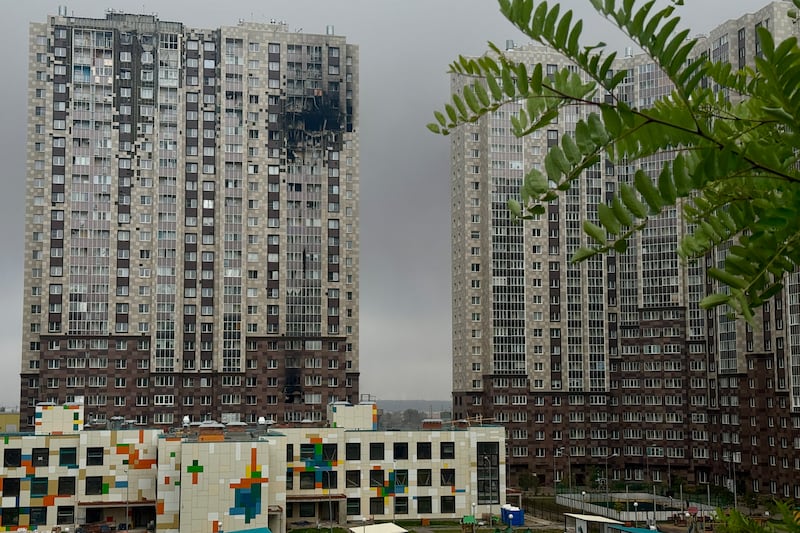
The moves follow Ukrainian drone attacks on three major Russian oil refineries in Moscow, Samara, and Ufa over the past three days. Ukraine’s military claims those strikes and others have knocked out more than 45 percent of Russia’s refining capacity.
In the Kaluga region, southwest of Moscow, the governor announced the return of an odd-even system based on vehicle license plate numbers, along with a ban on sales into portable canisters. “The lines [at gas stations] are back. This causes reasonable frustration,” Governor Vladislav Shapsha wrote on Telegram.
In Siberia’s Zabaikalsky region, authorities capped sales at 15 liters, or about 4 gallons, per vehicle for two common gasoline grades across 48 gas stations. The region’s fuel reserves stood at 17,000 metric tons, enough to last just 20 days.
Officials there stressed that 106 of the region’s 249 operating gas stations were still selling fuel without restrictions.
The squeeze isn’t anything new for regular Russians. Authorities in the Leningrad region, which surrounds St. Petersburg, capped gasoline sales last week at 30 liters, or about 8 gallons, per vehicle through at least October 1. Officials there described the area as the epicenter of a second wave of Russia’s summer fuel crisis, triggered after Ukrainian strikes knocked the Kirishinefteorgsintez refinery offline in August.
Nearly one in five independent and small gas stations in the Leningrad region have suspended operations because they can’t buy wholesale fuel on the St. Petersburg exchange, Governor Alexander Drozdenko said. He added that oil companies expect supplies to stabilize in October.
The pain is showing at the pump nationwide. The average price of gasoline in Russia has climbed 21 percent since the start of the year, with a single week’s jump pushing the national average to 78.51 rubles per liter, or $3.39 per gallon, as of September 14.
In response, Russia has banned gasoline exports through January 31, 2027, and diesel exports through the end of October, to stabilize the domestic fuel market.
Russia’s ban matters globally because it’s historically one of the world’s biggest diesel exporters—close to 1 million barrels a day pre-war, second only to the U.S.
Taking that supply off the market tightens an already stretched global supply, and diesel underpins most of the physical economy, including trucking, farm equipment, shipping, and backup power generation.
It comes after Donald Trump on Tuesday said he backed the idea of a ban on U.S. diesel exports, in a bid to curb soaring domestic energy costs.

Diesel prices have surged to record highs as the war in Ukraine and the Iran conflict have sharply cut exports from some of the biggest producers, such as Russia, Saudi Arabia and the United Arab Emirates. A gallon of diesel fuel in the U.S. was $6.53 on Tuesday, the highest average on record and more than 75 percent higher than a year ago.
Earlier this week, Ukraine unleashed its largest drone barrage of the war so far. Russia’s Defense Ministry said its forces shot down more than 1,900 drones overnight on Monday into Tuesday, along with eight guided aerial bombs, eight cruise missiles, and four rockets.
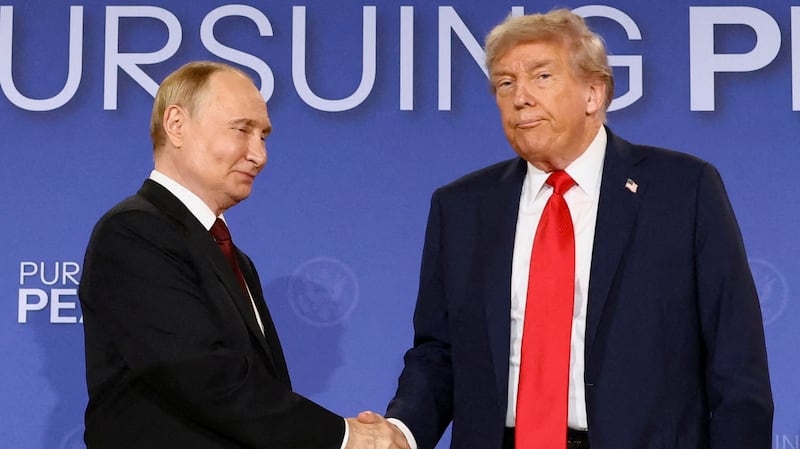
Sources told the Financial Times on Monday that Trump has tried to quell the madness in the hopes of abating the growing energy crisis.
A Ukrainian official briefed on a phone call with Zelensky told the paper that Trump was preoccupied with climbing diesel costs and wanted Russian fuel supplies freed up to ease the global market.
Zelensky, in a statement afterward, called it an “important conversation” and said his sit-down with Trump at the U.N. General Assembly “could change a lot.”
The pair then met at the U.N. HQ and discussed an end to the war. “We’re working very closely with the leaders of Russia and Ukraine, and we will get that one done,” Trump said, adding that an agreement would happen “more quickly than people understand.”
Before the meeting, Trump said the Ukrainian drone campaign was “a serious hit against the Russians,” but added, “It’s also a serious hit on the price of diesel.”